The Scottish Snow Queen Legend: Winter’s Silent Sovereign

Scotland’s landscape breeds legends as naturally as it grows heather. Among its quieter myths stands the Scottish Snow Queen, a figure shaped by ice, wind, and long Highland winters. She does not rule through cruelty. She governs through stillness, patience, and inevitability.
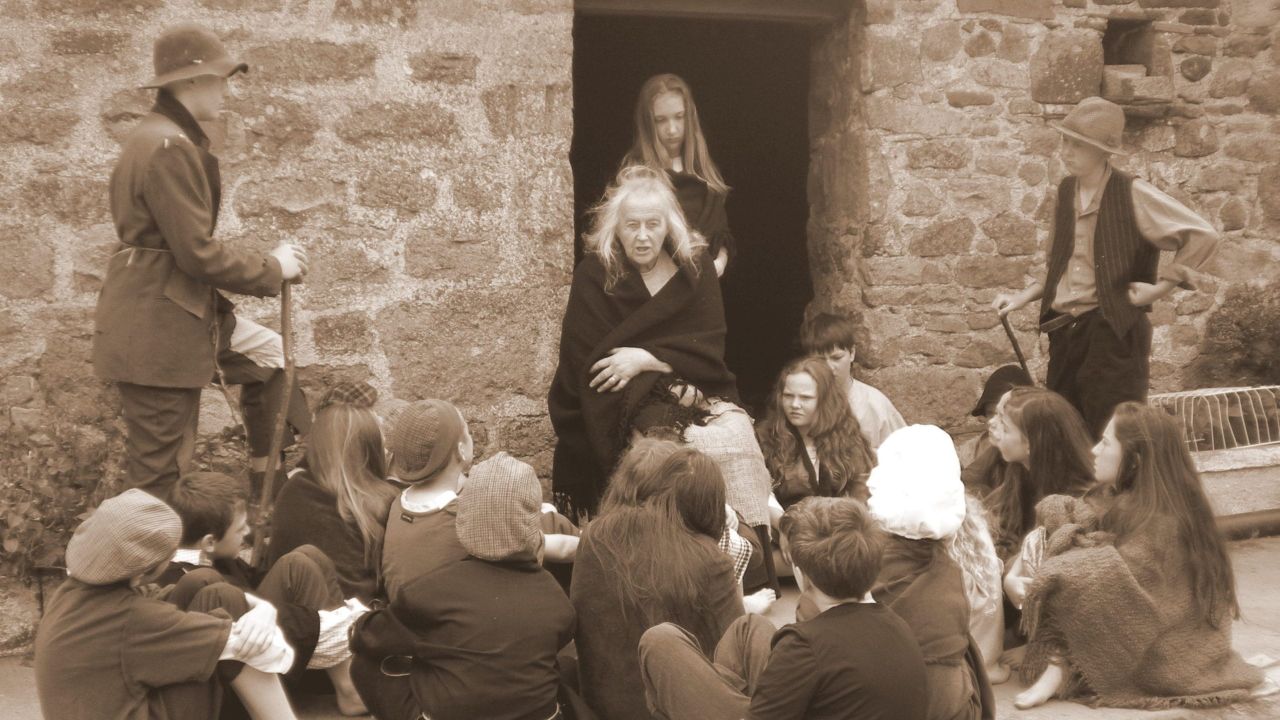
This legend never belonged to one written source. Like many Celtic stories, it survived through voice and memory. Scotland’s storytelling culture mirrors Ireland’s, where meaning travels through spoken tradition, as explored in why Irish people are natural storytellers.
Origins of the Scottish Snow Queen
The Snow Queen appears across Highland folklore as a spirit of winter rather than a single named figure. Some tales describe her as a pale woman walking frozen glens. Others depict her as a presence felt through silence and snowfall.
Unlike fairy queens or battle goddesses, she avoids drama. She arrives when the land needs rest. Crofters once believed harsh winters signaled her passing through the mountains, a reminder that nature controls the rhythm of life. This respect for land connects deeply with traditions rooted in rural survival, much like those discussed in the crofters’ journey through time.
Winter as Power, Not Punishment
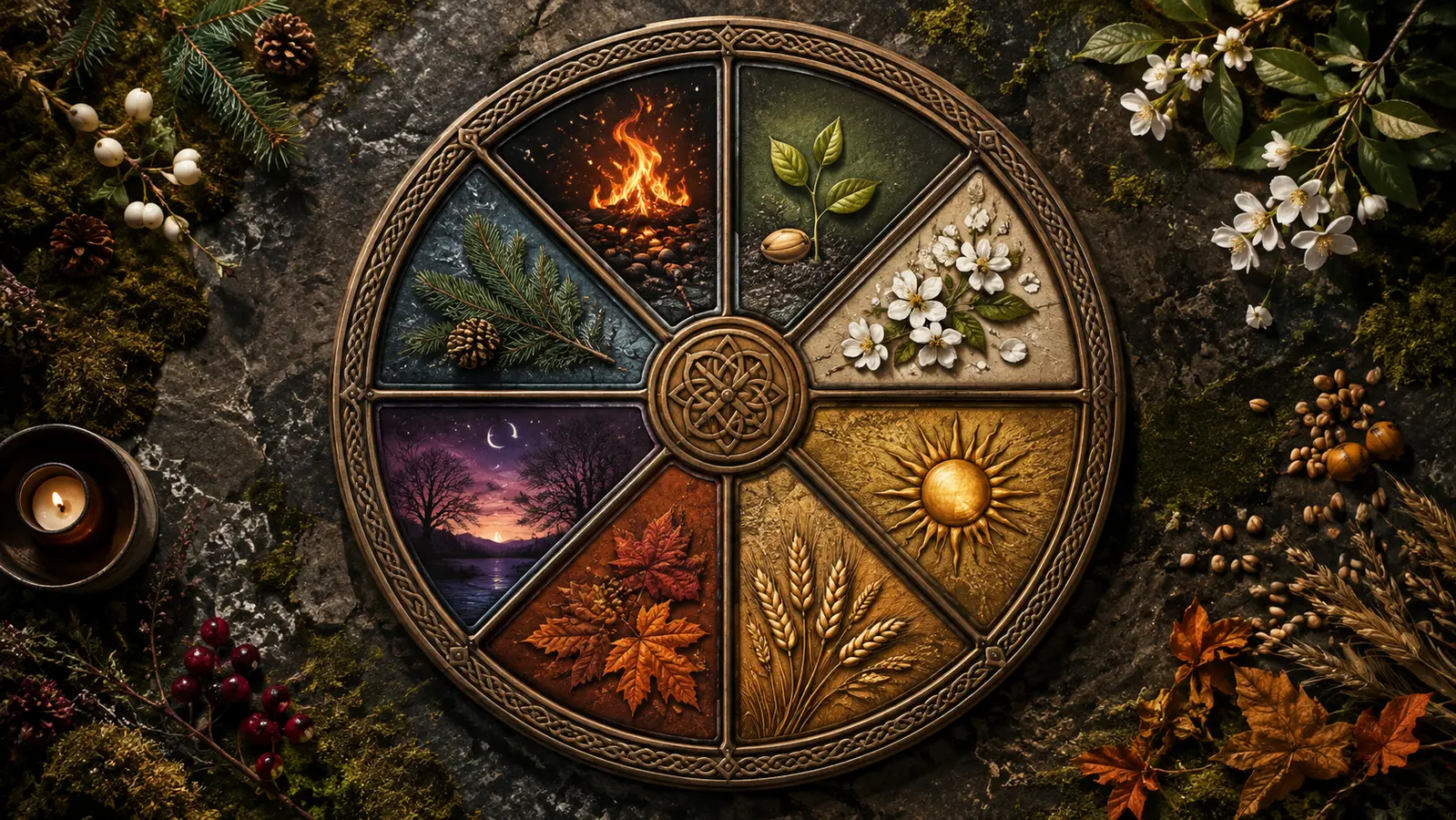
Celtic folklore rarely treats winter as evil. Instead, winter represents balance. The Snow Queen embodies this belief. She does not destroy crops. She protects soil beneath snow, and quiets the land so it can return stronger.
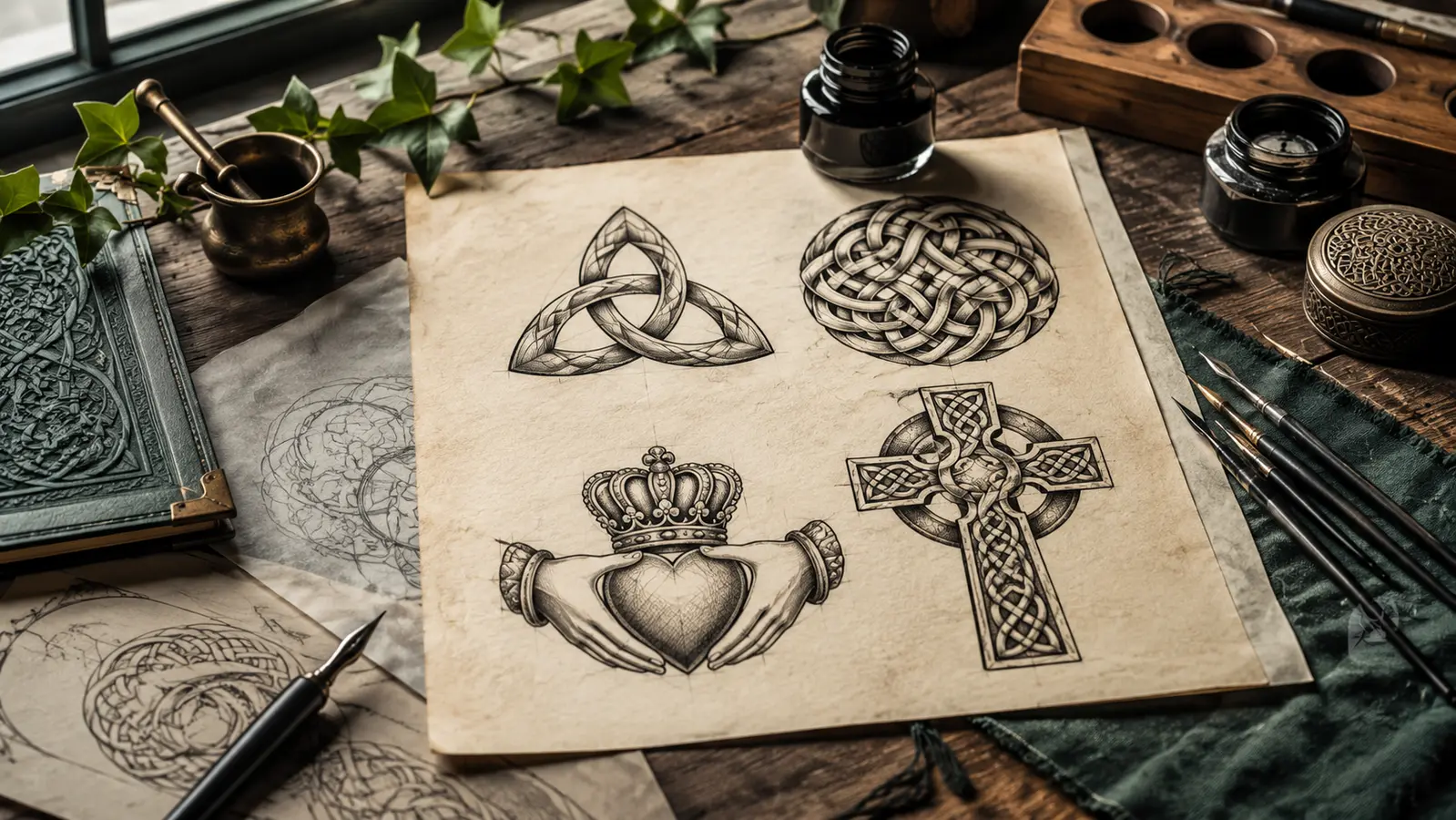
This view aligns with broader Celtic symbolism, where natural forces guide life cycles. Sacred trees such as the oak symbolized endurance across seasons, a theme explored in the Celtic oak tree. The Snow Queen governs the season when endurance matters most.

Connections to Other Celtic Winter Spirits
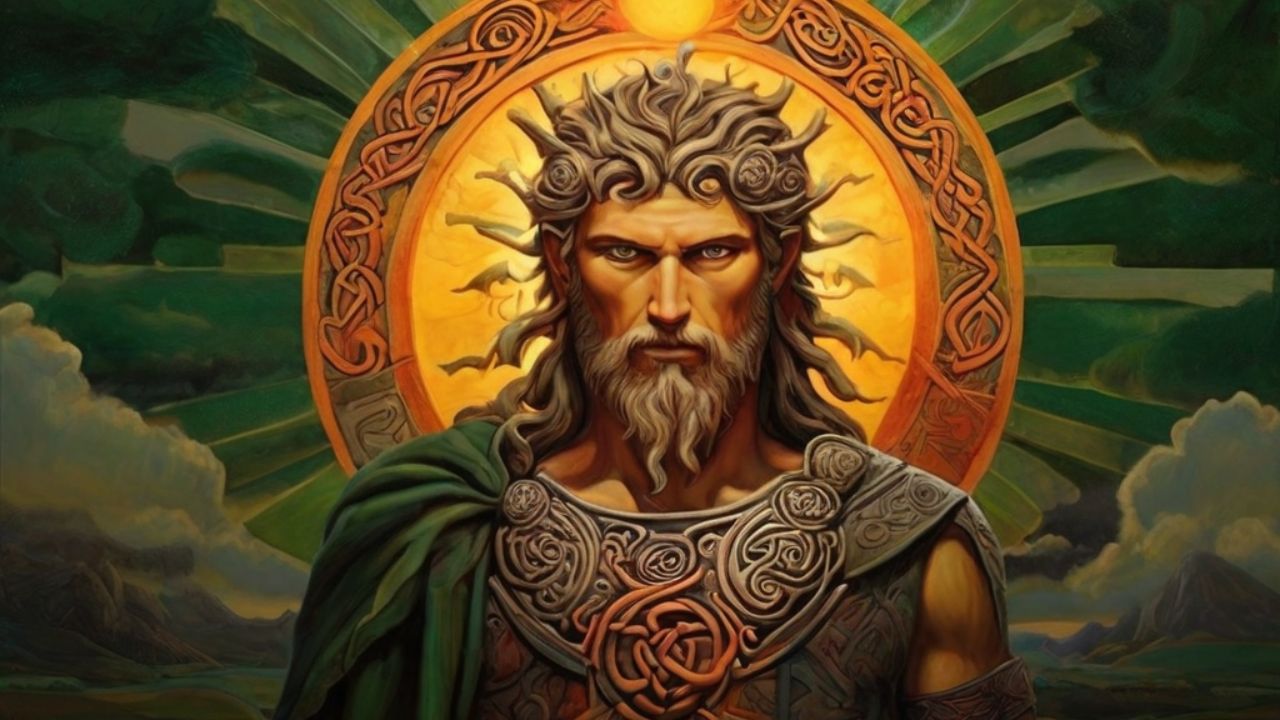
The Snow Queen shares traits with other Celtic figures linked to nature’s harsher moods. She contrasts sharply with radiant deities like the Celtic sun god Lugh, whose warmth represents growth and victory.
Her quieter power also echoes fairy traditions. In places such as Skye, locals once linked sudden snowstorms to unseen beings passing between realms. Similar ideas appear in stories like the legend of the Fairy Glen, where landscapes act as gateways rather than scenery.
Sound, Silence, and Seasonal Memory
Winter folklore often travels through sound. Or more precisely, through its absence. Long winter nights sharpened listening skills. Music filled gaps where stories paused. Instruments like the clàrsach, Scotland’s ancient harp, carried laments and seasonal songs that echoed winter’s emotional weight.
Music and myth worked together. One gave voice. The other gave meaning.

Tartans, Identity, and Winter Symbolism
Although tartans developed later, modern interpretations often dress the Snow Queen in muted plaids and pale blues. These colors reflect frost, sky, and stone. Tartans themselves symbolize continuity, even during hardship.
Understanding tartan history helps frame how Scots remember winter visually. For deeper context, see what is tartan and how long have tartan prints been around.
The Snow Queen wears no crown. Her authority comes from recognition, not display.
The Snow Queen in Modern Scotland
Today, the Snow Queen appears in poetry, local storytelling, and winter tourism imagery. She symbolizes resilience rather than fear. Highland winters still attract visitors seeking silence, reflection, and raw beauty.
Regions such as the Isle of Mull and Loch Lomond in the Highlands preserve this winter atmosphere, where mist and snow reshape familiar ground into something mythic.
The legend survives because it still fits the land.

Why the Scottish Snow Queen Legend Endures
The Scottish Snow Queen legend endures because it respects nature rather than fighting it. She teaches patience, restraint, and trust in cycles beyond human control.
In a world that fears stillness, her story reminds us that rest carries power. Winter does not end life. It prepares it.
And in Scotland, the snow still listens.