The Celtic Voyage of Bran: Journey to the Otherworld

Among the great stories of Irish mythology, The Voyage of Bran holds a special place. It is not a tale of conquest or battle. It is a story of listening, wandering, and crossing unseen boundaries. Through Bran’s journey, Celtic myth explores time, memory, and the mystery of the Otherworld.
This voyage does not move across a map alone. It moves across belief.
What Is the Voyage of Bran?
The Voyage of Bran mac Febail belongs to a group of medieval Irish tales known as immrama, or sea-voyage narratives. These stories describe journeys westward across the ocean toward enchanted islands.
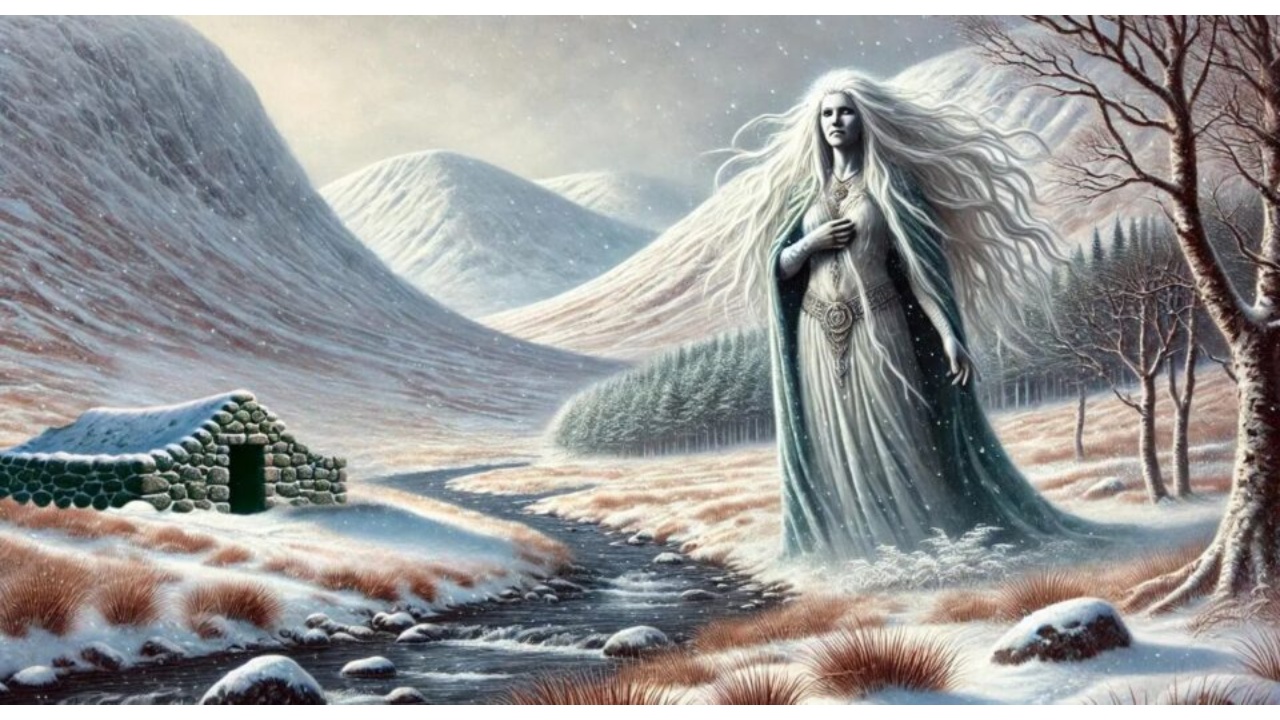
Bran’s voyage begins not with ambition, but with music. A mysterious woman appears and sings of a land without sorrow, age, or death. Her song calls Bran to the sea.
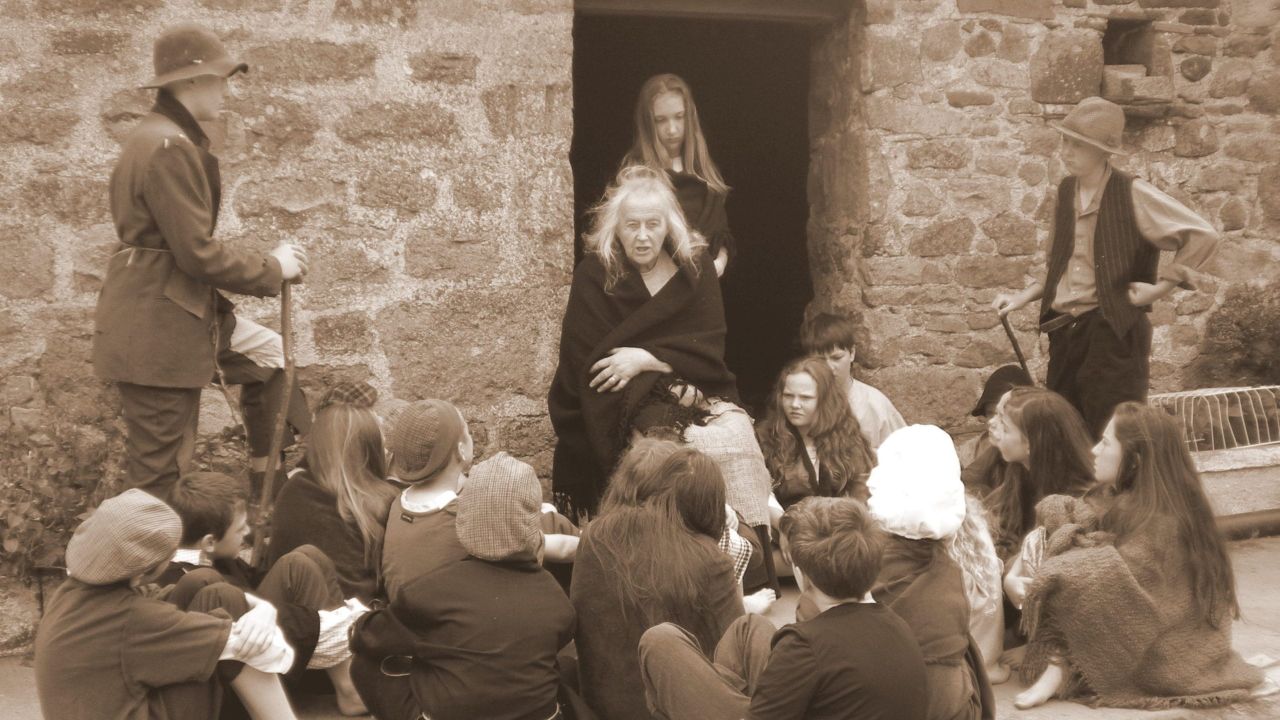
This emphasis on oral power reflects the deep roots of Celtic storytelling, explored further in Why Are Irish People Natural Storytellers?.
Music as a Gateway to the Otherworld
Sound opens the path to the Otherworld in many Celtic myths. In Bran’s tale, music does not entertain. It transforms.
The woman’s song functions like a key. It unlocks a realm beyond ordinary perception. This role of music aligns with the cultural importance of instruments such as the harp, explored in What Is a Clàrsach?.
For the Celts, sound carried power. It shaped memory and belief.

Islands, Encounters, and Altered Time
As Bran sails west, he encounters a series of mysterious islands. Each island reflects a different aspect of existence—joy, illusion, or timelessness. One companion steps ashore and immediately falls into laughter, unable to return.
Time behaves differently in these spaces. What feels like days at sea becomes centuries in Ireland.
This idea of distorted time appears across Celtic myth and connects closely to the concept of Annwn, the Otherworld realm. For deeper insight, see What Is Annwn?.
The voyage suggests that entering the Otherworld requires sacrifice. One may return—but never unchanged.
The Return That Is Not a Return
Eventually, Bran decides to sail home. When he reaches Ireland, he calls out to the people on shore. They respond with confusion. Bran’s name survives only as legend.
One companion steps onto land and instantly turns to dust.
This moment delivers the tale’s quiet warning. Knowledge gained beyond the mortal world comes at a cost. The past cannot be reclaimed.
Sacred places like the Hill of Tara echo this idea. They stand as bridges between memory and presence, not destinations one can fully re-enter.

Symbolism and Meaning
The Voyage of Bran offers no simple moral. Instead, it presents a worldview. Life flows forward. Time resists ownership. Wisdom often arrives too late for comfort.
Unlike heroic epics, this tale values awareness over dominance. Bran does not conquer the Otherworld. He witnesses it.
This reflective approach aligns with other mythic objects tied to abundance and insight, such as the Cauldron of Dagda.
Why the Voyage of Bran Still Matters
Modern readers often see this story as an early meditation on exile, longing, and irreversible change. In a world shaped by migration and memory, Bran’s experience feels familiar.
Celtic myths endure because they address human limits without despair. As explored across Celtguide’s Mythology & Folklore section, these stories ask readers to reflect rather than obey.
The Voyage of Bran reminds us that curiosity expands the soul but it also reshapes home.
Final Thoughts
The Celtic Voyage of Bran stands as a quiet masterpiece. It blends music, sea, and silence into a meditation on time itself. It teaches that some journeys enrich life precisely because they cannot be repeated.
Bran sails on, not as a hero who returns victorious, but as a name carried forward by story.