
Scottish Knobkerrie Clubs: History, Meaning, and Cultural Context

When people explore traditional Scottish weapons, they often think of swords or daggers. Yet clubs played an equally important role. Among them, the knobkerrie club holds a curious place in historical discussions. While the term “knobkerrie” originates outside Scotland, scholars and collectors often apply it to knob-headed wooden clubs used across Celtic regions, including Scotland.
To understand the Scottish knobkerrie, we must move beyond labels and focus on form, function, and cultural meaning.
What Is a Knobkerrie Club?
A knobkerrie is a short wooden club with a weighted or rounded head. Craftsmen carved it from hardwood to ensure durability and impact strength. In Scotland, similar clubs appeared in early martial and rural contexts, even if locals used different names.
The design remained simple:
- A solid wooden shaft
- A thickened or carved striking head
- A size suitable for one-handed use
This simplicity made the club reliable, easy to craft, and effective in close combat.
Scottish Use of Club Weapons
In early Highland society, weapons served both defensive and practical purposes. Rural communities relied on tools that doubled as protection. Wooden clubs met this need well.
Unlike ceremonial blades, clubs required no metalworking skills. Highlanders could fashion them from local woods, much like tools used in daily life. This practicality mirrors other Scottish traditions rooted in necessity rather than ornamentation, a theme also seen in crofting culture (see Crofter’s Journey Through Time).
Knobkerrie Clubs and Celtic Warfare
Celtic warfare emphasized mobility and personal skill. Clubs allowed fighters to strike quickly without complex training. Archaeological parallels appear across Celtic Europe, where blunt-force weapons existed alongside blades.
These weapons complemented edged arms such as the dirk knife, which you can explore further in What Is a Dirk Knife?. Together, they formed a practical fighting set for close encounters.
Symbolism and Social Meaning
Beyond combat, knob-headed clubs carried symbolic weight. In many Celtic cultures, the club represented:
- Physical strength
- Authority within the community
- Protection of land and kin
This symbolism aligns with the broader Celtic worldview, where objects held meaning beyond utility. You see similar symbolic thinking in Celtic stone carvings and sacred motifs (Celtic Stone Carvings).
Craftsmanship and Materials
Scottish club makers favored oak and ash, woods known for resilience. Oak, in particular, held sacred associations in Celtic belief systems, as discussed in The Celtic Oak Tree.
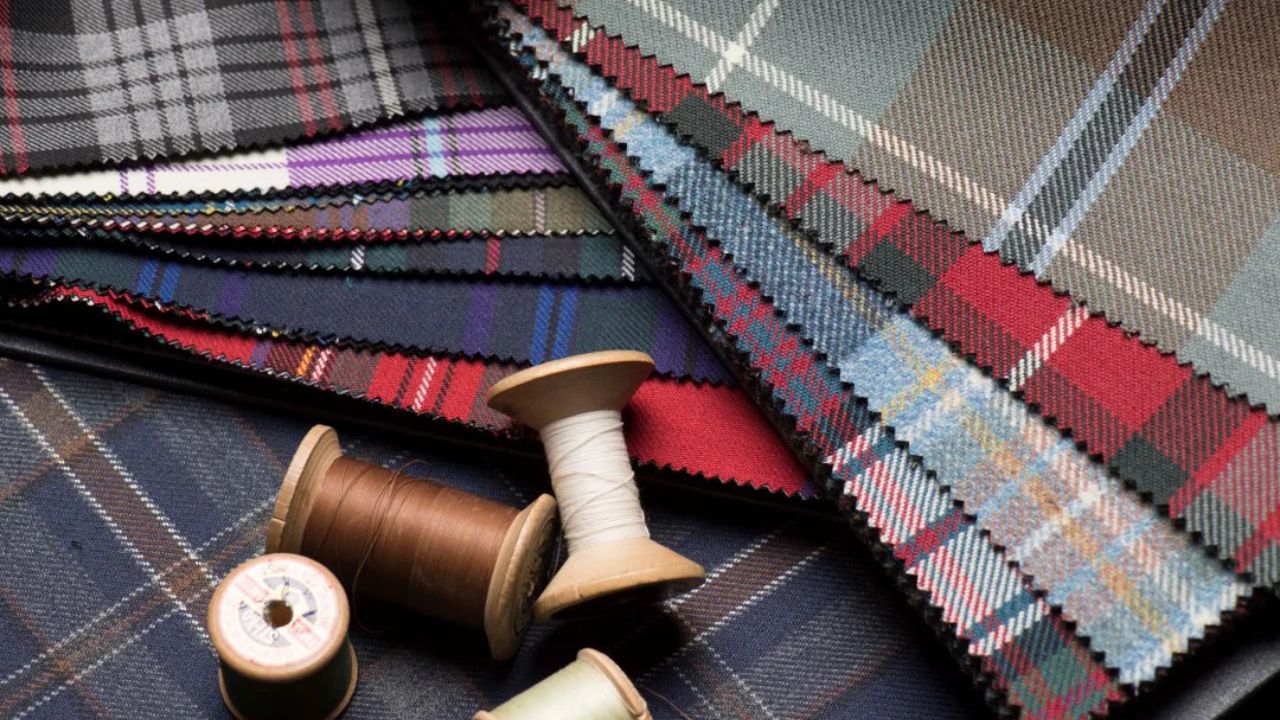
Craftsmen shaped the head carefully to balance weight and control. Unlike swords, clubs did not aim for elegance. They reflected function-first Highland design, much like traditional tartan garments that balanced identity and utility (What Is Tartan?).

Misconceptions Around the Term “Knobkerrie”
Modern usage often confuses origins. The word “knobkerrie” itself comes from later ethnographic classification, not medieval Scottish language. However, historians use it today as a descriptive category, not a cultural claim.
This distinction matters. Understanding historical tools requires context, not rigid naming. Scotland’s material culture evolved through contact, adaptation, and shared human solutions to similar problems.
Knobkerrie Clubs in Modern Collections
Today, museums and private collectors display Scottish-style clubs as:
- Early defensive weapons
- Rural tools
- Cultural artifacts
They appear alongside other traditional items such as Highland dress accessories (Scottish Tartan Shawls), offering a fuller picture of everyday Scottish life.
Why These Clubs Still Deserve Attention
Studying knobkerrie-style clubs deepens our understanding of ordinary Highlanders, not just elite warriors. These objects tell stories of survival, craftsmanship, and identity.
Scottish history does not live only in castles and battles. It lives in the tools people held, shaped, and trusted.
Final Thoughts
Scottish knobkerrie clubs remind us that history values function as much as form. These humble weapons reflect the realities of Highland life, where strength, resourcefulness, and meaning walked hand in hand.
For more insights into Celtic material culture, explore the wider collection on CeltGuide’s blog and continue uncovering the quieter objects that shaped the past.