Scottish Clan Symbols on Bags: Embroidery and Identity

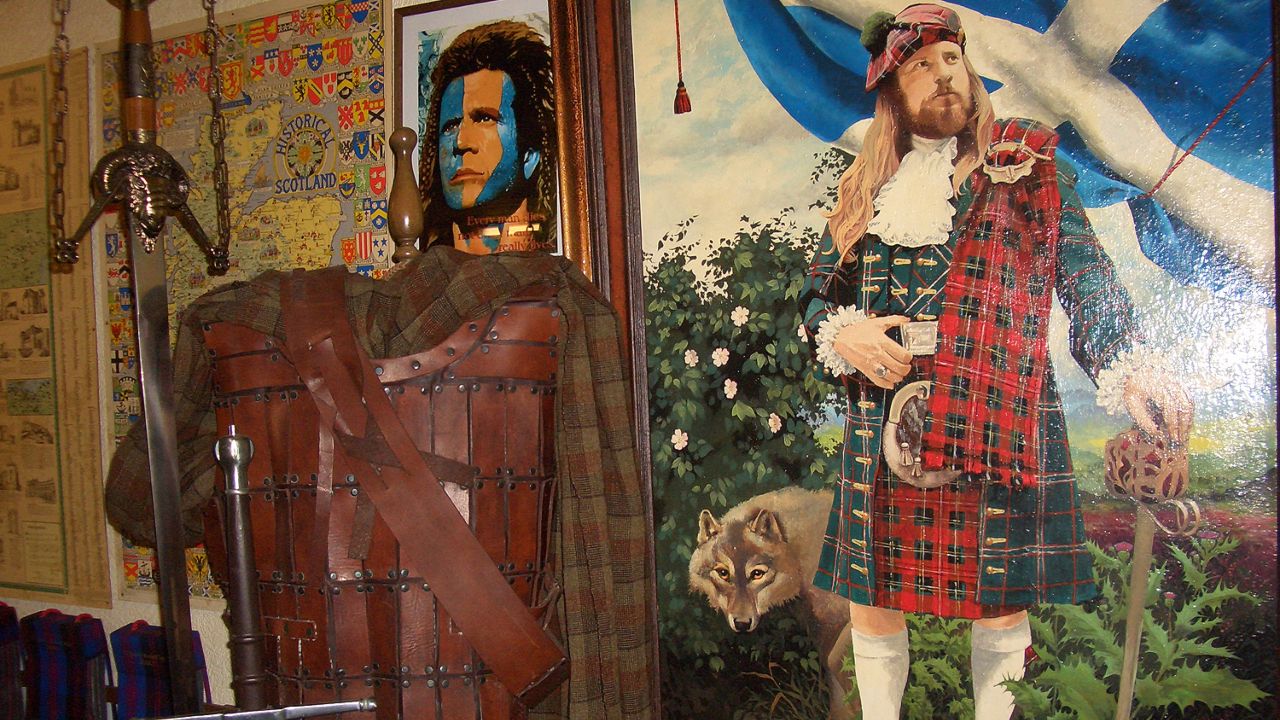
Scottish heritage does not live only in castles and manuscripts. It also travels with people, stitched carefully into everyday objects. Scottish embroidered clan symbols on bags show how tradition adapts without losing its meaning. These bags combine lineage, artistry, and modern utility in a way few accessories can.
To understand their appeal, we must explore clans, symbols, and the long Celtic habit of telling stories through material culture.
What Are Scottish Clan Symbols?
Scottish clan symbols usually appear as crests, badges, animals, plants, or mottos. Each symbol connects to a family’s history and values. Eagles suggest vigilance. Lions express courage. Plants such as oak reflect endurance, a theme explored further in Celtic Oak Tree.
These emblems once appeared on shields, banners, and seals. Today, embroidery allows them to live on fabric without losing authority.
Why Embroidery Matters in Scottish Tradition
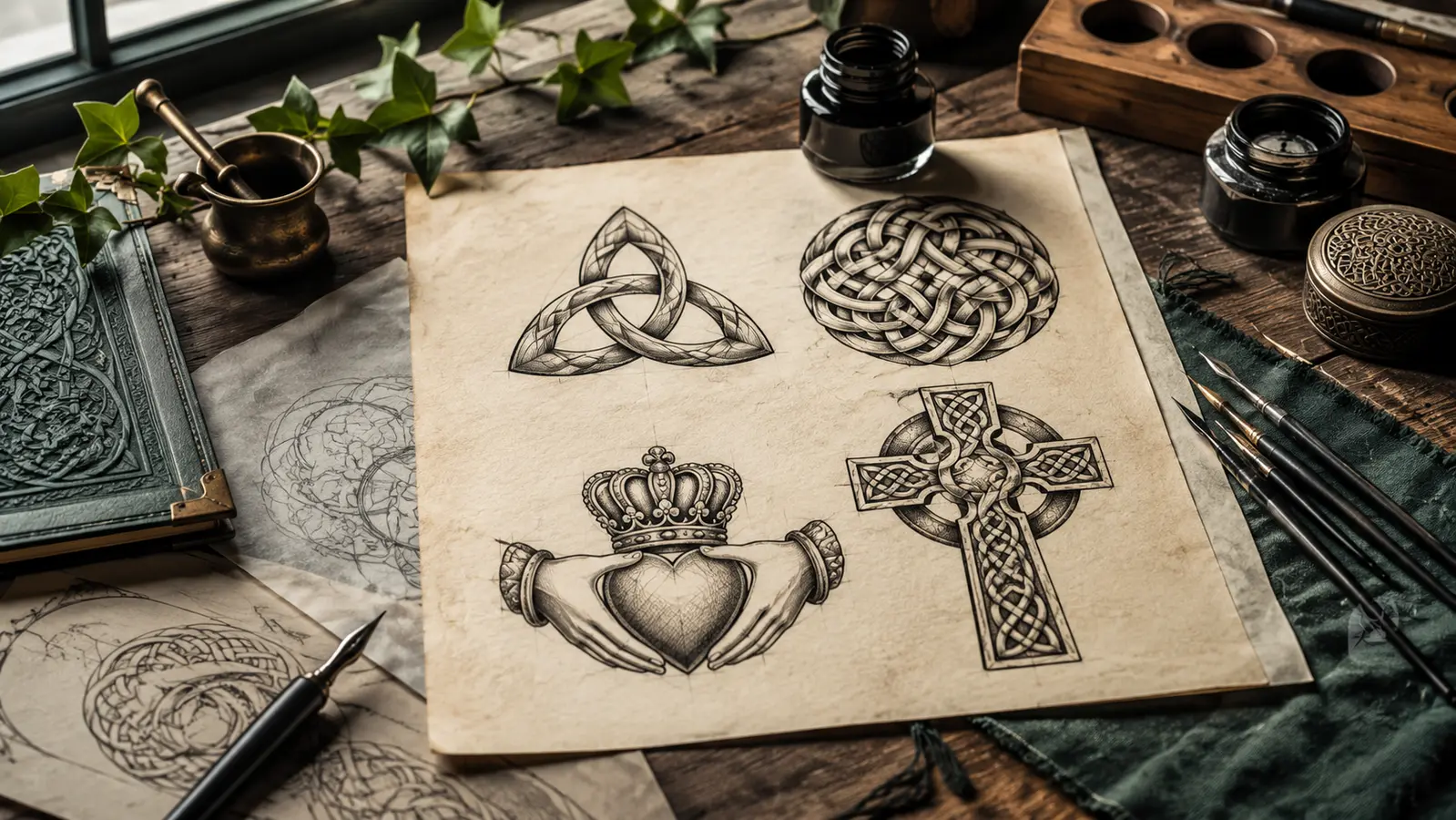
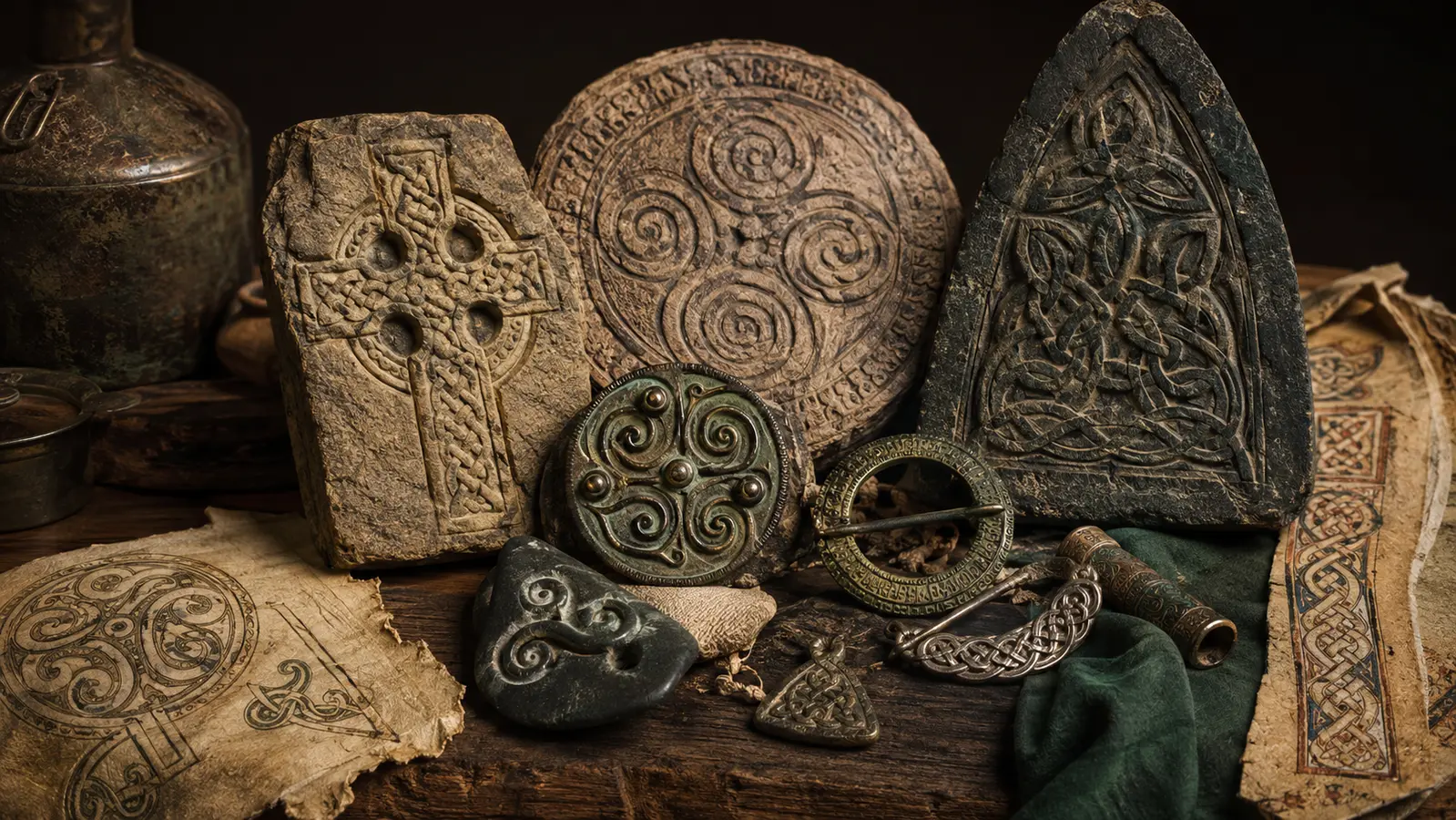
Embroidery speaks a quiet but powerful language. Unlike printed designs, stitched symbols show time, skill, and intention. This care echoes older Celtic art forms carved in stone, which you can explore in Celtic Stone Carvings.
Scottish culture has long trusted craft to carry memory. Just as music and storytelling preserve history, so does textile work. This connection between narrative and craft aligns with the wider Celtic storytelling tradition discussed in why Irish people are natural storytellers.
Clan Identity and Personal Belonging
Clans once shaped legal protection, land ownership, and loyalty. Although daily clan life has changed, identity still matters. Wearing a bag embroidered with a clan symbol allows people to express belonging without costume.
If you are unsure how clans developed or how many exist, How Many Scottish Clans provides helpful context.

These bags often suit people who appreciate heritage but prefer subtle expression over full Highland dress.
The Role of Tartan and Fabric Choice
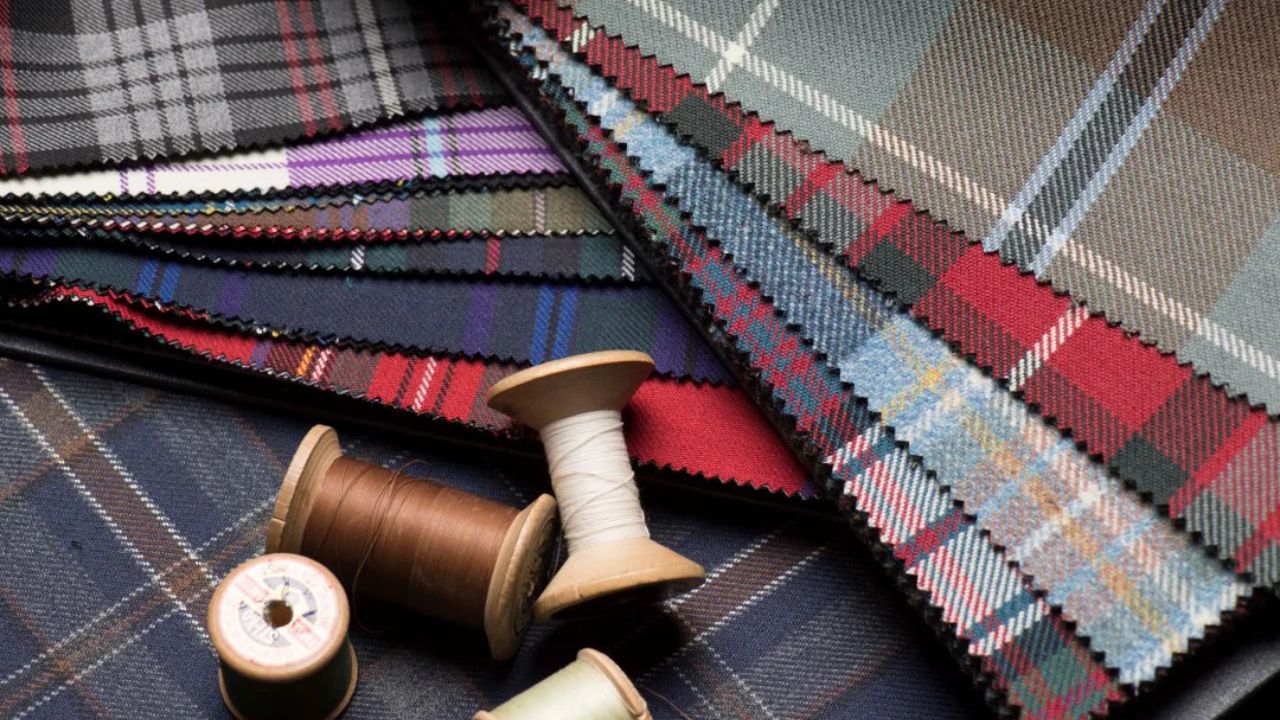
Many embroidered clan bags pair symbols with tartan panels. Tartan adds visual rhythm and regional association. For a deeper understanding of tartan’s origins, see What Is Tartan? and How Long Has the Tartan Prints Been Around?.
Unlike kilts, which follow strict measurements and wear rules, bags allow flexibility. Designers can blend tartan with leather, canvas, or wool while keeping the embroidery central.
This balance explains why tartan accessories continue to thrive beyond formal settings.
Craftsmanship: From Thread to Meaning
Good embroidery relies on precision. Artisans often use dense stitching to ensure longevity. They choose colours carefully to reflect heraldic tradition rather than trend alone.

This attention mirrors other Scottish crafts, from musical instruments like the clàrsach to ceremonial dress elements such as tartan shawls, explored in Scottish Tartan Shawls.
Each stitched symbol becomes both decorative and declarative.
Modern Uses of Embroidered Clan Bags
Today, people carry these bags to:
- Highland games and cultural festivals
- Family gatherings and weddings
- Everyday work or travel
- Heritage events and exhibitions
Events like those highlighted in Events to Watch in Highland Games 2025 show how tradition adapts to modern life without losing relevance.
The bag becomes a conversation starter rather than a museum piece.
Why These Bags Still Matter
Scottish embroidered clan symbols on bags prove that heritage does not need preservation behind glass. It thrives when people use it, carry it, and pass it on.
In a globalised world, such objects anchor identity. They remind us where stories begin and why they continue. Just as music, language, and myth carry culture forward, so does a well-stitched emblem moving quietly through daily life.