Scottish Clan Emblems on Brooches: A Cultural Guide

Scottish clan brooches carry more than decoration. They hold identity, loyalty, and a deep sense of belonging. When I first studied Highland material culture at Edinburgh, I noticed how often these small pieces acted as gateways to much larger stories. Their symbols travel through centuries of battles, alliances, migrations, and everyday life. Today, they remain one of the most recognisable markers of Scottish clan pride.
This guide explores what these emblems mean, why they matter, and how they connect to the broader world of Highland heritage.
The Origins of Clan Emblems
Clan emblems evolved as practical badges. Chiefs used them to identify supporters during conflict, and clansmen wore them on cap badges or brooches. Many symbols come from ancient Celtic imagery. You can see similar motifs in early Celtic stone carvings, which shaped the Scottish visual language.
What Symbols Usually Appear on Brooches?
Every clan crest feels personal. Yet shared elements appear across many Scottish clans. A few common motifs stand out:
1. Animals as Symbols of Character
Lions, eagles, stags, and boars show qualities like courage or vigilance. These symbols also reflect the broader Celtic tradition of animal reverence. For readers interested in Celtic mythology, the story of Lugh offers a great parallel to how animals and symbols shaped identity.

2. Plants and Flora
Heather, holly, and oak leaves decorate many badges. They connect clans to specific landscapes. The oak, for example, appears often because it symbolises endurance. If you want a deeper dive into Celtic trees, the Celtic oak tree article explores this symbolism beautifully.
3. Mottos and Banners
Most brooches include a clan motto. These short lines capture generations of belief, humour, and grit. Unlike ornamental designs, the mottos rarely change, even when fashions shift.
Connection to Highland Dress
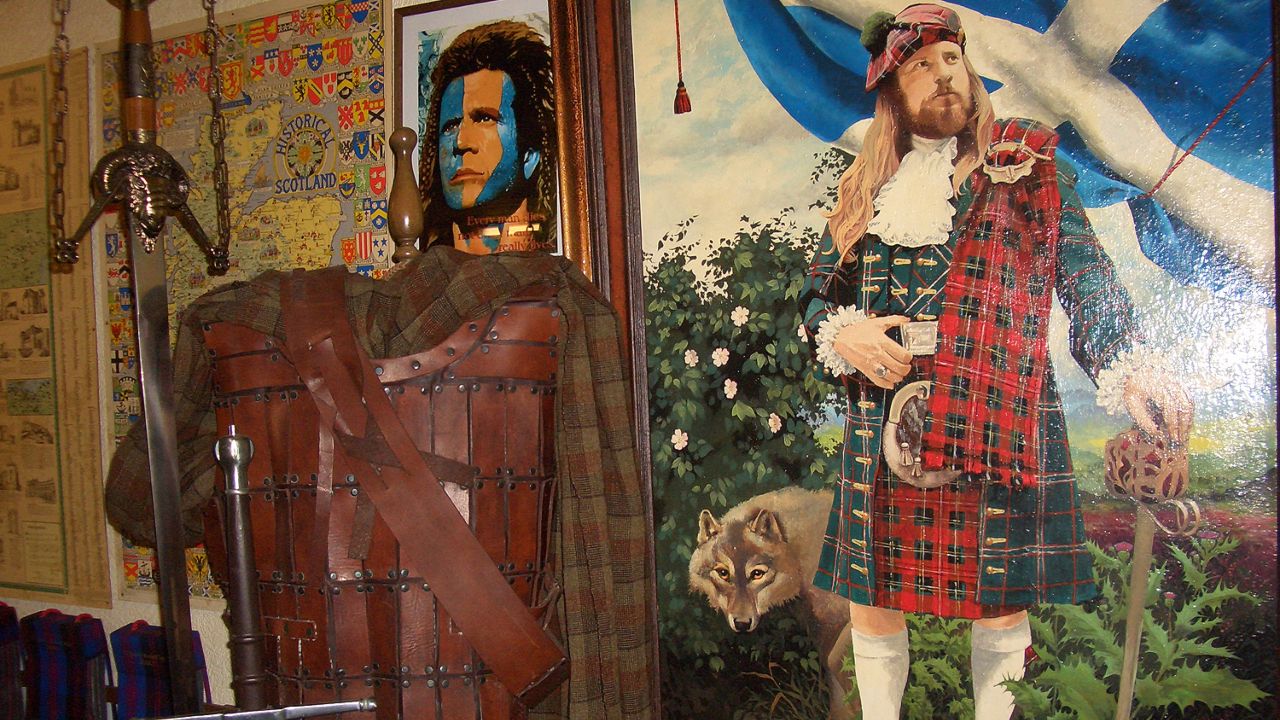
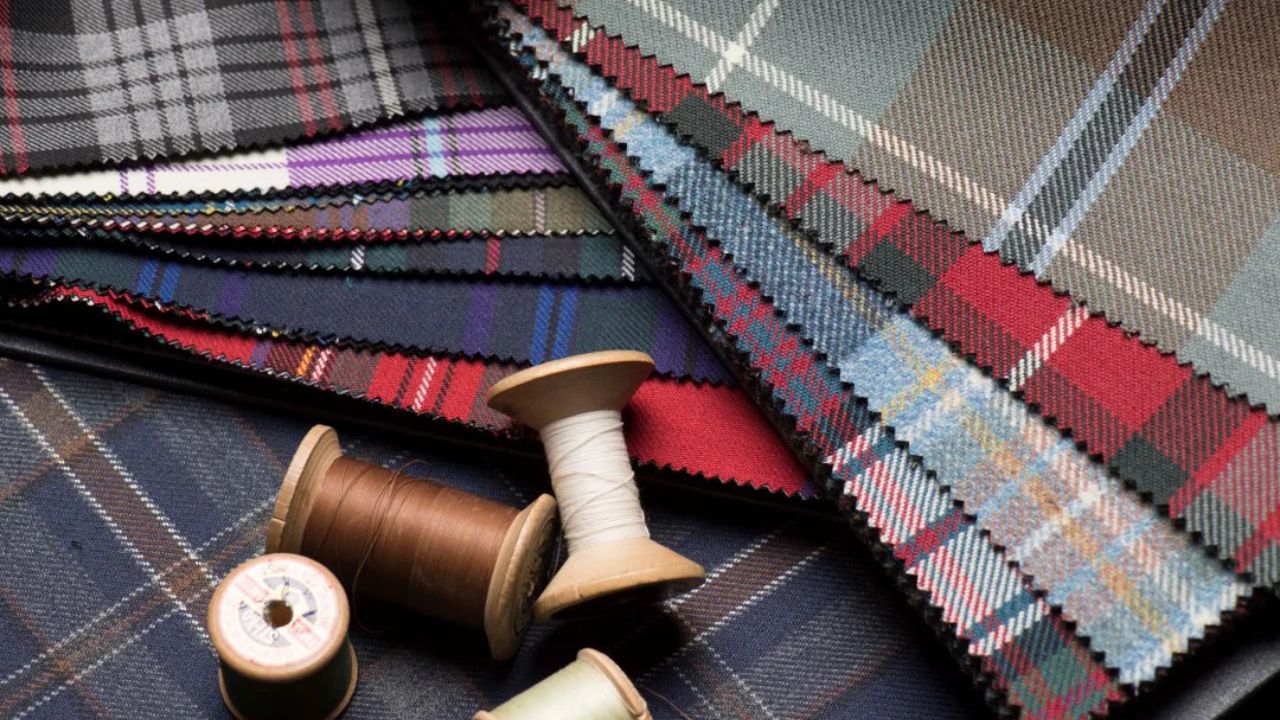
Clan brooches appear most famously on the great kilt, the kilted plaid, and later on tartan sashes. If you’re exploring Highland fashion for the first time, the guides on how to wear a tartan sash or the origins explained in What Is Tartan? offer helpful context.
Brooches secure cloth in place and add authority to ceremonial outfits. During Highland gatherings, clan chiefs still wear large brooches that show their leadership status.
Clan Identity in the Modern World
Today, clan brooches appear at weddings, graduations, and Highland Games. They act as reminders of origin and as cultural statements. At events like the Highland Games 2025, visitors often notice how brooches help identify clan groups across the field.
For those who trace their heritage or simply admire Scottish culture, brooches offer a meaningful connection to the past. Even if you don’t belong to a clan, wearing a brooch that reflects Scottish symbolism can be a respectful nod to the tradition.

How Many Clans Use Emblem Brooches?
Almost every major Scottish clan has a distinct emblem. If you’re new to clan history, a quick overview of Scotland’s clan structure can be found in the guide How Many Scottish Clans?. Understanding the clan system makes it easier to appreciate why brooches hold such emotional value.
Brooches as Heirlooms
Many families pass brooches across generations. The metal darkens and the engravings soften, but the stories remain bright. An old brooch often becomes a family’s link to the Highlands, especially for descendants living across the world.
This continuity mirrors other Celtic traditions explored on the site, like the storytelling culture described in Why Are Irish People Natural Storytellers?.
Final Thoughts
Clan brooches blend art, identity, and history. They carry personal pride, family memory, and ancestral voices. Whether worn daily or kept safely for special moments, they remind us of Scotland’s enduring spirit.
If you want to continue exploring Scottish and Celtic heritage, visit the CeltGuide blog for more cultural insights and historical stories.