Irish Peasant Cottage Life: Hearth, Land, and Memory

Irish peasant cottage life offers more than a romantic image of whitewashed walls and thatched roofs. It reveals a social world shaped by land, language, faith, and resilience. The cottage stood at the centre of rural existence. It sheltered families, livestock, memory, and hope.
To understand Ireland’s cultural depth, we must first step inside that humble dwelling.
The Structure: Built from Earth and Community
Most Irish peasant cottages rose from local materials. Builders used stone where it lay plentiful, especially in the west. In other regions, families shaped mud walls mixed with straw and clay. They crowned the structure with thick thatch, often made from reeds or oat straw.
The single-room layout dominated early forms. Later cottages developed a two- or three-room plan. Yet even then, space remained intimate. The hearth anchored the interior. Smoke drifted upward through the thatch before chimneys became common in the nineteenth century.
This domestic design reflected necessity rather than aesthetic choice. It suited a subsistence farming life. It conserved heat and kept family members close during long winters.

The Hearth: Social and Spiritual Centre
The hearth defined daily rhythm. Women baked bread on griddles. Pots simmered with potatoes and milk. Children gathered near the fire for warmth and instruction.
Storytelling flourished here. You can explore this tradition further in our piece on Why Are Irish People Natural Storytellers?. Oral culture thrived because cottages nurtured it. In low light, narrative became entertainment and education.
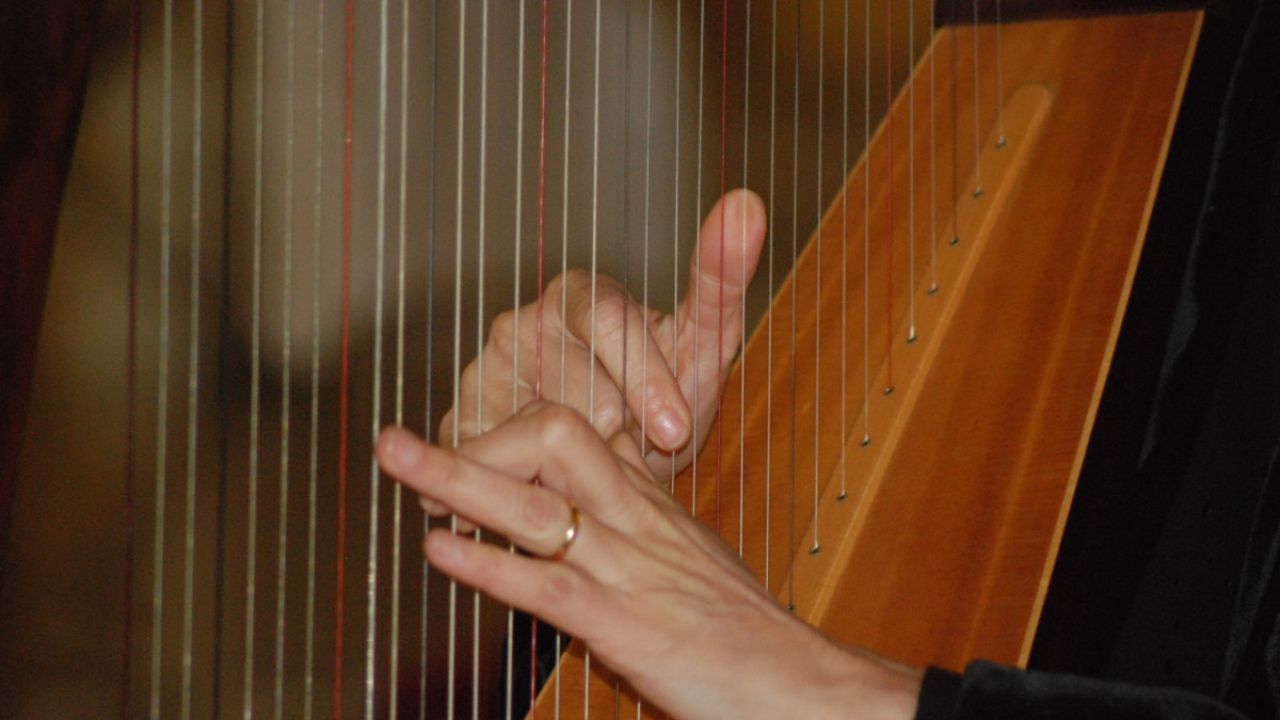
Music also filled the room. The fiddle carried dance tunes across the floor, as discussed in our guide to Irish Fiddle Music. A simple frame drum, like the bodhrán, often accompanied it (see The Bodhrán Drum). These instruments did not belong to grand halls alone. They lived within cottages.
Thus, the hearth united labour, leisure, and learning.

Land and Labour: Survival as Daily Discipline
Peasant cottage life revolved around small plots of rented land. Families cultivated potatoes, kept a pig, and perhaps maintained a cow. Labour structured identity.
This fragile system collapsed during the catastrophe we now call the Great Famine. The blight destroyed potato crops in the 1840s. Entire communities faced eviction or starvation. Our detailed study, The Influence of the Irish Potato Famine, traces this transformation.
The famine reshaped cottage life. Roofless ruins dotted the countryside. Emigration hollowed villages. Yet memory persisted in stone foundations and oral testimony.
Faith, Folklore, and the Sacred Landscape
Cottage dwellers did not separate religion from daily work. They blessed crops, marked holy days, and visited sacred wells, as explored in Irish Holy Wells: Portals to the Past.
Folklore also entered domestic space. Tales of fairies, spirits, and ancient gods shaped moral imagination. Children heard stories of Lugh, the radiant deity of skill and harvest (see Celtic Sun God Lugh). These narratives linked the cottage to a mythic past.
Even everyday objects carried symbolic weight. The Claddagh ring, for instance, expressed loyalty and love within tight-knit communities (read Claddagh Ring Meaning, History, and Symbolism).
Through such practices, rural families placed their modest homes within a sacred cosmos.
Language and Identity Within the Walls
In many western regions, Irish Gaelic dominated cottage conversation well into the nineteenth century. Proverbs, blessings, and lullabies shaped children’s early education. You can explore this linguistic richness in Gaelic Irish Proverbs and Gaelic Children’s Lullabies.
Language preserved worldview. It encoded respect for land, kinship, and ancestry. The cottage therefore functioned as a vessel of cultural continuity.
Community, Wake, and Collective Memory
Life unfolded collectively. Neighbours helped build roofs and harvest crops. They gathered for weddings and keening laments. The Irish wake, examined in Heartbeat of Farewell: Irish Wake Traditions, often took place within the cottage itself.
Death did not remove the deceased from domestic space immediately. Instead, community presence transformed grief into shared remembrance. The cottage thus hosted both birth and farewell.
Gender, Craft, and Material Culture
Women managed dairy production, spinning, and household order. Men ploughed fields and repaired stone walls. Children contributed from an early age.
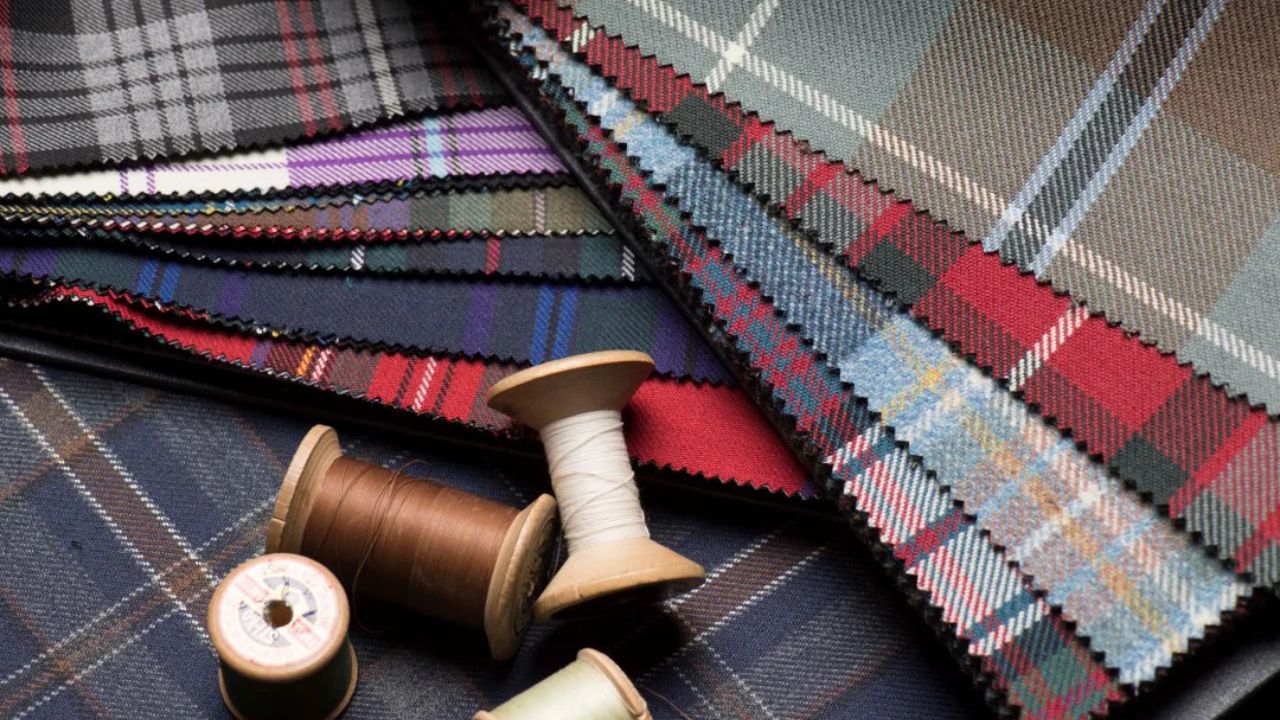
Clothing reflected practicality. While kilts belong more firmly to Scottish contexts (see What Is an Irish Kilt?), rural Irish dress prioritised durability. Homespun fabrics and shawls signalled both economy and identity.
Material culture remained modest but meaningful. Every object earned its place through use.
Ruin and Revival: The Cottage in Modern Memory
Today, preserved cottages stand as heritage sites. They attract visitors seeking authenticity. Yet we must resist romantic nostalgia. Cottage life demanded endurance. It required adaptation to harsh climates and precarious tenancies.
Still, these dwellings shaped Ireland’s intellectual and emotional landscape. They nurtured storytellers, musicians, and emigrants who carried memory abroad.]

If you wish to explore related themes in greater depth, visit our broader archive at the CeltGuide Blog and browse categories such as Culture & Tradition and Travel & Landscapes.
Conclusion: More Than a Cottage
Irish peasant cottage life embodies resilience. It reveals how ordinary families created meaning within constraint. The hearth became a university. The field became a test of endurance. The walls absorbed laughter, lament, and prayer.
To step into that cottage is to encounter Ireland at its most intimate.