Celtic Moon Goddess Arianrhod: Myth, Power, Meaning

Celtic mythology rarely offers simple figures. Its gods and goddesses reflect the complexity of life itself. Among them, Arianrhod, the Celtic Moon Goddess, stands apart. She governs fate, cycles, and cosmic order rather than comfort or protection. Her story invites reflection rather than reassurance.
To understand Arianrhod is to understand how the Celts viewed time, identity, and power.
Who Is Arianrhod?
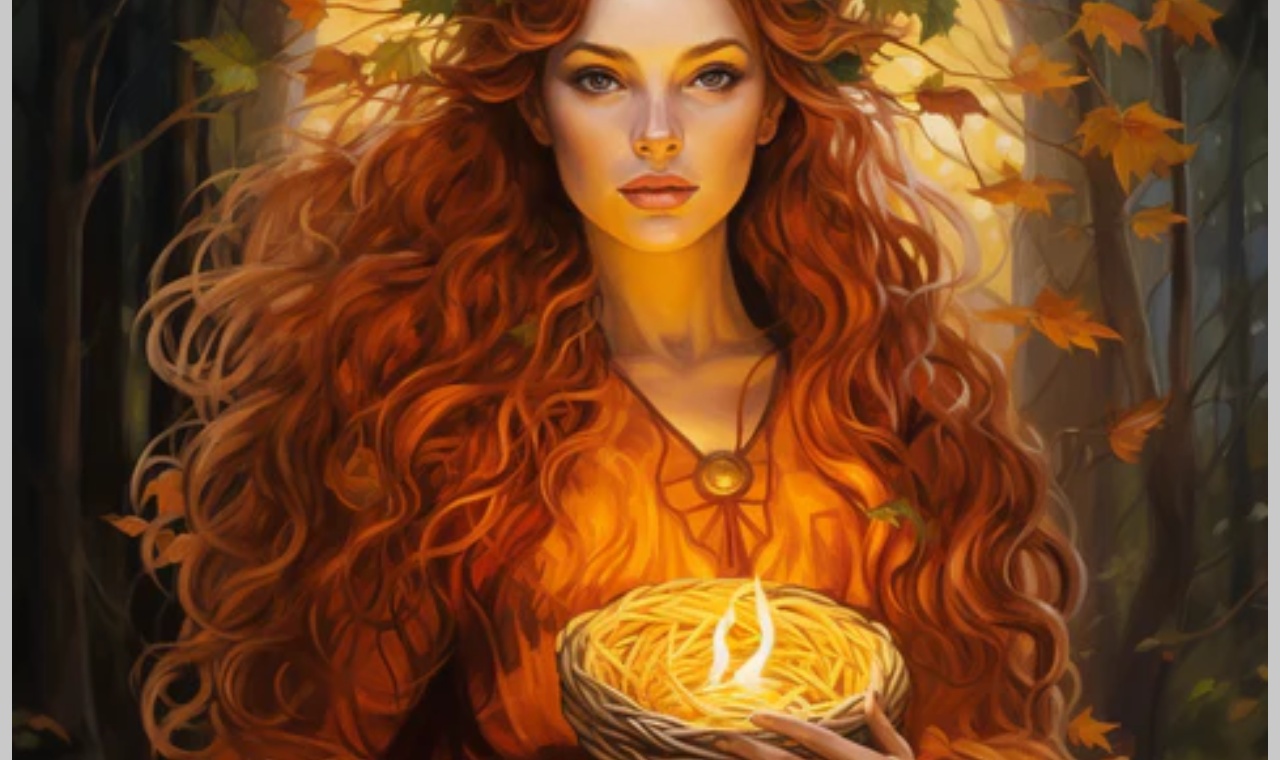
Arianrhod appears in the Fourth Branch of the Mabinogi, the most important collection of medieval Welsh myth. Her name translates as “Silver Wheel,” a phrase scholars connect to the moon’s eternal movement across the sky.
She belongs to the divine family of Dôn, placing her among the highest-ranking figures in Welsh mythology. Unlike nurturing goddesses, Arianrhod embodies authority and consequence. She tests those around her and forces transformation through challenge.
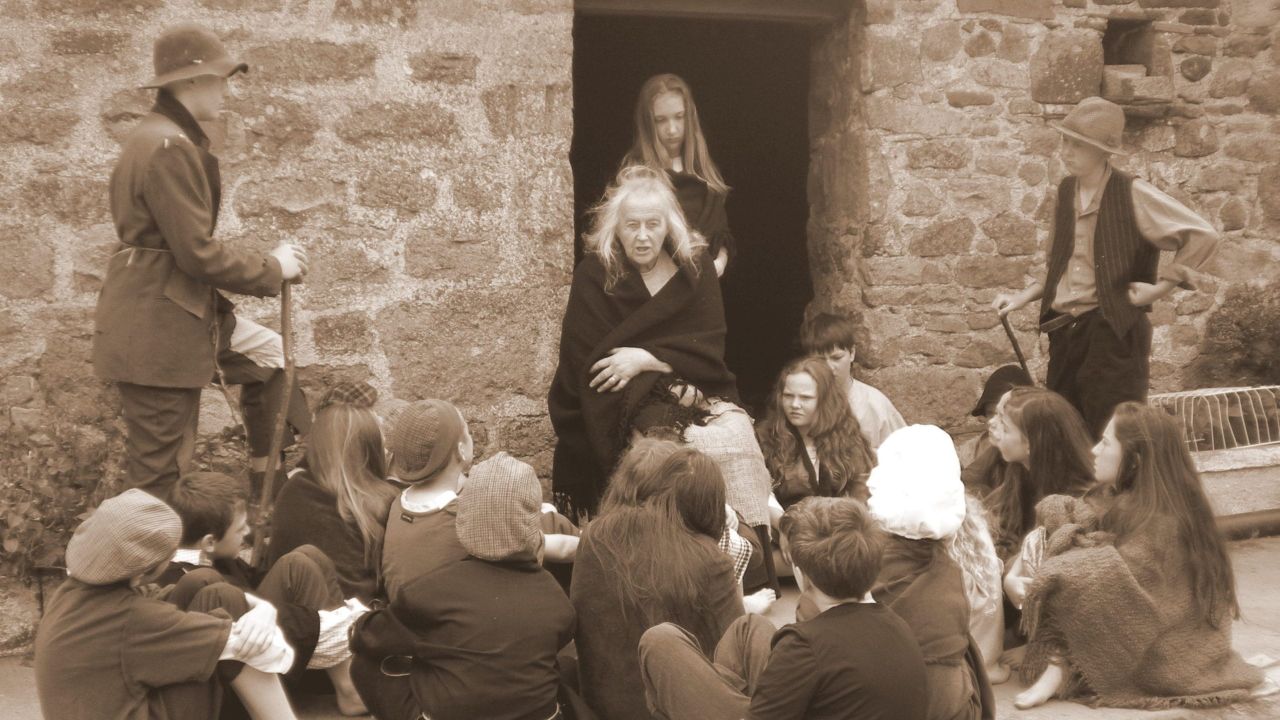
This layered storytelling reflects a wider Celtic tradition where myth educates as much as it entertains, a theme explored in Why Are Irish People Natural Storytellers?.
Arianrhod as a Moon Goddess
The moon held deep significance in Celtic belief. It regulated agriculture, ritual calendars, and spiritual thresholds. Arianrhod’s lunar identity ties her to:
- Cycles of birth and rebirth
- Female sovereignty
- Cosmic balance and fate
Her silver wheel symbolizes more than the moon. It represents destiny in motion. Nothing stands still under her influence.
Ancient Celtic stone symbols often echo this belief in cycles and continuity, as discussed in Celtic Stone Carvings.

The Myth of Lleu and the Power of Fate
Arianrhod’s most famous myth involves her son Lleu Llaw Gyffes. When challenged, she refuses to name him or allow him weapons. In Celtic culture, naming creates identity. By withholding it, Arianrhod attempts to control destiny itself.
Yet myth never allows absolute power. Through wit and transformation, Lleu gains both name and purpose. This tension between resistance and inevitability defines Arianrhod’s character.
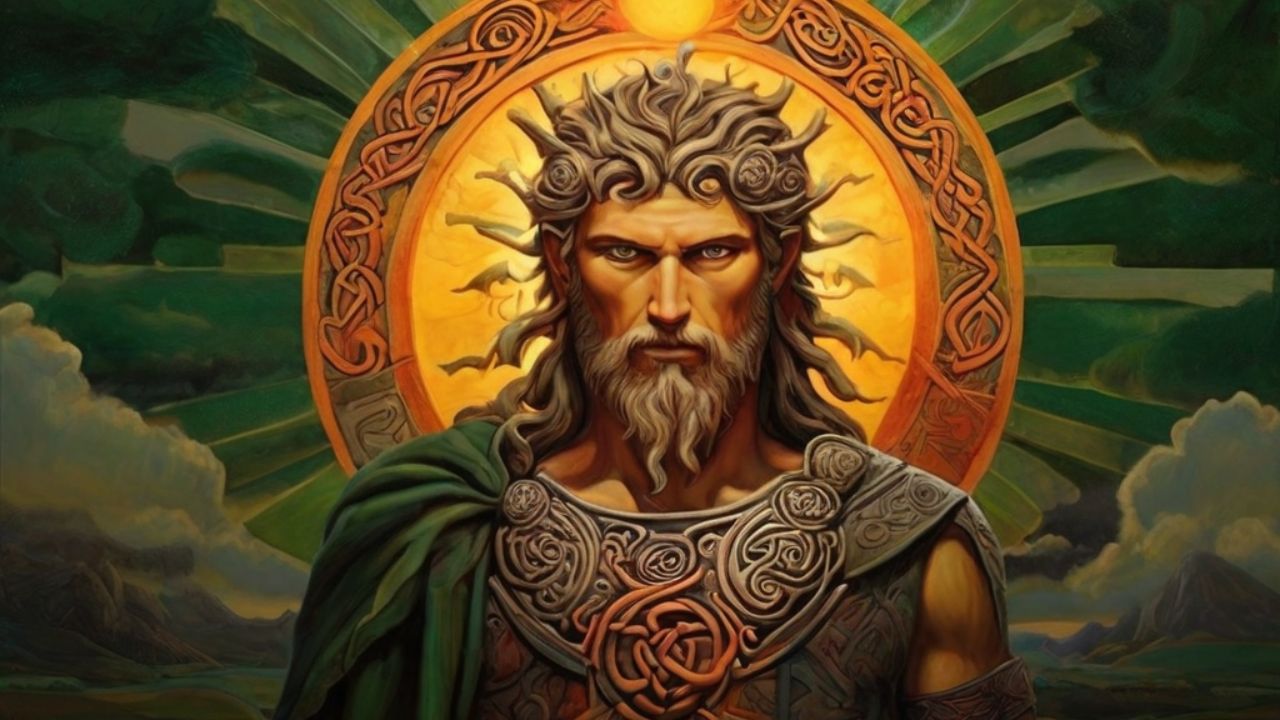
Lleu later aligns with the solar god Lugh, whose role contrasts Arianrhod’s lunar authority. Readers can explore this balance further in Celtic Sun God Lugh.
Arianrhod’s Castle and Sacred Landscape
Tradition places Arianrhod’s dwelling at Caer Arianrhod, a tidal rock formation off the coast of Anglesey. The sea, like the moon, moves in rhythms. This location reinforces her identity as a goddess of cycles and liminal spaces.
Celtic mythology consistently binds story to landscape. Sacred places such as the Hill of Tara or the otherworldly realm described in What Is Annwn? show how land itself holds memory.
In Celtic belief, place remembers what people forget.

Cultural Legacy and Modern Meaning
Arianrhod continues to influence modern Celtic spirituality, feminist mythology, and academic discourse. She represents agency without sentimentality. Her power lies in truth, not mercy.
Like sacred objects such as the Cauldron of Dagda, she symbolizes abundance gained through effort rather than gift.
Why Arianrhod Still Matters
Arianrhod matters because she refuses simplification. She teaches that growth emerges through challenge and that cycles define existence. The moon wanes before it waxes. Fate turns before it settles.
In a world seeking easy answers, Arianrhod offers something deeper—wisdom shaped by time, struggle, and return.