Celtic Legends of the Immortal Heroes

Celtic mythology does not treat heroism as a fleeting achievement. It frames it as endurance. The great heroes of Ireland and Scotland rarely vanish completely. They linger in landscape, memory, and story. They cross into the Otherworld, yet remain present in cultural imagination.
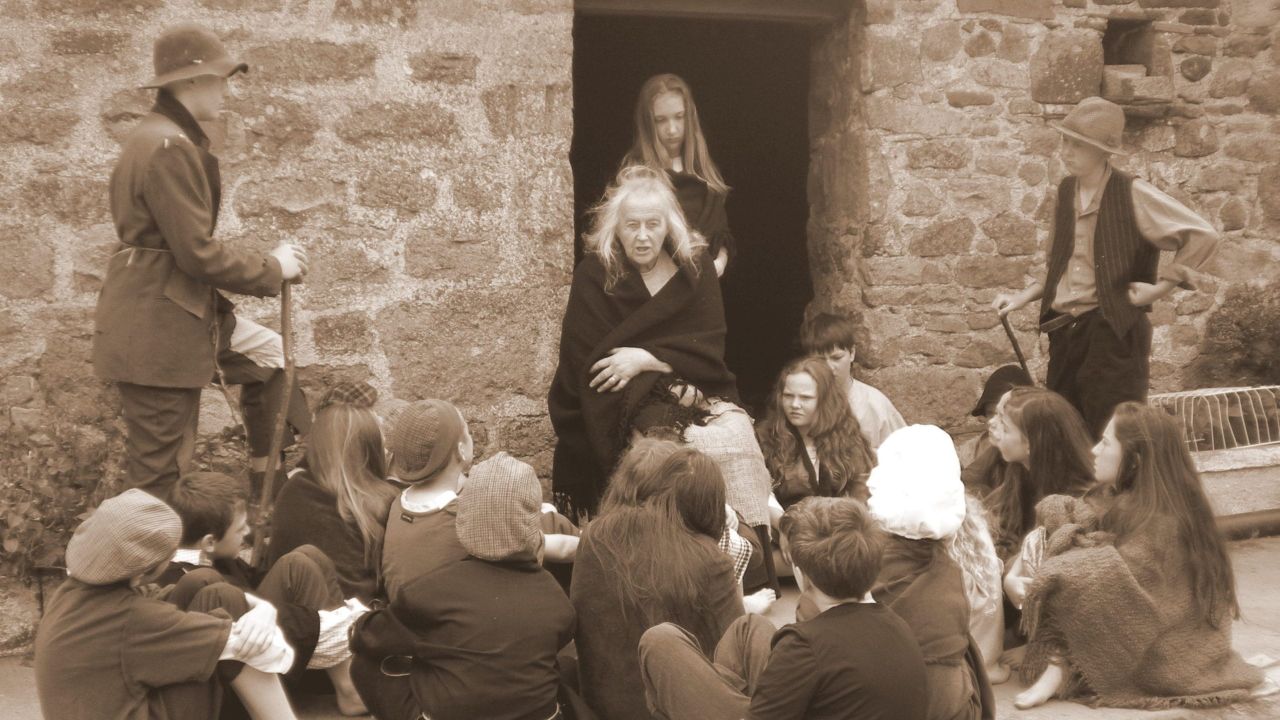
This persistence explains why Celtic legends continue to captivate modern readers. As we explored in Why Are Irish People Natural Storytellers?, narrative tradition shapes identity across generations. Through story, heroes never truly die.
Let us examine the immortal heroes of Celtic legend and understand why their legacy still matters.
Immortality in the Celtic Worldview
Immortality in Celtic myth does not always mean eternal physical life. Instead, it signifies transition. Heroes cross into realms such as Annwn, the mysterious Otherworld described in What Is Annwn?. There, time bends. Death loses finality.
The boundary between worlds remains thin. Sacred sites such as the Hill of Tara anchor this belief in geography. Kings, warriors, and poets stood at thresholds between mortal life and divine continuity.
In this cosmology, a hero may fall in battle yet rise in legend. Cultural memory grants immortality.
Lugh: The Radiant Warrior of Many Skills
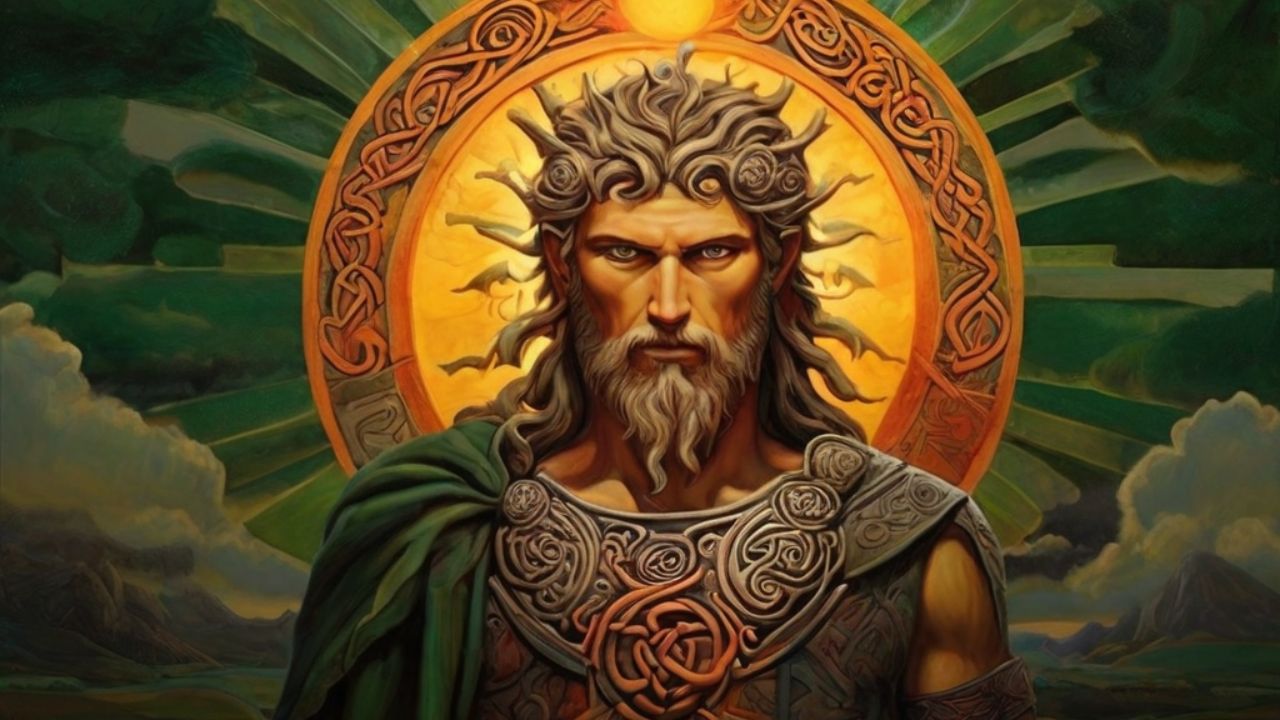
Among immortal heroes, Lugh stands prominent. The figure discussed in Celtic Sun God Lugh embodies mastery. He excels in warfare, poetry, craftsmanship, and kingship.

Lugh does not represent brute strength alone. He represents versatility. His immortality arises from excellence across disciplines. He leads the Tuatha Dé Danann and secures victory through strategy and skill.
Lugh’s legacy persists in seasonal festivals such as Lughnasadh. Communities remembered him not as a distant myth but as a continuing presence woven into agricultural cycles.
His immortality rests in cultural recurrence.
The Hero and the Otherworld
Many Celtic heroes journey into supernatural realms. They do not simply conquer enemies. They traverse boundaries.
The cauldron motif, explored in Cauldron of Dagda, symbolizes renewal and inexhaustible life. Heroes who encounter sacred cauldrons or enchanted objects often gain wisdom rather than mere power.
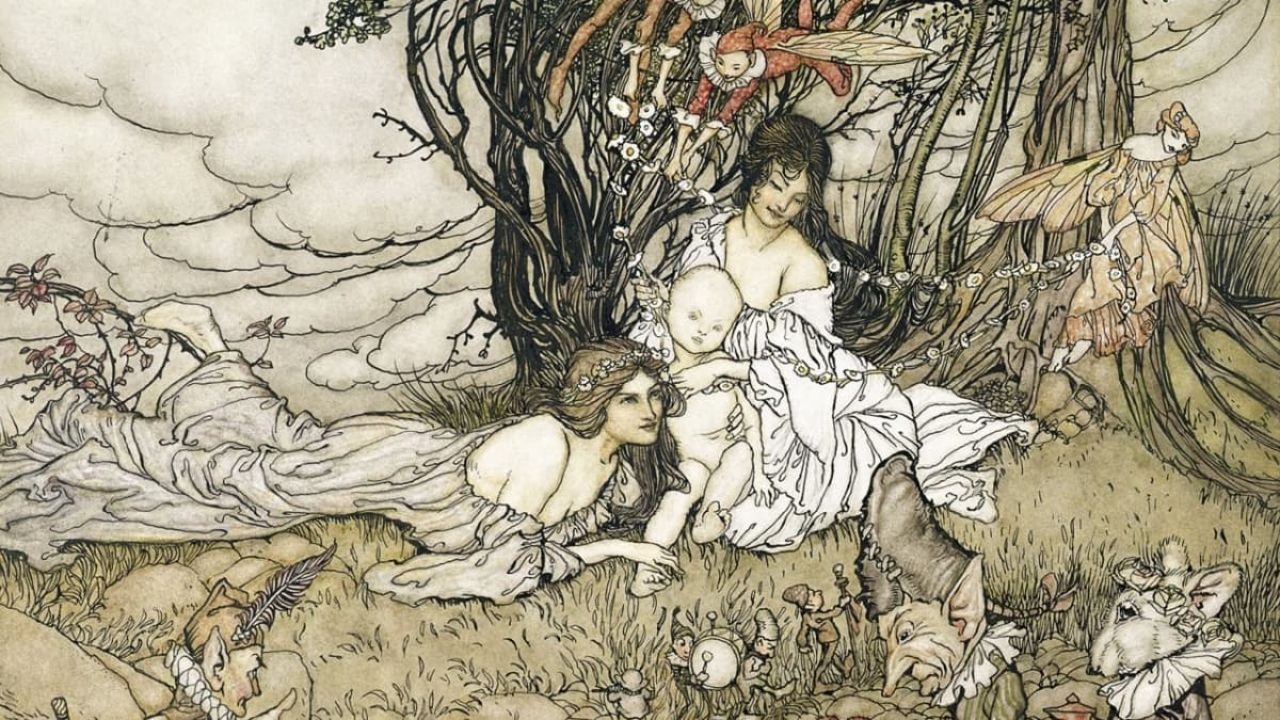
Other tales, such as those connected to the haunting landscapes of the Legend of the Fairy Glen, remind us that heroism involves humility before mystery. Immortality flows from alignment with the sacred, not domination over it.
The Celtic hero learns from the unseen.
Clan Memory and Heroic Lineage
Heroism in Celtic culture often intertwines with kinship. Clans preserved ancestral legends to affirm identity. Our discussion of How Many Scottish Clans illustrates how lineage shapes belonging.
An immortal hero might serve as a founding ancestor. His deeds define communal values. Courage, loyalty, and honor become inherited virtues.
Even material culture reflects heroic memory. Weapons such as the dirk, examined in What Is a Dirk Knife?, symbolize warrior heritage. Tartans, discussed in What Is Tartan?, visually encode clan identity. Through these symbols, the hero lives on.
Immortality here becomes collective rather than individual.

Music, Poetry, and the Eternal Hero
The Celtic hero survives most vividly in sound. Bards preserved deeds in song. Instruments such as the clarsach, explored in What Is a Clarsach?, accompanied tales of bravery and sacrifice.
The rhythmic pulse of the bodhrán, detailed in The Bodhrán Drum, echoes the heartbeat of battle and celebration alike. Meanwhile, Fiddle Music carries emotional resonance across centuries.
Music grants heroes a different kind of immortality. It allows each generation to reinterpret their courage. Through performance, legend breathes.

Landscapes Where Heroes Endure
Celtic landscapes anchor heroic memory in physical space. Lochs, hills, and stone circles retain narrative weight. Consider the evocative terrain of Is Loch Lomond in the Highlands? or the dramatic coasts of the Isle of Mull.
Stories of monsters such as The Linton Worm remind us that heroes often defend communities from chaos. Even after victory, the landscape carries their imprint.
Sacred trees such as the oak, examined in Celtic Oak Tree, symbolize endurance. The hero, like the oak, withstands time.
Why Celtic Immortal Heroes Still Matter
Celtic legends of immortal heroes do more than entertain. They articulate moral frameworks. They affirm resilience in hardship, a theme visible even in historical reflections such as The Influence of the Irish Potato Famine.
Immortal heroes teach perseverance. They demonstrate that courage extends beyond battlefield triumph. It lives in community memory, ritual practice, and artistic expression.
In a modern context, these legends remind us that identity grows from narrative continuity. We inherit stories, reinterpret them, and carry them forward.
Conclusion
Celtic legends of immortal heroes reveal a worldview where death does not silence greatness. Heroes cross into Annwn, merge with landscape, echo in music, and endure in clan memory. Figures such as Lugh exemplify excellence that transcends mortality.
If you wish to explore more mythological reflections, visit our main archive at https://celtguide.com/blog/ and continue your journey through the living heritage of Celtic tradition.
The immortal hero does not merely survive in story. He survives in us, whenever we choose courage, loyalty, and wisdom.