Celtic Boar God Moccus: Power, Plenty, and Protection

Among the many deities of the Celtic world, Moccus stands apart for his raw physical symbolism. He appears not as a distant sky god or subtle trickster, but as a figure rooted in the forest floor. The boar, his sacred animal, embodied strength, abundance, and fearlessness. For Celtic communities, these traits ensured survival.
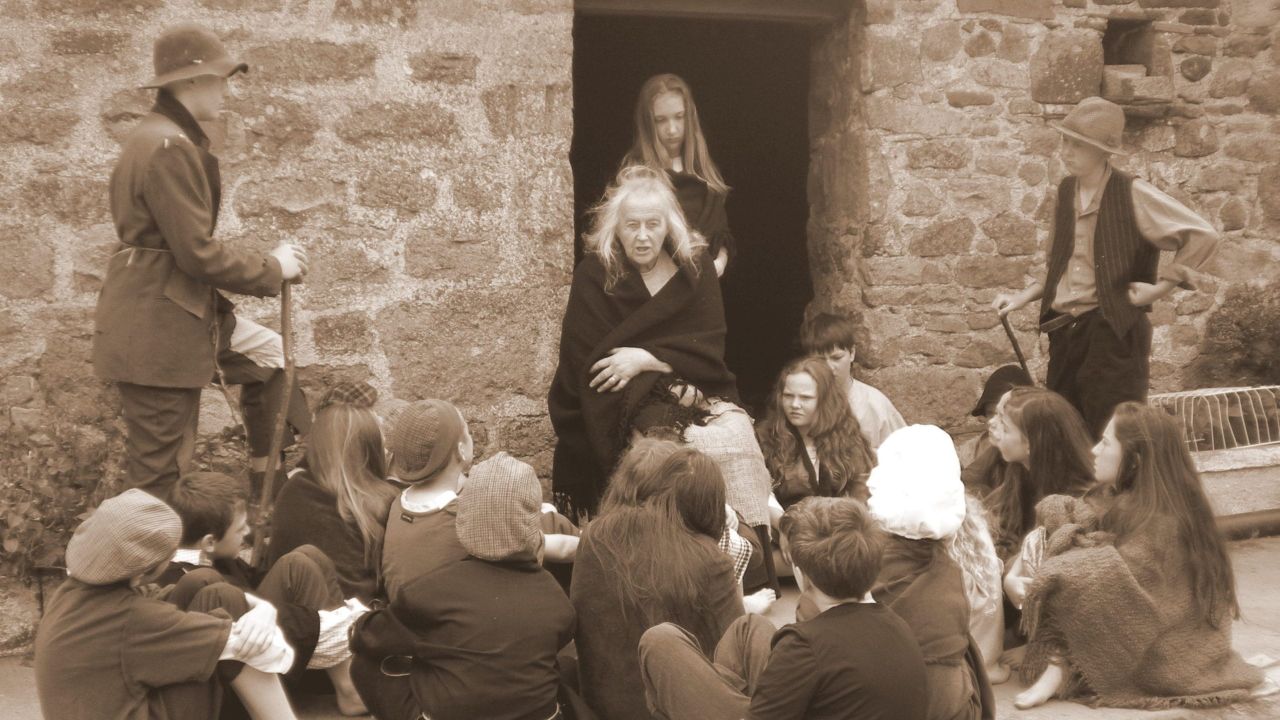
Moccus reminds us that Celtic religion grew from daily realities. Hunting, fertility, and land stewardship mattered as much as myth. Storytelling preserved these values, a tradition explored further in why Irish people are natural storytellers.
Who Was the Celtic God Moccus?
Moccus emerges primarily in Gaulish inscriptions and Romano-Celtic contexts. His name likely derives from the Proto-Celtic word for “pig” or “boar.” This connection immediately signals his role. The boar symbolized untamed vitality and relentless courage.
Rather than ruling from afar, Moccus represented life at ground level. He governed the forces that sustained communities: food supply, animal fertility, and protective strength. His worship likely blended seamlessly with local practices rather than formal temples.
The Boar in Celtic Symbolism
The boar held immense importance across the Celtic world. Warriors admired its fearlessness. Hunters respected its intelligence. Farmers valued its link to abundance.
Boars appear repeatedly in Celtic art and metalwork, often carved into stone or engraved on weapons. These symbols echo themes found in Celtic stone carvings, where animals serve as spiritual guides rather than decoration.
Moccus did not merely command the boar. He embodied its spirit.
Moccus, Fertility, and Prosperity
Celtic religion rarely separated strength from nourishment. Moccus governed both. Communities likely invoked him before hunts and during agricultural cycles. The boar’s ability to thrive in harsh conditions made it an ideal emblem of resilience.
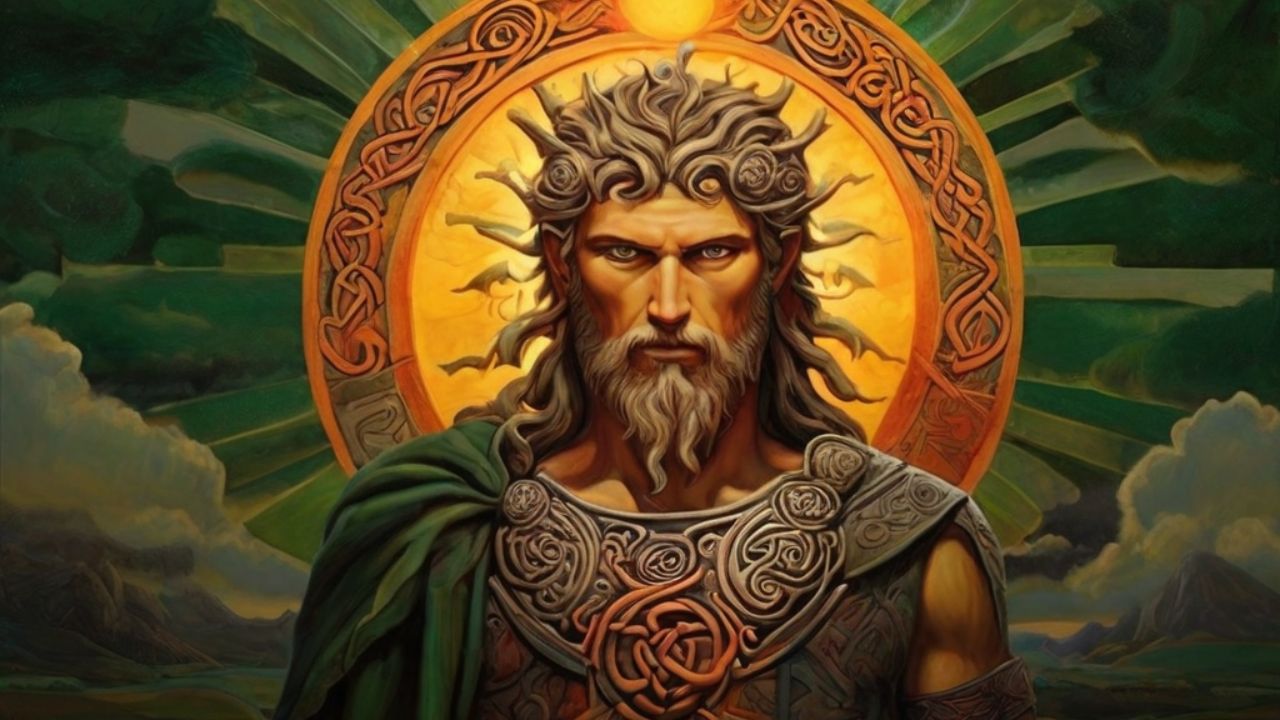
This role places Moccus alongside other Celtic deities linked to balance and renewal, such as the Celtic sun god Lugh. Both figures reinforced harmony between human action and natural rhythm.

Ritual, Offerings, and Sacred Landscapes
Although written records remain limited, archaeology suggests that worship of Moccus occurred in forests, groves, and rural shrines. These liminal spaces carried spiritual weight. Offerings likely included food, carved tokens, and animal imagery rather than monumental architecture.
This pattern aligns with broader Celtic practices tied to sacred landforms and natural sites, such as those discussed in Irish holy wells.
Ritual focused on continuity, not spectacle.
Music, Memory, and Oral Tradition
Like most Celtic deities, Moccus lived through spoken tradition. Music supported memory. The clàrsach often accompanied ceremonial storytelling, reinforcing lineage and belief (what is a clàrsach).
Drums such as the bodhrán added rhythm and communal participation (the bodhrán drum). Through sound, stories of Moccus remained active rather than archived.

Moccus in the Wider Celtic Mythic World
Moccus belongs to a tradition where gods reflect lived experience. He complements deities associated with the Otherworld, such as those connected to Annwn. Together, they illustrate a worldview that honored both the visible and unseen.
This balance defined Celtic spirituality. Power required responsibility. Strength demanded respect for life.
Why Moccus Still Matters
Moccus speaks to modern concerns more than we might expect. He reminds us that survival depends on respecting natural systems. Strength without balance leads to collapse.
By studying figures like Moccus, we gain insight into how ancient communities understood sustainability long before the word existed.