
Burns Night Celebrations: Traditions, History & Culture
Burns Night is more than a winter gathering. It is a living conversation between Scotland’s past and present. Every year on 25 January, people across Scotland and far beyond its borders—raise a glass to Robert Burns, the national poet whose words still stir hearts after more than two centuries.
In this guide, we explore the traditions, the food, the ceremony, and the spirit that make Burns Night a cornerstone of Scottish identity. Along the way, we reference several related cultural pieces on CeltGuide, so you can explore Scotland’s world of storytelling, tartan, music, and folklore in richer depth.
What Is Burns Night?
Burns Night began in 1801 when a small group of Robert Burns’ friends gathered to honour his life and poetry. Their simple memorial meal grew into a national tradition. Today, Scots celebrate with poetry recitations, hearty meals, whisky toasts, and a warm sense of cultural belonging.
This deep connection to storytelling echoes themes discussed in Why Are Irish People Natural Storytellers?. Celtic communities, whether Scottish or Irish, hold an enduring love for narrative and song.
The Ritual of the Burns Supper
A Burns Supper follows a traditional sequence. While many hosts add their personal touch, the structure remains familiar and comforting.
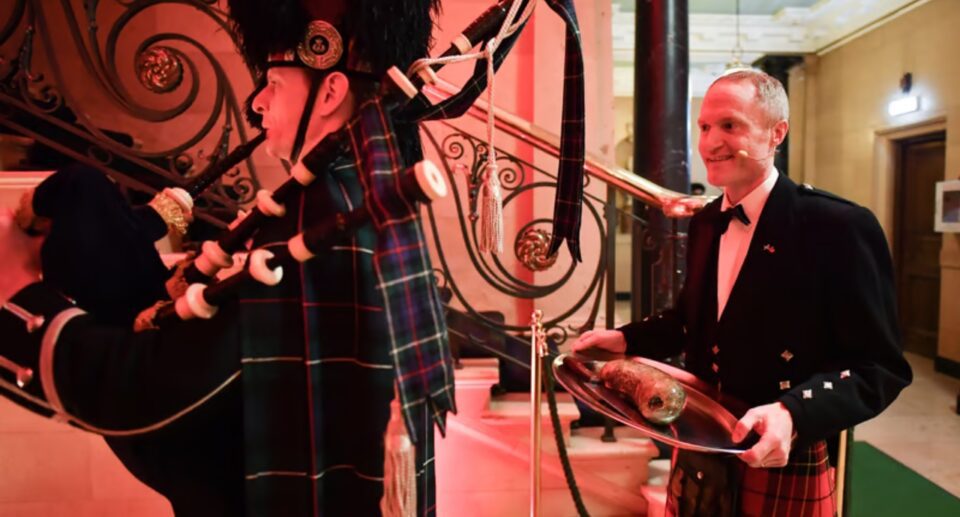
1. Piping in the Guests
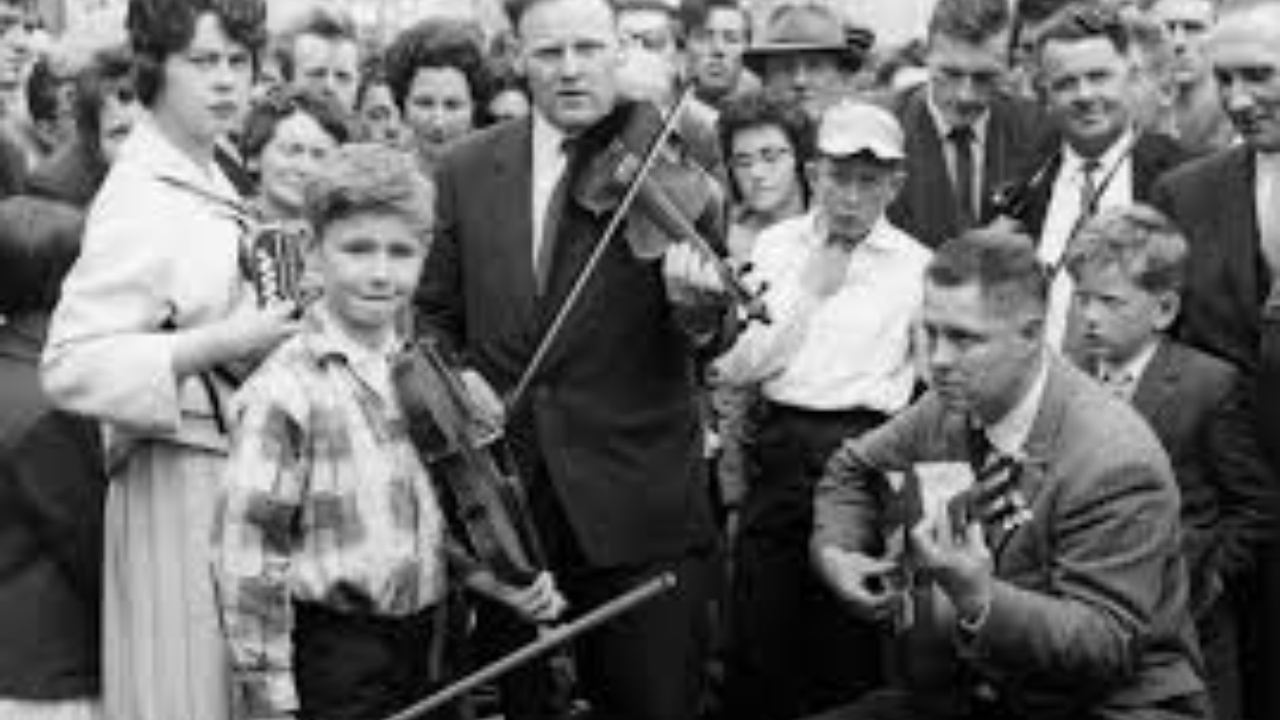
A piper welcomes guests as they arrive. This use of lively traditional music connects well with the cultural rhythms explored in Ceili Bands and Fiddle Music.
2. The Selkirk Grace
The meal begins with a short prayer attributed to Burns. It sets a humble, thankful tone for the evening.
3. Piping in the Haggis
This moment is the heart of the celebration. As the haggis arrives, the piper plays, and the host recites Burns’ famous poem “Address to a Haggis.”
4. The Meal: A Taste of Scotland
A Burns Supper usually includes:
- Haggis
- Neeps (turnips)
- Tatties (potatoes)
- Cranachan for dessert
- And, of course, a wee dram of whisky
Food anchors Scottish identity, much like the powerful historical forces explored in The Influence of the Irish Potato Famine.
5. Toasts, Poetry, and Laughter
Burns Night blends humor, intelligence, and poetic flair.
- The Immortal Memory praises Burns’ life.
- The Toast to the Lassies offers playful commentary.
- The Reply balances the humour.
These exchanges feel similar to the spirited wit found in Gaelic Irish Proverbs.
Why Scotland Still Celebrates Burns Night
Burns Night endures because it celebrates values Scots hold dear:
- Community
- Humour
- Love of poetry
- Cultural pride
- Music and storytelling
For many, the celebration is also a comforting winter ritual. It brings people together during the coldest, darkest weeks of the year.
This blend of resilience and cultural pride aligns with Scotland’s long traditions of identity-making, explored in pieces like What Is Tartan? and
How Long Has the Tartan Print Been Around?.
Tartan, Tradition, and Burns Night
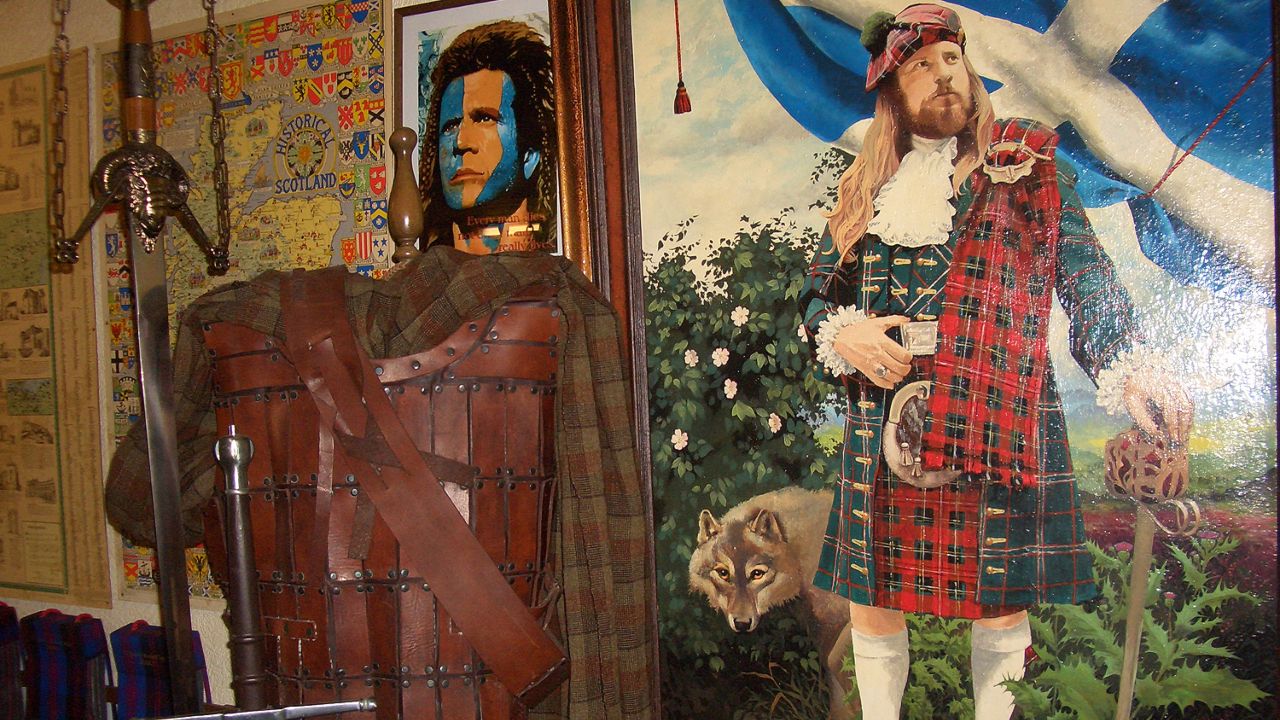
Many attendees wear tartan—kilts, sashes, shawls, or even the classic Tam O’Shanter, which also has its own entry on CeltGuide here: Tam O’Shanter Hat.
If your readers want more guidance on tartan styles, refer them to:
These internal links help readers explore Scotland’s clothing traditions in depth.

Music and Poetry: The Heartbeat of the Evening
Burns Night feels incomplete without songs like “Auld Lang Syne” or “My Love Is Like a Red, Red Rose.”
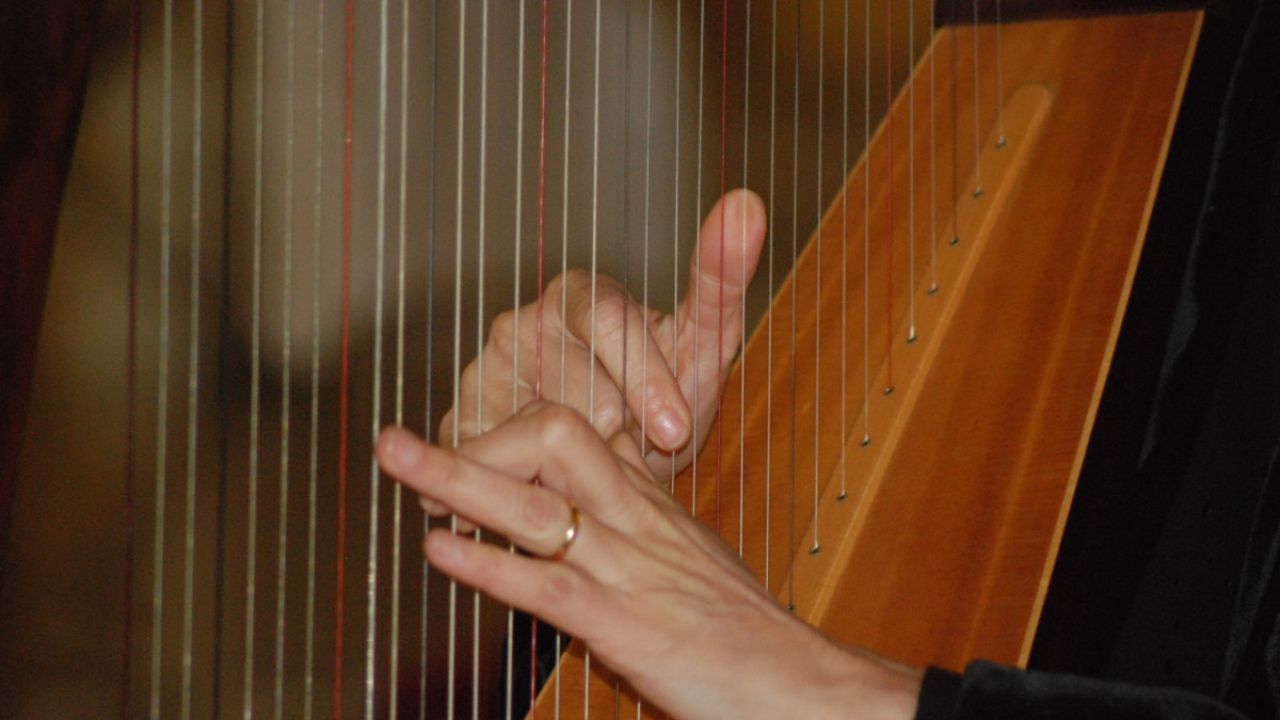
The musical soul of Scotland connects beautifully with earlier explorations of Celtic instruments such as the Bodhrán Drum and the Clarsach Harp.
Burns Night Around the World
From Canada to New Zealand, from student halls to stately homes, Burns Night crosses borders. Many people even without Scottish roots, feel drawn to its warmth, wit, and humanity.
This global celebration shows how Celtic culture travels far beyond Scotland, much like the mythic journeys explored in
What Is Annwn? or the folklore of Selkies.
A Tradition That Still Matters
Burns Night survives because it blends humour, poetry, tradition, and genuine emotion. It revels in the simple joy of gathering together, raising a glass, and celebrating the beauty of language and community.
If you want to explore more Celtic customs, you can always browse our full collection here:
👉 CeltGuide Blog
Final Thoughts
Burns Night remains one of Scotland’s most cherished traditions. It honours a poet, celebrates a culture, and brings people together in the darkest weeks of winter. Whether you attend a formal supper or host a casual gathering at home, you join a centuries-long conversation between Scotland’s past and present.