Battle of Mons Graupius: Rome and the Lost Battlefield
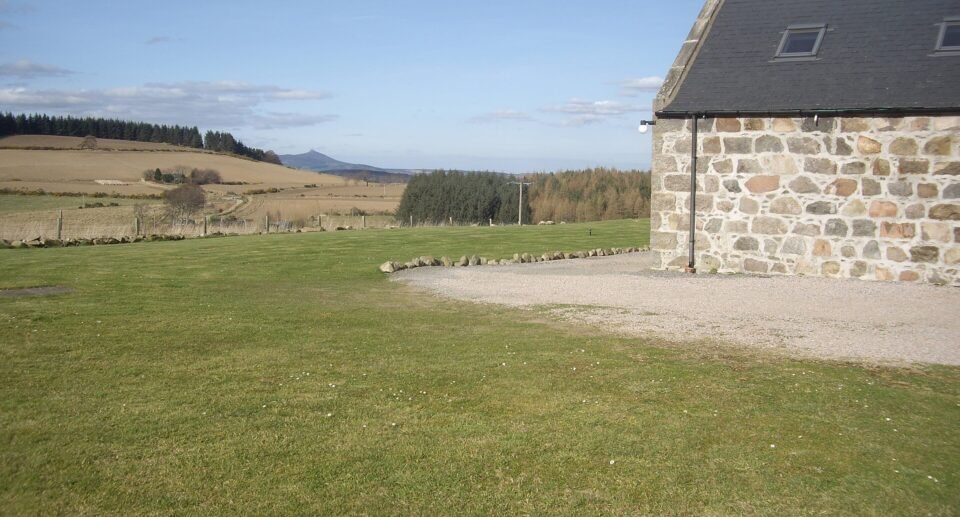
Mons Graupius was a Roman victory over a coalition of peoples in northern Britain, usually dated to about AD 83 or 84. The Roman governor Agricola led the army; the only detailed narrative comes from his son-in-law Tacitus. Its battlefield has never been securely identified. Those two facts belong together: the battle is important evidence for Rome’s campaigns in what is now Scotland, but a vivid ancient account is not the same as a mapped, independently confirmed event.
Why did Agricola campaign in the north?
Roman armies pushed beyond the frontier of southern Britain during Agricola’s governorship. They built forts and temporary camps and moved through central and northern Scotland. The region contained distinct communities, not a united modern Scotland. Tacitus calls the people opposing Agricola Caledonians, but his Roman perspective groups them for the purposes of his story. National Museums Scotland’s history of Roman Scotland sets the campaigns alongside the material evidence left by the army.
According to Tacitus, opposing forces assembled at a place he names Mons Graupius. He presents a leader, Calgacus, addressing the Britons before battle. The speech is famous for its criticism of empire, but ancient historians commonly composed speeches to express arguments; we cannot treat it as a transcript. Tacitus wrote a biography praising his father-in-law. His work is indispensable and interested at the same time.
What does Tacitus say happened?
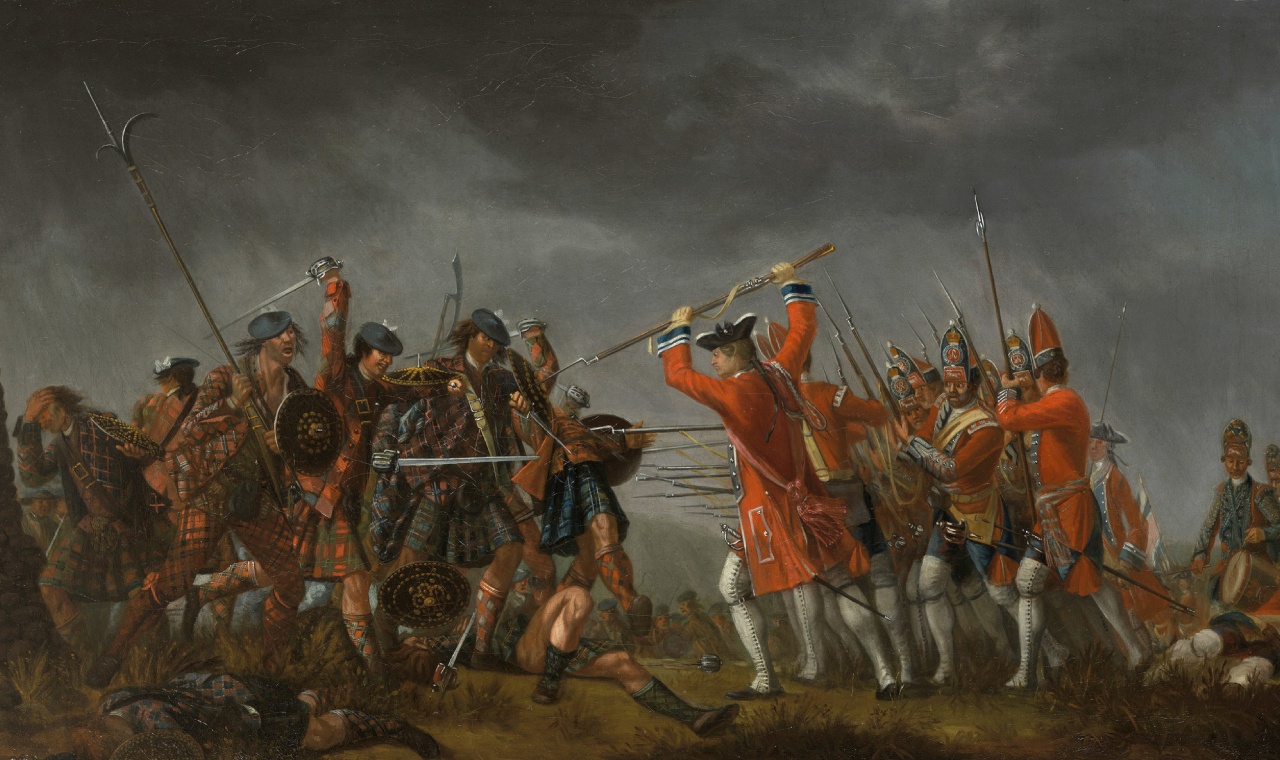
In the Agricola, chapters 29–38, Roman auxiliary infantry engaged the opposing line while legions remained in reserve. Cavalry action and pressure on the flanks helped decide the fighting. Tacitus reports very large losses among the Britons and few Roman dead. The figures cannot be independently verified, and his account is structured to celebrate Agricola’s skill. It still gives us a rare ancient description of the tactics and the way Romans explained a northern campaign.
Victory did not mean permanent conquest of all northern Britain. Roman occupation and withdrawal changed over the following decades, and later emperors mounted campaigns of their own. The forts, roads, inscriptions and objects studied by archaeologists give a broader picture than one day of fighting. Scottish crannog settlements offer another perspective on how physical traces illuminate life beyond written accounts. They show soldiers drawn from across the empire and relationships with local communities that included exchange as well as conflict.
Where was Mons Graupius?
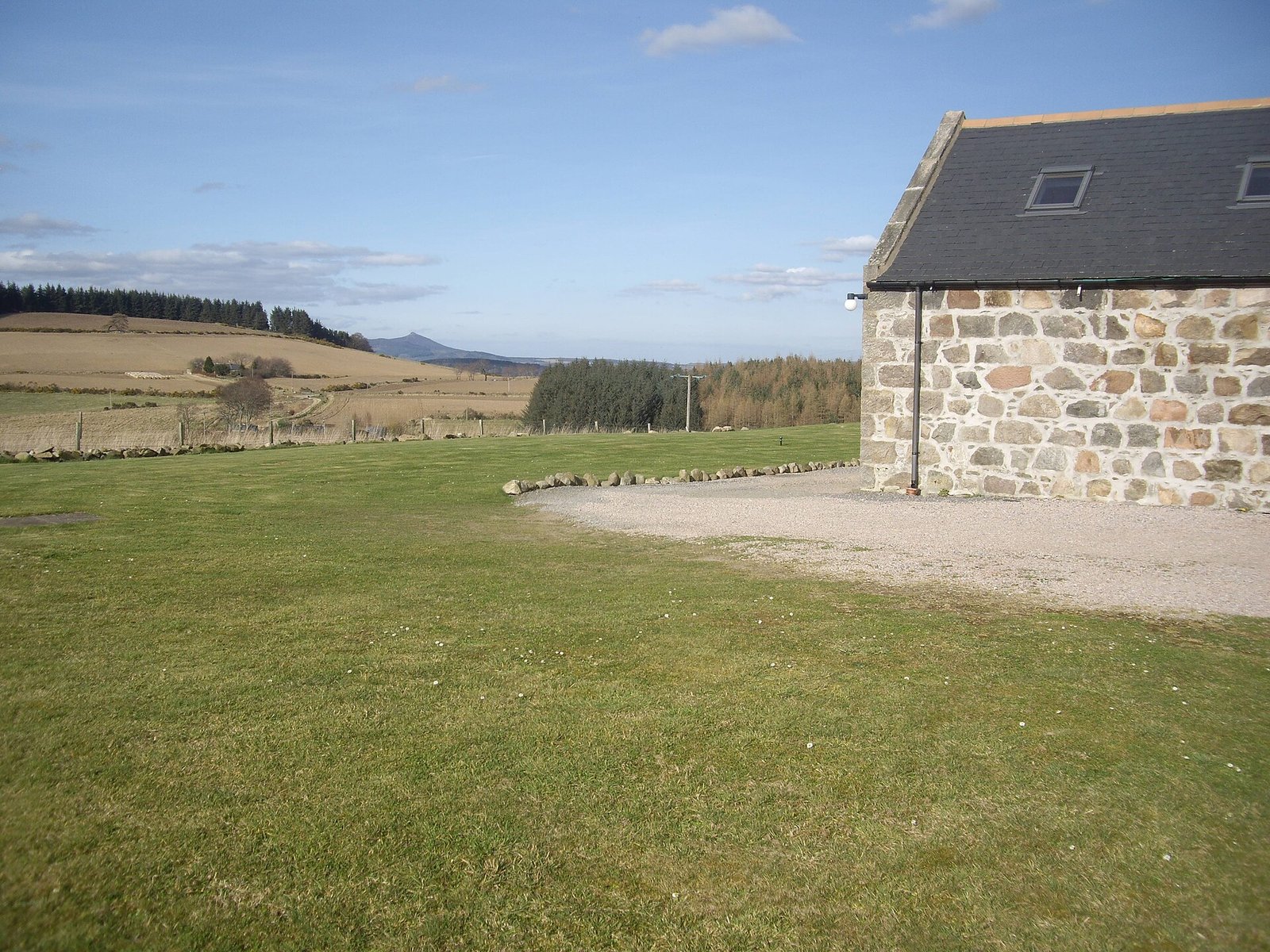
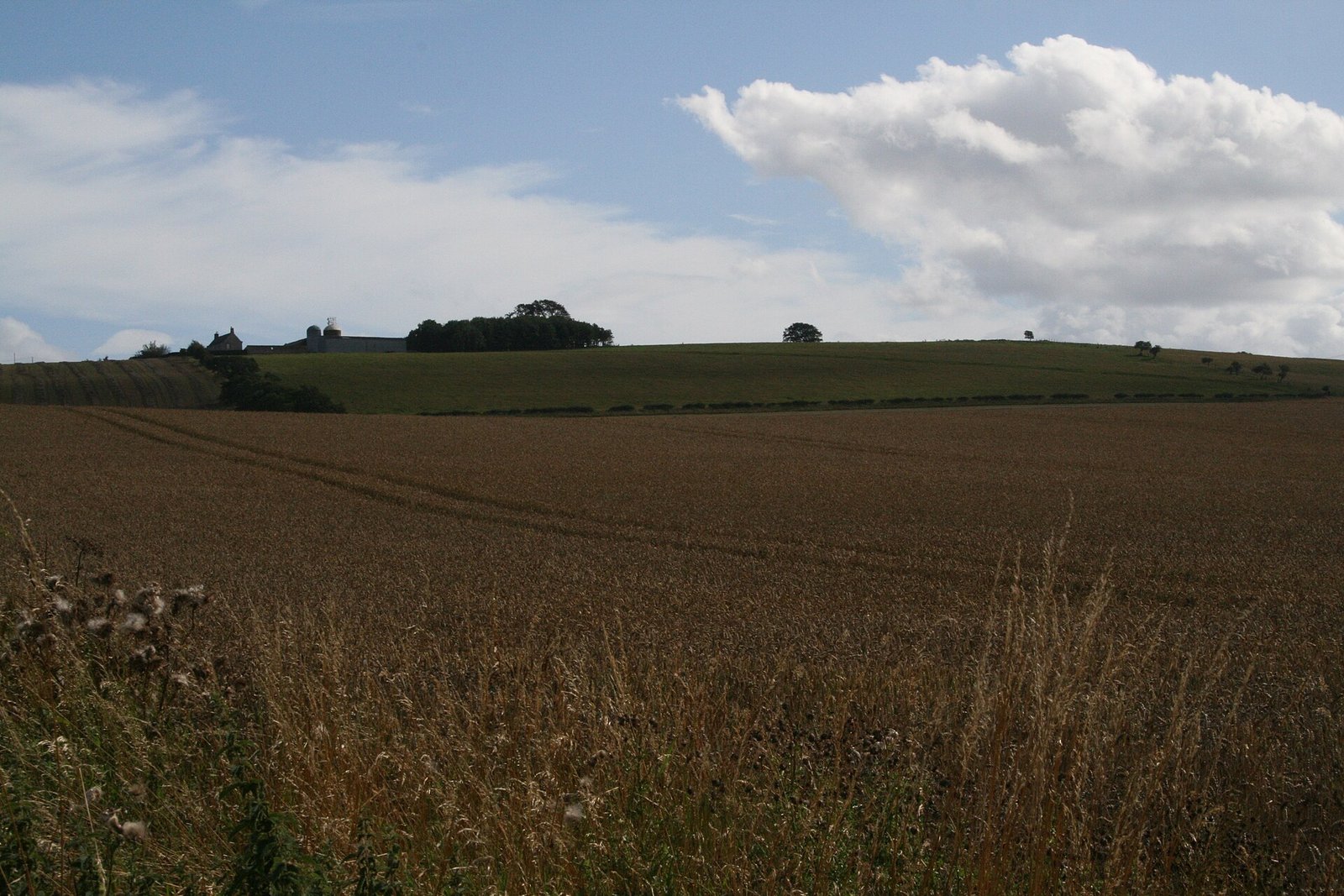
No battlefield find has settled the question. Bennachie in Aberdeenshire is a prominent candidate because of the large Roman temporary camp at nearby Durno. Historic Environment Scotland describes the association while noting that no field evidence for the battle has been found there. Other sites have been proposed. A camp proves Roman activity at a location; it does not by itself prove that Tacitus’s battle was fought beside it.
That uncertainty makes the story more interesting, not less. Tacitus provides a narrative with names, speeches and a claimed decisive result; archaeology provides traces of movement and occupation without a labelled battlefield. Responsible history lets the two kinds of evidence test each other. It does not fill the gap with a confidently drawn map.
Questions readers often ask
Did the Romans fight the Picts at Mons Graupius? Tacitus describes Britons or Caledonians. “Picts” belongs to later Roman writing and is best avoided as a precise label for the army in Agricola’s time.
Was Calgacus a real person? Tacitus names him, but independent evidence for his life is lacking. His speech cannot be read as his exact words.
Is Bennachie the battlefield? It is a plausible proposal associated with nearby Roman remains, not an established identification.
Reading the battle today
Mons Graupius is a meeting point between text and landscape. Its value is not a certainty that the evidence cannot supply. It helps us ask how Rome described conquest, what people in northern Britain faced, and how far archaeological traces can take us beyond an eloquent Roman author’s version of events.
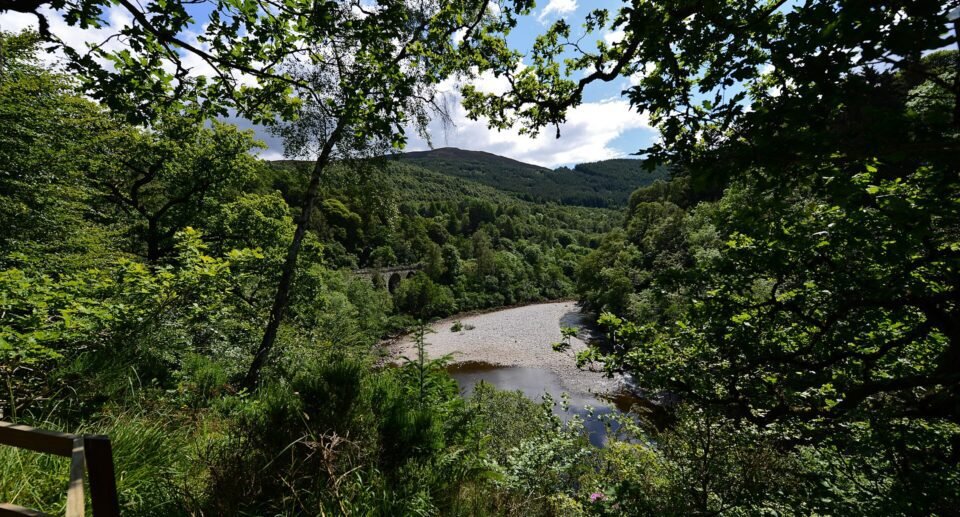
Featured photograph: Stanley Howe / Wikimedia Commons, CC BY-SA 2.0. The site may crop it for the featured display.