The MacNab Clan Legends: Myth, Memory, and Highland Identity
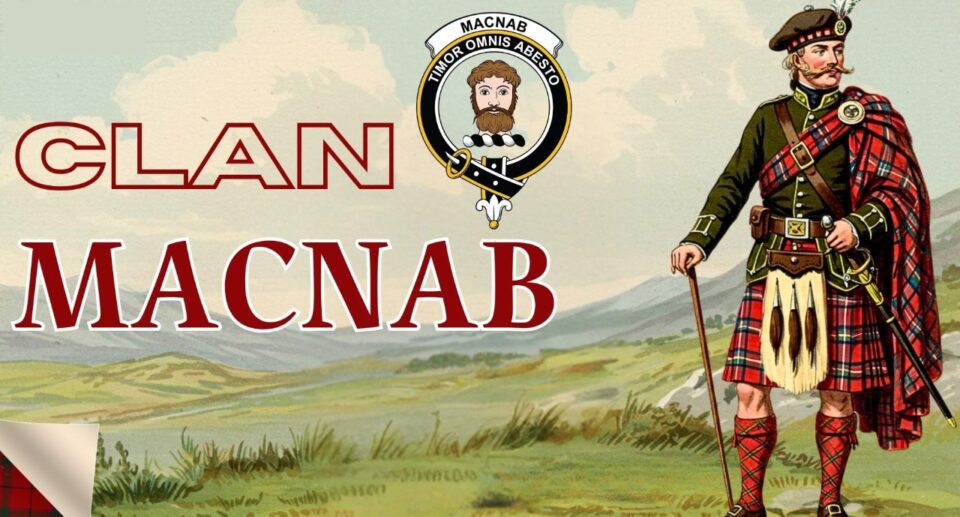
Clan MacNab occupies a fascinating space where history and legend meet. Rooted in the central Highlands of Scotland, the clan’s identity reflects a rich interplay of myth, loyalty, and cultural memory. Unlike purely historical narratives, MacNab traditions thrive through storytelling. These stories preserve not only events but also values; honour, kinship, and resilience.
If you are new to Scottish clan structures, this guide on Scottish clans offers a helpful foundation.
Origins of Clan MacNab
The name MacNab comes from the Gaelic “Mac An Aba,” meaning “son of the abbot.” This origin suggests an early ecclesiastical connection, which distinguishes the clan from purely warrior-based lineages.
Clan MacNab held lands near Killin, close to Loch Tay, placing them at a strategic cultural crossroads in the Highlands. This region allowed the clan to interact with both religious and martial traditions. Over time, these influences blended into a unique identity that shaped its legends.

Legendary Identity and Oral Tradition
MacNab legends survive largely through oral tradition. Stories passed from generation to generation carry emotional truth, even when historical accuracy remains uncertain. These narratives often highlight bravery, cleverness, and moral lessons.
To understand this cultural practice more deeply, explore Irish storytelling traditions. Although Irish and Scottish traditions differ, both rely on storytelling as a vessel of identity.
The Famous MacNab “Proof of Chief” Legend
One of the most compelling MacNab legends tells of a bold test of leadership. According to tradition, a prospective clan chief had to prove his worth by performing a daring act, often described as stealing livestock from a rival clan under the cover of darkness.

In the MacNab version, the challenger successfully carried out the raid, demonstrating courage and cunning. This story reflects a broader Highland value system, where leadership required both bravery and resourcefulness.
Symbolism in MacNab Culture
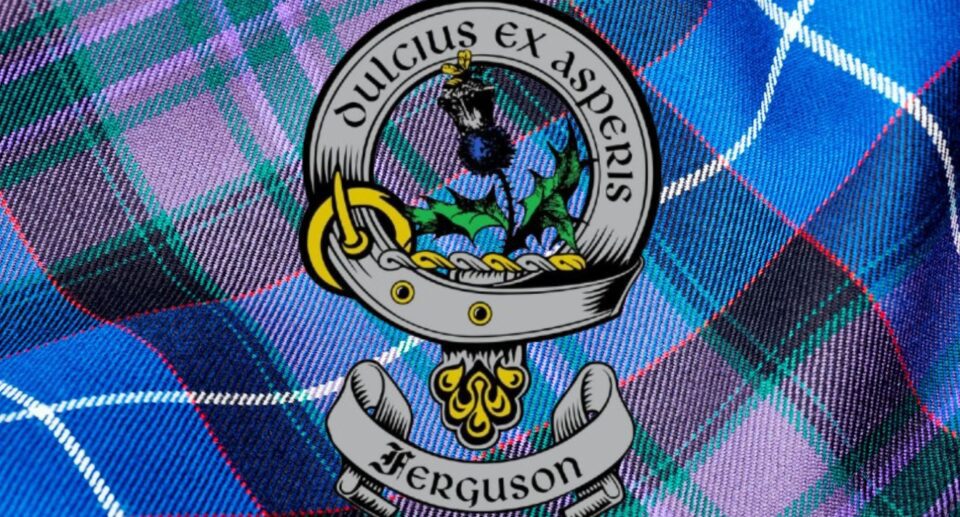
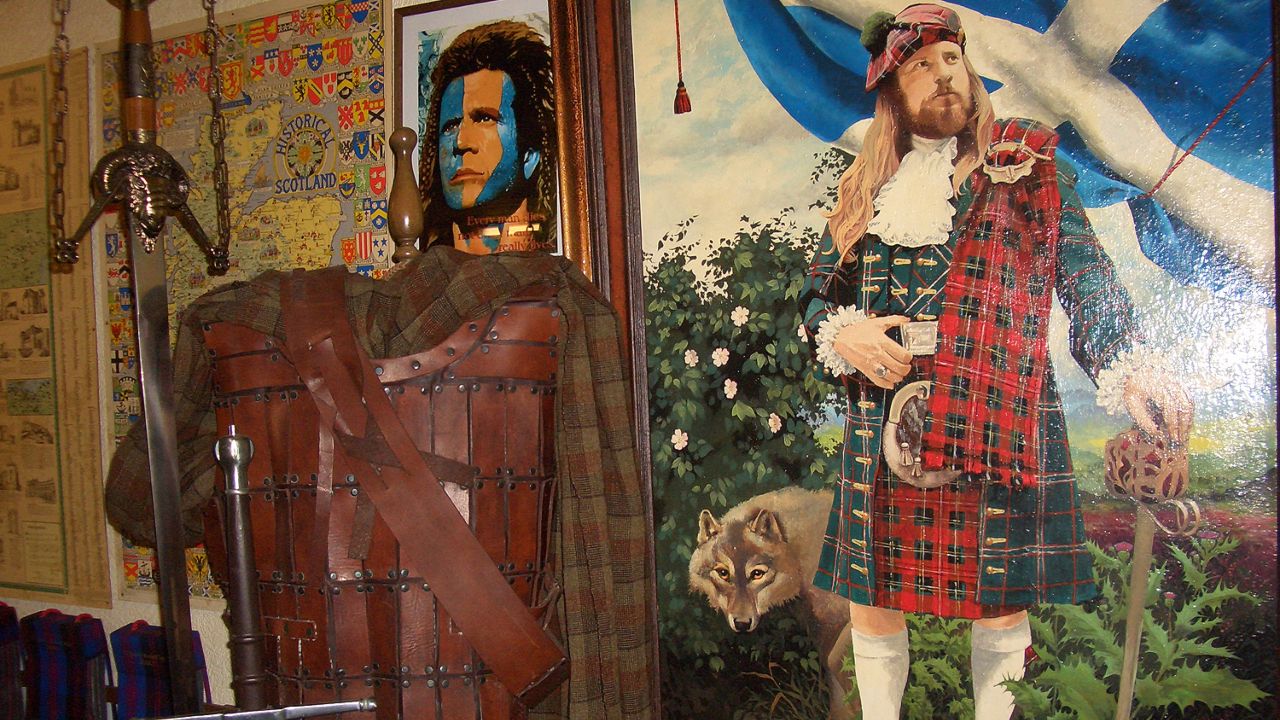
Clan symbols reinforce identity. Tartan, crests, and traditional dress act as visual narratives of belonging.
For a deeper understanding of tartan and its evolution, see What is tartan and history of tartan prints.
These elements do more than decorate. They encode lineage and memory, linking modern descendants to ancestral stories.
Weapons, Conflict, and Legend

Though MacNab legends focus more on narrative than warfare, conflict still shapes many tales. Weapons such as the dirk symbolise readiness and honour. You can learn more about this iconic blade in What is a dirk knife.
In storytelling, weapons often carry symbolic meaning. They represent not just violence, but protection, duty, and identity.
Spiritual and Mythological Influences
MacNab legends also reflect broader Celtic mythology. References to sacred landscapes, ancient spirits, and divine forces appear frequently. These elements connect the clan’s stories to a wider mythological framework.
For instance, Celtic belief systems often centre around sacred trees and deities. You can explore this further through Celtic oak tree symbolism and Celtic god Lugh.
Such connections enrich MacNab narratives, placing them within a timeless spiritual landscape.
Modern Legacy of MacNab Legends
Today, MacNab legends continue to inspire cultural pride. Clan gatherings and Highland Games celebrate these stories, transforming them into shared experiences.
If you wish to explore these events, visit Highland Games events.

Modern descendants engage with their heritage not through conflict, but through storytelling, music, and tradition.
Conclusion
The legends of Clan MacNab reveal a deeper truth about Scottish heritage. History alone cannot sustain identity. Stories must carry it forward. Through myth and memory, the MacNabs preserved their place in the cultural imagination of the Highlands.
These legends remind us that the past lives not only in archives, but also in voices, symbols, and shared narratives. In that sense, Clan MacNab stands as a testament to the enduring power of storytelling.
FAQs: The MacNab Clan Legends
1. What does the name MacNab mean?
The name MacNab comes from the Gaelic “Mac An Aba,” meaning “son of the abbot,” indicating early ties to religious leadership in Scotland.
2. What is the most famous MacNab legend?
The most famous legend involves a “proof of chief,” where a leader had to prove bravery by completing a daring cattle raid on a rival clan.
3. Where did Clan MacNab originate?
Clan MacNab originated in the central Highlands of Scotland, particularly around Killin and Loch Tay.
4. How were MacNab legends preserved?
MacNab legends were passed down through oral storytelling, keeping history, values, and cultural identity alive across generations.
5. Why are MacNab legends important today?
These legends help preserve Scottish heritage, strengthen clan identity, and connect modern descendants to their ancestral roots.