The Kelpies of Scottish Folklore: Between Beauty and Danger
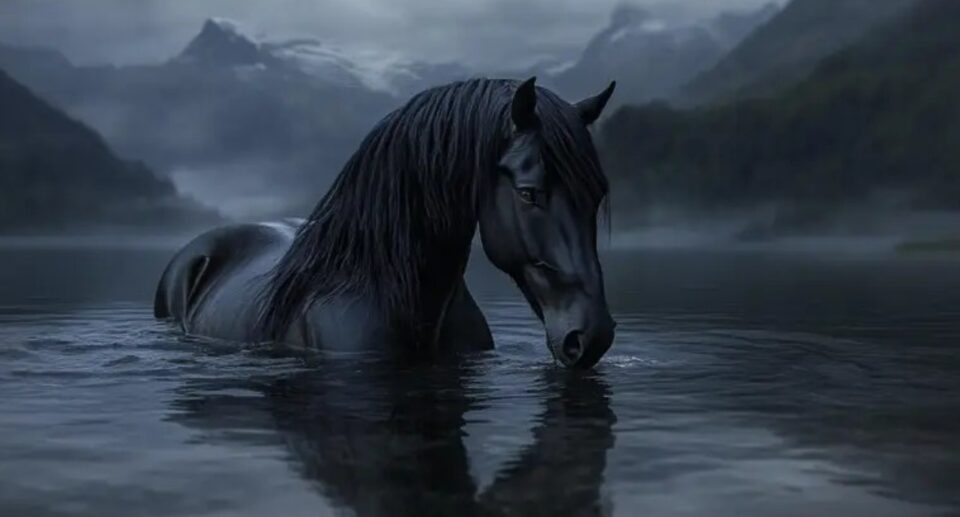
Scottish folklore does not simply entertain; it instructs, cautions, and preserves memory. Among its most compelling figures stands the Kelpie, a shape-shifting water spirit that blends allure with lethal intent. Found in the lochs and rivers of Scotland, the Kelpie reflects a deep cultural understanding of nature’s unpredictability.
This myth has endured because it speaks to something timeless. It warns against blind trust and reminds us that danger often wears a beautiful face.
What Is a Kelpie?
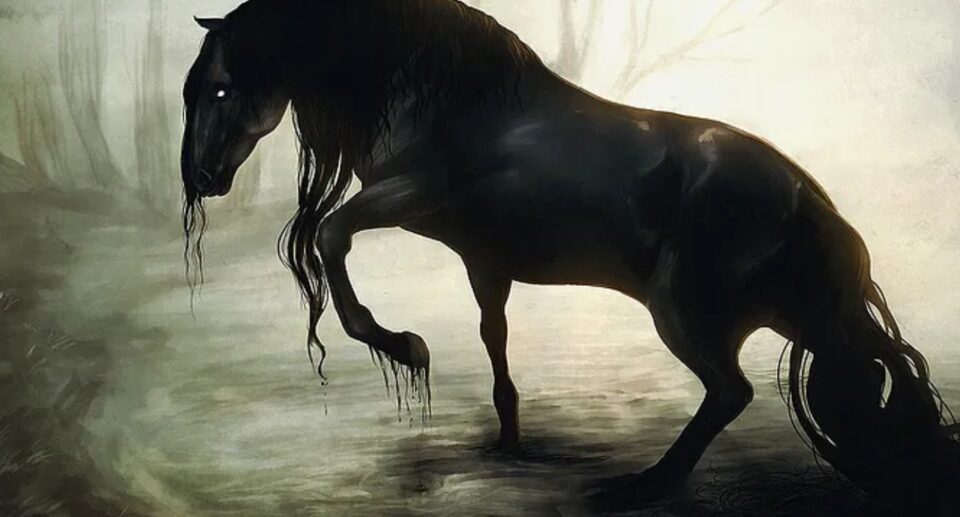
A Kelpie is a supernatural water spirit in Scottish folklore. It usually appears as a powerful horse near rivers or lochs. In some stories, it transforms into a human.
Its purpose remains consistent. The Kelpie lures unsuspecting victims onto its back, traps them, and drags them into the depths. Few escape once contact is made.
Origins of the Kelpie Legend
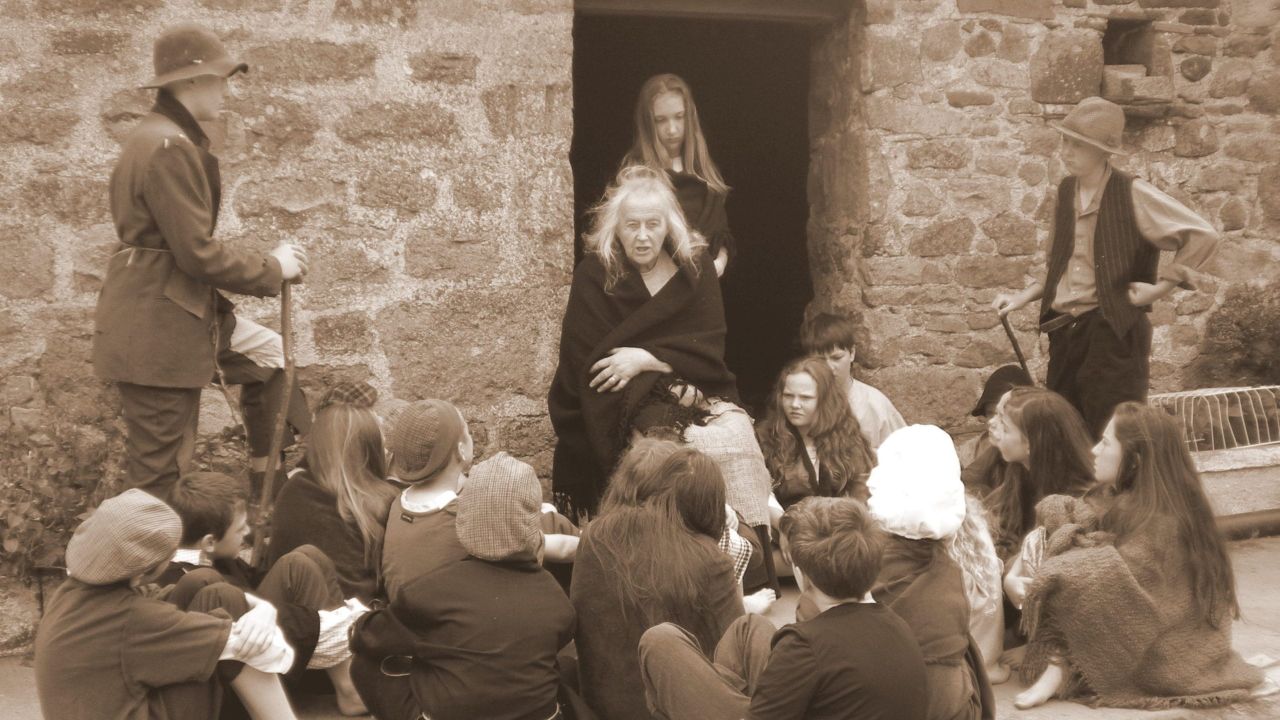
The Kelpie emerges from Scotland’s rich oral tradition. Rural communities shaped these stories over generations. They passed them down to teach awareness and survival.
Storytelling held a central place in Celtic life. It preserved both history and practical knowledge. You can explore this cultural trait further in
https://celtguide.com/why-are-irish-people-natural-storytellers/
These stories did more than entertain. They warned people, especially children, about the real dangers of deep and fast-moving water.
Appearance and Shape-Shifting Power
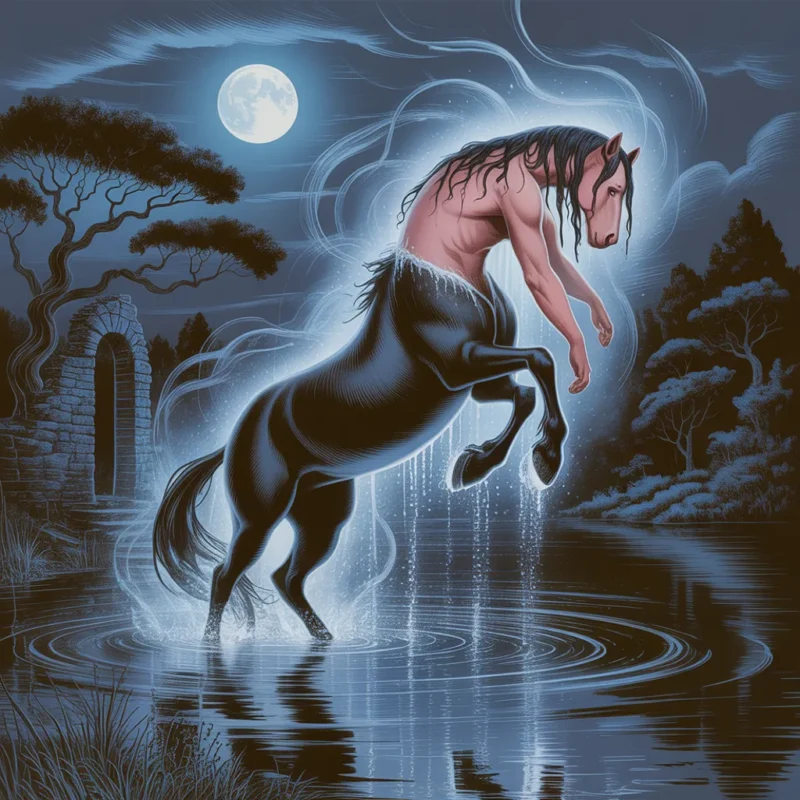
The Kelpie rarely stays in one form.
Common Forms:
- A dark, muscular horse with wet, gleaming skin
- A charming young man near a riverbank
- A terrifying creature revealed too late
Its enchanted skin acts as a trap. Once someone touches the Kelpie, they cannot let go. This detail adds a sense of inevitability to the myth.
Behavior and Deception
The Kelpie relies on deception rather than force.
It waits quietly near water. It appears calm and inviting. Then it strikes when curiosity or trust takes over.
This behavior reflects a deeper message. The Kelpie represents temptation and misplaced trust. It reminds listeners to question what seems harmless.
You can find similar symbolic storytelling in https://celtguide.com/legend-of-the-fairy-glen/
The Kelpie and the Scottish Landscape
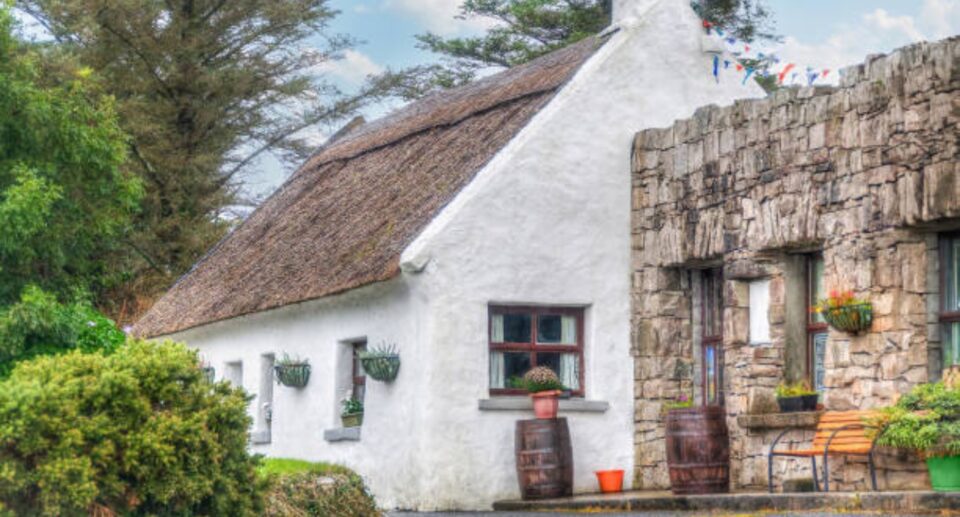
The Kelpie belongs to water. It inhabits lochs, rivers, and waterfalls. These environments shaped the legend itself.
Mist-covered waters, hidden depths, and sudden currents made these places dangerous. The Kelpie transformed these risks into a story people would remember.

One such iconic setting is explored in
https://celtguide.com/is-loch-lomond-in-the-highlands/
The landscape and the myth exist in dialogue. Each reinforces the other.
Kelpies vs Selkies: Key Differences
Scottish folklore includes many water spirits, but not all share the same nature.
Kelpies deceive and destroy. Selkies, by contrast, often feature in emotional and romantic tales. They shift from seal to human and live between two worlds.
Explore this contrast here:
https://celtguide.com/selkies-in-folklore/
This comparison shows the range and depth of Celtic mythology.
Cultural Role of the Kelpie
The Kelpie serves clear purposes within Scottish tradition:
A Warning for Children
Parents used the story to keep children away from dangerous waters.
A Moral Lesson
The myth teaches caution, patience, and critical thinking.
A Reflection of Nature
It emphasizes that nature demands respect.
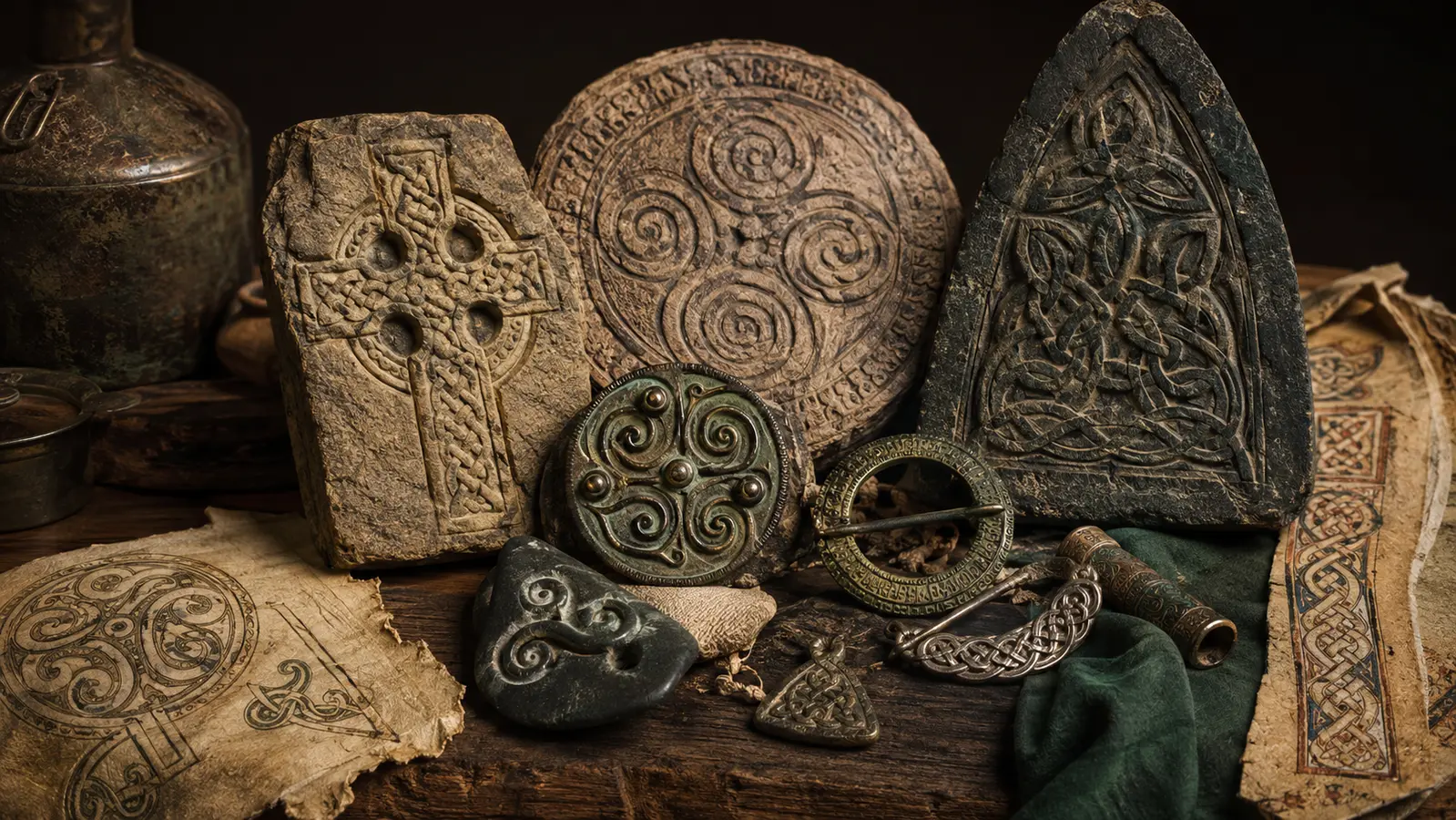
This layered storytelling also appears in cultural artifacts like
https://celtguide.com/celtic-stone-carvings/
Modern Interpretations of the Kelpie
The Kelpie has evolved beyond oral tradition. Today, it appears in art, literature, and public spaces.
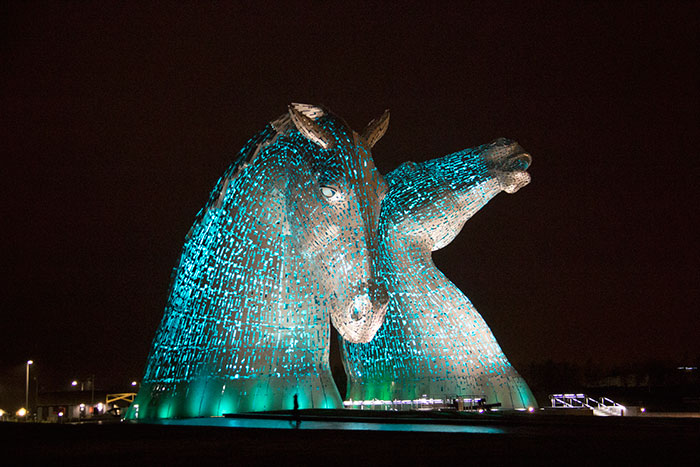
The most famous modern tribute is the massive horse-head sculptures in Scotland known as “The Kelpies.” These structures celebrate heritage while reimagining the myth.
They shift the narrative from fear to identity and strength.
Why the Kelpie Still Matters Today
The Kelpie remains relevant because its message feels universal.
Modern dangers may differ, but the lesson stays the same. Not everything that appears safe truly is. Awareness and caution remain essential.
The Kelpie continues to speak across generations because it reflects human experience so clearly.
Conclusion
The Kelpie is more than a myth. It is a cultural mirror.
Kelpies reflects how Scottish communities understood risk, nature, and human behavior. It transforms real dangers into memorable stories. Most importantly, it keeps the past alive in the present.
To explore more Celtic myths and traditions, visit:
https://celtguide.com/blog/
Frequently Asked Questions (FAQs)
What is a Kelpie in Scottish folklore?
A Kelpie is a shape-shifting water spirit that appears as a horse or human and lures people into rivers or lochs.
Are Kelpies dangerous?
Yes, Kelpies are considered dangerous creatures. They deceive victims and drag them underwater.
Can a Kelpie turn into a human?
Yes, many stories describe Kelpies transforming into attractive humans to trick people.
What do Kelpies symbolize?
Kelpies symbolize hidden danger, temptation, and the unpredictable power of nature.
How are Kelpies different from Selkies?
Kelpies are harmful tricksters, while Selkies often appear in romantic or tragic stories. Learn more:
https://celtguide.com/selkies-in-folklore/