Celtic Interlacing Patterns: Threads Without End
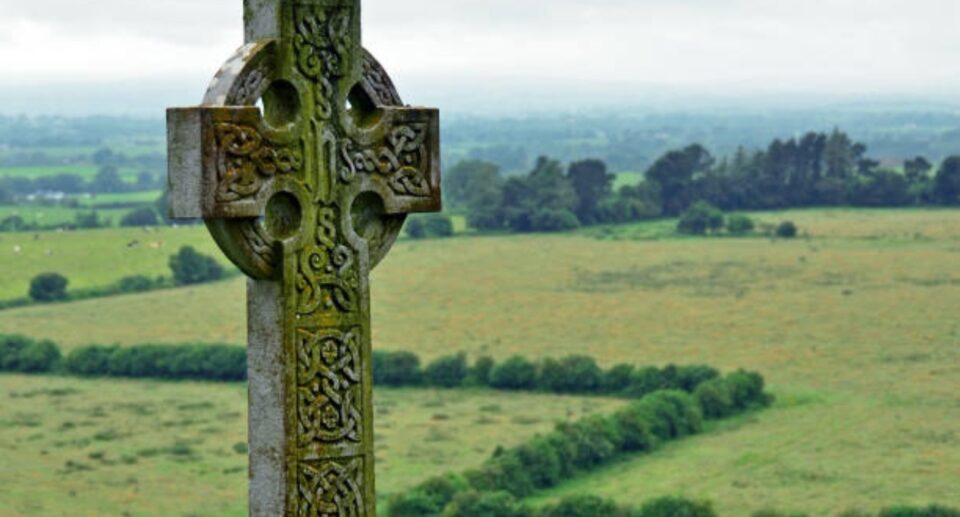
Celtic interlacing patterns captivate the eye with their endless rhythm. Lines twist, cross, return, and continue without visible beginning or end. At first glance, they appear decorative. Look closer, and you discover philosophy rendered in line.
These patterns do not merely embellish manuscripts or stones. They encode continuity, faith, and cosmology. They reveal how Celtic artists imagined time and eternity. If you are exploring Celtic heritage more broadly, begin with our main hub at https://celtguide.com/blog/ and trace how art, language, and myth intersect across centuries.
What Are Celtic Interlacing Patterns?
Celtic interlacing patterns, often called knotwork, consist of continuous lines woven over and under one another. The design avoids loose ends. The strand always returns.
Artists developed this visual language most famously in early medieval Ireland and Scotland. Monastic scribes and stone carvers refined the technique between the seventh and ninth centuries. The result forms part of what scholars call Insular art.
These patterns communicate permanence. The line does not break. It persists. In a culture deeply attentive to ancestry and spiritual continuity, that visual metaphor matters.
Interlacing in Stone and Manuscript
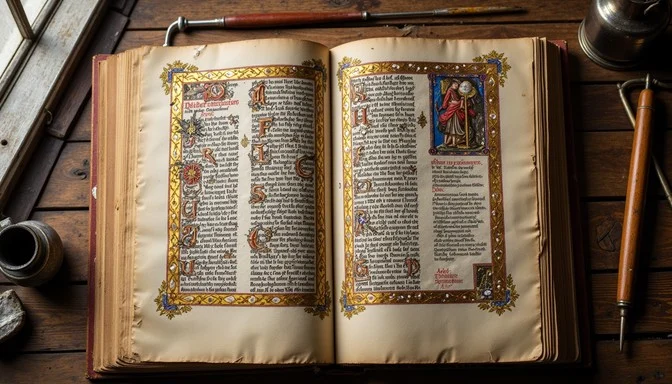
Celtic interlace flourished in illuminated manuscripts and carved monuments. Gospel books such as the Book of Kells showcase astonishingly complex knots framing sacred text. On stone crosses, artists used interlace to bind biblical scenes within sacred geometry.
To understand the broader sculptural context, explore https://celtguide.com/celtic-stone-carvings/. These carvings demonstrate how interlacing moved from parchment to permanent monument.
Interlace also appears beside spiral motifs and zoomorphic figures. In some cases, animals merge seamlessly into knotwork. The boundary between creature and pattern dissolves. That fusion reflects a worldview in which nature and spirit intertwine.
Symbolism: Eternity, Faith, and Kinship
Many readers ask: What do Celtic interlacing patterns mean?
At their simplest, they symbolize eternity. The endless loop evokes life beyond death. Christian monks embraced this symbolism to express divine infinity.
Yet the patterns also speak to kinship. Interwoven strands suggest community. Clans, families, and lineages connect across generations. If you wish to explore clan identity further, see https://celtguide.com/how-many-scottish-clans/.
The oak tree, sacred in pre-Christian Celtic belief, offers a useful parallel. Its branches interlace overhead much like knotwork lines. Our article on https://celtguide.com/celtic-oak-tree/ explores that symbolism in depth.
Mythological Dimensions
Celtic art never existed in isolation from myth. Deities such as Lugh embodied craftsmanship, skill, and artistic mastery. Learn more about this figure here: https://celtguide.com/celtic-sun-god-lugh/.
Interlacing patterns mirror mythic ideas of cyclical time and otherworld journeys. In Welsh tradition, Annwn represents a realm beyond ordinary sight. For context, see https://celtguide.com/what-is-annwn/. Endless knots visually echo the idea that life and death interweave rather than oppose one another.
Storytelling culture reinforces this perspective. Narratives loop backward and forward through memory. Our exploration of https://celtguide.com/why-are-irish-people-natural-storytellers/ highlights how narrative continuity shapes Celtic identity. Interlace offers the visual counterpart to that oral rhythm.
Interlace in Clothing and Craft
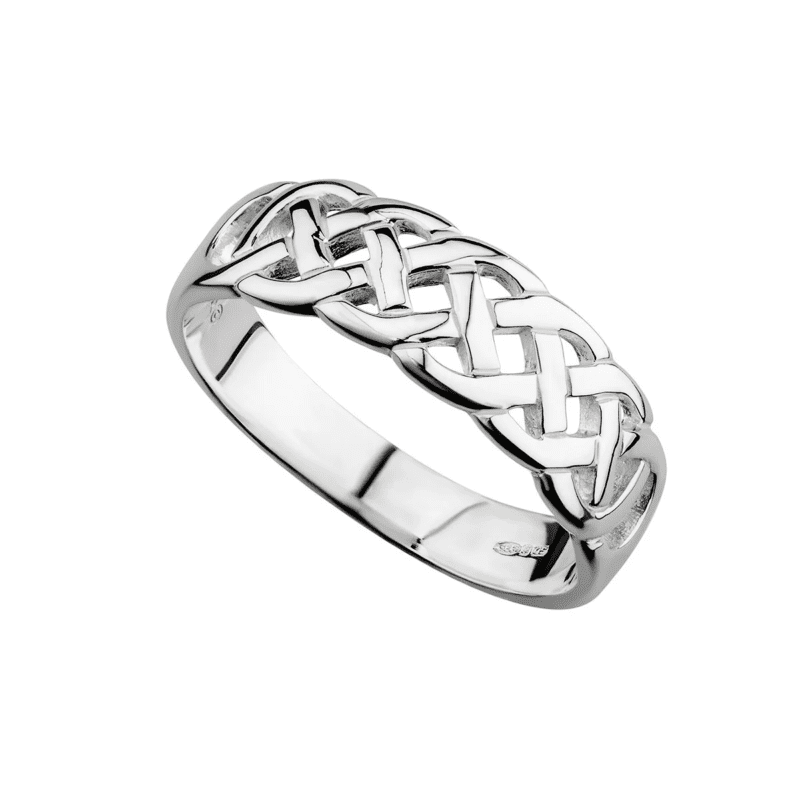
Celtic interlacing patterns extend beyond stone and manuscript. Jewelers engrave them into rings and brooches. Textile designers incorporate them into woven forms.
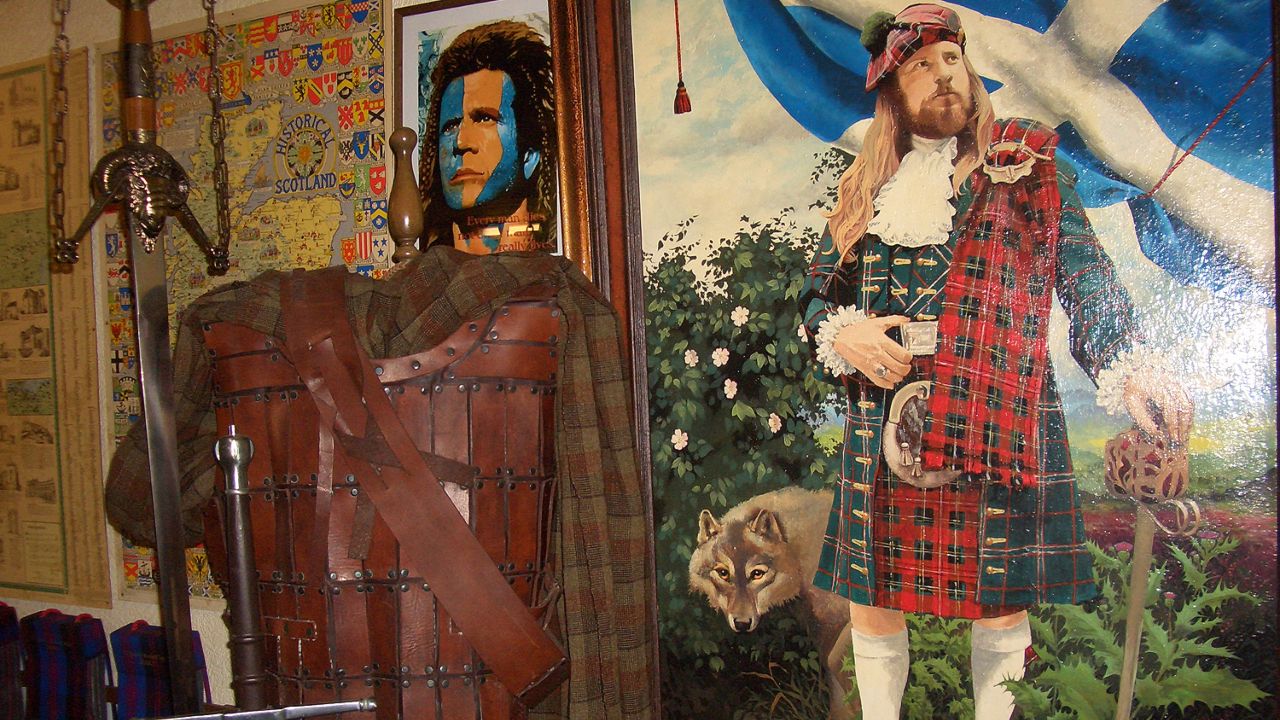
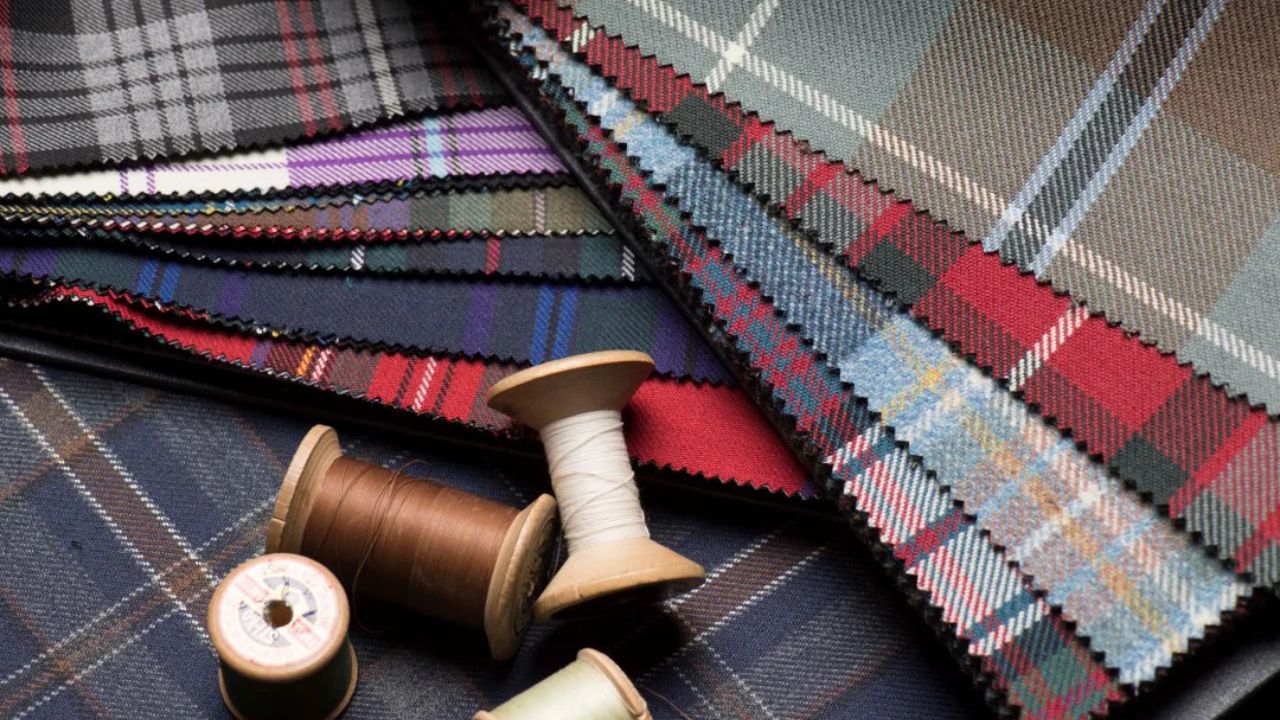
While tartan relies on intersecting lines of color rather than looping strands, both forms celebrate structured repetition. To understand tartan’s historical development, read https://celtguide.com/what-is-tartan/ and https://celtguide.com/how-long-has-the-tartan-prints-been-around/.
You will also find knot motifs in shawls and Highland dress accessories. Explore textile heritage further here: https://celtguide.com/scottish-tartan-shawls-a-timeless-blend-of-heritage-and-elegance/.
Sacred Sound and Visual Rhythm
Celtic interlace possesses rhythm. The eye follows a strand much like the ear follows melody. Music and visual art share structural repetition.
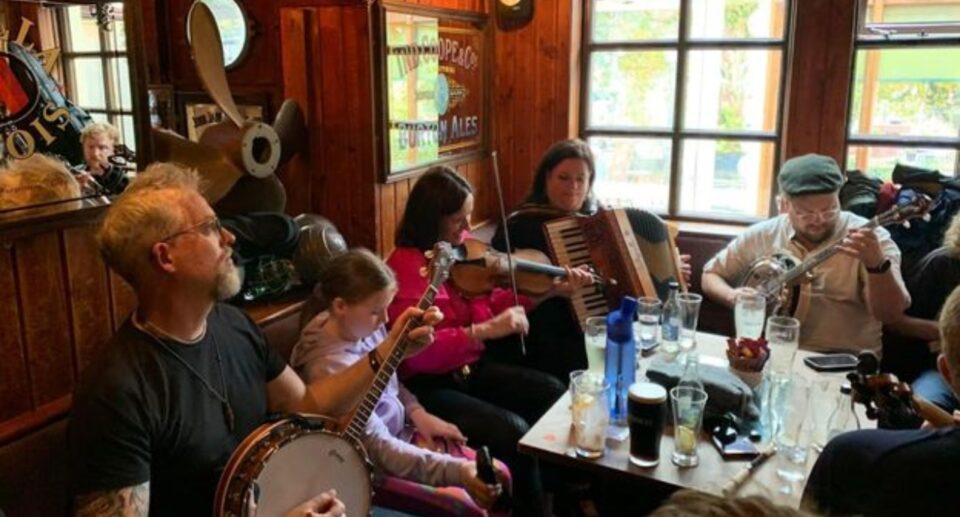
Consider the cyclical phrasing of traditional fiddle tunes: https://celtguide.com/fiddle-music/. Or the steady pulse of the frame drum described here: https://celtguide.com/the-bodhran-drum/. Repetition creates coherence. Interlacing patterns operate by the same principle.
Even bells, whose echoes ripple outward and return, embody this cyclical sensibility. Reflect further in https://celtguide.com/the-echo-of-ancestors-how-celtic-bells-ring-through-time/.
Why Celtic Interlacing Patterns Still Matter
Modern designers frequently adapt Celtic knotwork. Tattoo artists, architects, and digital illustrators draw upon its geometry. Yet its endurance stems from more than aesthetic appeal.
Interlace offers a philosophy in visual form. It reminds viewers that life rarely follows a straight path. Instead, it crosses, returns, and continues.
In a fragmented age, such imagery resonates deeply. Celtic interlacing patterns teach continuity without rigidity. They demonstrate complexity without chaos.
If you wish to explore more art and heritage topics, visit our Art & Fashion category here: https://celtguide.com/category/art-fashion/.
Celtic interlacing patterns do not merely decorate the past. They articulate a worldview. In their endless loops, they invite us to consider connection between people, between generations, and between the visible and the unseen.