Highland Plaid Belts: History & Style Guide
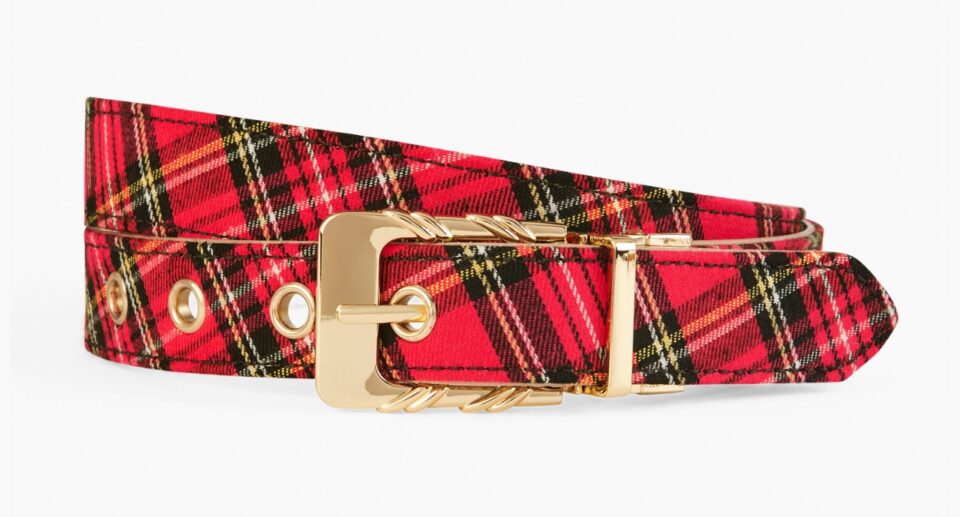
Highland plaid belts may appear modest at first glance. Yet they anchor one of Scotland’s most recognisable traditions: Highland dress. A belt does more than secure fabric. It signals identity, clan pride, and historical continuity.
As a scholar of material culture, I often remind students that clothing speaks. Textiles carry politics, geography, and memory. Highland plaid belts sit at the intersection of utility and symbolism.
What Is a Highland Plaid Belt?
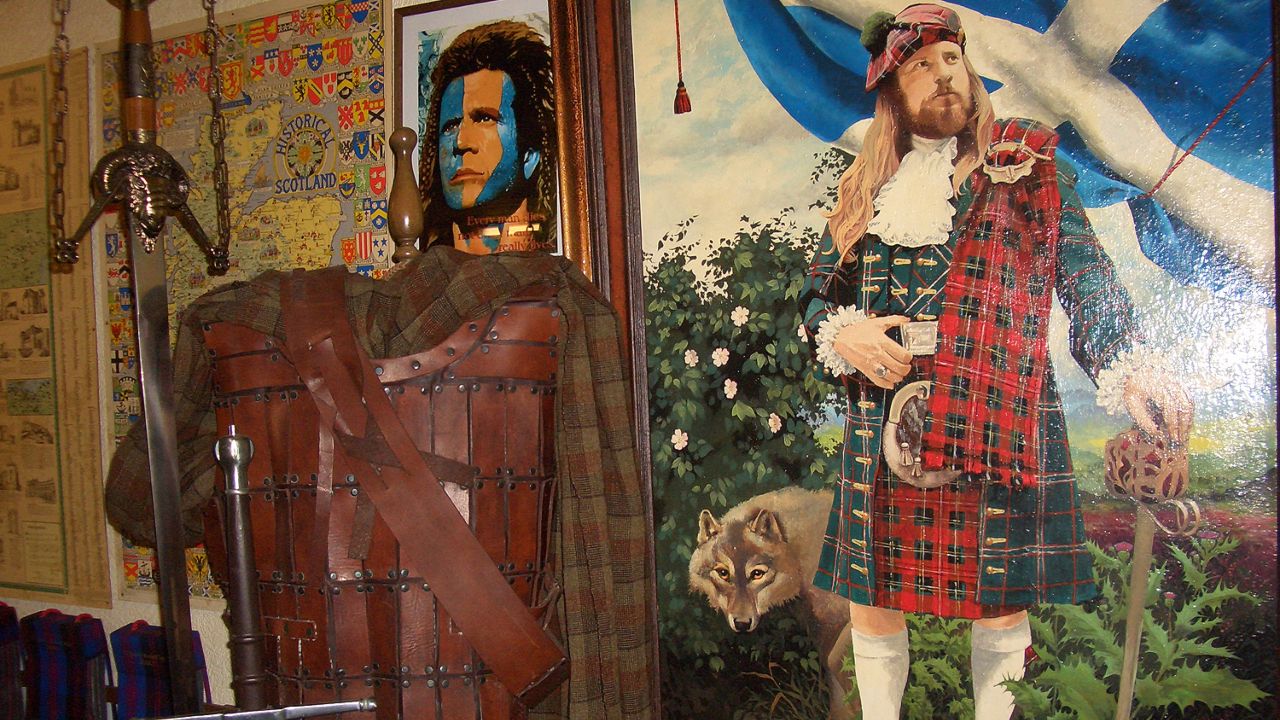
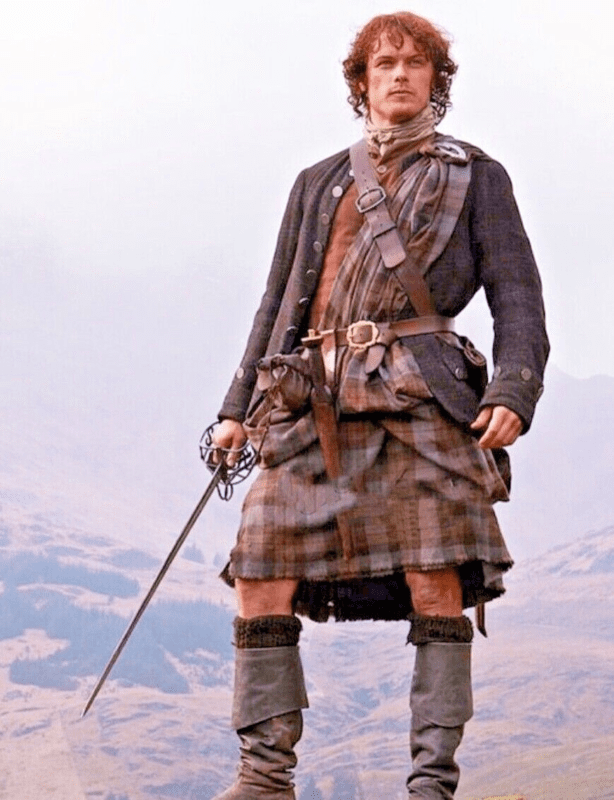
A Highland plaid belt typically features tartan fabric or complements tartan garments. In traditional dress, men once wore the féileadh mòr, or great kilt. They gathered its heavy wool around the waist and secured it with a sturdy leather belt.
The belt created structure. It allowed movement across rugged terrain. It also displayed craftsmanship through embossed leather or engraved buckles.
To understand the fabric itself, explore What Is Tartan?
https://celtguide.com/what-is-tartan/
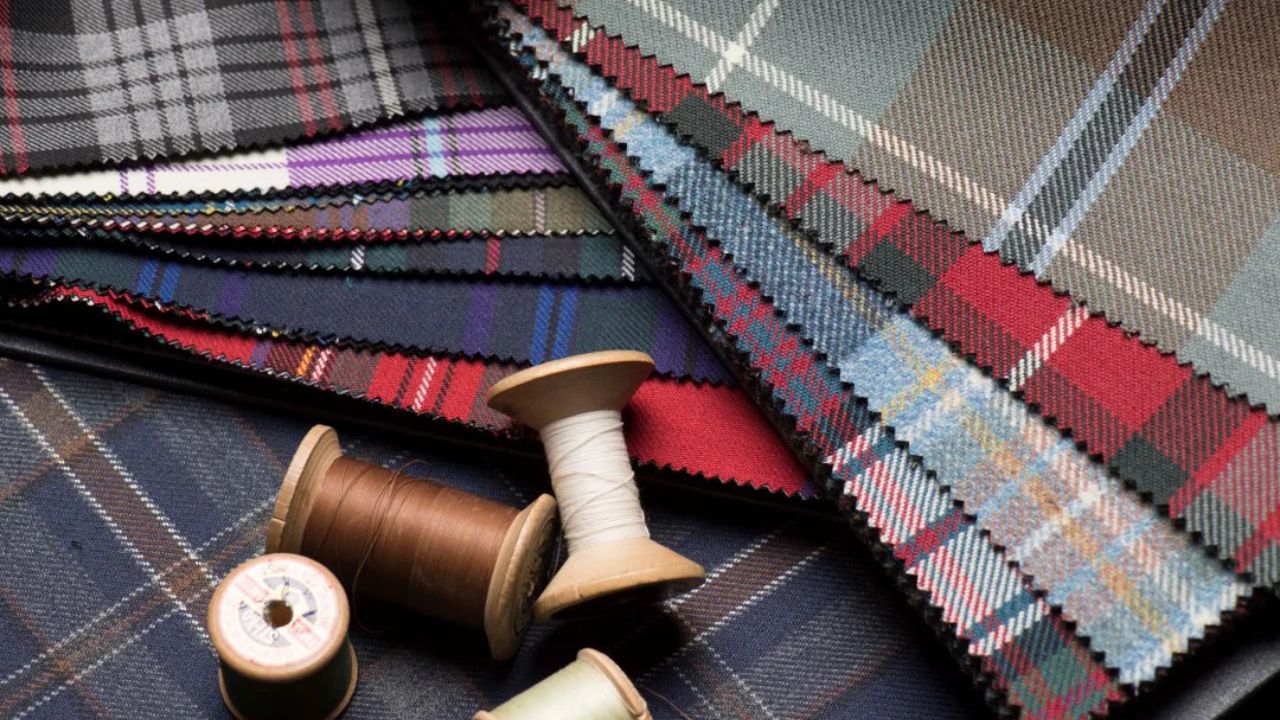
Tartan forms the visual foundation of Highland attire. Without tartan, the belt loses much of its cultural resonance.
Tartan, Clans, and Identity
Highland plaid belts often coordinate with clan tartans. Each pattern reflects lineage and regional heritage. When someone selects a belt that matches their kilt, they make a statement about belonging.
If you are curious about clan structures, read How Many Scottish Clans Are There?
https://celtguide.com/how-many-scottish-clans/
Belts, like kilts, function as visible declarations of loyalty. They reinforce kinship ties during gatherings, weddings, and Highland Games.
For a deeper look at tartan history, see How Long Has the Tartan Prints Been Around?
https://celtguide.com/how-long-has-the-tartan-prints-been-around/
Understanding that evolution clarifies why modern plaid belts blend tradition with innovation.
From Battlefield to Ceremony
Early Highland belts served practical needs. Warriors carried small weapons such as the dirk at their side. The belt provided support and quick access.
Learn more about traditional blades in What Is a Dirk Knife?
https://celtguide.com/what-is-a-dirk-knife/
Over time, Highland dress shifted from battlefield attire to ceremonial wear. Today, you will see plaid belts at formal events, ceilidhs, and Highland Games. If you plan to attend, browse Events to Watch in Highland Games 2025
https://celtguide.com/events-to-watch-in-highland-games-2025/
The belt now complements jackets, sporrans, and sashes rather than armour.
Styling a Highland Plaid Belt Today
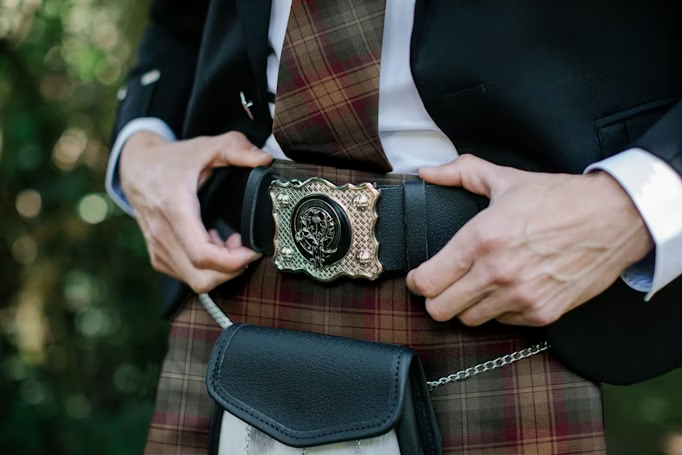
Modern Highland plaid belts vary in width and design. Some emphasise leather craftsmanship. Others highlight tartan panels stitched into the strap. The buckle often features Celtic knotwork, thistles, or clan crests.
When styling a belt, ensure proportion. A wide belt suits the great kilt. A slimmer belt works better with contemporary kilt jackets.
For guidance on kilt fit, see How to Measure for a Kilt
https://celtguide.com/how-to-measure-for-a-kilt/
If you wish to coordinate accessories, you may also enjoy How to Wear a Tartan Sash
https://celtguide.com/how-to-wear-a-tartan-sash/
Harmony matters. Each element should complement rather than overwhelm.
Climate and Practical Considerations
Scotland’s climate shaped Highland dress. Wind, rain, and shifting temperatures demanded durable materials. Thick wool and strong leather offered protection.
For insight into how kilts adapt to weather, read Kilts Weather Scotland
https://celtguide.com/kilts-weather-scotland/
A well-crafted belt still provides support in outdoor conditions. At Highland gatherings near Loch Lomond or across the Isles, attire must remain both elegant and functional.
If you are exploring the Highlands, you might enjoy Is Loch Lomond in the Highlands?
https://celtguide.com/is-loch-lomond-in-the-highlands/
Landscape and dress share a close relationship in Scottish culture.
Cultural Meaning Beyond Fashion
Highland plaid belts represent more than style. They embody continuity. When someone fastens a tartan belt, they participate in centuries of tradition.
Material culture often outlives political change. Belts, kilts, and shawls connect present wearers with ancestors. For a broader view of Highland textile heritage, see Scottish Tartan Shawls: A Timeless Blend of Heritage and Elegance
https://celtguide.com/scottish-tartan-shawls-a-timeless-blend-of-heritage-and-elegance/
Such garments weave memory into daily life.
Why Highland Plaid Belts Still Matter
In contemporary Scotland, Highland dress appears at weddings, graduations, and cultural festivals. Diaspora communities across the globe also embrace it. The plaid belt quietly completes the ensemble.
It reminds us that identity often resides in detail. A belt may look small, yet it carries the weight of history.
To explore more about Scottish heritage, visit our main blog hub
https://celtguide.com/blog/
Or browse related pieces in the Art & Fashion category
https://celtguide.com/category/art-fashion/
Highland plaid belts continue to secure more than fabric. They secure memory, lineage, and pride.