The Highland Dirk Knife: History and Symbolism
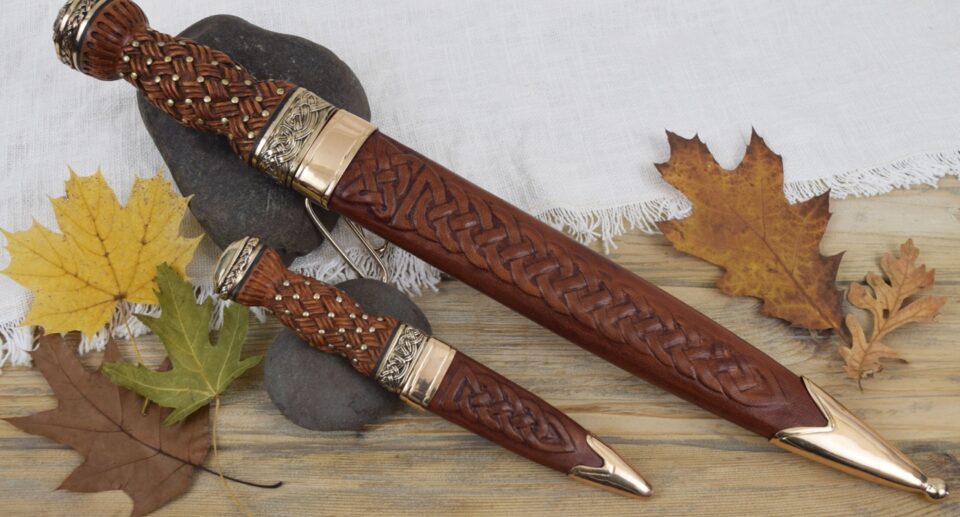
The Highland dirk knife stands at the intersection of weaponry, identity, and artistry. It served as a practical blade in the Scottish Highlands, yet it also shaped clan symbolism and Highland dress. When one studies the dirk closely, one encounters not merely steel and wood, but memory, allegiance, and continuity.
For readers new to the subject, our detailed overview of what is a dirk knife provides helpful background. Here, we move deeper into the Highland context, where the dirk became inseparable from clan life.
Origins in the Medieval Highlands
The dirk evolved from the medieval ballock dagger. Highland warriors carried it as a sidearm, particularly from the sixteenth century onward. Unlike large claymores, the dirk offered close combat efficiency. It hung from the belt and remained within immediate reach.
Clan society required readiness. Conflict between families, territorial disputes, and political upheaval shaped daily life. The dirk responded to these realities. It balanced utility and status. The blade signaled that its owner stood prepared.
To understand the wider clan framework, see our exploration of how many Scottish clans shaped Highland identity.
Craftsmanship and Design
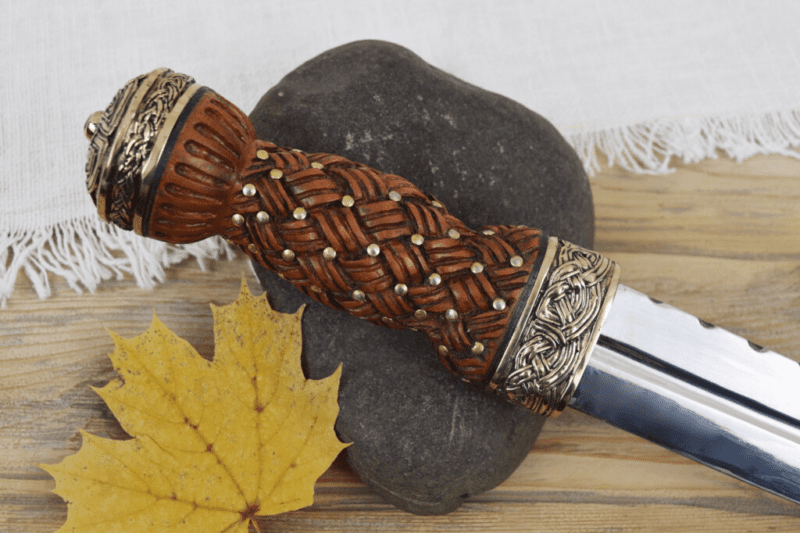
The Highland dirk reflects remarkable craftsmanship. Artisans carved handles from bog oak or hardwood. They decorated them with intricate Celtic knotwork. Many pommels displayed cairngorm stones, prized in Scottish jewellery.
Blades typically measured between 12 and 18 inches. They featured a single edge and a strong spine. Silversmiths often adorned the sheath mounts with engraved patterns. Some dirks included smaller companion knives tucked into the scabbard.
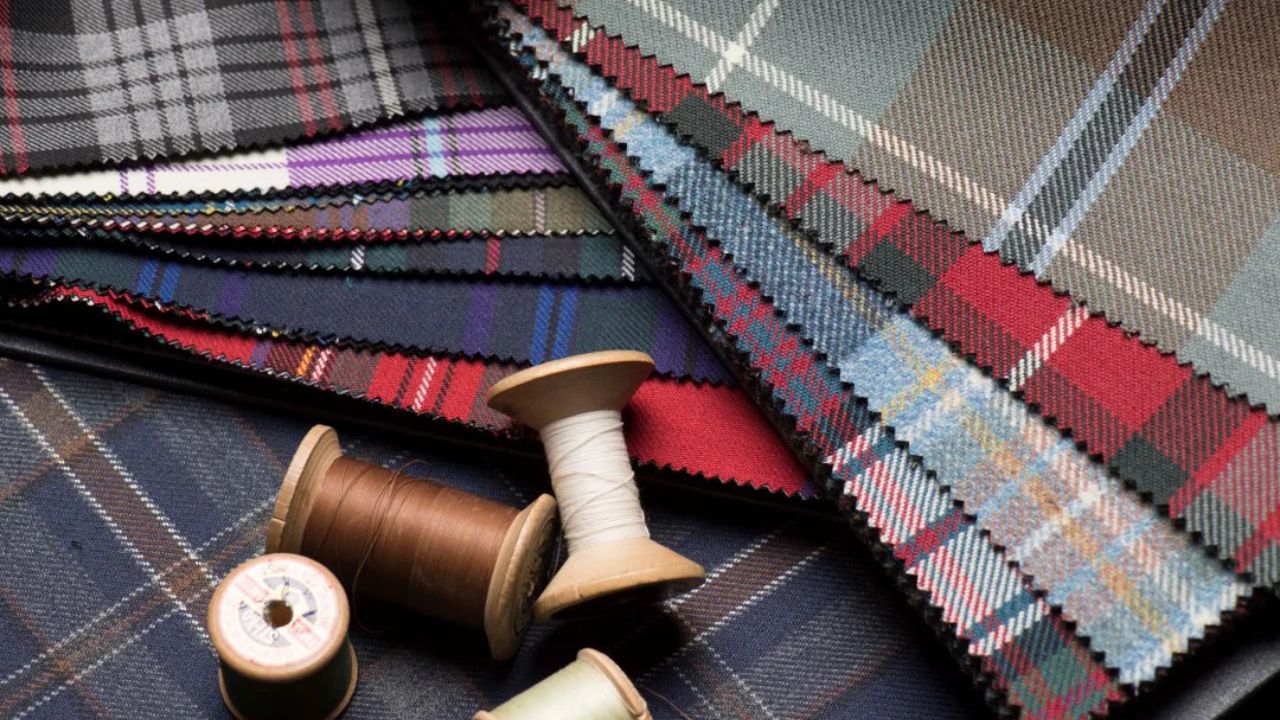
The aesthetic dialogue between weapon and dress matters. The dirk complemented tartan garments and accessories. For broader context, explore what is tartan and its historical depth, or read about how long tartan prints have been around.
The Dirk in Highland Dress
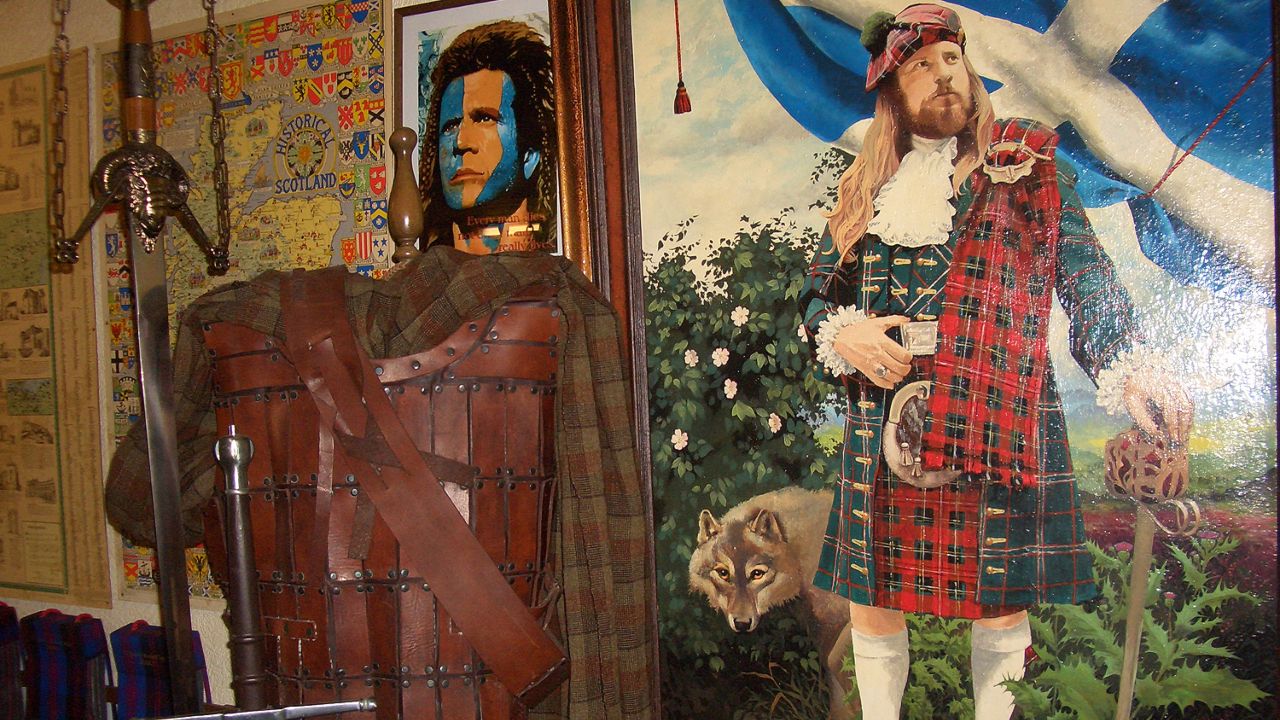
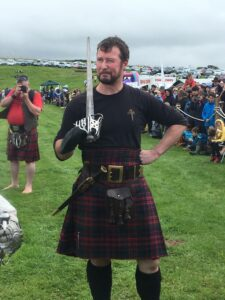
Today, the dirk forms part of formal Highland dress. It sits prominently at the front of the kilt, suspended from the belt. Alongside the sporran and sgian-dubh, it completes ceremonial attire.
If you wish to understand the structure of Highland clothing, consult our guides on how to measure for a kilt and how to wear a tartan sash. The dirk does not stand alone. It integrates into a carefully balanced ensemble.
The transformation from battlefield tool to ceremonial emblem reveals Scotland’s cultural resilience. After the Jacobite uprisings and subsequent dress restrictions, Highland attire became politicised. Yet communities preserved elements of tradition. The dirk survived, not as a threat, but as heritage.
Symbolism and Cultural Meaning
The dirk symbolises honour and loyalty. Within clan society, it represented personal responsibility. A Highlander bore his dirk as a sign of adulthood and readiness.
Symbolic continuity appears across Celtic culture. Consider the sacred objects in myth, such as the Cauldron of Dagda or the sacred oak in Celtic oak tree. Material objects carry spiritual and communal meaning. The dirk participates in this tradition of embodied symbolism.
Even landscapes reinforce such meanings. Regions like Is Loch Lomond in the Highlands reveal how geography shapes identity. The dirk belongs to that terrain.
The Dirk at Modern Highland Gatherings
Contemporary Highland Games often feature ceremonial dirks. Participants wear them during parades and clan marches. The blade now communicates pride rather than conflict.
If you plan to attend such events, explore events to watch in Highland Games 2025. You will notice how tradition and spectacle converge. The dirk contributes to that visual narrative.
Film and popular culture also amplify its presence. For cinematic portrayals of Highland attire, see kilts in movies and shows. Media reimagines the dirk, yet its historical core persists.
Why the Highland Dirk Knife Still Matters
The Highland dirk knife matters because it embodies continuity. It bridges medieval warfare and modern ceremony, binds craftsmanship to clan memory, and situates personal identity within collective heritage.
As scholars and readers, we must approach such artefacts with attentiveness. The dirk invites us to consider how objects carry narratives. It reminds us that culture does not vanish; it adapts.
For further exploration of Highland life and continuity, our broader CeltGuide blog offers related studies in culture, landscape, and tradition.
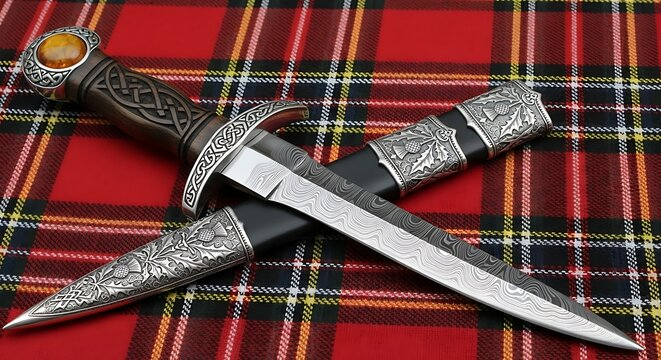
The Highland dirk knife does more than complete an outfit. It tells a story of resilience, artistry, and belonging. In its polished blade, one glimpses the enduring spirit of the Highlands.