The Celtic Wild Hunt: A Journey Into Ancient Myth & Midnight Mystery
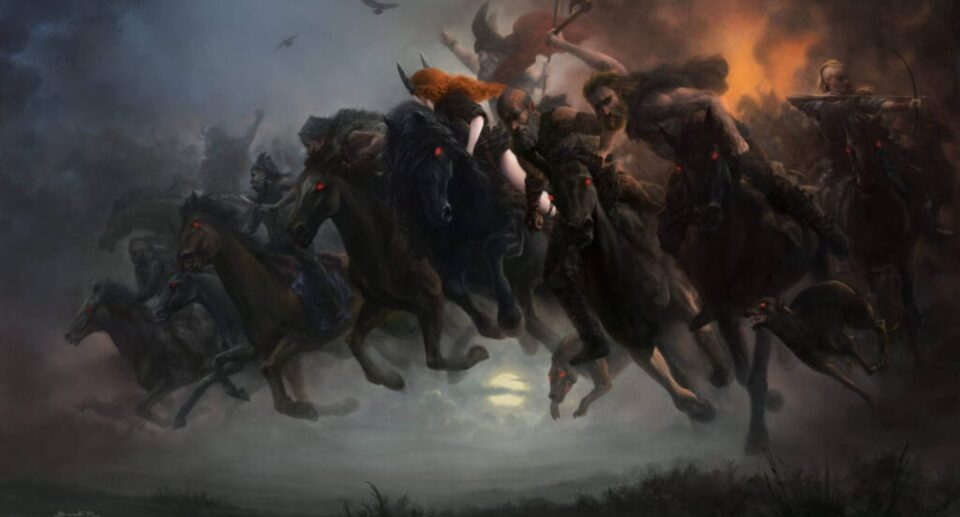
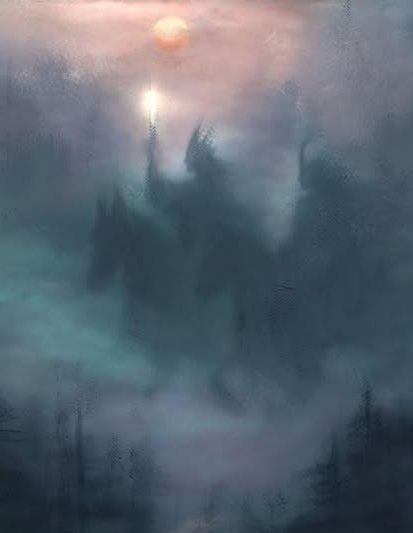
The Celtic Wild Hunt stands among the most thrilling and mysterious legends of the ancient world. People across Scotland, Ireland, and Wales believed that on stormy nights, a ghostly host thundered across the sky. Riders, hounds, and spirits raced through the darkness, led by a supernatural figure. The ground shook, the wind roared, and the veil between worlds thinned.
This legend still fascinates modern readers because it blends fear, respect, and wonder. Every Celtic region shaped it differently, but the core remained the same: the Hunt never stopped, and the living needed to stay out of its path.
What Is the Celtic Wild Hunt?
The Celtic Wild Hunt describes a spectral procession that moves across the sky or rushes through forests during dark winter nights. Witnesses spoke of ghostly warriors, roaring winds, and glowing hounds racing alongside a mighty leader. The Hunt symbolised transition, change, spiritual forces, and warnings.
Origins of the Wild Hunt in Celtic Tradition
The Celtic version of the Wild Hunt differs from Norse and Germanic myths. It carries a connection to Samhain, ancestral spirits, and the boundaries between life and death.
Many believed the Hunt appeared when spirits roamed freely. Others thought it emerged when powerful beings sought lost souls or punished the wicked.
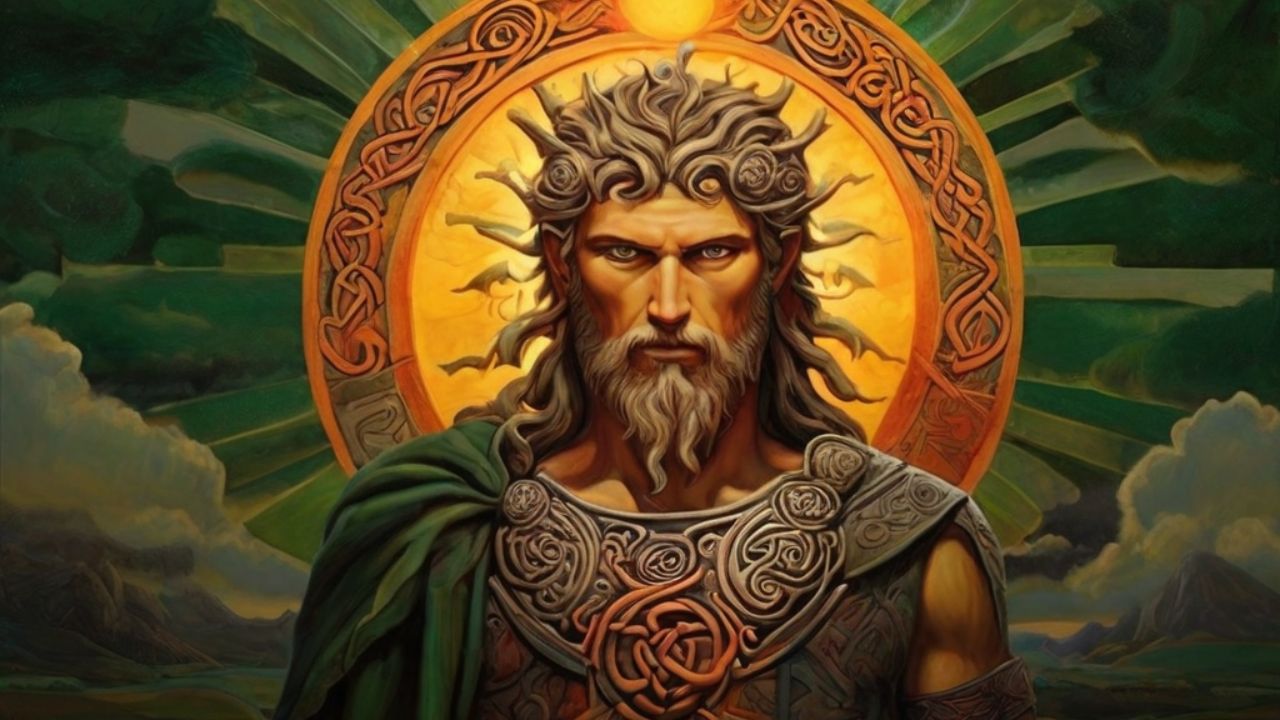
Leaders of the Celtic Wild Hunt
Different regions offered their own leaders:
1. Gwyn ap Nudd (Wales)
The ruler of Annwn and protector of lost souls.
2. The Morrígan (Ireland)
A goddess of war and fate, often linked to dark omens.
3. Herne the Hunter (Britain)
A spirit tied to forests, antlers, and the supernatural hunt.
Symbols Related to the Wild Hunt
The Hunt carries rich symbolism:
- Change and transformation
- Warning of danger
- Passage between worlds
- Protection of the natural realm
- Spiritual awakening
Encounters With the Wild Hunt
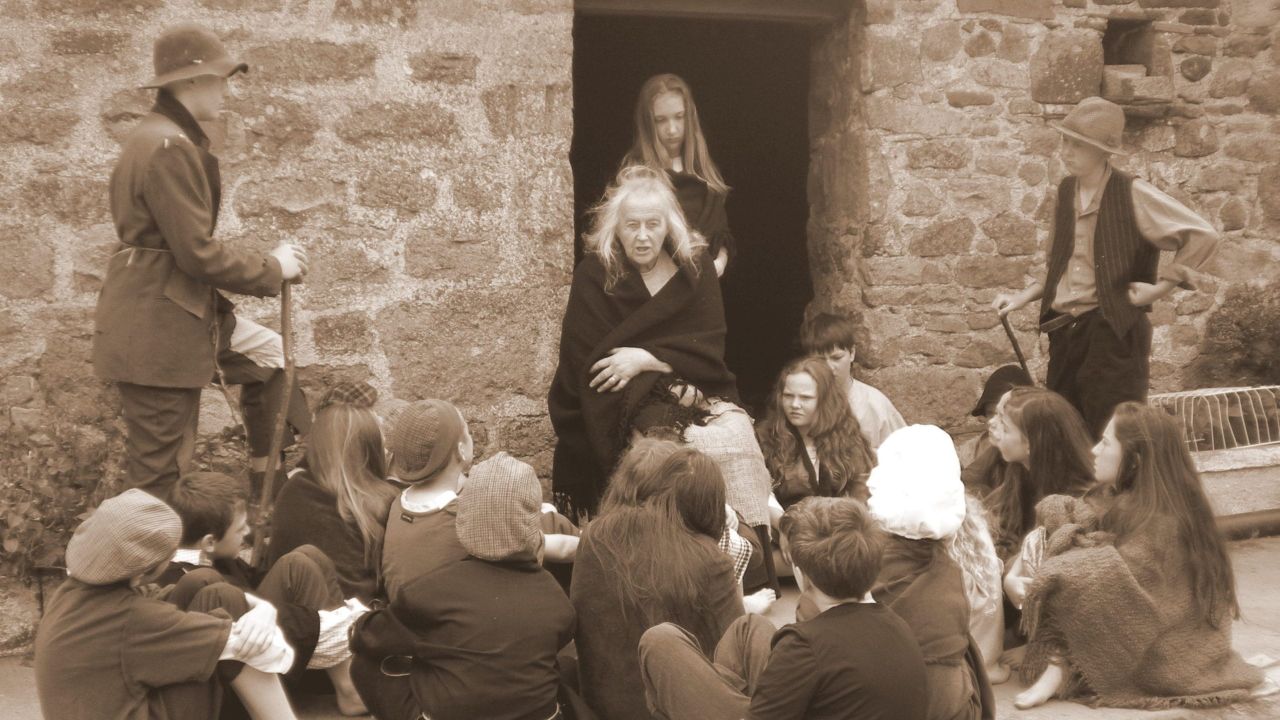
Stories say that people who heard the Hunt should stay indoors, keep fires burning, and avoid lonely paths. Travelers claimed they felt sudden winds, heard distant horns, or saw shimmering riders.
Some believed the Hunt punished wrongdoers. Others said it carried away wandering spirits or escorted souls to the afterlife.
The Wild Hunt in Modern Culture
Today, the Celtic Wild Hunt appears in literature, movies, games, and art. Its dramatic imagery attracts fantasy creators, and its spiritual meaning appeals to people exploring Celtic heritage.
The legend remains a symbol of mystery and the thin line between worlds. It connects modern imagination with ancient Celtic belief.
Conclusion
The Celtic Wild Hunt stays alive as one of the most iconic legends of the Celtic world. It tells a story of spirits, mystery, nature, and the eternal movement between realms. Whether seen as an omen or a guardian force, the Wild Hunt still captures the imagination with the same power it held centuries ago.