The Irish Traveller Community: Tradition, Identity, and Resilience
Introduction: A Distinct People Within Ireland
The Irish Traveller community is one of Ireland’s most fascinating cultural groups, carrying a distinct heritage that combines nomadic traditions, strong family ties, and a deep respect for storytelling. While often misunderstood, Travellers have made profound contributions to Ireland’s cultural fabric, echoing themes of identity, belonging, and resilience that are central to Irish history.
For a nation already celebrated for storytelling and folklore, the Travellers represent a living continuation of oral traditions, songs, and crafts passed down through generations.
Origins and History of the Traveller Community
The origins of the Irish Travellers are debated, some scholars trace their roots to displaced farming communities during historical hardships such as the Irish Potato Famine, while others argue they preserve an even older Celtic nomadic heritage.
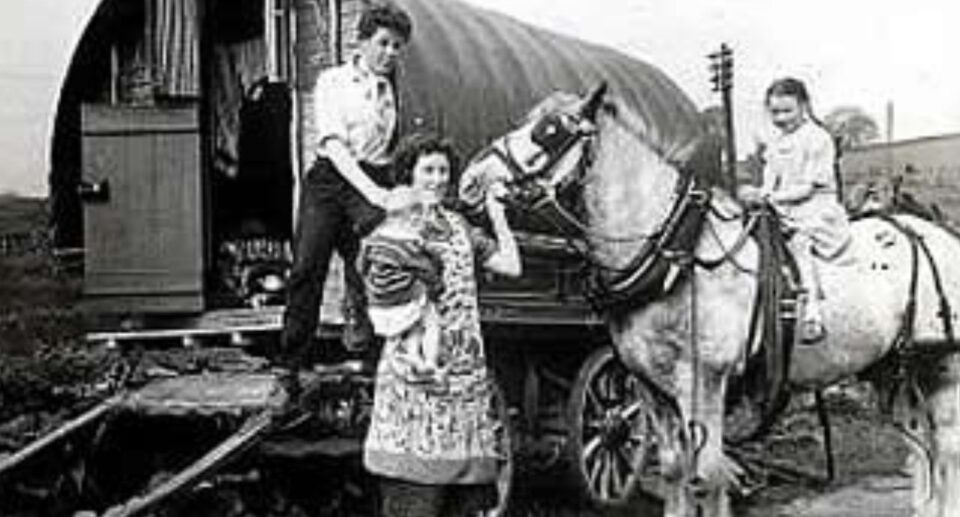
Regardless of their precise beginnings, Travellers developed a strong identity distinguished by their language (Shelta), occupations such as tinsmithing and horse-trading, and their highly mobile lifestyle. This way of life both connected them to Ireland’s landscape and set them apart from the settled population.

Storytelling, Music, and Oral Tradition
Much like wider Irish society, Travellers hold storytelling as central to their cultural identity. Their oral traditions preserve family histories, folktales, and moral lessons. In this way, they echo the bardic traditions of ancient Ireland and contribute to Ireland’s ongoing reputation as a nation of poets and dreamers.
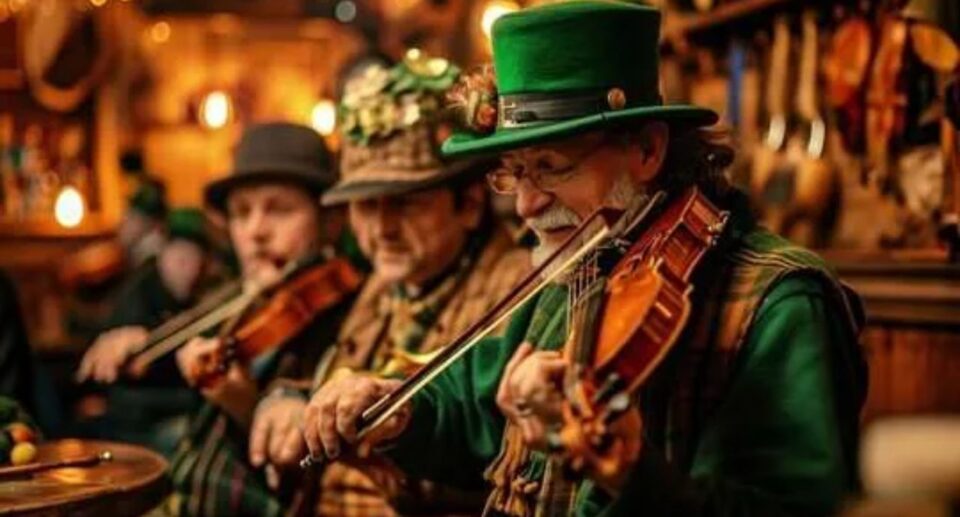
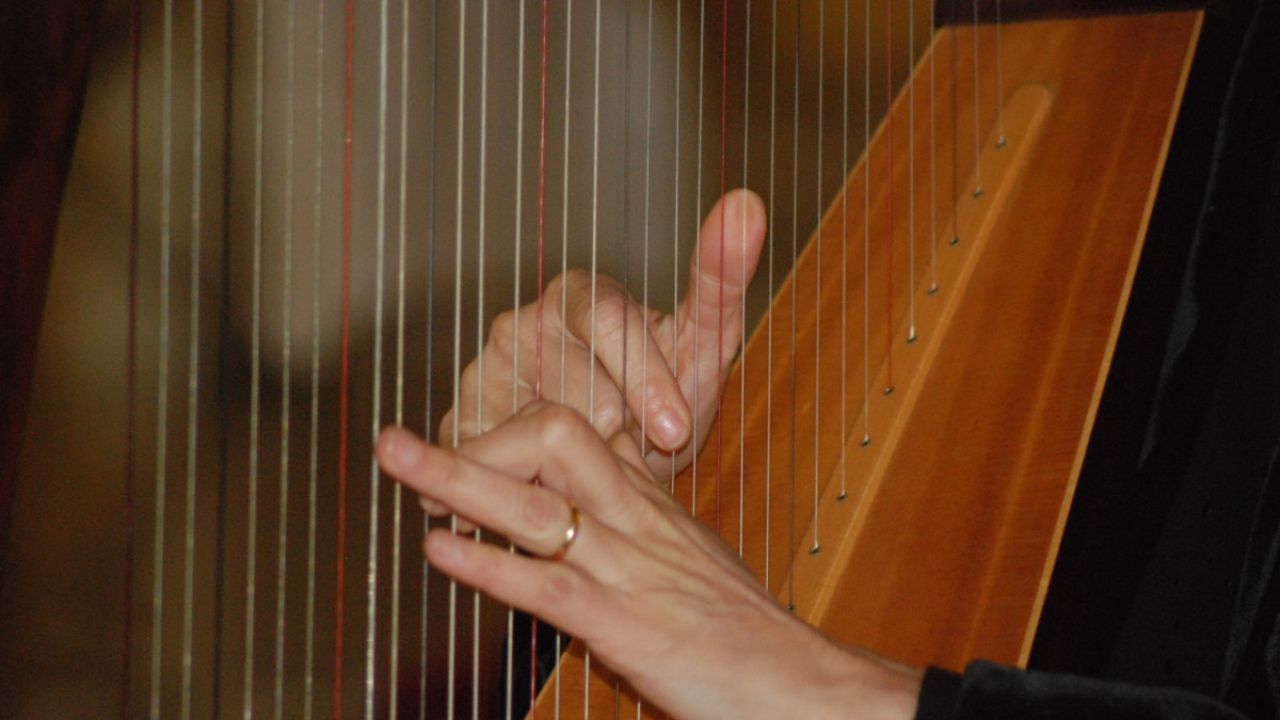
Music also plays a vital role. Travellers are closely tied to folk traditions, with many renowned singers and musicians among their ranks. Instruments such as the fiddle and bodhrán drum often accompany Traveller songs, creating a living bridge between old Gaelic culture and modern performance.

Craftsmanship and Symbolism
Historically, Travellers were highly skilled tinsmiths, creating essential household goods and decorative items. Their craftsmanship recalls ancient Celtic stone carvings and artistic traditions that fused utility with symbolism.
Even today, many Traveller crafts remain part of Irish cultural identity. Just as the Claddagh ring symbolizes love and loyalty, Traveller-made goods reflect resilience, adaptability, and an enduring sense of identity.

Challenges and Resilience
Despite their contributions, the Traveller community has faced discrimination and social exclusion. Yet, like much of Irish history, theirs is a story of resilience. Through their traditions, language, and cultural pride, they have safeguarded a unique identity even while navigating modern pressures to assimilate.
Travellers remind us that Irish identity is not singular, it is layered, diverse, and continually evolving, much like the myths of Selkies or the legends tied to places like the Hill of Tara.
Conclusion: A Living Cultural Legacy
The Irish Traveller community remains a vital part of Ireland’s cultural story. Their traditions—whether in storytelling, music, or craftsmanship, enrich the wider tapestry of Irish heritage. By appreciating their history and resilience, we gain not only a deeper understanding of Travellers but also of Ireland itself.
For more cultural explorations, visit our Culture and Tradition section.