

The Molly Maguires: Irish Resistance in America
The story of the Molly Maguires begins in rural Ireland but reaches its dramatic climax in the coal fields of Pennsylvania. It is a story of migration, injustice, secrecy, and memory. It challenges us to ask difficult questions about power and resistance.
To understand the Molly Maguires, we must first understand why so many Irish families left home. The Great Famine shattered rural society and forced millions to emigrate. If you want deeper historical context, see our study on The Influence of the Irish Potato Famine. Migration did not simply move people. It carried grievances, traditions, and political instincts across the Atlantic.
Who Were the Molly Maguires?
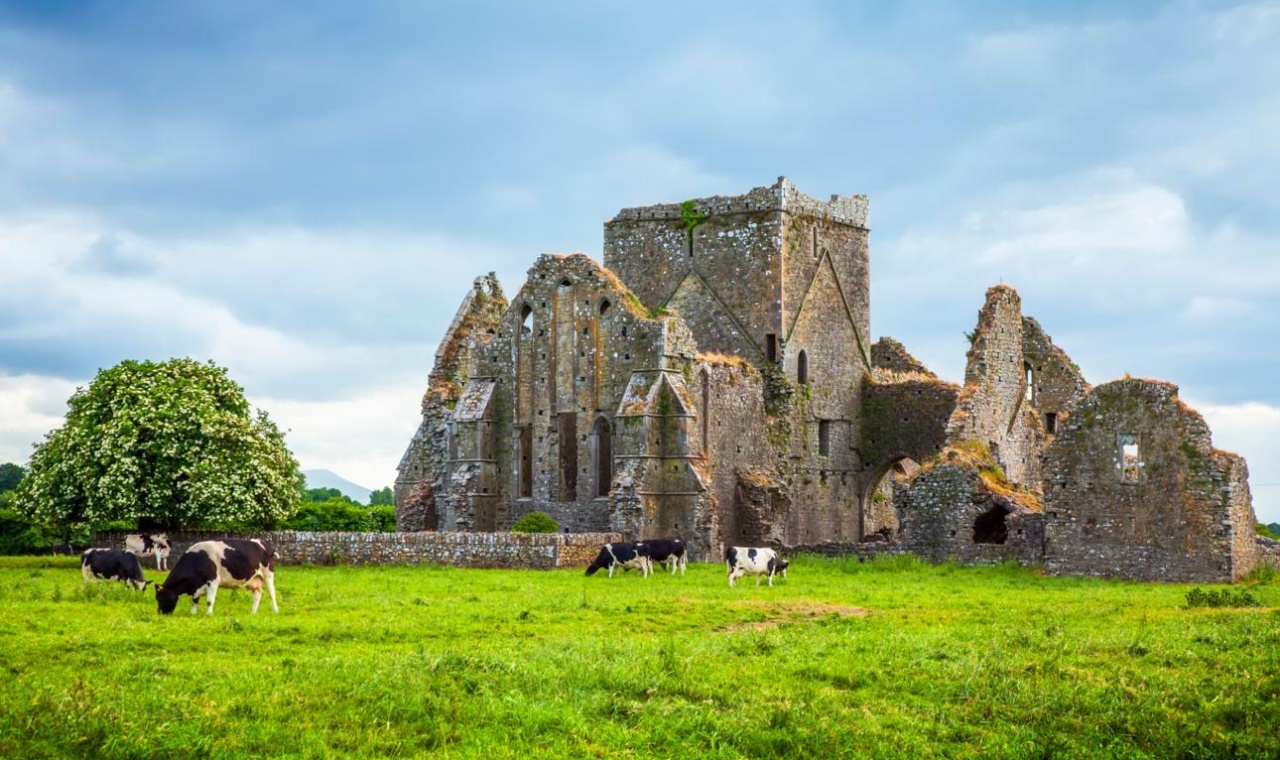
The Molly Maguires were a secret society of Irish immigrant coal miners in 19th-century Pennsylvania. Many came from agrarian counties where rural protest groups resisted landlord power. These earlier Irish societies often used symbolic names and disguises. “Molly Maguire” became one such name.
Irish communities preserved these stories through oral tradition. That heritage of storytelling still shapes Irish identity today, as explored in Why Are Irish People Natural Storytellers?. When Irish miners settled in America, they brought not only labour but memory.
Life in the Coal Fields
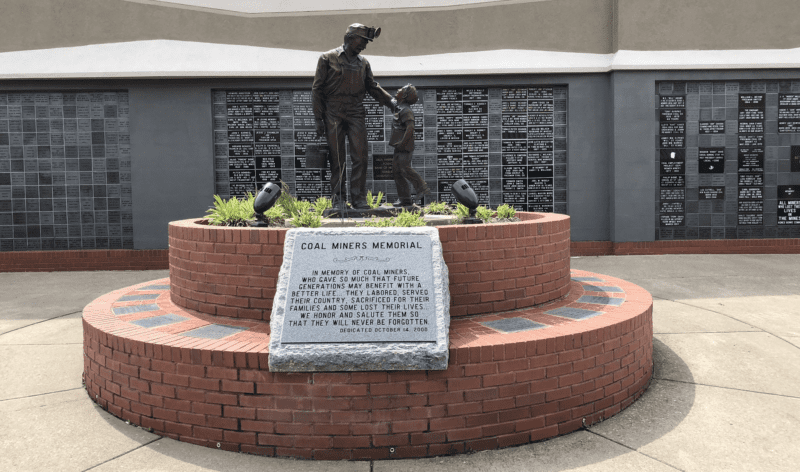
Coal fuelled America’s industrial expansion. Yet miners worked in darkness, breathed coal dust, and faced constant danger. Mine owners controlled wages and housing. Many miners felt trapped.
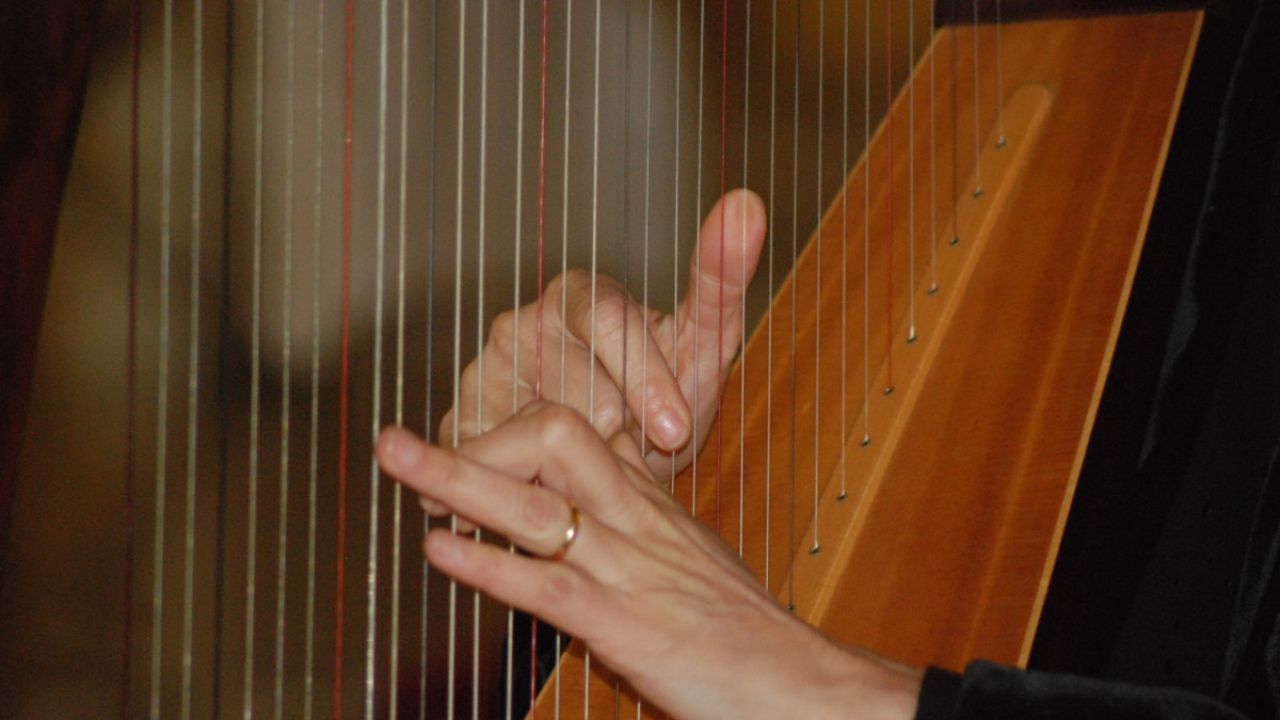
Irish workers also encountered prejudice. Newspapers portrayed them as violent and inferior. Religious bias deepened social division. In response, miners formed fraternal bonds. They gathered for music and communal relief. Instruments like the bodhrán drum and fiddle echoed familiar rhythms from home. These sounds reinforced dignity in an alien landscape.
Violence, Trials, and Executions
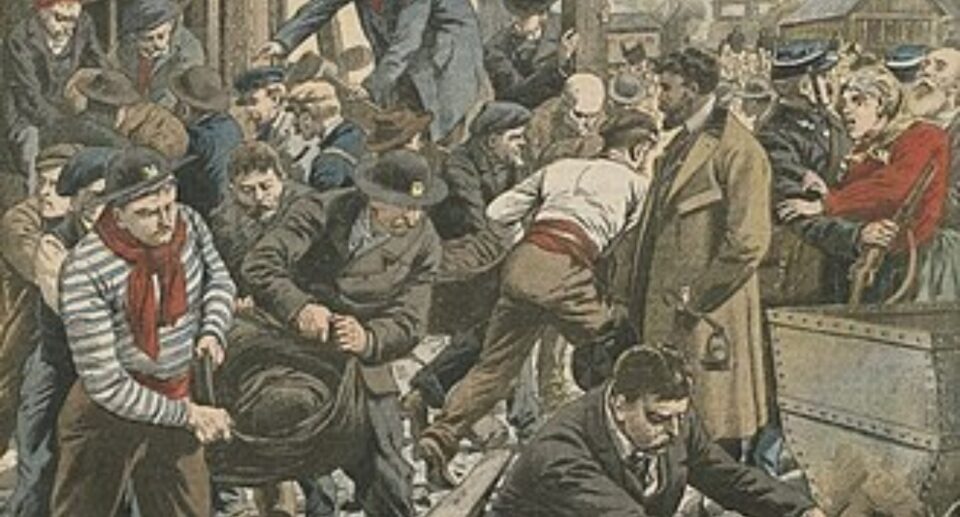
During the 1860s and 1870s, several mine officials suffered attacks. Authorities accused the Molly Maguires of orchestrating violence. The Pinkerton Detective Agency infiltrated the group. An undercover agent gathered evidence for years.
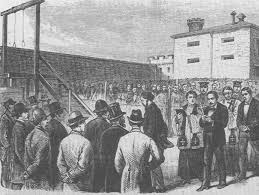
In 1877, courts convicted twenty Irish miners. The state executed them by hanging. Many historians question the fairness of those trials. Corporate influence and anti-Irish sentiment shaped public opinion. Modern scholars continue to debate whether the convictions reflected justice or prejudice.
Cultural Memory and Irish Identity
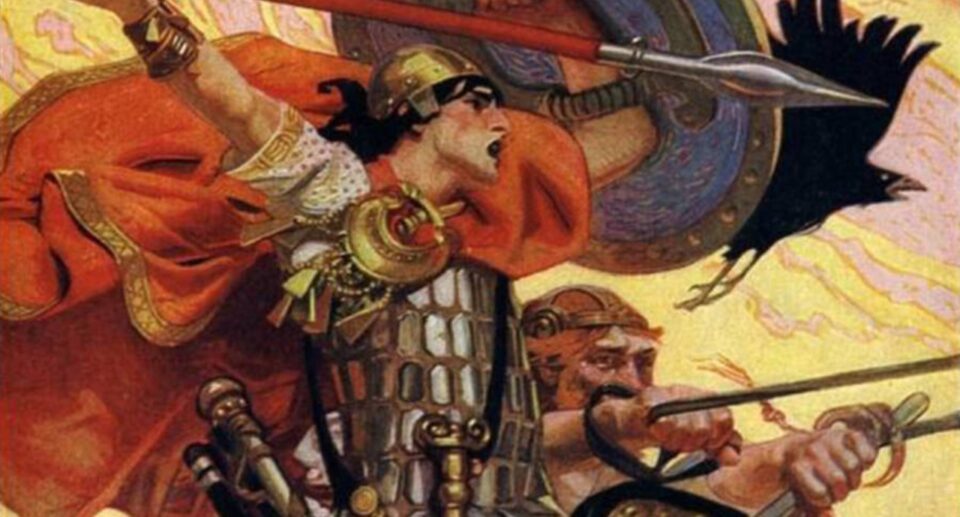
The Molly Maguires did not emerge in isolation. Irish cultural memory long celebrated resistance against injustice. Mythic figures such as Lugh, the Celtic Sun God symbolised courage and defiance. These narratives shaped moral imagination, even in industrial America.
Irish migrants also preserved faith and ritual. Sacred landscapes such as the Hill of Tara and devotion to Irish holy wells sustained spiritual continuity. Even in mining towns, communities marked Saint Patrick’s Day and passed down Gaelic Irish proverbs. Culture became a shield against erasure.
For a broader exploration of Celtic heritage, visit our main CeltGuide Blog.
Were They Criminals or Martyrs?
This remains the central question. Some view the Molly Maguires as criminals who used violence. Others see desperate labourers who resisted exploitation when legal avenues failed them. Historical evidence reveals complexity rather than simplicity.
In the late twentieth century, Pennsylvania granted posthumous pardons to some of the executed men. That gesture did not erase the past. It did, however, acknowledge uncertainty in the original proceedings.
Key Questions About the Molly Maguires
Who were the Molly Maguires?
They were Irish immigrant coal miners in Pennsylvania who formed a secret society in the 19th century.
Why were they executed?
Courts convicted them of murder and conspiracy after investigations by the Pinkerton Agency.
Did they come from Ireland?
Yes. Many emigrated after the Great Famine.
Why does their story matter today?
It highlights issues of migration, labour rights, prejudice, and justice that remain relevant.
Conclusion
The Molly Maguires occupy a liminal space between history and legend. They represent both the vulnerability and resilience of Irish migrants. Their story forces us to confront industrial exploitation and ethnic prejudice. It also reminds us that cultural memory survives displacement.
Like many strands of Celtic history, the narrative resists easy moral judgement. It invites reflection instead. And in that reflection, we glimpse not only conflict but endurance.