The Legend of the Red Cap Goblin: Scotland’s Bloodthirsty Castle Spirit
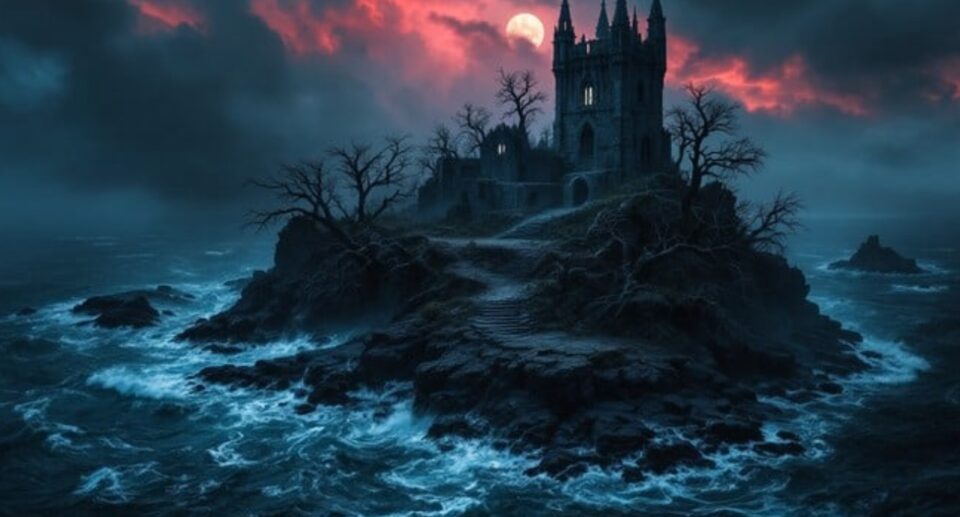
Deep in the borderlands of Scotland, where mist clings to crumbling castle walls and the wind howls through hollow halls, lurks a creature feared for centuries — the Red Cap Goblin. Known locally as “Redcap,” this sinister figure is said to haunt old fortresses, especially those drenched in violent history. His legend blends myth and morality, warning travelers of the blood that stains Scotland’s medieval stones.
Who or What — Is the Red Cap Goblin?
The Red Cap is no ordinary ghost. Folklore describes him as a short, thickset goblin with iron boots, razor-sharp teeth, and clawed fingers. His cap, soaked in human blood, gives him his name and his power. The legend warns that he must continually dip his cap in fresh blood or he will perish.
This gruesome detail reflects the grim truths of Scotland’s turbulent medieval era, when wars between clans and invasions by English forces left countless fortresses soaked in violence. Each drop of blood spilled seemed to feed creatures like Redcap — manifestations of guilt, rage, and the land’s restless spirit.
For readers exploring other eerie Celtic tales, the Legend of the Fairy Glen offers a gentler glimpse into Scotland’s enchanted folklore, while the Linton Worm shows another side of its monstrous mythology.
Castles of Terror: Where the Red Cap Roams
Redcap legends most often center on the ruins of Hermitage Castle in the Scottish Borders, a fortress with a fearsome past. Local lore tells of cruel lords who tortured their prisoners within these walls. It’s said the Red Cap sprang from that cruelty, taking shape from the suffering embedded in the stone.

In some tales, travelers who wandered too close at night met a swift end, struck down by the creature before they could flee. Yet not all Redcaps are invincible. Holy symbols or prayers can repel them, a reminder of how faith and folklore intertwined in old Scottish life.
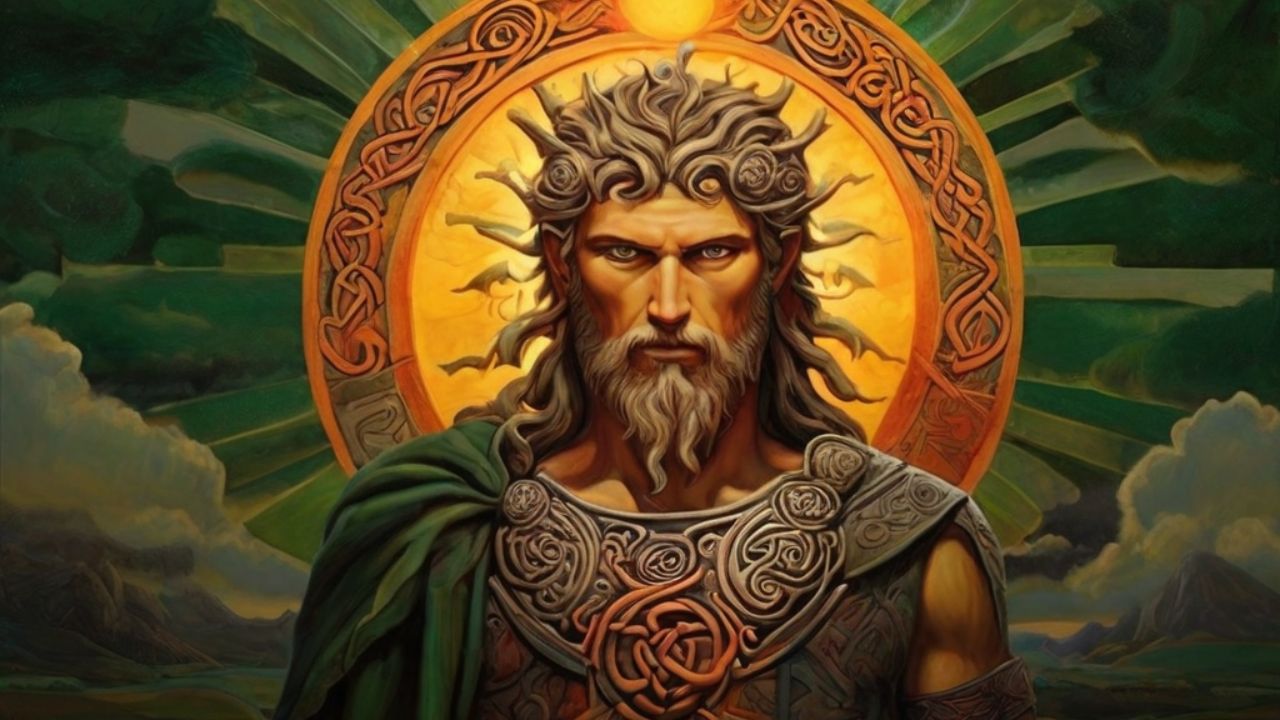
If this fascination with sacred symbols interests you, the story of the Celtic Sun God Lugh explores how light and divinity once balanced Scotland’s darker myths.
Symbolism Behind the Blood
The Red Cap’s crimson hat symbolizes more than horror, it reflects cycles of violence and retribution. Medieval Scots, shaped by constant feuds, often believed that blood once spilled could never truly rest. Redcap embodies that unrest, a being cursed to repeat the horrors of the past.
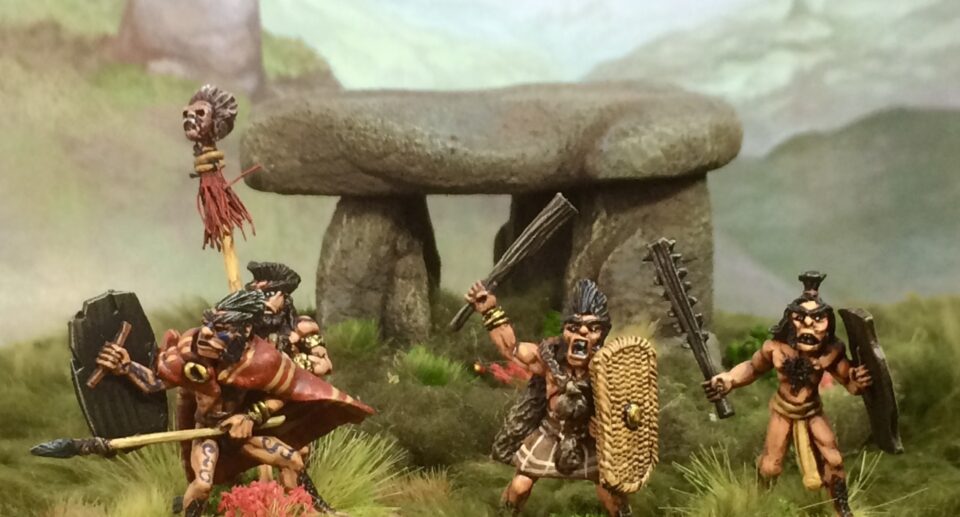
Much like the Celtic Stone Carvings that depict warriors and battles, the Red Cap myth immortalizes the scars of Scotland’s collective memory. Through such legends, ancient storytellers passed on lessons about morality, justice, and the dangers of unchecked power.
Red Cap in Modern Culture
Though centuries old, the Red Cap Goblin continues to inspire modern literature, fantasy art, and folklore enthusiasts. His image appears in role-playing games, Gothic fiction, and even Scottish tourism brochures, a testament to how myth and history intertwine.
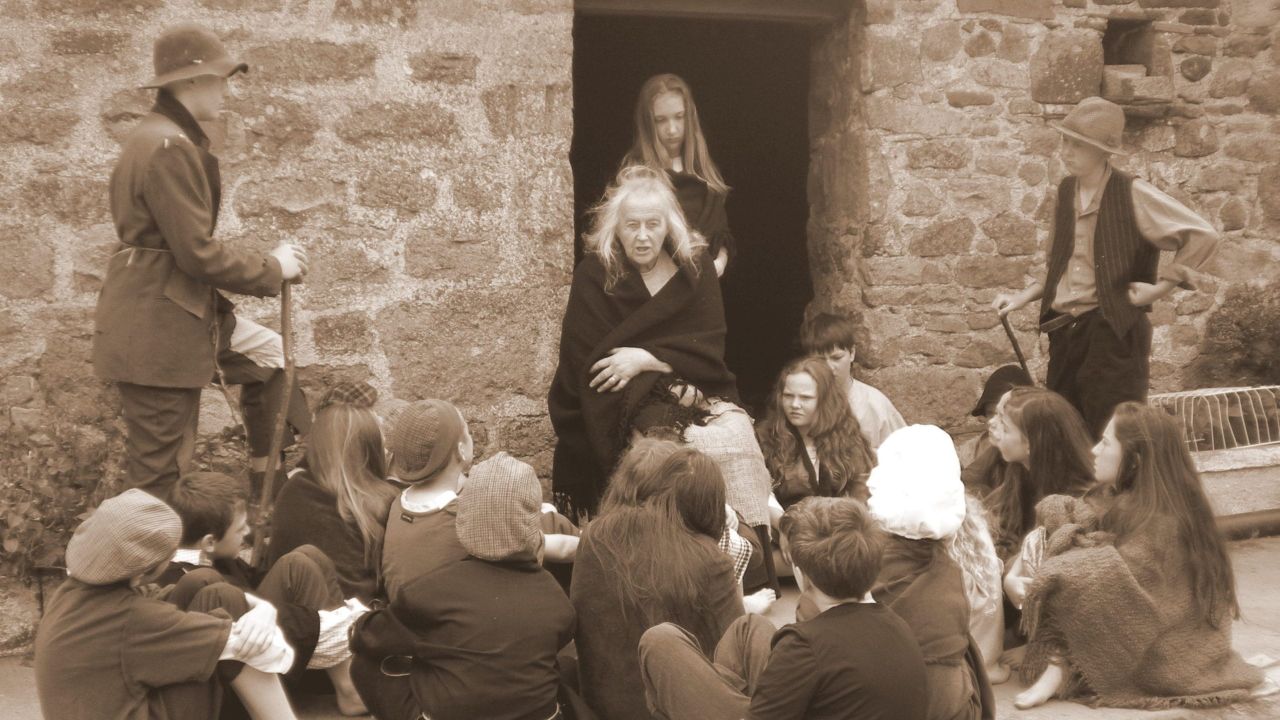
Much like the Irish storytellers who keep oral tradition alive, Scots have preserved the Red Cap tale as both entertainment and warning. It reminds us that stories are not merely told — they live, evolve, and haunt us still.

Final Thoughts: Blood, Memory, and Myth
The Legend of the Red Cap Goblin captures Scotland’s darker essence. Its haunted fortresses, violent history, and deep belief in the supernatural. It’s a tale that speaks of justice twisted by revenge, of spirits bound to the blood-soaked soil of their homeland.
As the wind whistles through the ruins of old castles. One might still imagine the echo of iron boots on stone and wonder if the Red Cap still guards his grim domain.
To explore more of Scotland’s ancient spirits and their ties to nature. Visit our Mythology & Folklore section or learn about the Celtic Oak Tree, another enduring symbol of strength and memory.