The Legend of the MacLeod Fairy Flag
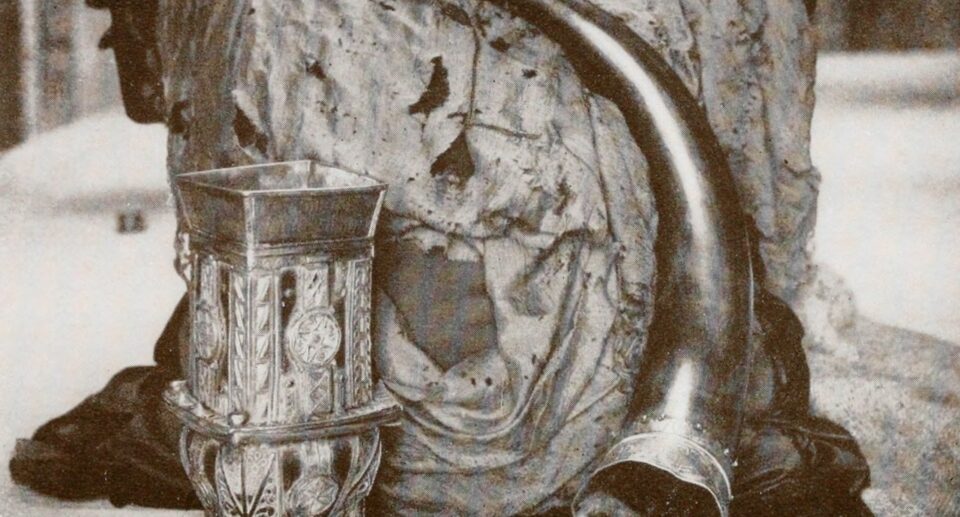
Few objects in Scottish tradition command as much reverence as the Fairy Flag of Clan MacLeod. Preserved at Dunvegan Castle on the Isle of Skye, the banner stands at the intersection of myth and lineage. Its story moves through battlefields, fairy mounds, and clan halls. It binds the visible and invisible worlds in one fragile piece of silk.
In the Highlands, history rarely walks alone. It travels with legend. The Fairy Flag offers one of the most compelling examples of that enduring union.
The Setting: Dunvegan Castle and Clan Memory
The Fairy Flag remains at Dunvegan Castle, the ancestral seat of Clan MacLeod. The fortress rises above Loch Dunvegan on the Isle of Skye. It anchors centuries of Highland history.
Clan identity shapes Scottish heritage. If you wish to understand the wider structure of kinship and loyalty in the Highlands, you may explore our guide on https://celtguide.com/how-many-scottish-clans/. The MacLeods occupy a prominent place within that story.
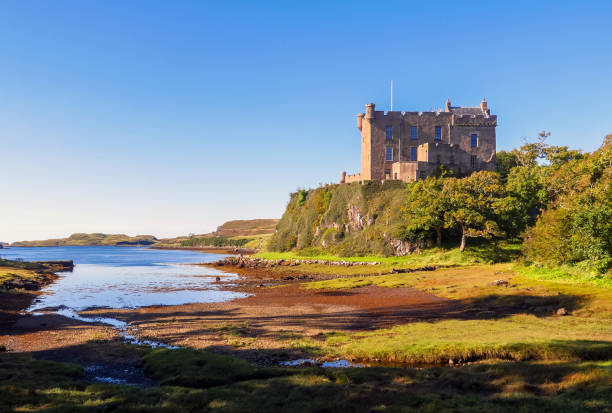
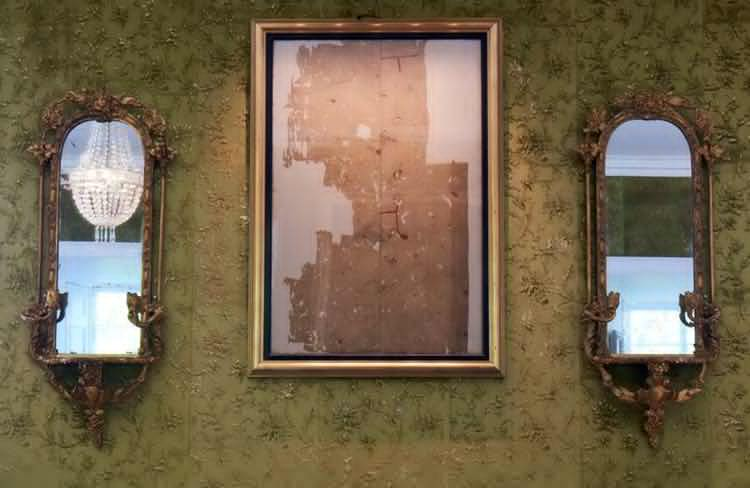
The Fairy Flag does not serve as mere decoration. Clan tradition holds that it carries protective power. Chiefs guarded it carefully. They unfurled it only in moments of grave peril.
The Origins of the Fairy Flag
Scholars and storytellers offer several origin narratives. Each version reveals something about Highland belief.
1. The Fairy Bride
The most beloved tale recounts that a MacLeod chief married a fairy woman. She bore him a son but could not remain in the mortal world forever. When she returned to the realm of the sìth, she left behind a silk banner for her child. She instructed the clan to wave it only three times in desperate need.
This narrative mirrors other Celtic encounters between mortals and supernatural women. Similar themes appear in stories of selkies and otherworldly unions. You can compare this motif with the maritime folklore discussed in https://celtguide.com/selkies-in-folklore/.
2. The Crusader’s Relic
Another tradition claims that a MacLeod ancestor brought the flag home from the Crusades. Some scholars suggest the fabric resembles Middle Eastern silk from the medieval period. This theory replaces fairy origins with historical contact.
Yet even this version preserves wonder. A relic carried across continents still gathers sacred significance.
The Three Times of Need
Clan lore insists that the Fairy Flag could be used only three times. Each unfurling would secure victory but diminish its power.
One account describes how the clan raised the banner during a cattle raid. Another recalls its use in a deadly clan conflict. A third story predicts a final moment still to come.
Notice the structure of three. Celtic narrative often employs triads to express completeness and destiny. We see this symbolic pattern across mythology, including in tales of divine abundance such as https://celtguide.com/cauldron-of-dagda/.
Fairy Faith in the Highlands
The Fairy Flag belongs to a wider system of Highland belief. The Gaels did not treat the Otherworld as distant fantasy. They considered it interwoven with daily life.
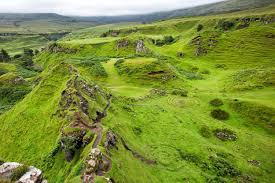
Sacred landscapes reinforced this worldview. Fairy glens, holy wells, and ancient stones shaped communal memory. You can explore related traditions in https://celtguide.com/legend-of-the-fairy-glen/ and https://celtguide.com/irish-holy-wells-portals-to-the-past-pathways-to-the-divine/.
Such stories do not reveal naïveté. They reveal a culture attuned to symbolism, land, and ancestry.
Material Culture and Sacred Textiles
Textiles carry profound meaning in Celtic societies. Tartans, shawls, and sashes express clan identity and continuity. For broader context on Highland dress and fabric symbolism, see https://celtguide.com/what-is-tartan/ and https://celtguide.com/scottish-tartan-shawls-a-timeless-blend-of-heritage-and-elegance/.
The Fairy Flag differs from tartan in origin, yet it fulfills a similar symbolic function. It embodies protection, belonging, and lineage. Fabric becomes a vessel of memory.
A Scholar’s Perspective: Myth and Authority
From a historical standpoint, the Fairy Flag operates as a charter myth. It legitimises authority, strengthens cohesion, and affirms divine or supernatural favor upon a ruling family.
Medieval Europe often grounded power in sacred objects. The MacLeods achieved the same effect through narrative continuity. Whether the silk came from fairies or crusaders matters less than the shared belief in its potency.
Folklore does not compete with history. It complements it. The story expresses emotional truth even when material evidence remains uncertain.
The Fairy Flag Today
Visitors to Dunvegan Castle still view the fragile banner. Conservators protect it from light and decay. The fabric has aged. The legend has not.
Modern Scotland continues to celebrate clan heritage through gatherings such as the Highland Games. If you plan to witness those traditions, consult https://celtguide.com/events-to-watch-in-highland-games-2025/.
The Fairy Flag now serves less as a battle standard and more as a cultural touchstone. It reminds descendants that identity flows through story as much as blood.
Why the Legend Endures
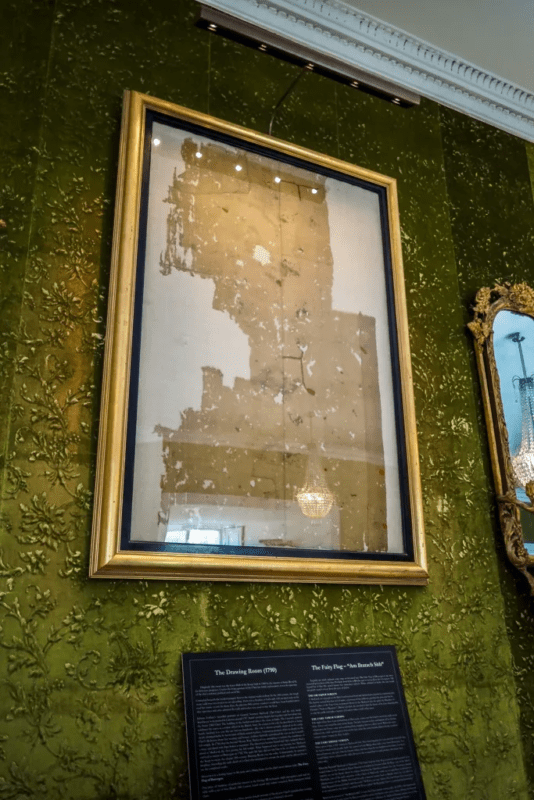
The legend of the MacLeod Fairy Flag endures because it satisfies three human needs:
- A sense of origin
- A promise of protection
- A link between earth and enchantment
In the Highlands, landscape and legend speak together. The wind across Skye still carries whispers of the sìth. The loch still reflects castle walls that have witnessed centuries of devotion.
When we study the Fairy Flag, we do more than recount a tale. We encounter the living fabric of Scottish memory.