

The Irish Potato Famine (An Gorta Mór): A Defining Tragedy in Irish History
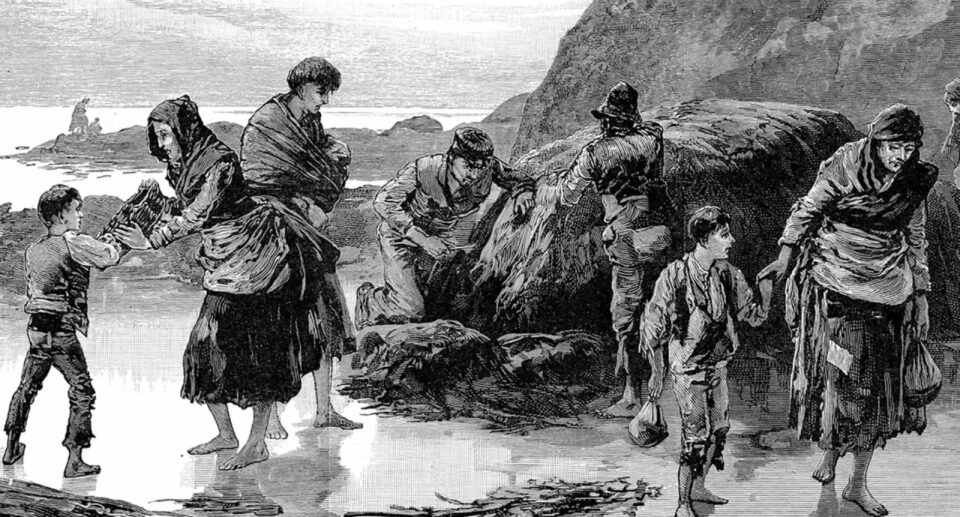
Few events shaped modern Ireland as profoundly as An Gorta Mór, the Great Hunger. Between 1845 and 1852, Ireland endured catastrophic crop failure, mass starvation, disease, and emigration. Over one million people died. Another million fled.
The famine did more than empty villages. It altered language, landholding, politics, and memory. It reshaped the Irish presence across the world.
To understand Ireland today, we must confront the famine directly.
What Caused the Irish Potato Famine?
The immediate cause was potato blight, a fungal disease known as Phytophthora infestans. It destroyed the staple crop on which millions depended.
Yet blight alone did not create catastrophe.
By the 1840s, many Irish tenants relied almost entirely on potatoes. British colonial land systems left small farmers vulnerable. Landlords exported grain and livestock while rural families starved. Relief efforts often moved slowly or proved inadequate.
The famine grew from ecological disaster and political failure alike.
For a deeper look at its long-term consequences, see The Influence of the Irish Potato Famine:
https://celtguide.com/the-influence-of-the-irish-potato-famine/
Life During An Gorta Mór
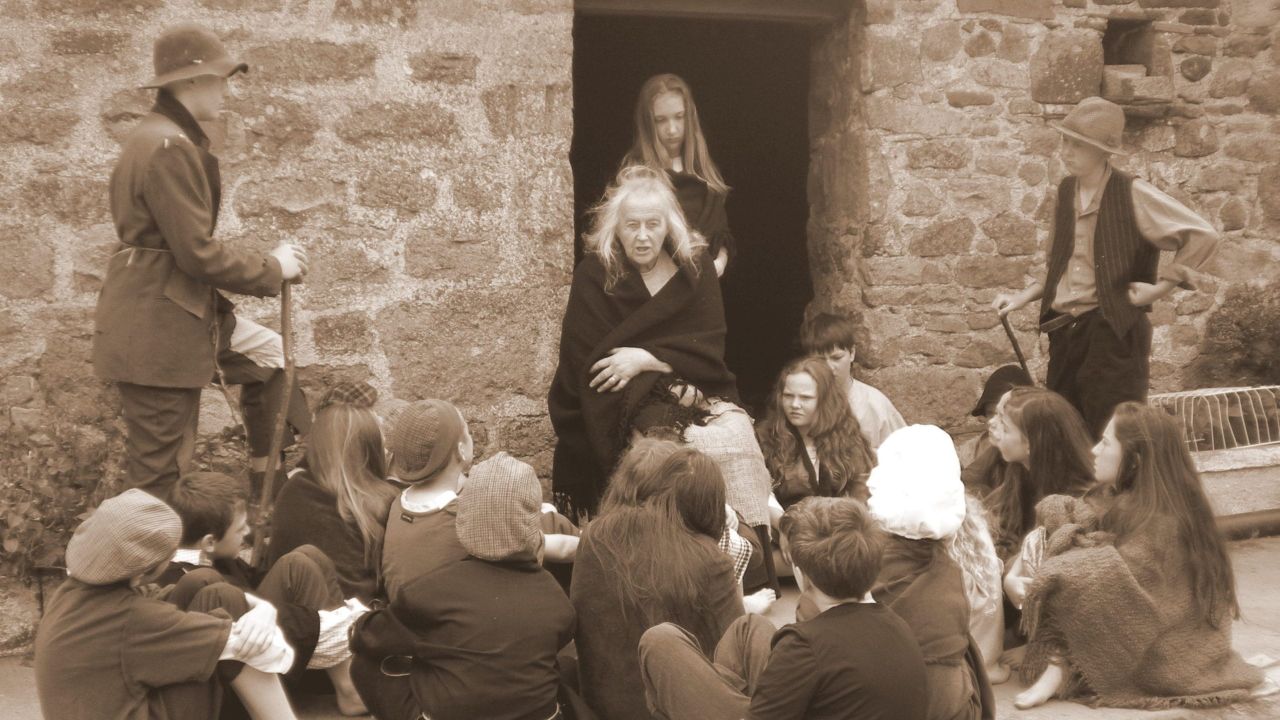
Eyewitness accounts describe skeletal figures, fever hospitals, and silent fields. Families sold possessions to buy food. Many walked miles to reach overcrowded workhouses.
Disease followed hunger. Typhus and cholera spread quickly through weakened communities.
Irish oral tradition preserved these memories. Story became survival. If you want to explore this cultural resilience, read Why Are Irish People Natural Storytellers?
https://celtguide.com/why-are-irish-people-natural-storytellers/
Even today, famine narratives carry moral force. They warn against indifference and injustice.
Mass Emigration and the Irish Diaspora
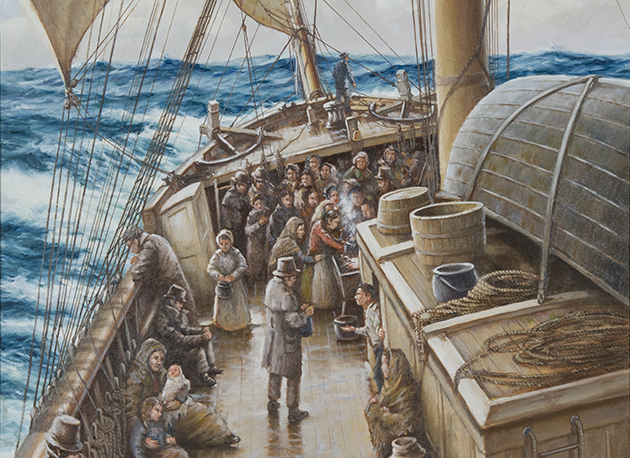
As conditions worsened, emigration surged. Ships carried families to Britain, North America, and Australia. Many vessels earned the grim title “coffin ships” due to high mortality rates.
This migration reshaped global demographics. Irish communities flourished abroad while rural Ireland emptied.
The diaspora carried traditions, music, and memory. Instruments such as the bodhrán and fiddle became cultural anchors overseas. Learn more about these traditions in:
- The Bodhrán Drum: https://celtguide.com/the-bodhran-drum/
- Fiddle Music: https://celtguide.com/fiddle-music/
Through music and story, emigrants maintained connection to home.
Cultural and Linguistic Impact
The famine accelerated the decline of the Irish language. Many Gaeltacht regions suffered severe population loss. Entire districts vanished.
Yet cultural memory persisted. Gaelic proverbs, lullabies, and religious texts continued to circulate in diaspora communities.
Explore related themes in:
- Gaelic Irish Proverbs: https://celtguide.com/gaelic-irish-proverbs/
- Scottish Gaelic Bible Translations: https://celtguide.com/scottish-gaelic-bible-translations/
Language endured because people carried it with them.
Political Consequences of the Great Hunger
The famine transformed Irish politics. It intensified nationalist sentiment. It hardened attitudes toward British governance.
Later independence movements drew emotional energy from famine memory. Commemorations reinforced collective identity.
National days such as The Significance of Saint Patrick’s Day reflect not only celebration but also survival:
https://celtguide.com/the-significance-of-saint-patricks-day/
The famine became a moral reference point in Irish political thought.
Landscapes Marked by Loss
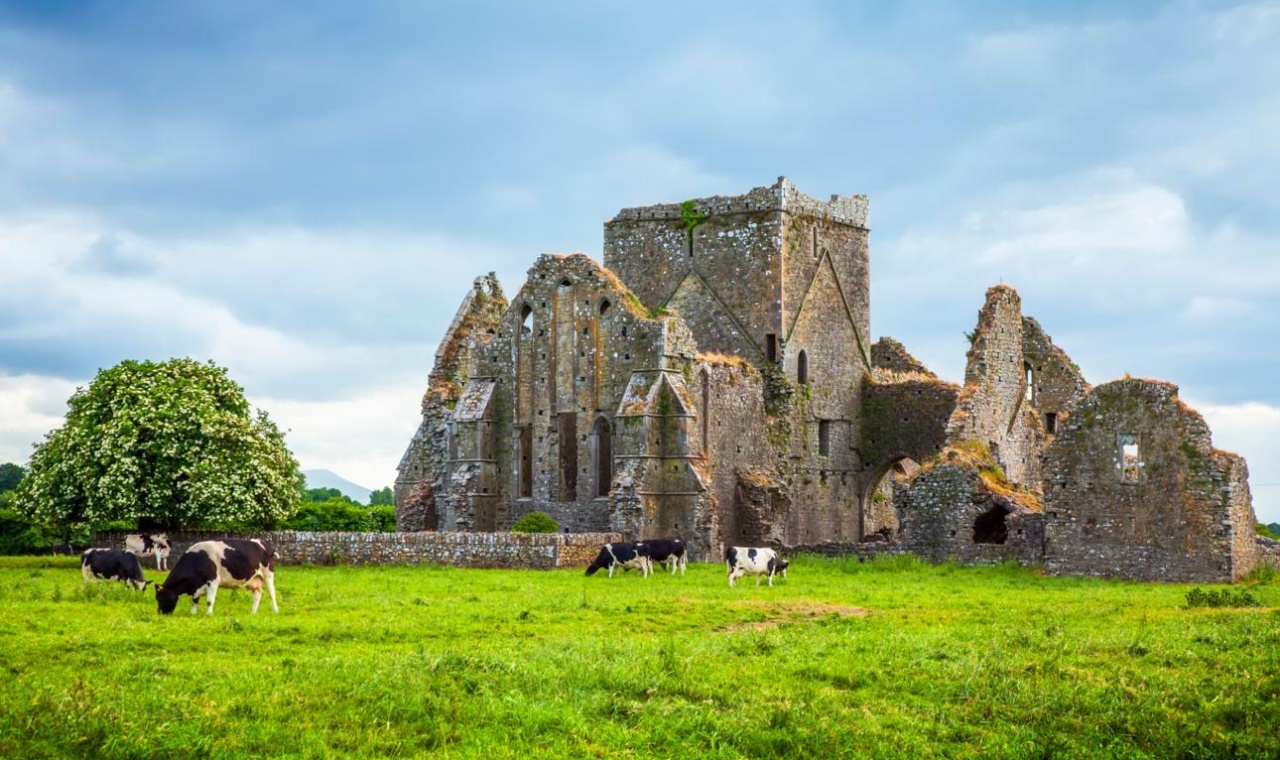
Travel through rural Ireland and you will see abandoned cottages, collapsed stone walls, and famine memorials. The land still carries evidence of rupture.
Sites such as the Ring of Kerry evoke both beauty and absence:
https://celtguide.com/ring-of-kerry/
Similarly, sacred landscapes like Hill of Tara remind visitors of Ireland’s deeper historical continuity:
https://celtguide.com/hill-of-tara/
The famine interrupted, but did not erase, that continuity.
Why An Gorta Mór Still Matters
The Irish Potato Famine remains central to discussions of colonialism, food security, and migration. Scholars debate British policy responses. Communities continue to commemorate the dead.
The famine also shaped identity. It influenced naming traditions, family memory, and diaspora consciousness. You can trace personal heritage through resources like Famous Irish Names and Their Meanings:
https://celtguide.com/famous-irish-names-and-their-meanings/
History here feels intimate. Many families can point to an ancestor who left or perished.
Frequently Asked Questions
What does An Gorta Mór mean?
An Gorta Mór means “The Great Hunger” in Irish. It refers to the Irish Potato Famine of 1845–1852.
How many people died during the Irish Potato Famine?
Historians estimate that over one million people died from starvation and disease.
Why did so many Irish people emigrate during the famine?
Crop failure, eviction, poverty, and limited relief forced many to seek survival abroad.
Did the famine affect the Irish language?
Yes. Many Irish-speaking regions suffered heavy population loss, accelerating language decline.
Final Reflection
An Gorta Mór stands as one of the most consequential tragedies in Irish history. It reveals how ecological crisis and political structure can collide with devastating effect.
Yet it also reveals resilience. Through story, music, and memory, the Irish people transformed suffering into identity.
To explore more on Irish history, culture, and tradition, visit our main blog archive:
https://celtguide.com/blog/
The famine changed Ireland forever. Its lessons still demand attention.