The Irish Fiddle: Heartbeat of Celtic Music
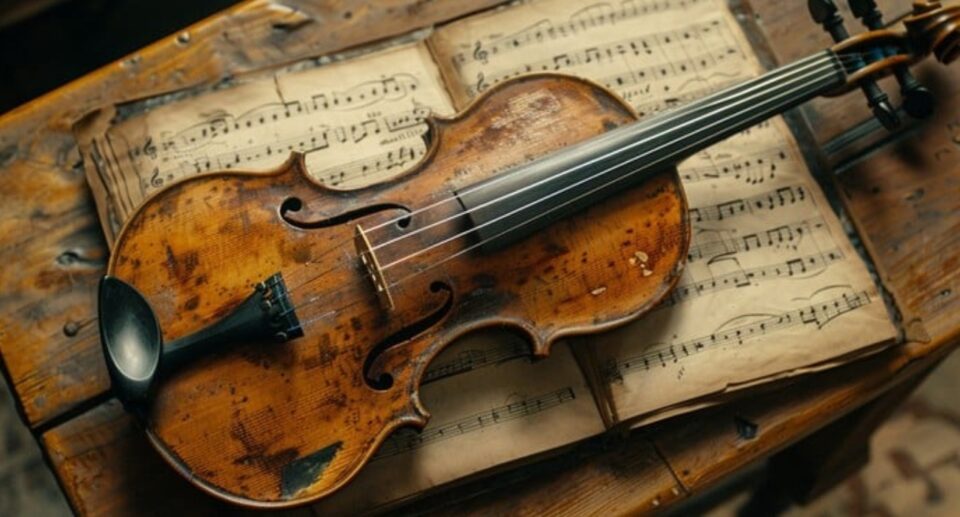
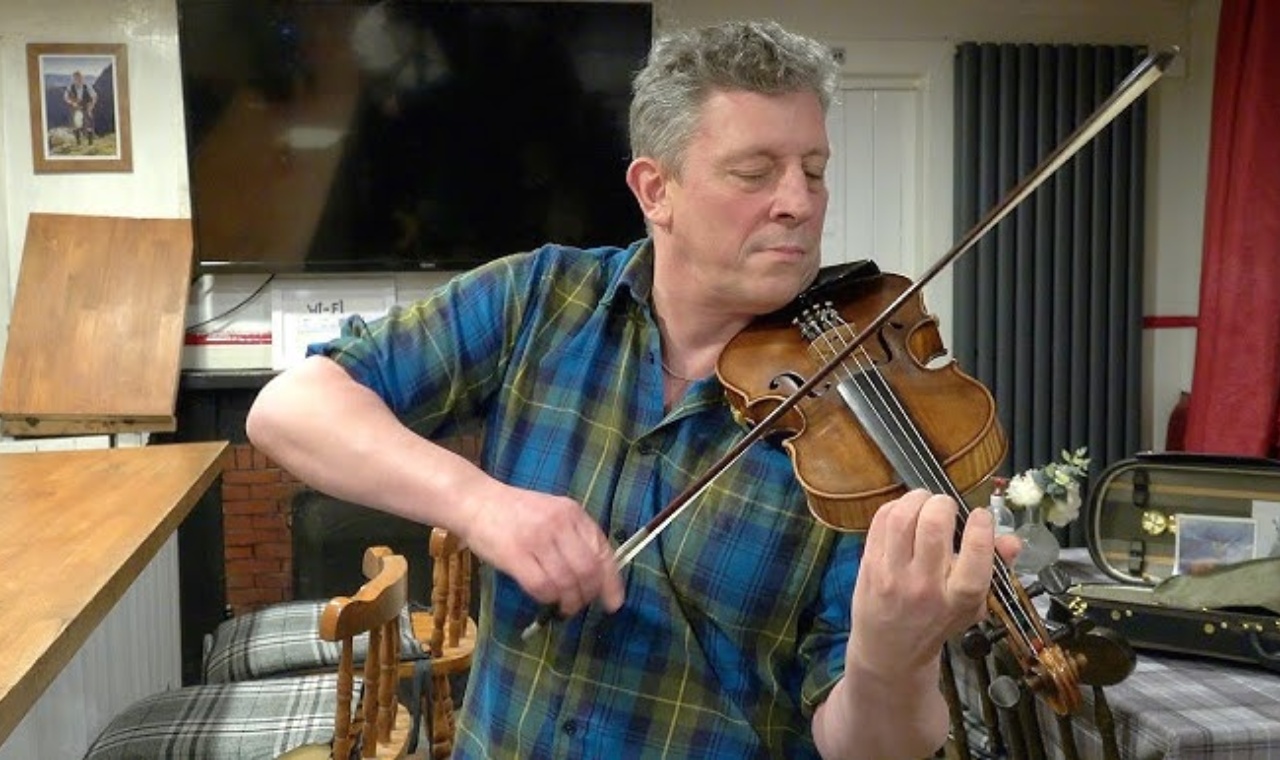
The Irish fiddle carries a sound that feels instantly alive. Its notes rise with joy, fall with sorrow, and dance with a rhythm that speaks to the soul. More than an instrument, the fiddle is a storyteller. One that holds centuries of Irish memory. When you hear it in a pub session or a festival, you sense the energy that shaped Irish culture long before modern music took the stage.
Where the Irish Fiddle Story Begins
The fiddle entered Irish life many centuries ago, and people welcomed it quickly. It blended well with the natural storytelling traditions that run deep in Irish culture. If you want to understand this tradition better, you might enjoy Why Irish People Are Natural Storytellers.
Irish communities used the fiddle for gatherings, harvest dances, weddings, and family celebrations. It soon became the central instrument of rural life, especially in counties like Clare, Sligo, and Kerry.
What Makes the Irish Fiddle Sound Unique?
Many instruments can play Irish tunes, but the fiddle captures the style best. That is because the Irish fiddle uses:
- Ornamentation – rolls, cuts, slides
- Rapid bow movements – for lively reels
- Swing and lift – that keeps dancers in motion
- Regional styles – each with its own identity

Fiddlers shape tunes in personal ways. No two players sound exactly alike, and that freedom creates the warm, human tone Irish music is known for.
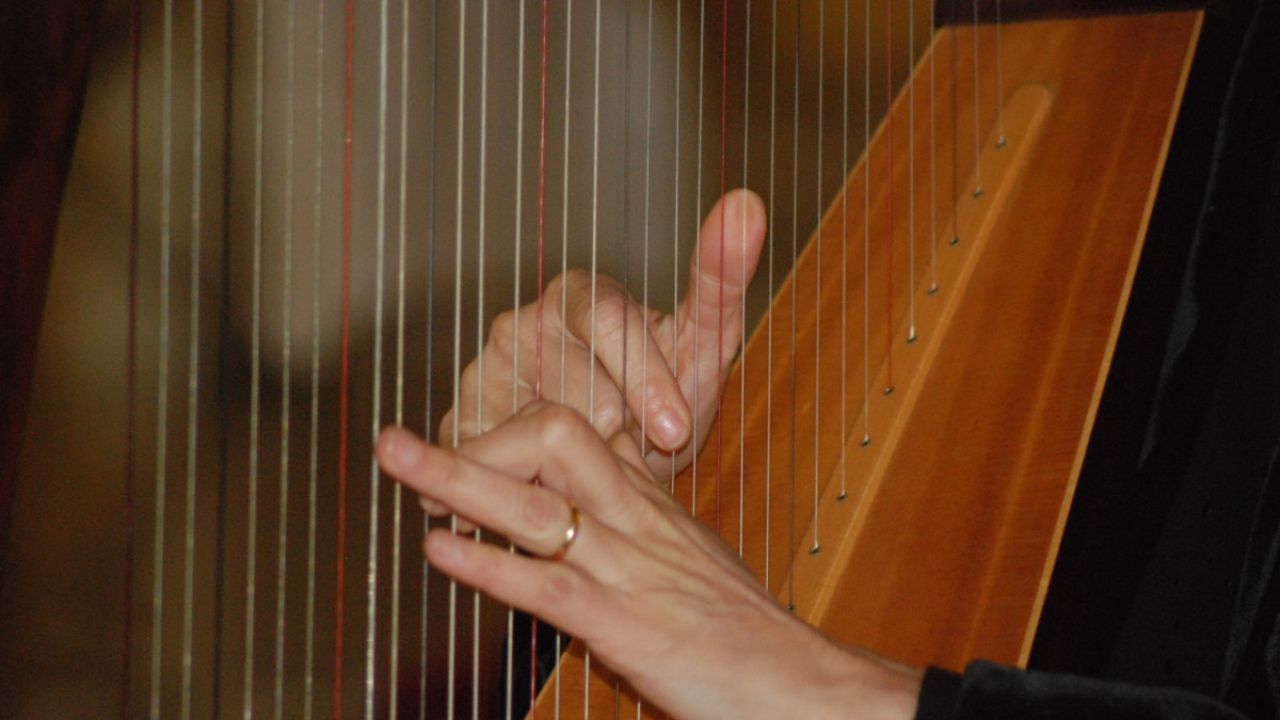
If you love learning how Celtic instruments create emotion, you might also enjoy What Is a Clarsach? or The Bodhrán Drum.
Dance Tunes That Keep the Tradition Alive
The Irish fiddle helps drive the most famous types of traditional dance tunes:
Reels
Fast-paced, energetic, and perfect for ceili halls.
Jigs
Recognizable by their “da-da-da” rhythm and lively swing.
Hornpipes
Smoother and more graceful, often with a strong dotted rhythm.
Airs
Slow, expressive melodies that allow the fiddle to sound almost like a human voice.
These tunes shaped ceili culture, still celebrated today. If you’re interested in group music traditions, you’ll enjoy the article on Ceili Bands.
Regional Styles in Irish Fiddle Playing
Different counties developed distinct fiddle identities. Each carries a story tied to landscape and local history.
Sligo Style
Fast, ornamented, and highly rhythmic.
Clare Style
Steady, relaxed, and deeply expressive.
Kerry Style
Lively, playful, and closely linked to dance culture.
These styles reflect how Irish communities shaped their music, even during difficult periods like famine and emigration. For a deeper look at cultural resilience, you may like The Influence of the Irish Potato Famine.
The Fiddle as a Cultural Storyteller
The Irish fiddle doesn’t just play melodies, it captures emotion. Many slow airs draw from legends, personal grief, and local tales. This connection between folklore and music sits at the heart of Irish identity, much like the stories of Selkies in Folklore or mythic figures such as the Celtic Sun God Lugh.

The fiddle makes these stories feel alive, even centuries after they were first told.
The Fiddle in Modern Ireland
Today, the Irish fiddle thrives more than ever. You’ll hear it:
- in pub sessions
- at festivals
- in contemporary folk bands
- in film soundtracks
- at cultural events around the world
Its sound still leads ceili gatherings and community celebrations, echoing the same spirit that shaped traditional Irish music.
For a related look at how musical instruments evolve, explore Fiddle Music on CeltGuide.
Why the Irish Fiddle Still Matters
The Irish fiddle holds a rare kind of cultural magic. It is simple in structure, but full of emotional range. It carries stories, memories, and traditions in every note. Whether lively or soft, its music brings people together—across generations, regions, and oceans.
If you want to explore more Celtic heritage, you can always browse the CeltGuide Blog for deeper connections across art, music, folklore, and history.