The Highland Kilt: History, Meaning & Scottish Style

Few garments express identity as deeply as the Highland kilt. It carries stories of clans, centuries of tradition, and the rugged spirit of the Scottish Highlands. When people around the world picture Scotland, they often imagine a proud Highlander standing against the wind, kilt swaying at his knees. The garment’s visual power comes from more than fabric; it comes from history.
If you want a quick introduction to the cloth behind the kilt’s beauty, you can explore our guide What Is Tartan?.
Where the Highland Kilt Began
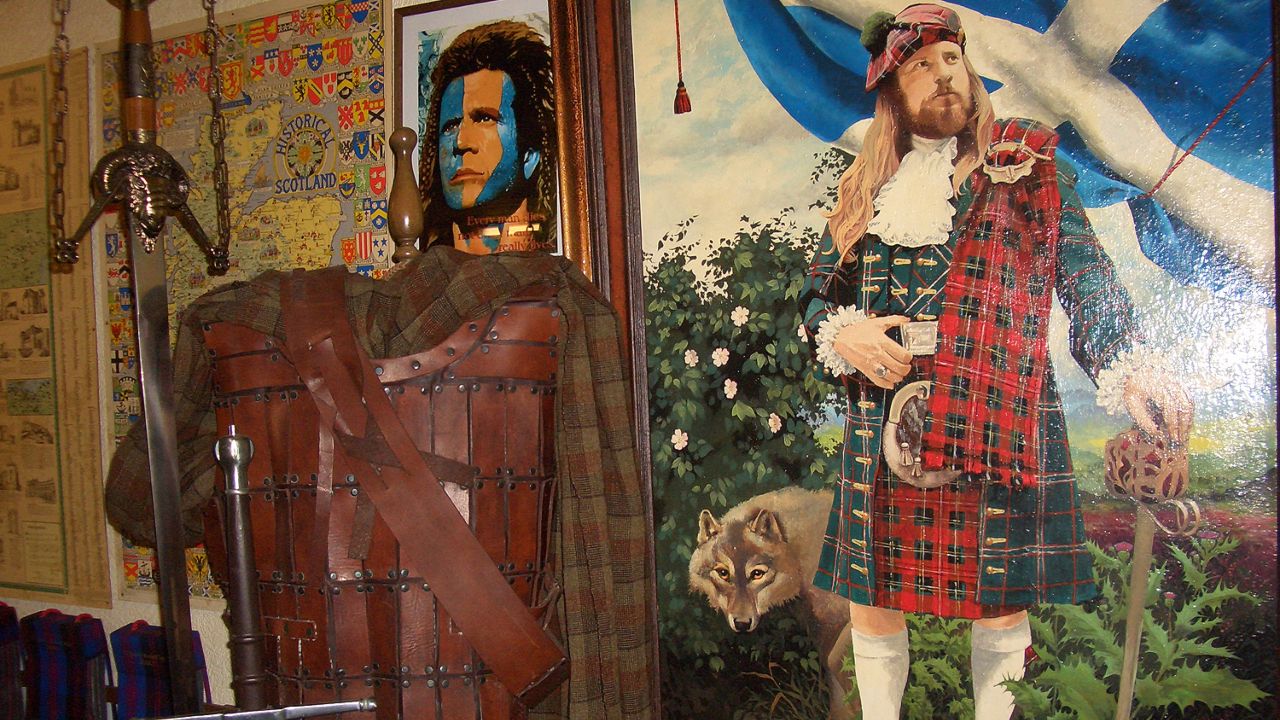
The kilt did not appear as a fully formed garment. It evolved slowly from earlier Highland clothing. In the 16th century, Highlanders wore the féileadh mór, or the “great kilt.” It wrapped the body from the waist down and draped over the shoulder. This design suited the Highland lifestyle. It worked as clothing, a cloak, and even a blanket during cold nights.
With time, tailors separated the upper draped section. This gave rise to the modern Highland kilt, which appears from the waist down and fits with pleats at the back.
To explore how tartan itself developed alongside the kilt, see How Long Has the Tartan Print Been Around?
The Kilt and Highland Identity
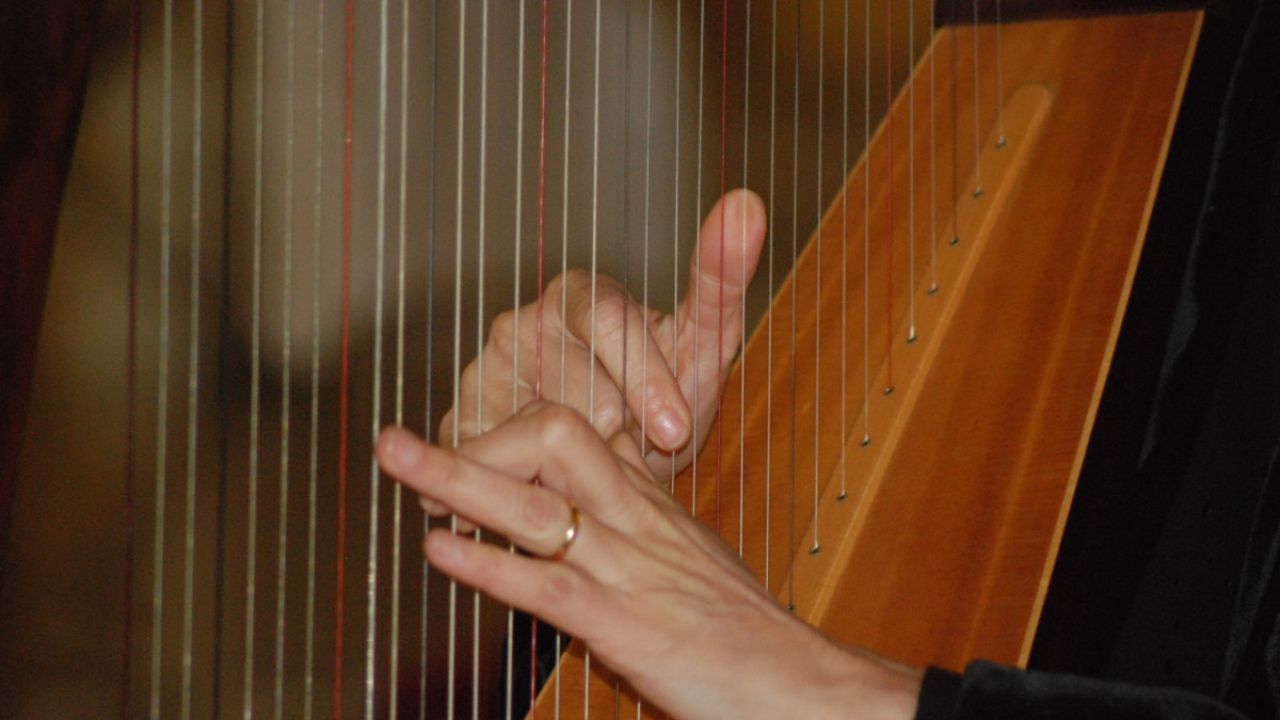
The Highland kilt stands as a cultural marker. It expresses loyalty, clan belonging, and pride. In Gaelic tradition, clothing often carried meaning, just as musical instruments like the clàrsach do—explored in our guide What Is a Clarsach?.
After the Jacobite rising, the kilt faced a difficult moment in history. British authorities banned Highland dress for several decades. Yet, the kilt survived. As soon as the ban ended, Highland communities embraced it again as a symbol of resistance, identity, and dignity.
Today, the kilt’s presence at weddings, Highland Games, and formal events shows that the garment still holds emotional power.
Why Tartans Matter in the Highland Kilt
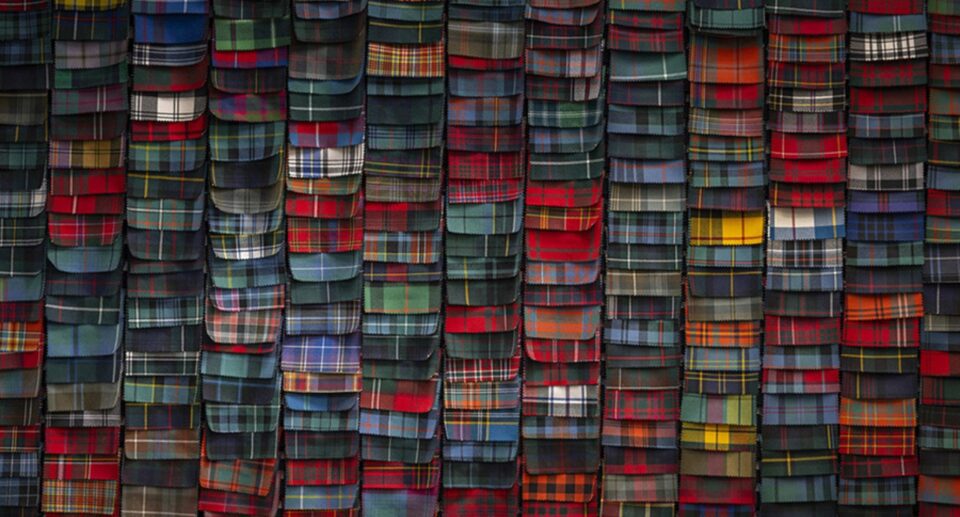
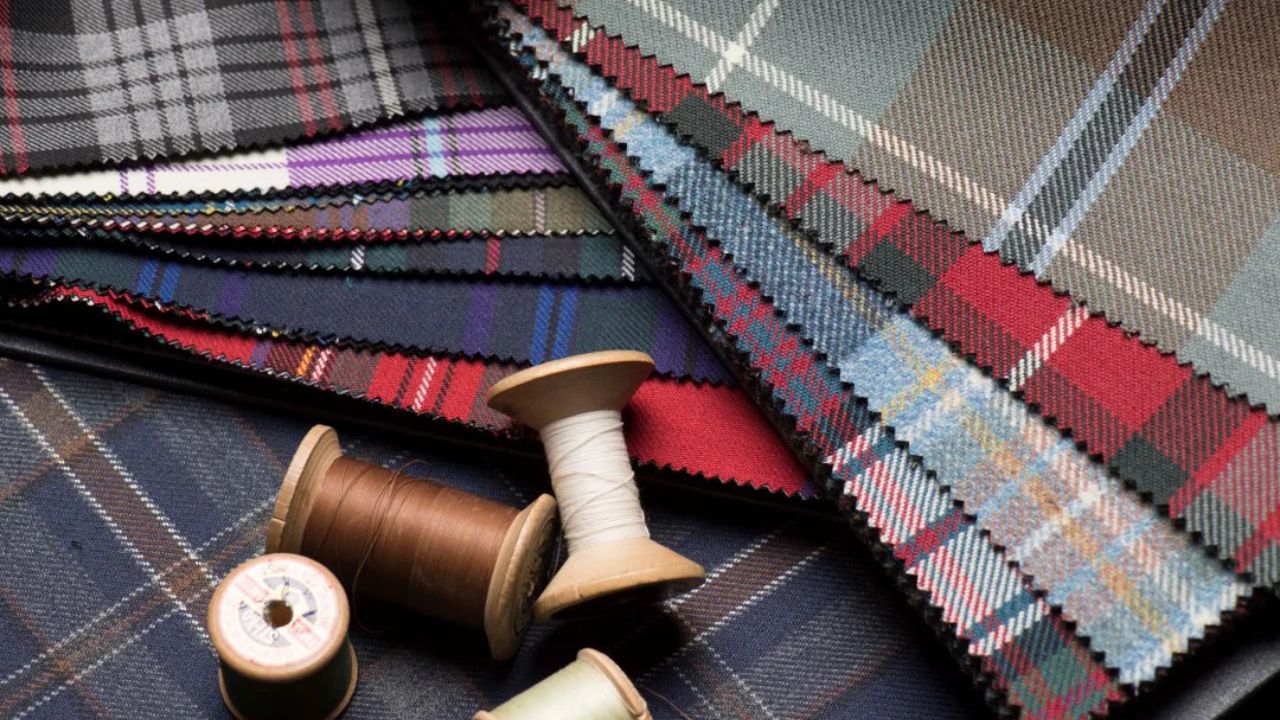
Every Highland kilt carries a tartan that links its wearer to a story. Tartans can represent clans, regions, or even military regiments. Many readers also enjoy exploring our deeper cultural guide on How Many Scottish Clans Exist?.
A tartan transforms a kilt from clothing into heritage. Its colours often reflect the landscapes of the Highlands—deep greens, stormy blues, heather purples, and earthy browns.
To explore tartan styles used in modern clothing, visit our article on Scottish Tartan Shawls.

How Highlanders Wear the Kilt Correctly
Wearing a kilt is simple, but the right fit matters. The pleats go at the back, the apron at the front, and the hem should fall around the knees. A sporran, hose, flashes, and ghillie brogues complete the traditional look.
If you want precise guidance, our step-by-step guide How to Measure for a Kilt helps you find the perfect size.
For anyone who enjoys accessorising, our article How to Wear a Tartan Sash offers simple styling ideas.
The Highland Kilt in Modern Culture
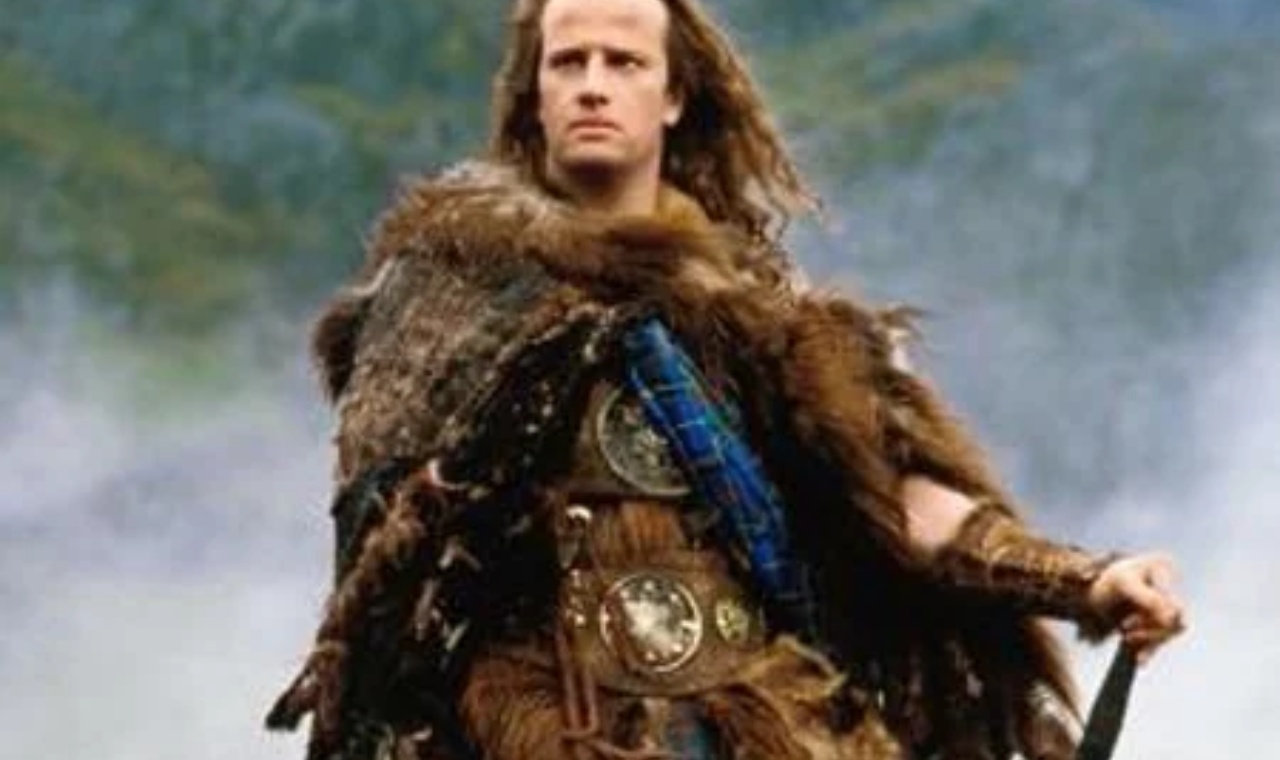
The Highland kilt appears far beyond Scotland. You’ll see it in global festivals, Scottish diaspora events, and even in Hollywood. Our article Kilts in Movies and Shows explores how the kilt entered modern storytelling.
The kilt also plays a major role at the Highland Games. Athletes compete in kilts as a nod to Highland tradition, blending heritage with physical strength.
For readers curious about Irish connections, we have comparisons in Do Irish Wear Kilts? and What Is an Irish Kilt?.
The Highland Kilt Across the Seasons
Scotland’s weather is famously unpredictable. The kilt handles wind and cold far better than many expect. Our guide Kilts and Scotland’s Weather explains how Highland clothing adapts to shifting temperatures.
Why the Highland Kilt Still Matters
The kilt remains a powerful symbol because it connects people to ancestry and place. It carries the confidence of Highland warriors, the artistry of weavers, and the resilience of a culture that survived hardship. You can explore more Celtic heritage on our full CeltGuide Blog.
The Highland kilt endures because it holds meaning, memory, and pride. It reminds every wearer, whether Scottish or simply a lover of Celtic traditions that heritage can live through the clothing we choose.