The Green Knight in Celtic Tales: Challenge and Mystery

The Green Knight emerges as one of the most compelling figures in Celtic-inspired tales. He bridges folklore, mysticism, and moral testing. Known primarily from the medieval poem Sir Gawain and the Green Knight, his origins trace back to Celtic storytelling traditions. These stories emphasize natural cycles, honor, and the consequences of human choice.
Unlike ordinary knights, the Green Knight represents challenge and transformation. His color, green; links him to nature, renewal, and the Otherworld, a realm explored in Celtic myths like Annwn:
https://celtguide.com/what-is-annwn/
Origins and Symbolism of the Green Knight
The Green Knight’s symbolism resonates with Celtic spiritual motifs. Green in Celtic lore symbolizes fertility, growth, and a connection to supernatural forces. He is not merely a man but an emissary of mystical law. The challenge he presents tests courage, honor, and adherence to societal and spiritual codes.
The poem describing him suggests he may derive from older Celtic figures who tested heroes, much like how other tales challenge the Tuatha Dé Danann in the Battle of Moytura:
https://celtguide.com/blog/
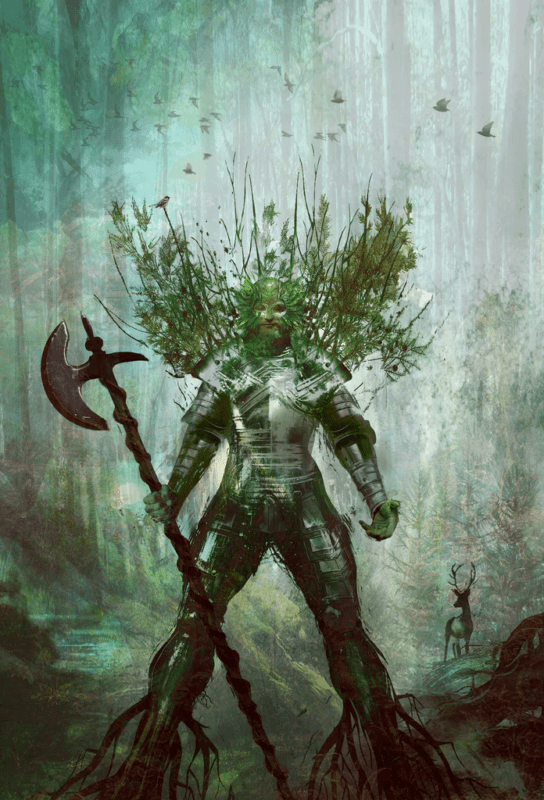
The Challenge: Testing Chivalry and Character
The Green Knight arrives at King Arthur’s court during a New Year feast. He issues a seemingly impossible challenge: any knight may strike him with an axe but must receive a return blow in one year.
This motif aligns with Celtic storytelling patterns. Stories often present heroes with moral or physical tests, forcing them to confront fear, honesty, and integrity. For readers, the Green Knight embodies a test of humanity and the natural law of reciprocity.
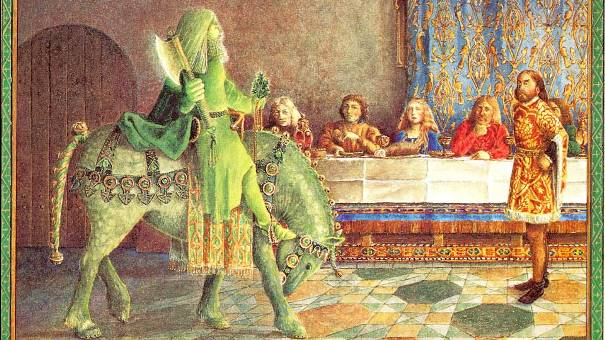
Celtic stories often highlight this moral balance. You can explore similar narrative traditions in why Irish people are natural storytellers:
https://celtguide.com/why-are-irish-people-natural-storytellers/
Connection to Celtic Nature and the Otherworld
The Green Knight’s green hue ties him to the Otherworld, a Celtic realm of spirits, abundance, and hidden knowledge. He embodies the wilderness that challenges human civilization.
This symbolic interplay echoes other Celtic legends where land, magic, and human action intertwine. For instance, in tales of selkies, transformation tests moral understanding, much like the Green Knight’s challenge:
https://celtguide.com/selkies-in-folklore/
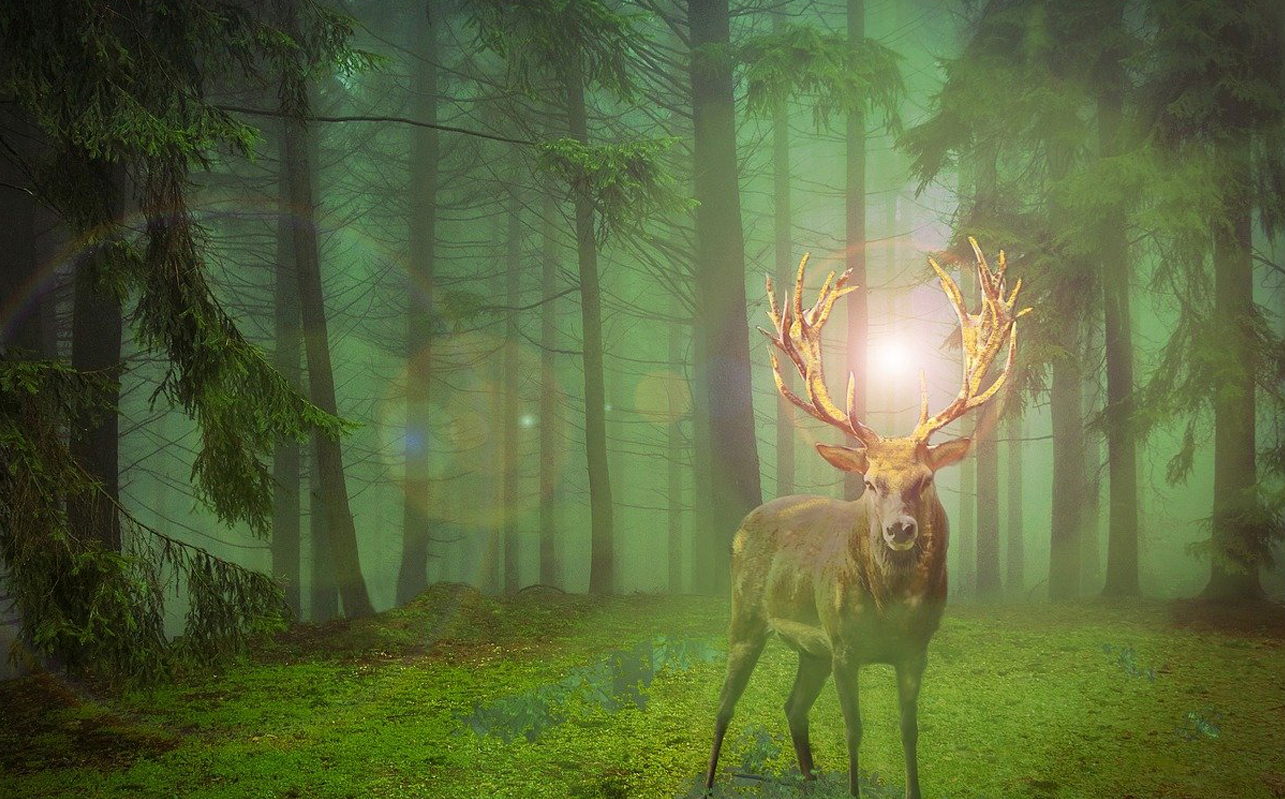
The Green Knight and Heroic Growth
Sir Gawain, who accepts the Green Knight’s challenge, learns lessons of humility and moral strength. The tale illustrates that heroism is more than skill in battle; it is about honor, truth, and navigating the unknown.
Celtic myths frequently blend human experience with spiritual insight. Heroes are often shaped by their encounters with supernatural figures. The Green Knight, therefore, functions both as a narrative pivot and a symbol of personal and ethical growth.
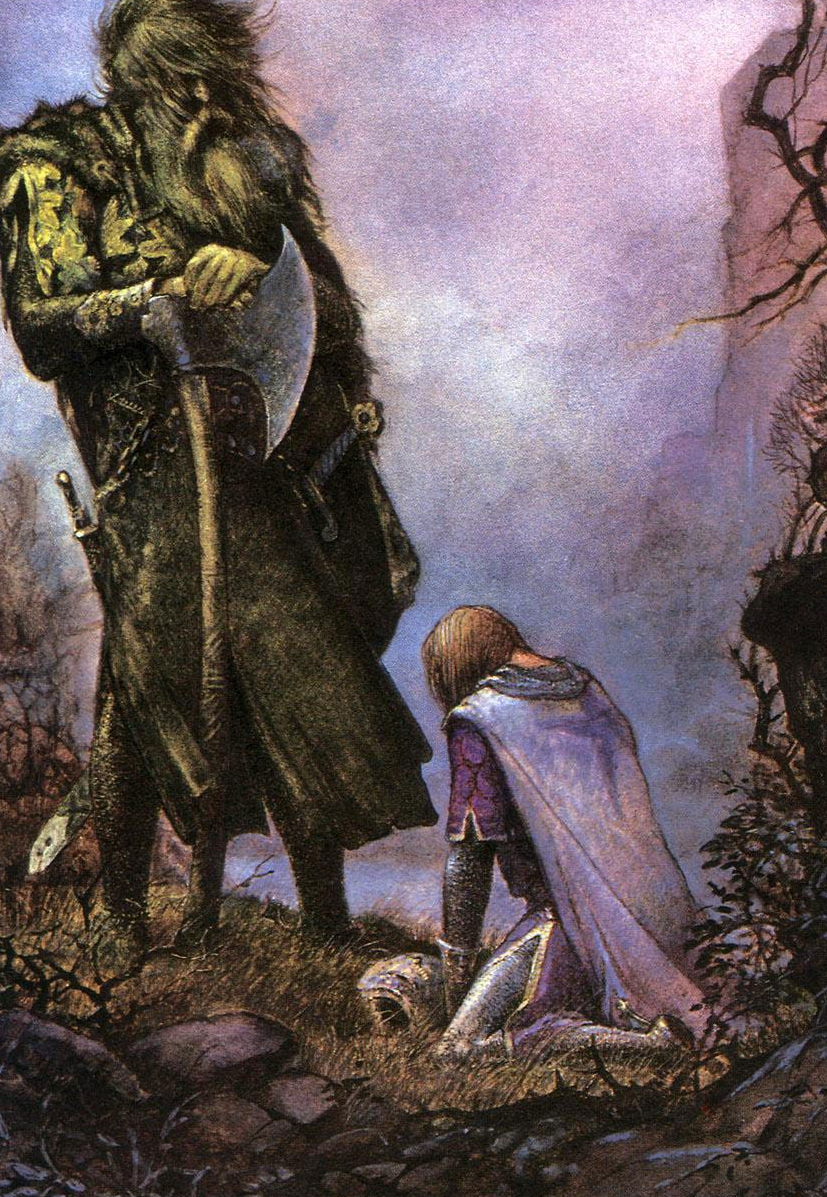
Why the Green Knight Matters Today
The Green Knight endures because he represents more than medieval chivalry. He connects readers to a Celtic worldview where nature, morality, and the Otherworld interact. His challenge is timeless: every choice carries consequences. Courage, honesty, and humility are tested against forces beyond ordinary comprehension.
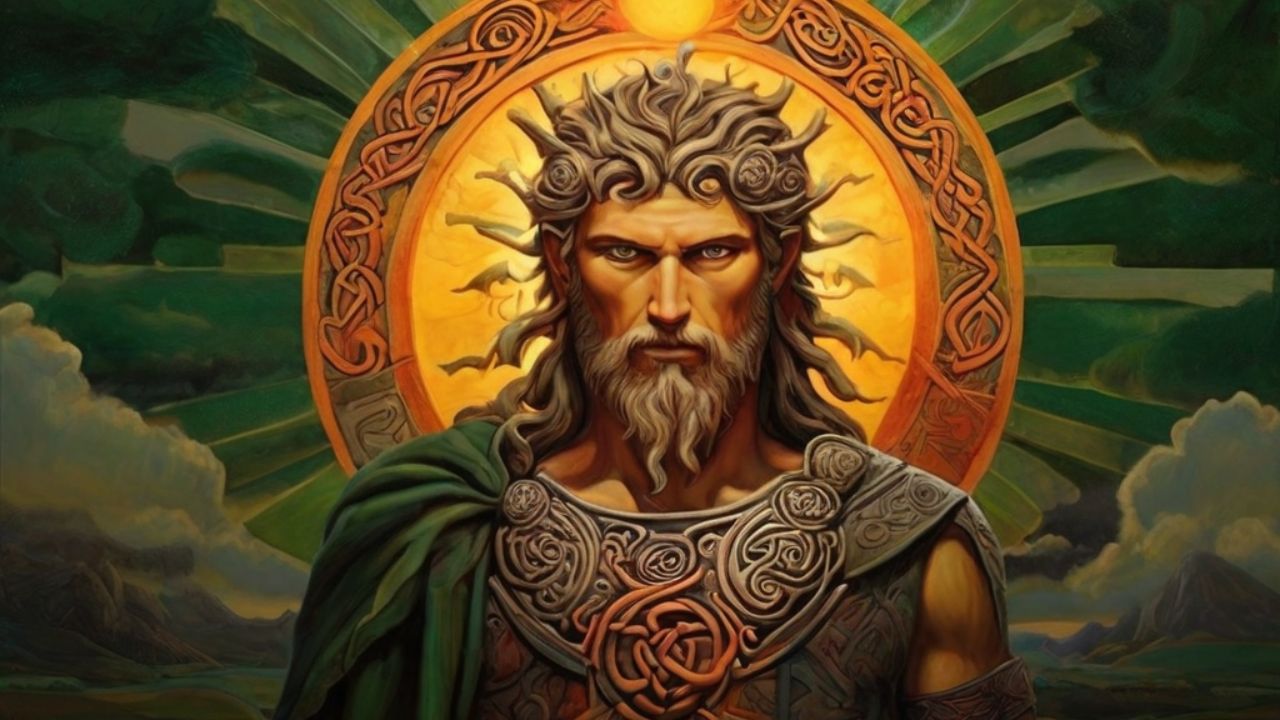
Exploring this legend enhances understanding of Celtic mythic patterns and the moral frameworks embedded in medieval storytelling. Similar explorations include the Celtic sun god Lugh, who blends heroism and cosmic order:
https://celtguide.com/celtic-sun-god-lugh/
Final Thoughts
The Green Knight is not merely a character; he is a narrative force. His green presence reminds us that life, like the Celtic forest, is full of tests. Heroes must respond with courage, wisdom, and integrity.
Through the Green Knight, Celtic tales continue to teach, challenge, and inspire, centuries after their creation.