The Celtic Story of the Fisher King: Land, Loss, and Renewal

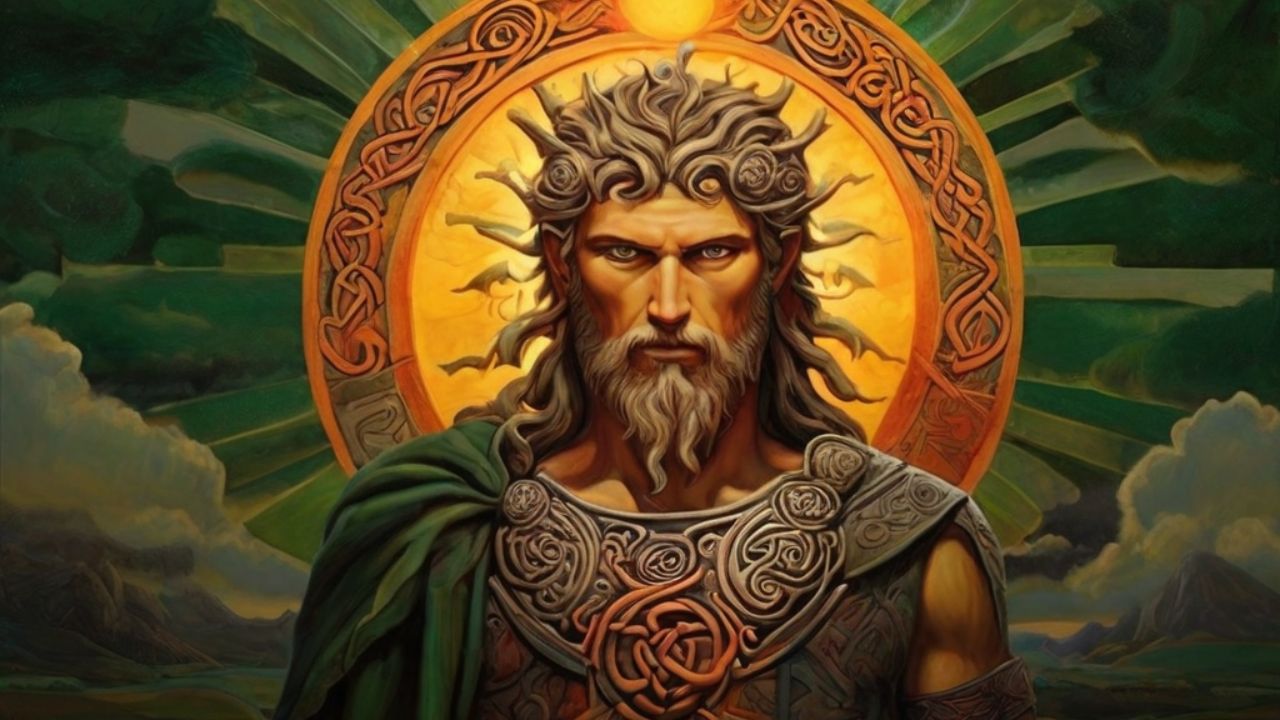
Among the many figures who move through Celtic and Arthurian myth, none feels as quietly powerful as the Fisher King. He does not conquer. He does not boast. Instead, he waits. His suffering mirrors the land he rules, and his healing depends on understanding rather than force.
This story belongs to a broader Celtic tradition where myth explains human responsibility to nature and community. It also reflects why storytelling holds such authority in Celtic cultures, a theme explored in why Irish people are natural storytellers.
Who Is the Fisher King?
The Fisher King appears as a wounded ruler whose injury renders his kingdom barren. Crops fail. Rivers slow. Life loses rhythm. He spends his days fishing, a symbolic act that suggests patience rather than power.
In Celtic-influenced traditions, the king does not stand above the land. He exists within it. His health and the land’s fertility remain inseparable. This idea echoes older mythic kingship models found across Celtic Europe.
The Wound and the Wasteland
The Fisher King’s wound often strikes the thigh or groin, a deliberate symbolic choice. In myth, this injury represents broken vitality and failed guardianship. Because the king suffers, the land suffers with him.
Celtic myth repeatedly links human action to environmental balance. Sacred landscapes, stone symbols, and ritual sites reinforce this worldview, as discussed in Celtic stone carvings. The Fisher King’s kingdom becomes a living lesson rather than a punishment.
The Grail Question and the Path to Healing
Healing does not arrive through battle. It comes through a question. In many versions of the legend, a visitor enters the Fisher King’s hall and witnesses the Grail procession. The king waits for the visitor to ask the right question, often phrased as concern rather than curiosity.
This moment reflects a distinctly Celtic moral framework. Wisdom requires empathy. Silence carries consequences. When the visitor fails to ask, suffering continues.
Such ethical storytelling parallels Gaelic proverb traditions, where meaning unfolds slowly through reflection rather than command (see Gaelic Irish proverbs).

The Fisher King and Celtic Sacred Objects
The Grail itself likely draws from earlier Celtic ritual vessels. Cauldrons appear frequently in Celtic myth as sources of abundance and renewal. The Cauldron of Dagda, for example, never runs empty and restores balance to the world (explored in Cauldron of Dagda).
These objects do not grant power automatically. They respond to worthiness. This distinction matters. Celtic myth values harmony over domination.
Music, Memory, and Oral Transmission
The Fisher King story survived because people told it aloud. Music often accompanied these tales. The clàrsach, or Celtic harp, shaped mood and memory within noble halls (what is a clàrsach). Rhythms from drums like the bodhrán anchored storytelling in communal experience (the bodhrán drum).
Through sound, myth stayed alive and adaptable.

Why the Fisher King Still Matters
The Fisher King remains relevant because his story asks difficult questions. What happens when leadership ignores responsibility? Can healing occur without humility? Celtic myth does not rush to answer. It invites reflection.
In a modern world facing environmental and ethical strain, the Fisher King offers a quiet warning. Restoration begins with awareness. Action follows understanding.
The Fisher King in the Wider Celtic Mythic World
The Fisher King belongs alongside figures tied to sacred realms and thresholds, such as Annwn, the Celtic Otherworld (what is Annwn). These stories remind us that myth does not escape reality. It frames it.