
The Celtic Cauldron of Abundance Explained
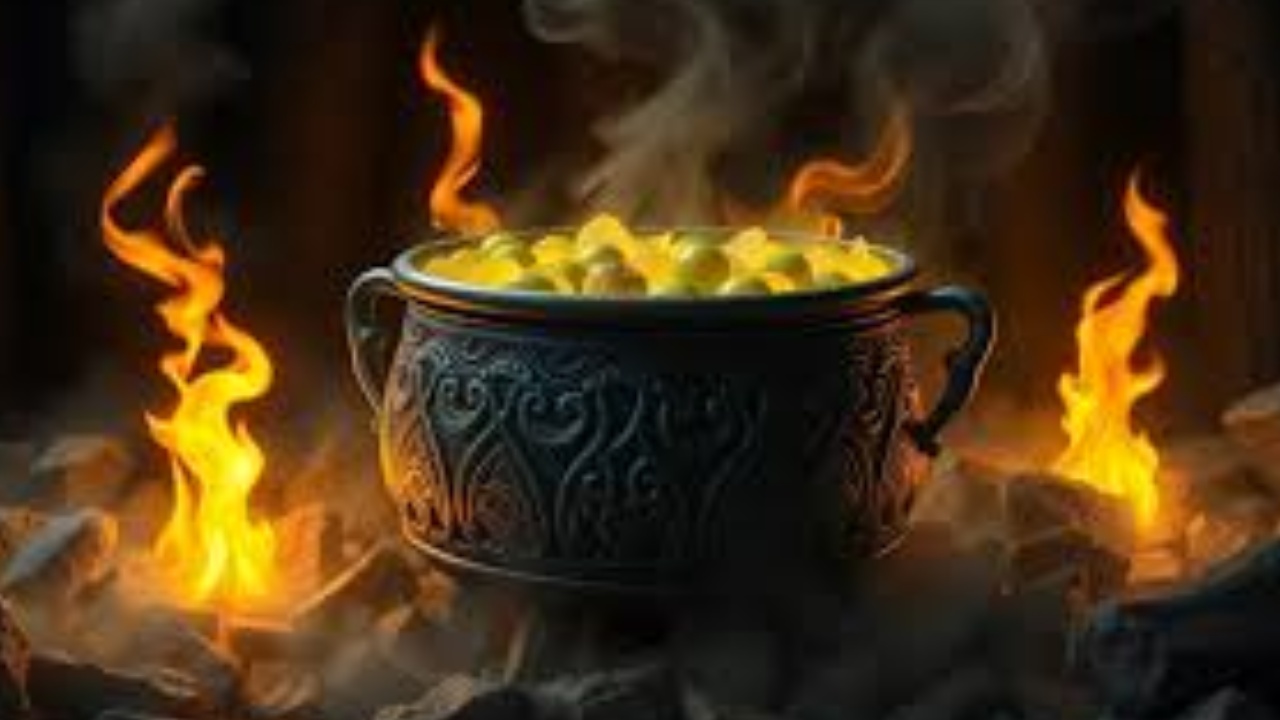
The Celtic Cauldron of Abundance stands at the heart of Celtic myth. It promises nourishment, renewal, and spiritual power. In Irish and Welsh traditions, it feeds warriors, restores the fallen, and reveals hidden wisdom.
As a scholar of Celtic belief systems, I find that the cauldron does more than fill stomachs. It embodies sovereignty, generosity, and divine authority. It anchors ritual life and sacred storytelling across Ireland, Scotland, and Wales.
What Is the Celtic Cauldron of Abundance?
In simple terms, the Celtic cauldron is a magical vessel that never runs empty. It provides endless food and sometimes restores life. But its deeper meaning reaches further.
The cauldron symbolizes prosperity, rebirth, and sacred knowledge. It links earth and Otherworld. It also represents the responsibility of leadership. A true king feeds his people. A divine ruler sustains both body and spirit.
In Irish mythology, the most famous example appears in the tale of the Dagda.
The Dagda’s Cauldron: Ireland’s Vessel of Plenty
The Irish god known as the Dagda owns one of the Four Treasures of the Tuatha Dé Danann. His cauldron leaves no company unsatisfied. No warrior walks away hungry.
You can explore this myth in detail in our guide to the Cauldron of Dagda:
https://celtguide.com/cauldron-of-dagda/
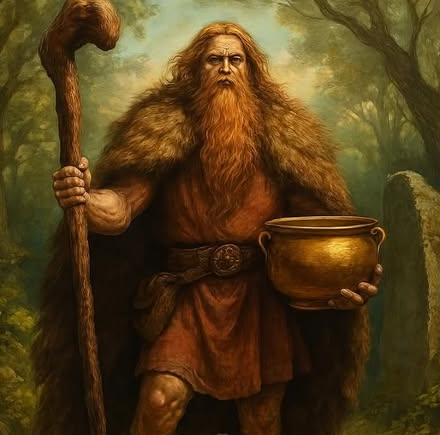
The Dagda himself belongs to the Tuatha Dé Danann, a supernatural race who shaped early Irish mythic history. His cauldron expresses abundance, but also justice. He distributes food fairly. He embodies balance.
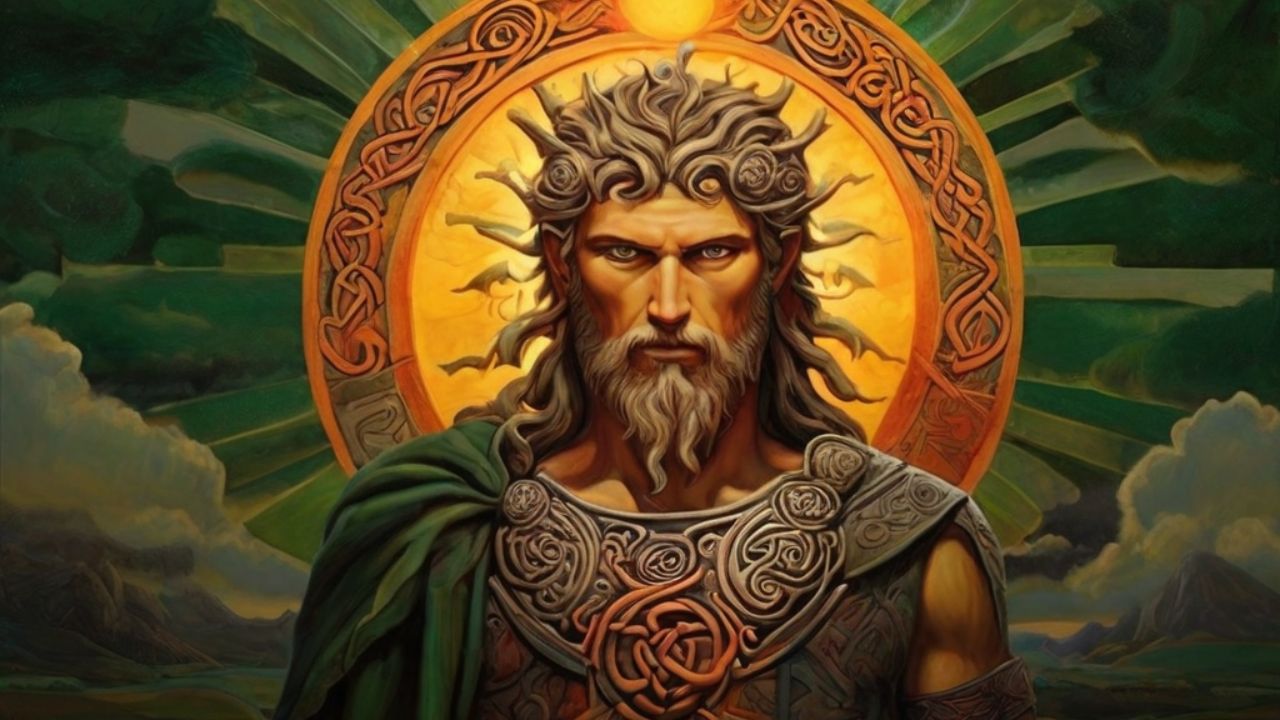
The same divine family includes figures like Lugh, whom we discuss in our article on the Celtic Sun God:
https://celtguide.com/celtic-sun-god-lugh/
Together, these deities reveal how nourishment, light, and kingship intertwine.
The Welsh Cauldron and the Otherworld
Welsh tradition offers a striking parallel. In the Mabinogi, a magical cauldron restores the dead to life, though they return without speech. This darker version underscores a key Celtic theme: rebirth carries consequences.
Welsh myth also speaks of the Otherworld known as Annwn. We explore this realm in depth here:
https://celtguide.com/what-is-annwn/
Annwn does not resemble a place of punishment. It shines with beauty and abundance. The cauldron often serves as a bridge between that realm and the human world. It grants access, but demands respect.
Symbolism of the Cauldron in Celtic Thought
The cauldron operates on three symbolic levels:
1. Physical Nourishment
It feeds the tribe. In agrarian societies, food equals survival. The vessel therefore signals prosperity and communal security.
2. Spiritual Renewal
The cauldron restores vitality. In some tales, it revives warriors. In others, it grants poetic inspiration.
This link between inspiration and sacred sound appears in our discussion of ancient ritual objects such as Celtic bells:
https://celtguide.com/the-echo-of-ancestors-how-celtic-bells-ring-through-time/
3. Sovereignty and Authority
Only a rightful ruler controls the cauldron. It validates kingship. The leader who feeds the land protects the land.
You can see similar symbolism in sacred landscapes such as the Hill of Tara, long associated with Irish kingship:
https://celtguide.com/hill-of-tara/
Cauldrons in Ritual and Archaeology
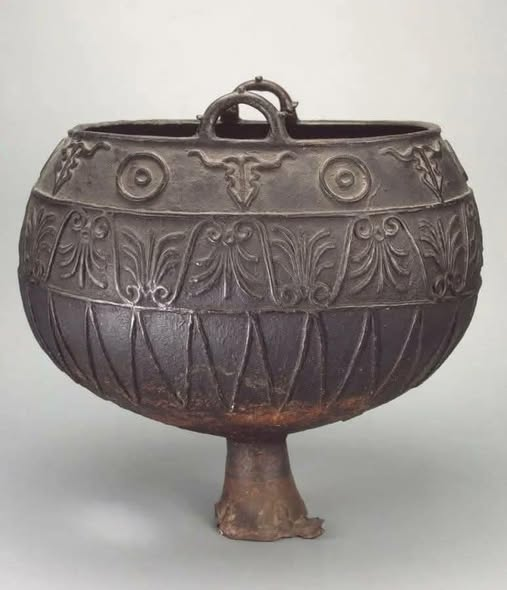
Archaeologists have uncovered large bronze cauldrons in bogs and rivers across Celtic regions. Many scholars argue that communities used them in ritual feasting. Some likely served as votive offerings.
Celtic stone art often depicts swirling motifs and symbolic vessels. Our article on Celtic stone carvings explores these visual traditions:
https://celtguide.com/celtic-stone-carvings/
These carvings remind us that myth rarely floats free from material culture. People shaped belief with their hands.
Storytelling and the Cauldron Motif
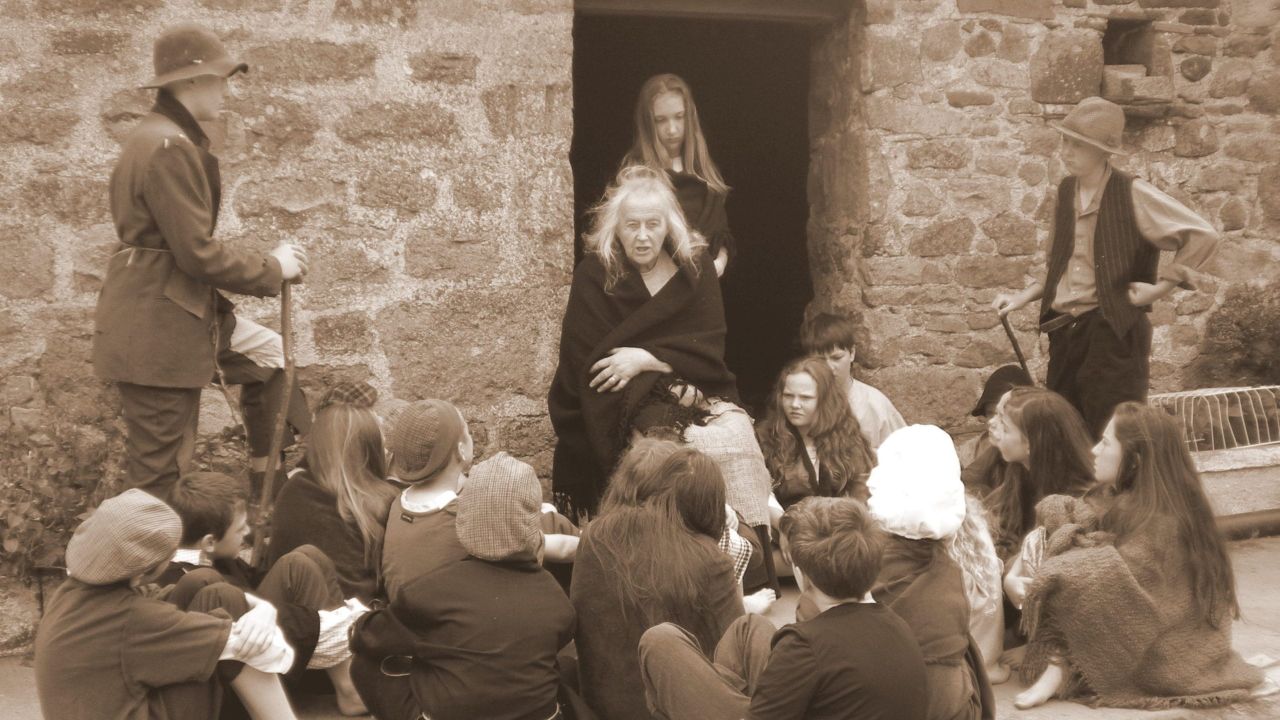
The Celtic world preserved myth through oral tradition. The cauldron thrives in these narratives because it captures attention. It satisfies hunger while stirring imagination.
If you wonder why such tales endure, read our exploration of why Irish people are natural storytellers:
https://celtguide.com/why-are-irish-people-natural-storytellers/
The cauldron functions as a narrative engine. It introduces conflict, tests heroes, and rewards virtue.
The Cauldron in Broader Celtic Culture
The theme of abundance also surfaces in music, ritual, and seasonal festivals. Consider how communal gatherings at the Highland Games reinforce ideas of shared strength and celebration:
https://celtguide.com/events-to-watch-in-highland-games-2025/
Or explore how community memory survives in traditions like the Irish wake:
https://celtguide.com/heartbeat-of-farewell-irish-wake-traditions-through-a-celtic-lens/
Both echo the cauldron’s promise: the community sustains its members.
Why the Celtic Cauldron Still Matters
Modern readers often treat myth as distant fantasy. Yet the Celtic Cauldron of Abundance speaks directly to contemporary concerns.
It asks simple questions:
- Who feeds the community?
- How do we share resources?
- What makes a leader worthy?
In a world marked by scarcity anxiety, the image of an ever-full vessel offers hope. It reminds us that generosity builds strength. Community ensures survival.
Final Reflection
The Celtic Cauldron of Abundance does not merely promise food. It encodes a worldview. It teaches that prosperity flows from divine order and communal care.
When we read these myths today, we do not just study the past. We engage with enduring questions about power, generosity, and renewal.
For more explorations of Celtic mythology and folklore, visit our Mythology & Folklore category:
https://celtguide.com/category/mythology-folklore/
And continue your journey through the living traditions of the Celtic world.