
Scottish Sea Monsters in Folklore
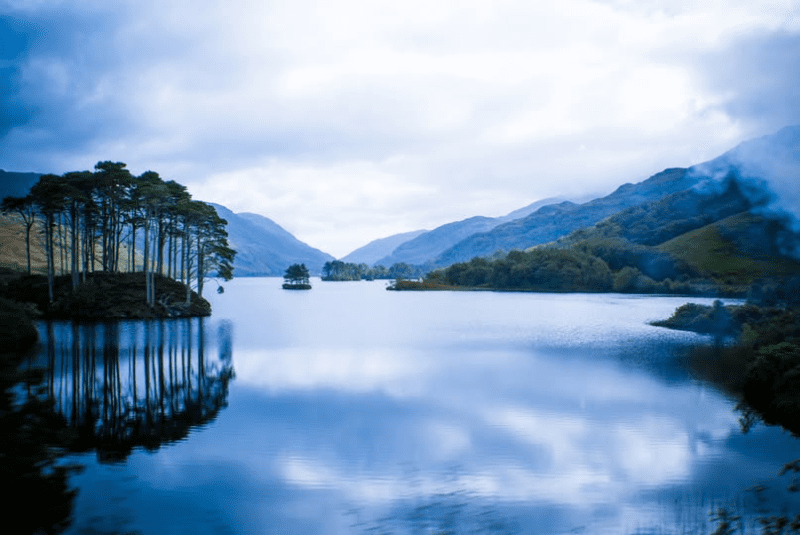
Scotland’s coastline stretches for thousands of miles. Its sea lochs cut deep into the land. Its waters turn dark under cloud and wind. In such a landscape, imagination does not require encouragement. It thrives naturally.
Scottish sea monsters belong to that imaginative tradition. They rise from tidal currents, freshwater depths, and communal memory. Like the myths explored in https://celtguide.com/legend-of-the-fairy-glen/ and https://celtguide.com/the-linton-worm/, these stories reveal how landscape and lore intertwine.
Let us look closely at the creatures said to haunt Scotland’s waters.
The Kelpie: Shape-Shifter of River and Loch
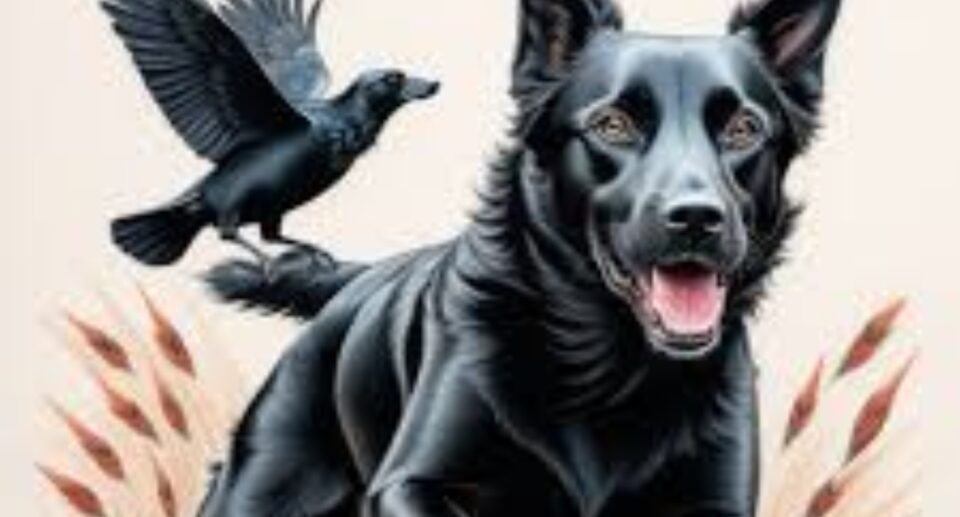
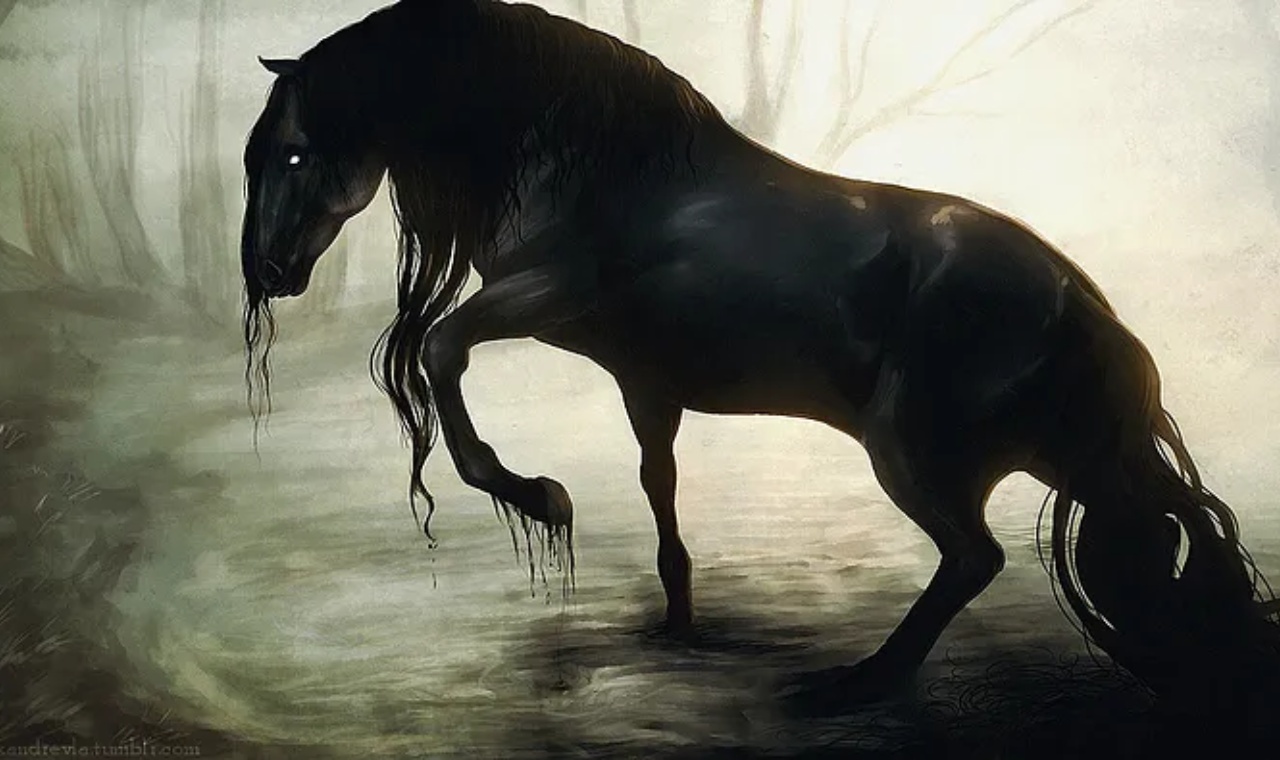
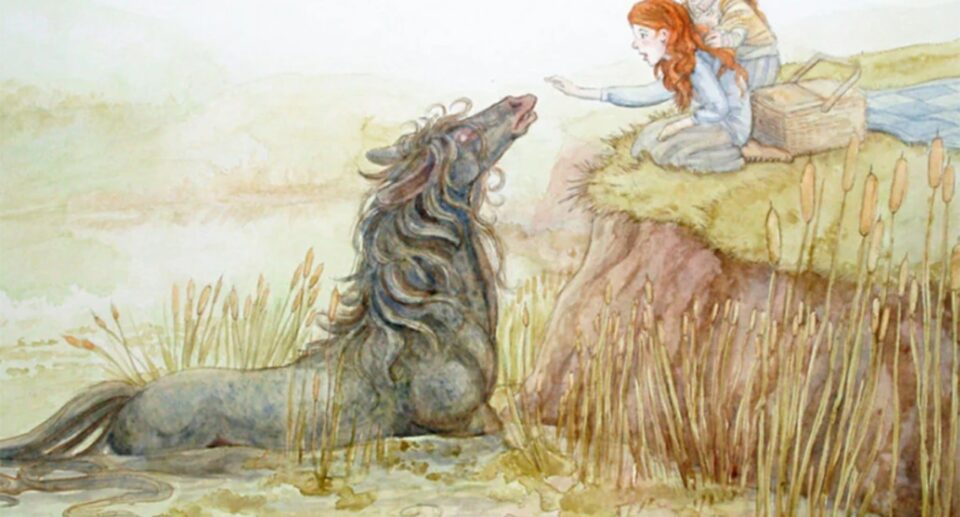
The kelpie stands among the most enduring water spirits in Scottish folklore. This creature often appears as a sleek black horse near a riverbank. It tempts travellers to mount its back. Once mounted, the rider cannot dismount. The kelpie plunges into the water, dragging its victim to a watery grave.
Unlike distant sea serpents, the kelpie feels immediate and local. It inhabits familiar crossing points. It warns against reckless trust and dangerous currents.
The kelpie’s symbolism reflects the practical hazards of Highland life. Swift rivers claimed lives. Children needed cautionary tales. In this sense, folklore performed social work. It protected communities much like proverbs did, as explored in https://celtguide.com/gaelic-irish-proverbs/.
The Loch Ness Monster: Modern Legend, Ancient Pattern
No discussion of Scottish sea monsters can ignore Nessie. Sightings at Loch Ness gained international fame in the twentieth century. Yet the deeper pattern predates modern photography.
Stories of water beasts appear throughout Highland tradition. Loch Ness simply inherited and amplified that motif. The dark, expansive waters of the Highlands, consider the geography discussed in https://celtguide.com/is-loch-lomond-in-the-highlands/, provide an ideal stage for mystery.
Whether one believes in a physical creature matters less than recognising the cultural function of the legend. Nessie unites tourism, storytelling, and regional pride. Scotland’s narrative tradition, discussed in https://celtguide.com/why-are-irish-people-natural-storytellers/, thrives on such enduring tales.
Morag of Loch Morar
Less famous internationally but deeply rooted locally, Morag inhabits Loch Morar. Witness accounts describe a serpentine creature gliding beneath the surface.
Loch Morar holds remarkable depth. Its shadowed waters invite speculation. Communities near such lochs often anchor identity in shared stories. Clan histories, outlined in https://celtguide.com/how-many-scottish-clans/, intertwine with place-based legends.
Morag demonstrates how folklore persists outside global spotlight. She belongs to Highland memory rather than mass media.
Selkies: Between Sea and Shore
While not monstrous in the conventional sense, selkies occupy a liminal space in Scottish maritime folklore. These seal-people shed their skins to walk on land. They fall in love with humans. They eventually return to the sea.
Their stories often centre on longing and loss. The sea calls them home. Humans cannot fully keep them.
Explore the full tradition in https://celtguide.com/selkies-in-folklore/. The selkie myth captures coastal Scotland’s emotional geography. Fishing communities lived with both bounty and bereavement. The sea nourished. The sea claimed.
Sea Serpents and Norse Echoes
Scotland’s northern isles absorbed strong Norse influence. With that influence came dragon-like sea serpents. These creatures echo broader Scandinavian myth yet adapt to local waters.
The blending of traditions mirrors other cultural syntheses in Scotland, whether in music like https://celtguide.com/fiddle-music/ or in ritual practices shaped by both Gaelic and Norse currents.
Sea serpents often symbolise chaos beyond the shore. They mark the boundary between known land and unknown depth.
Landscape as Myth-Maker
To understand Scottish sea monsters, examine the environment itself. Rugged coasts such as those around https://celtguide.com/isle-of-mull/ inspire awe and caution. Sudden storms transform calm waters into lethal expanses.
Folklore translates environmental risk into narrative form. Just as agricultural hardship shaped social memory in https://celtguide.com/the-influence-of-the-irish-potato-famine/, maritime danger shaped aquatic myth.
The sea becomes character rather than backdrop.
Monsters and Meaning
Scottish sea monsters do not merely frighten. They instruct, bind communities, and encode respect for nature.
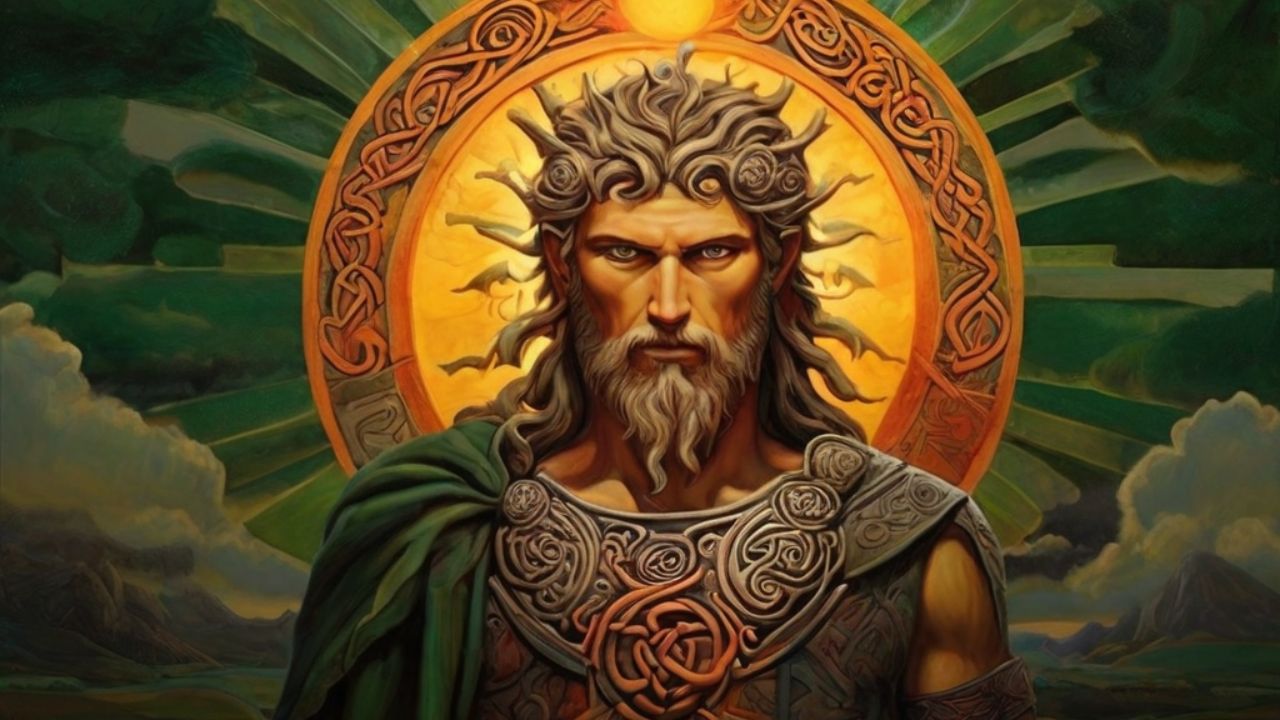
They also reinforce Scotland’s broader mythological landscape. From ancient deities like https://celtguide.com/celtic-sun-god-lugh/ to underworld realms explored in https://celtguide.com/what-is-annwn/, Celtic cosmology recognises boundaries between worlds. Water often marks that threshold.
The monster guards it.
Why These Legends Endure
Modern science charts the ocean floor. Satellites map coastlines. Yet stories of sea monsters persist. Why?
Because they answer emotional truths. They articulate awe before vastness and personify uncertainty. They connect generations through shared narrative.
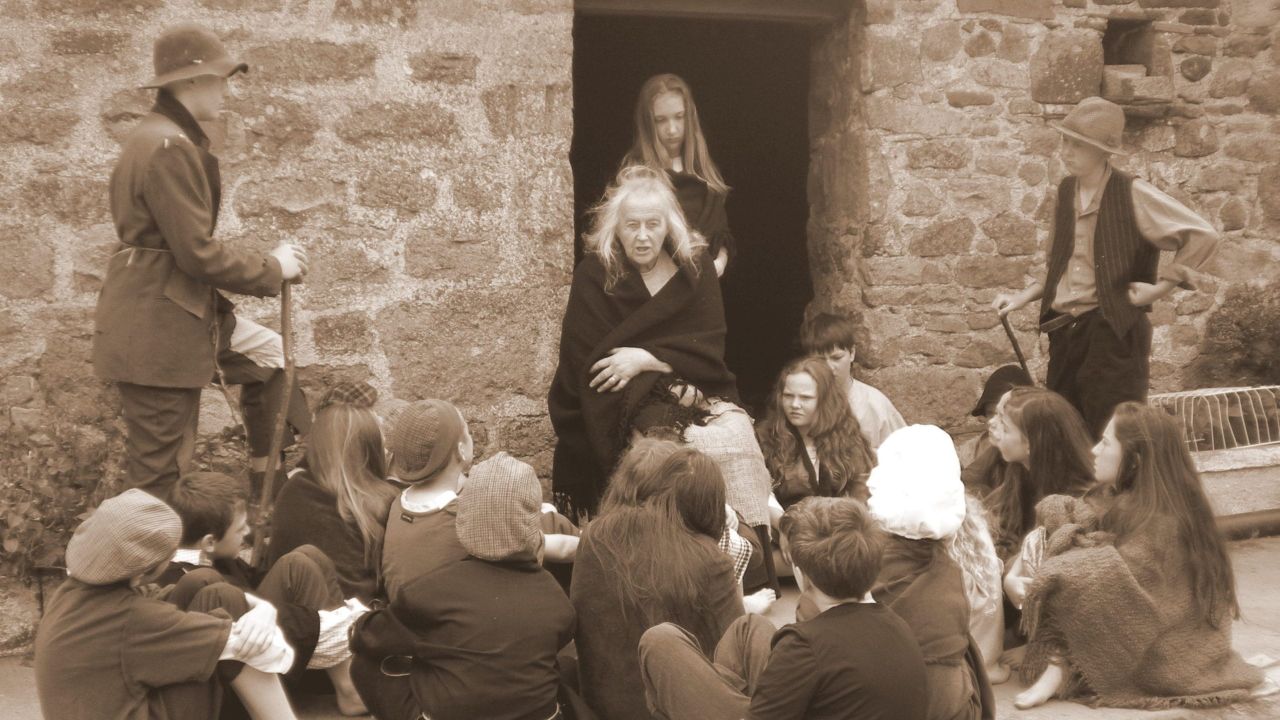
In Highland gatherings, like those outlined in https://celtguide.com/events-to-watch-in-highland-games-2025/, tradition remains communal. Storytelling continues to shape identity.
Scottish sea monsters remind us that folklore thrives where landscape inspires humility.
Conclusion: Depth Beyond the Surface
The waters of Scotland conceal more than marine life. They conceal memory, metaphor, and meaning. From kelpies to Nessie, from Morag to selkies, these figures animate lochs and coasts alike.
They reflect a people attentive to environment and story. They transform fear into narrative and narrative into heritage.
To explore further dimensions of Scottish tradition, visit our main archive at https://celtguide.com/blog/ or browse related features in https://celtguide.com/category/mythology-folklore/.
Stand by the water’s edge. Listen. The surface rarely tells the whole story.