Scottish Military Kilts in Historic Battles

Scottish military kilts carry more than fabric and folds. They carry memory, defiance, and identity shaped in conflict. From medieval clan warfare to imperial battlefields, the kilt stood as a visual declaration of origin and allegiance.
To understand Scottish military history, we must understand what soldiers wore and why it mattered.
Early Clan Warfare and Highland Dress
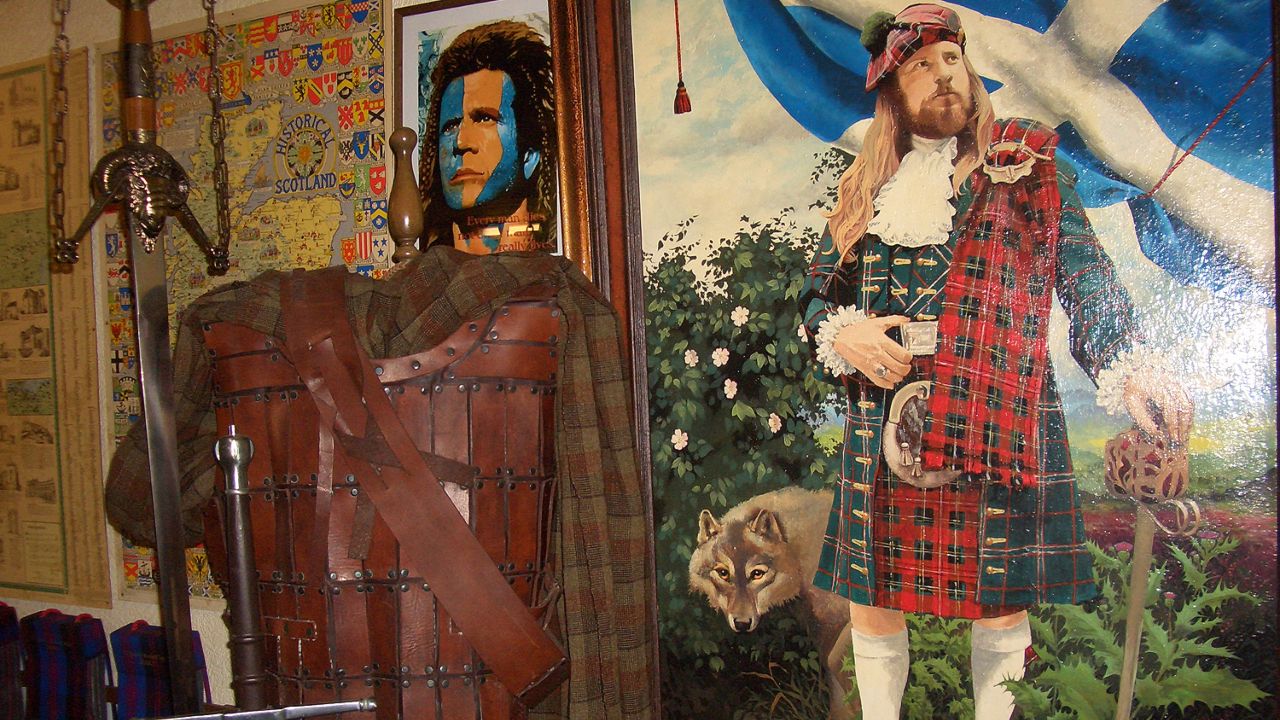
Before standing armies, Scottish clans fought to defend land, honor, and kinship. Warriors wore practical clothing suited to rough terrain. The féileadh mòr, or great kilt, offered warmth, mobility, and adaptability.
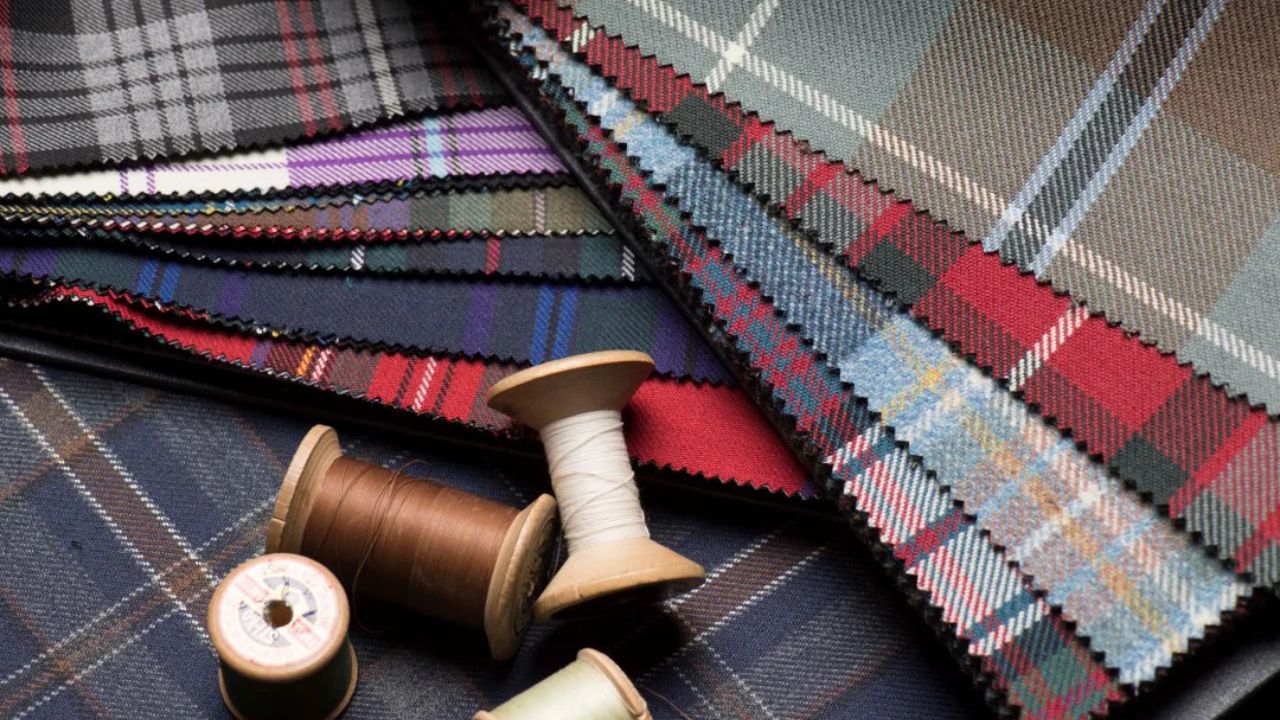
The kilt doubled as a cloak by night and battlewear by day. Its tartan pattern identified clan loyalty, much like heraldry elsewhere in Europe. These visual markers reduced confusion and strengthened unity.
To explore how tartans developed and endured, see What Is Tartan? and How Long Has the Tartan Prints Been Around?.
Kilts in Jacobite Battles
The Jacobite uprisings of the 17th and 18th centuries marked a turning point. Highland soldiers fought British government forces while wearing kilts as symbols of resistance.
At battles such as Culloden (1746), tartan-clad troops charged disciplined musket lines. Their dress struck fear and fascination in equal measure. British observers often described Highland soldiers as wild and formidable.
After Culloden, the British state banned Highland dress through the Dress Act of 1746. This ban targeted identity rather than fabric. It sought to weaken clan loyalty by removing visible symbols of unity.
The suppression of dress mirrors broader cultural pressures explored in How Many Scottish Clans.
The Return of the Kilt in British Regiments
Ironically, the British Army later embraced the kilt it once outlawed. By the late 18th century, Highland regiments formed a vital part of imperial forces.
Units such as the Black Watch (42nd Regiment of Foot) wore regimented tartans into battle across Europe, India, and North America. The kilt became a tool of morale. Soldiers fought not only for crown and country but for heritage.
Uniforms reinforced discipline while preserving tradition. Regiment-specific tartans replaced clan patterns, creating a new military identity.

You can explore how kilts function today across climates in Kilts and Weather in Scotland.
Practicality and Battlefield Function
Contrary to myth, kilts offered real advantages. They allowed freedom of movement during charges. They dried faster than trousers. Soldiers could adjust them for terrain and weather.
Accessories completed the battle dress. The dirk knife served as both weapon and utility tool. Learn more in What Is a Dirk Knife?.
The kilt balanced symbolism with function. It proved that cultural dress could succeed in modern warfare.
Kilts in World Wars
Scottish regiments wore kilts into the early stages of World War I. Soldiers fought in trenches wearing traditional dress before military command phased it out for safety and practicality.
Despite this change, the kilt remained central to ceremonial duties and regimental pride. Even today, Scottish units parade in kilts to honour fallen soldiers and past victories.
This continuity reflects Scotland’s broader relationship with heritage, explored further in A Crofter’s Journey Through Time.

Legacy of the Military Kilt
The Scottish military kilt survives because it represents courage shaped by community. It tells a story of resistance, adaptation, and pride carried across centuries of conflict.
Modern kilts worn at parades, memorials, and cultural events still echo those battlefields. Each pleat recalls not just fashion but sacrifice.
For examples of how kilts remain culturally visible today, explore Kilts in Movies and Shows.
Scottish military kilts remind us that identity can march alongside history, even under fire.
For more explorations of Celtic heritage, visit the CeltGuide Blog.