Scottish Highlander Hats: History, Styles & Heritage
Scottish Highlander hats carry centuries of identity, symbolism, and quiet resilience. They sit lightly on the head, yet they hold a weight of history—woven from clan pride, military tradition, and Highland fashion. When you look closely at these hats, you see more than clothing. You see the story of the Highlands expressed in wool, ribbon, and tartan.
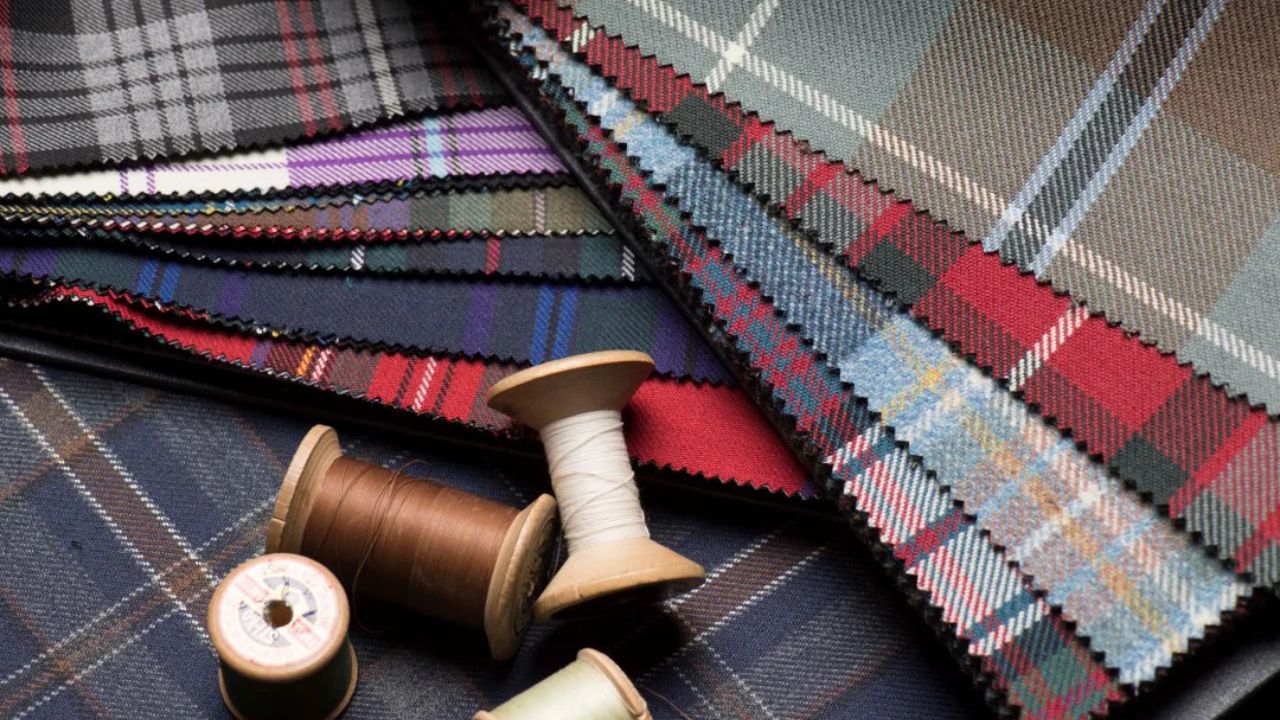
Highland hats evolved alongside kilts and tartans, both of which we explore in detail in our guides on what tartan is and how long tartan prints have been around. Together, they form the visual language of Highland identity.
Origins of Highland Headwear
The earliest Highland hats appeared long before standardised dress existed. People needed warm, durable coverings suited to the wind-swept glens and mountains. Wool was abundant, and it shaped everything from cloaks to bonnets. Over time, specific hat styles took form, each one reflecting regional needs, clan traditions, and a strong sense of communal identity.
Understanding this evolution becomes easier when viewed alongside broader Highland life, which we explore in our cultural pieces like Crofters: A Journey Through Time. Like crofters’ clothing, Highland hats combined practicality with quiet pride.
The Balmoral Bonnet: A Highland Classic
The Balmoral bonnet is one of the most recognisable Highland hats. Made from knitted wool, it features a round shape, a soft crown, and a small pom-pom known as a toorie. Many Balmorals also carry a clan badge or a sprig of plant tied to the front, a subtle way to show allegiance.
Its simple style makes it a favourite at Highland gatherings. It pairs naturally with tartan shawls, which we discuss in our piece on Scottish Tartan Shawls.
The Glengarry: A Hat with Highland Discipline
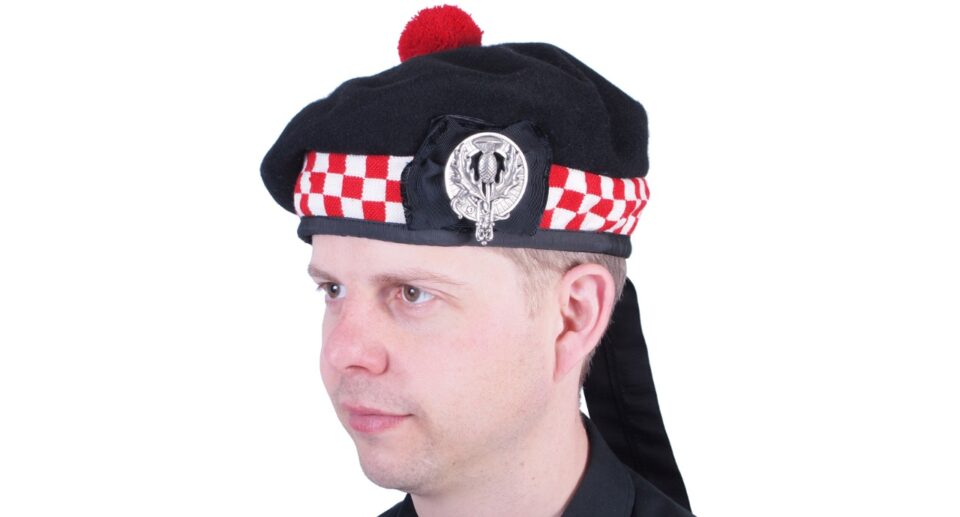
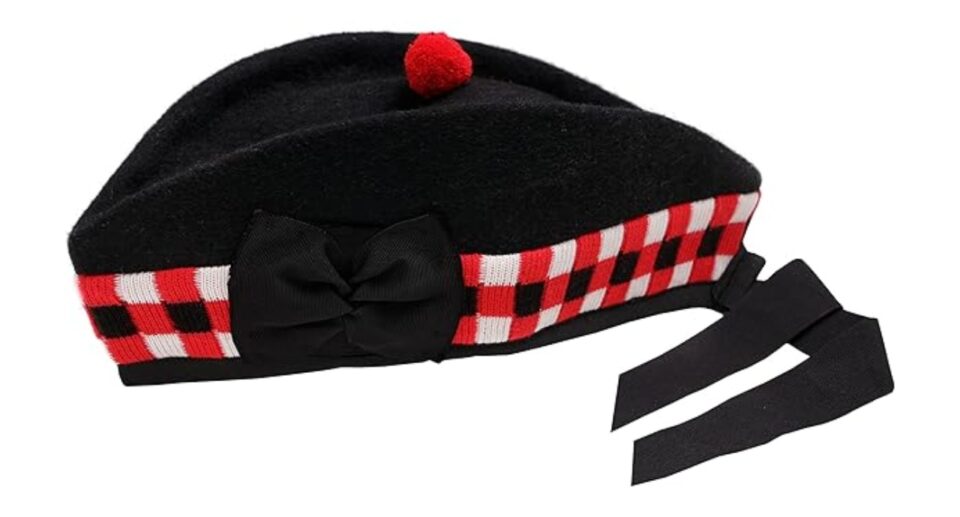
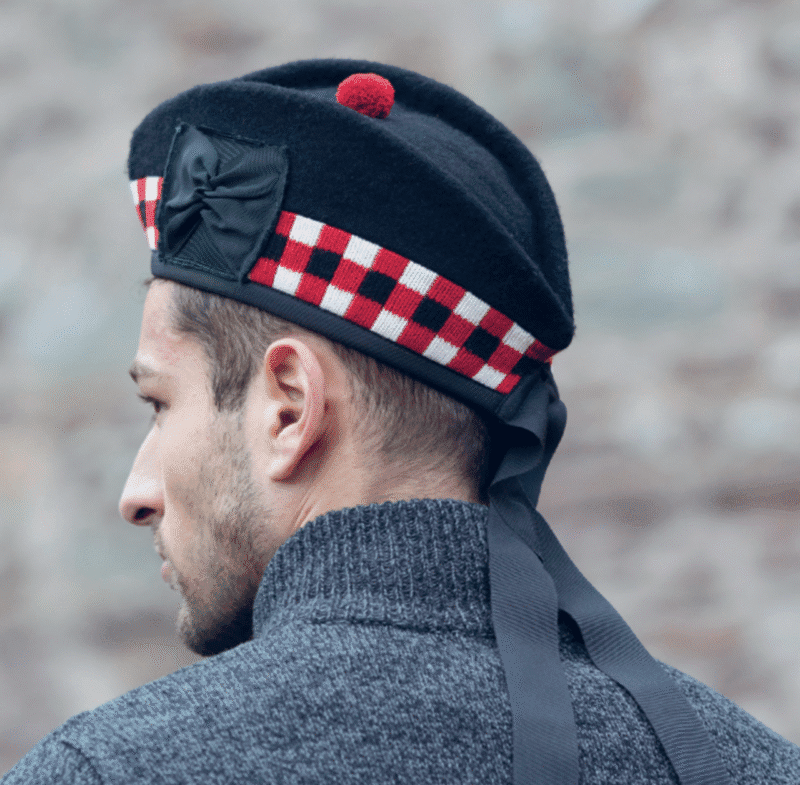
The Glengarry bonnet has a sharper silhouette. It folds flat, features straight lines, and traditionally includes a diced red-and-white band. It became widely associated with Highland regiments, where it helped distinguish units and express unity.
The Glengarry’s design reflects the same structural clarity found in other Highland objects, including weapons like the Scottish dirk knife. Both reveal the disciplined, martial side of Highland culture.
Modern pipe bands and ceremonial groups still use the Glengarry. The cap sits slightly angled, giving it a distinct presence without overwhelming the rest of the outfit.
The Tam O’Shanter: Literary and Cultural Charm
Another beloved Highland hat is the Tam O’Shanter, or simply the Tam. Named after the character in Robert Burns’s famous poem, this hat has a soft, roomy shape with a woollen texture that suits colder weather.
You can read more about this iconic piece in our dedicated article on the Tam O’Shanter hat, where we explore its origins and cultural influence. The Tam feels less formal than the Balmoral or Glengarry, making it perfect for everyday wear.

Clan Identity and Highland Hats
Many Highland hats once carried clan badges or local plants that marked allegiance. These symbols fit into the wider system of clan loyalty in Scotland, which we detail in How Many Scottish Clans Are There?.
The connection between hats and clans also appears during Highland Games. People often wear hats adorned with tartan flashes that match their kilts. For more on this shared heritage, our guide to Highland Games events offers deeper cultural context.
Highlander Hats in Weather and Landscape
The Scottish Highlands are as famous for their dramatic beauty as for their unpredictable weather. Hats helped Highlanders face rain, cold, and constant wind, conditions we discuss in our article on Scotland’s kilt weather culture.
The hats were not simply decorative. They kept warmth in and shed light rain, allowing people to travel through glens, crofts, and hills with ease. On the wind-heavy Isle of Mull, explored in our Isle of Mull guide, such hats became essential.
Symbolism and Storytelling
Highlander hats also fit into Scotland’s deep storytelling culture. Each hat carries a narrative—whether it represents a clan, a region, a regiment, or a family. This storytelling impulse echoes themes found in our article on why Irish people are natural storytellers.
Some hats even feature knotwork or ornamental details that mirror the symbolism found in Celtic stone carvings. These motifs remind us that identity in Celtic cultures is both visual and spoken.
Why Highlander Hats Still Matter
Today, Highland hats appear at weddings, ceilidhs, military events, and cultural festivals. They help tie the past to the present in a visible, wearable way. Whether someone chooses the sharp Glengarry, the classic Balmoral, or the relaxed Tam O’Shanter, they step into a tradition that has shaped Scotland for hundreds of years.
For more journeys into Highland dress, folklore, and Celtic heritage, visit our full blog archive or explore the Art & Fashion and Culture & Tradition categories.