
Scottish Death Omens: Black Dogs & Ravens
Death, in Scottish folklore, rarely arrives without warning. Across the Highlands and Lowlands alike, communities once read the landscape for signs. They watched animals and listened for unusual cries. They interpreted shadows and sudden silences.
Among the most enduring omens stand the black dog and the raven. Both creatures move at the edge of sight. Both carry deep symbolic weight. And both reveal how Scotland’s people understood mortality.
In a culture rich with storytelling, explored in https://celtguide.com/why-are-irish-people-natural-storytellers/, omens did more than frighten. They prepared communities for grief.
The Black Dog: Guardian or Harbinger?
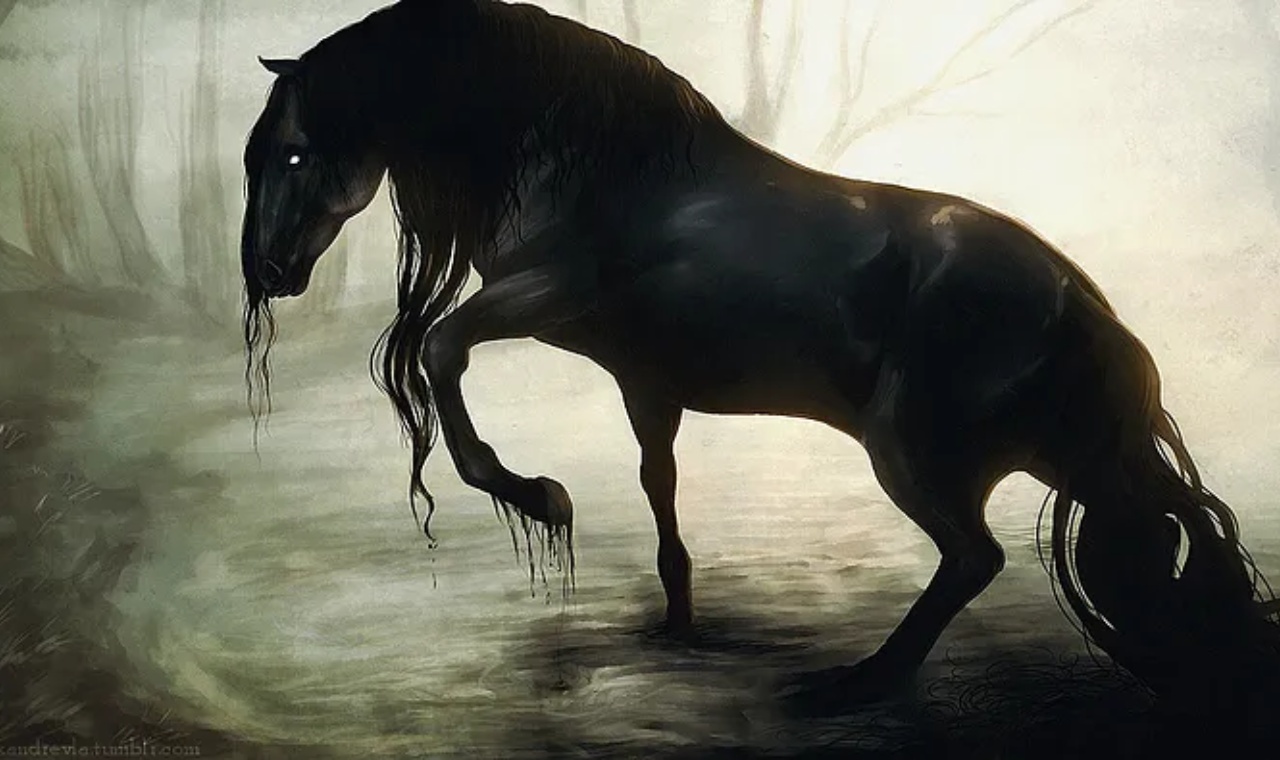
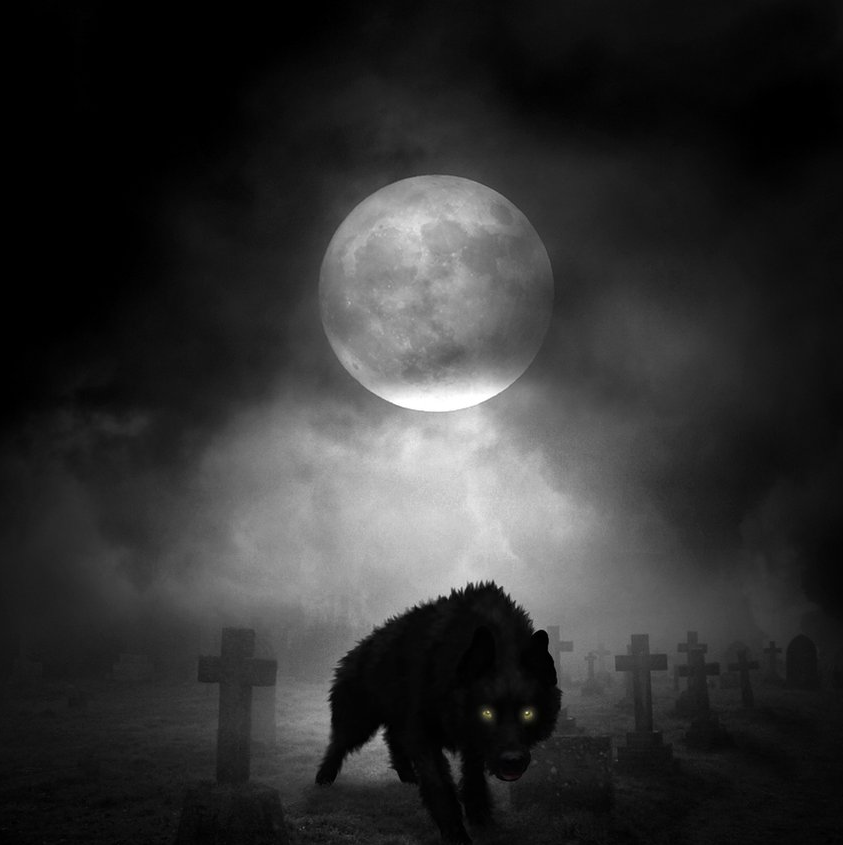
Scottish folklore describes large spectral black dogs that appear near crossroads, graveyards, or lonely moors. Unlike ordinary animals, these dogs often possess glowing eyes and unnatural size.
Some traditions portray them as guardians of sacred ground. Others depict them as harbingers of impending death. A sighting near one’s home could signal tragedy.
This figure shares kinship with broader Celtic underworld imagery. The boundary between life and death remains porous in Celtic cosmology, much like the otherworld described in https://celtguide.com/what-is-annwn/. The black dog often stands at that threshold.
Importantly, these stories reflect landscape. Remote glens, such as those near https://celtguide.com/isle-of-mull/, fostered isolation. In darkness and mist, imagination sharpened perception.
Ravens: Messengers of Fate
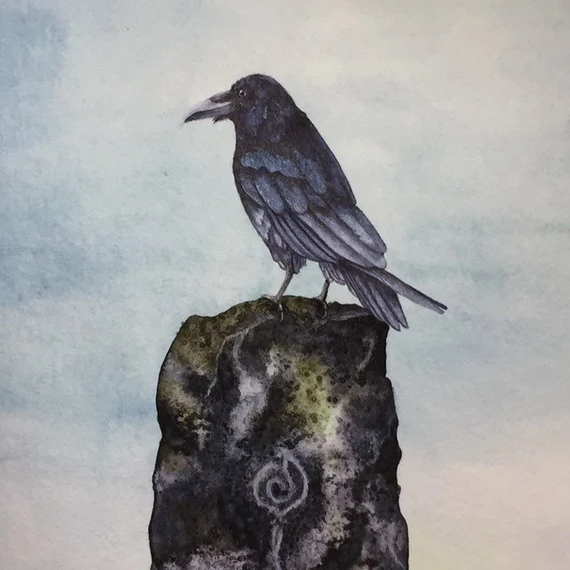
If the black dog prowls the earth, the raven commands the sky. Ravens appear frequently in Scottish and wider Celtic lore. Their harsh call, dark feathers, and presence near battlefields linked them to death and prophecy.
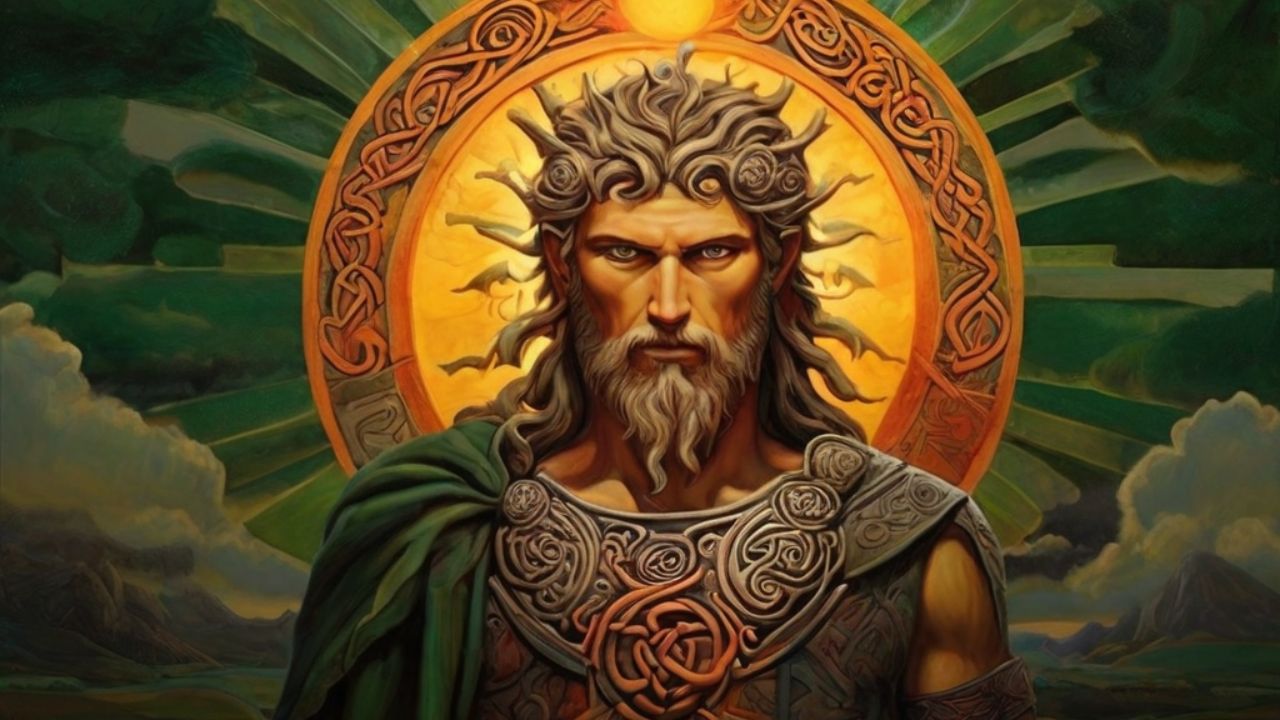
In ancient belief systems, ravens signalled divine will. The association recalls older mythic traditions tied to deities such as https://celtguide.com/celtic-sun-god-lugh/. Birds often acted as intermediaries between worlds.
Highland communities noticed ravens gathering near homes before a death. Whether coincidence or pattern-seeking, the symbolism endured. The raven became a messenger.
Stone carvings across Scotland sometimes depict birds with deliberate detail. To understand how symbolism embeds itself in material culture, see https://celtguide.com/celtic-stone-carvings/.
Omens Within Clan Society
Death omens did not exist in isolation. They operated within tightly knit clan structures. When one member fell ill, the entire community felt the tension.
In such societies, explored further in https://celtguide.com/how-many-scottish-clans/, collective awareness mattered. A raven’s cry or a dog’s sudden howl could ripple through shared belief.
Funeral traditions later transformed grief into ritual. Readers interested in broader Celtic mourning customs may consult https://celtguide.com/heartbeat-of-farewell-irish-wake-traditions-through-a-celtic-lens/. While Irish in focus, it reveals how closely related cultures approached death communally rather than privately.
Sound as Omen
Scottish folklore often emphasises sound. A dog howling at night unsettled households. The sudden silence of birds suggested imbalance.
Music also carried associations with life’s passages. The solemn tones of the clarsach, described in https://celtguide.com/what-is-a-clarsach-a-comprehensive-guide-to-the-celtic-harp/, frequently accompanied reflective or mournful settings. In contrast, lively gatherings with https://celtguide.com/ceili-bands/ celebrated continuity.
Omens, then, formed part of a broader sensory landscape. People listened carefully.
Christian Influence and Gaelic Interpretation
With the spread of Christianity, interpretations shifted but did not disappear. Biblical imagery merged with older Gaelic frameworks. Translations discussed in https://celtguide.com/scottish-gaelic-bible-translations/ demonstrate how spiritual vocabulary adapted into local language.
Ravens, once linked primarily to pagan cosmology, gained additional biblical resonance. Black dogs, once liminal guardians, sometimes acquired more explicitly demonic associations.
Yet folk belief rarely conforms neatly to doctrine. It absorbs, adapts, and persists.
Why These Omens Endure
Modern Scotland does not organise daily life around omens. Yet the imagery remains potent. Literature, cinema, and tourism draw upon these symbols.
Much like the persistence of tartan identity discussed in https://celtguide.com/what-is-tartan/ and https://celtguide.com/how-long-has-the-tartan-prints-been-around/, death omens survive because they anchor memory in symbol.
They also address universal anxiety. Death remains inevitable. Signs offer a sense of structure.
Landscape and Mortality
The Highlands cultivate reflection. Vast moorland. Sudden storms. Isolated crofts, such as those described in https://celtguide.com/crofters-journey-through-time/, fostered intimate relationships with nature’s rhythms.
In such environments, people noticed patterns. A raven’s flight. A dog’s unusual behaviour. Interpretation provided emotional preparation.
Omens did not create death. They created readiness.
Conclusion: Reading the Signs
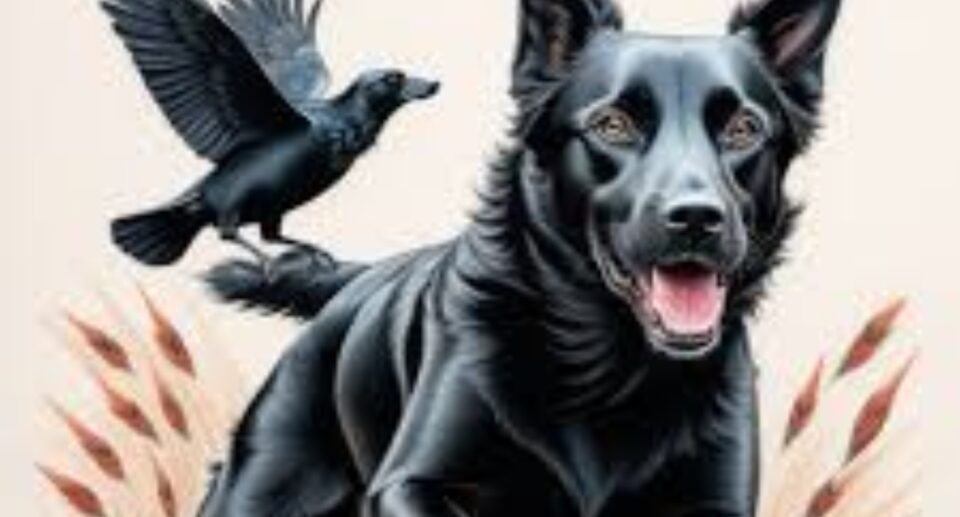
Scottish death omens: black dogs in twilight, ravens against grey skies, illustrate how folklore confronts mortality without denial. They transform fear into narrative. They transform uncertainty into symbol.
Today, these figures belong to Scotland’s mythological heritage. Explore related traditions in our https://celtguide.com/category/mythology-folklore/ section, or browse our wider archive at https://celtguide.com/blog/ for further insight into Celtic belief and cultural memory.
In the end, omens remind us that humans seek meaning at life’s threshold. Scotland’s stories simply give that search a shape and sometimes, a pair of watching eyes in the dark.