
Irish Tin Whistle in Contemporary Music
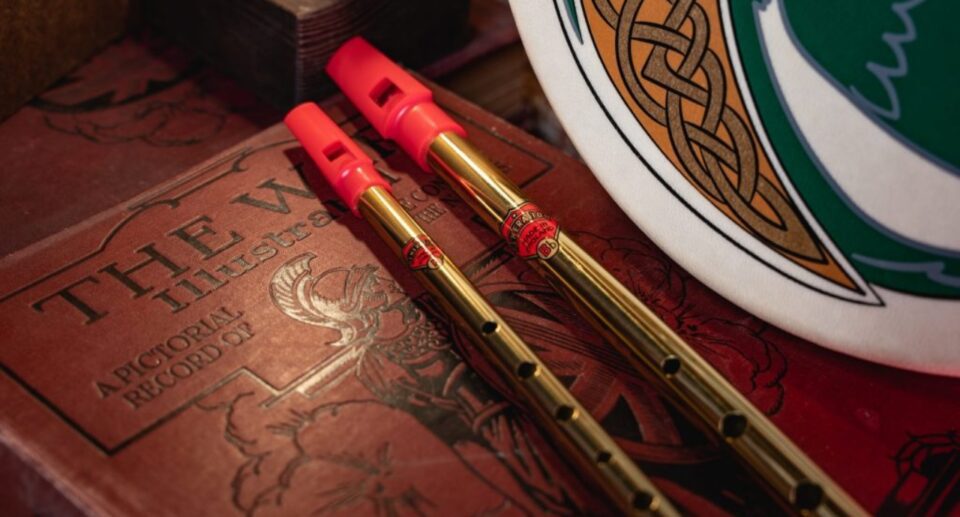
The Irish tin whistle, modest in size and price, carries extraordinary cultural weight. For centuries, it has voiced laments, reels, and lullabies across Ireland’s fields and firesides. Today, it also resonates through concert halls, recording studios, and global streaming platforms. The tin whistle has not retreated into nostalgia. It has adapted, expanded, and claimed a vibrant place in contemporary music.
To understand its present vitality, we must recognise its historical depth. Irish musical traditions have always relied on oral transmission, much like the storytelling culture explored in Why Are Irish People Natural Storytellers?
https://celtguide.com/why-are-irish-people-natural-storytellers/
Memory shapes melody. Repetition refines it. Innovation renews it.
What Is the Irish Tin Whistle?
The tin whistle, often called the penny whistle, is a simple six-holed fipple flute. Its bright, penetrating tone allows it to cut through ensemble textures with clarity. Traditionally tuned in D, it excels in reels, jigs, and airs.
Although humble in construction, the instrument demands skill. Players use ornamentation: cuts, rolls, and slides, to articulate rhythm and emotion. These embellishments create the lift essential to Irish dance music.
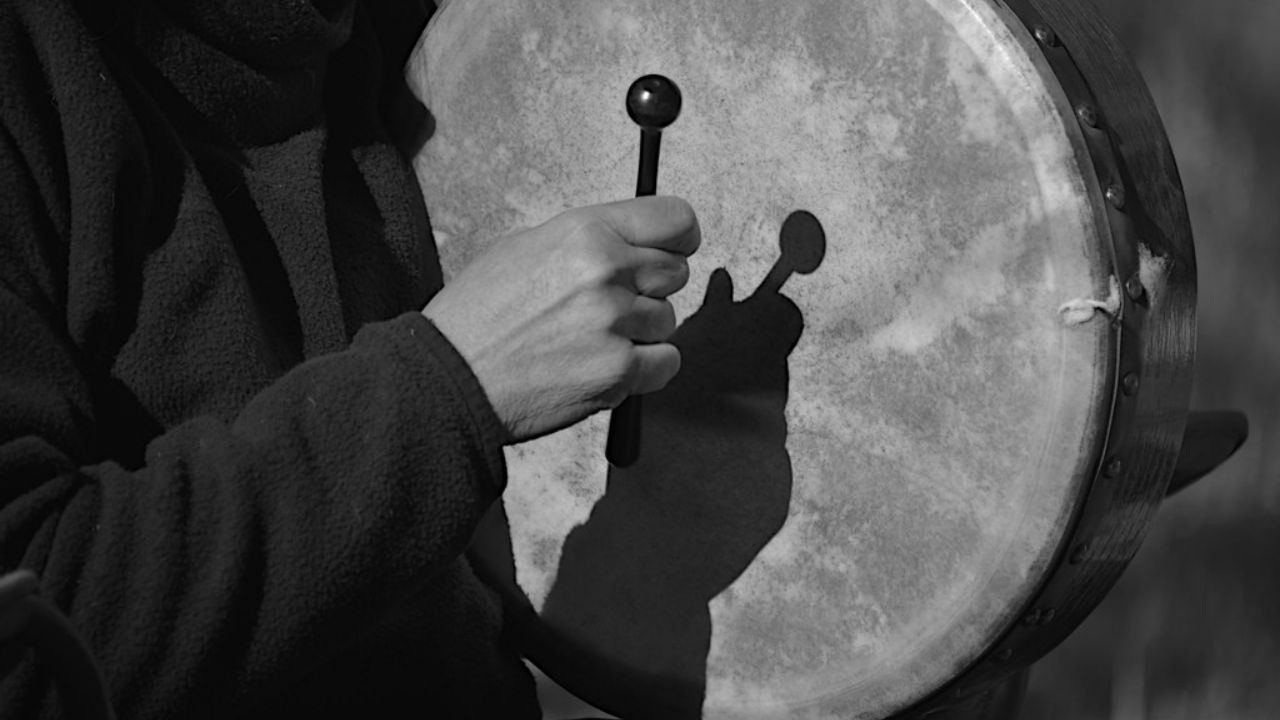
The whistle often performs alongside fiddle and bodhrán. For a deeper look at these companions, see Fiddle Music
(https://celtguide.com/fiddle-music/) and The Bodhran Drum (https://celtguide.com/the-bodhran-drum/).
Together, they form the rhythmic and melodic core of Celtic ensembles.
From Hearth to Stage: The Folk Revival
The twentieth-century folk revival repositioned the tin whistle from informal domestic spaces to professional stages. Musicians sought authenticity while embracing amplification and recording technology. The whistle’s portability made it ideal for touring performers.
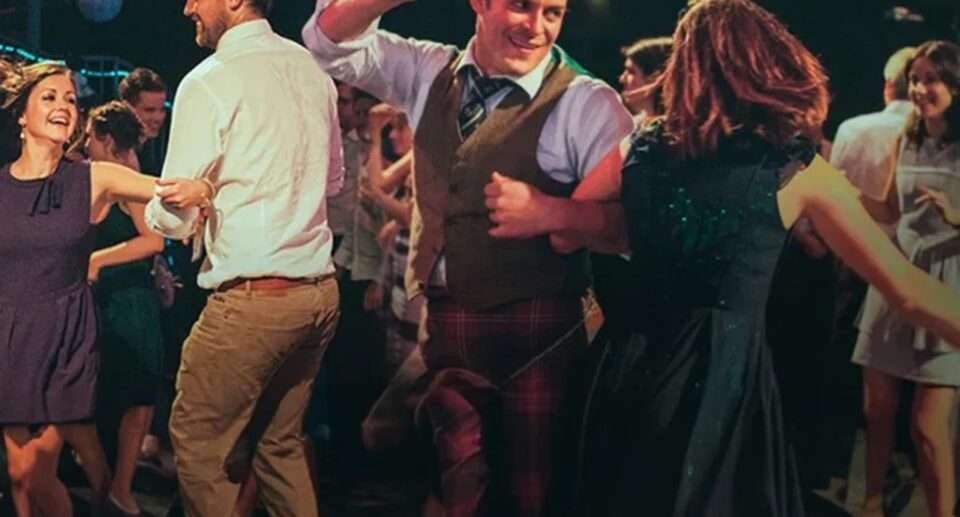
Ceili bands played a decisive role in this transition. Their structured ensemble format preserved dance rhythms while standardising arrangements. Explore this development in Ceili Bands
https://celtguide.com/ceili-bands/
As Irish communities migrated during and after crises such as those examined in The Influence of the Irish Potato Famine
https://celtguide.com/the-influence-of-the-irish-potato-famine/
they carried their music abroad. The whistle became a sonic emblem of identity in diaspora communities.
The Tin Whistle in Film and Media
Contemporary audiences often encounter the tin whistle through film scores and television soundtracks. Its clear, haunting tone evokes landscape, memory, and myth. Directors frequently use it to signal Celtic atmosphere.
Visual culture and music intertwine. Just as kilts appear in cinematic storytelling—explored in Kilts in Movies and Shows
https://celtguide.com/kilts-in-movies-and-shows/
the tin whistle shapes auditory identity. It frames emotional scenes with immediacy.
The instrument’s timbre also complements narratives rooted in myth and folklore. Stories of ancient figures such as Lugh, discussed in Celtic Sun God Lugh
https://celtguide.com/celtic-sun-god-lugh/
gain additional resonance when accompanied by traditional melodies.
Fusion and Experimentation
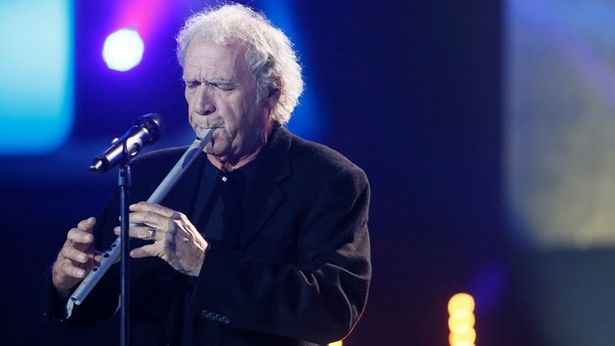
Contemporary musicians refuse to confine the tin whistle to traditional sessions. They integrate it into rock, jazz, and electronic music. Some artists layer whistle lines over synthesised textures. Others pair it with global percussion.
This experimentation reflects a broader pattern within Celtic culture. Heritage adapts without dissolving. Consider how traditional textiles evolve in modern fashion, as discussed in Scottish Tartan Shawls: A Timeless Blend of Heritage and Elegance
https://celtguide.com/scottish-tartan-shawls-a-timeless-blend-of-heritage-and-elegance/
Similarly, the tin whistle retains its core tonal identity while entering new sonic landscapes.
Education and Accessibility
One reason for the whistle’s enduring relevance lies in its accessibility. It remains affordable and portable. Schools across Ireland introduce children to music through this instrument. Its simplicity invites beginners, yet its expressive capacity challenges advanced players.
This educational role parallels the preservation of Gaelic language and scripture, examined in Scottish Gaelic Bible Translations
https://celtguide.com/scottish-gaelic-bible-translations/
Both language and music require active practice. Without participation, tradition fades.
Sound, Landscape, and Memory
The timbre of the tin whistle often evokes Ireland’s landscapes—coastal winds, rolling hills, and sacred sites. Think of the atmospheric pull of places like the Ring of Kerry
https://celtguide.com/ring-of-kerry/
or the spiritual depth explored in Irish Holy Wells: Portals to the Past
https://celtguide.com/irish-holy-wells-portals-to-the-past-pathways-to-the-divine/
Musicians translate geography into sound. The whistle’s breath-driven tone mirrors wind across open fields.
Why the Irish Tin Whistle Still Matters
The Irish tin whistle thrives because it balances humility and power. It welcomes beginners yet rewards mastery, and honors tradition while embracing innovation. It bridges rural memory and urban experimentation.
In contemporary music, the whistle does not merely survive. It leads melodies, shapes film scores, and enriches global fusion projects. Its voice carries centuries of cultural memory into modern soundscapes.
Above all, the tin whistle invites participation. When breath meets metal tube, history becomes audible. And in that clear, bright tone, Ireland continues to speak.
Explore more Celtic music traditions in our Music & Dance category:
https://celtguide.com/category/music-dance/
Continue discovering Ireland’s living soundscape on CeltGuide.com.