Irish Green Fields: Meaning, Memory, and Symbolism

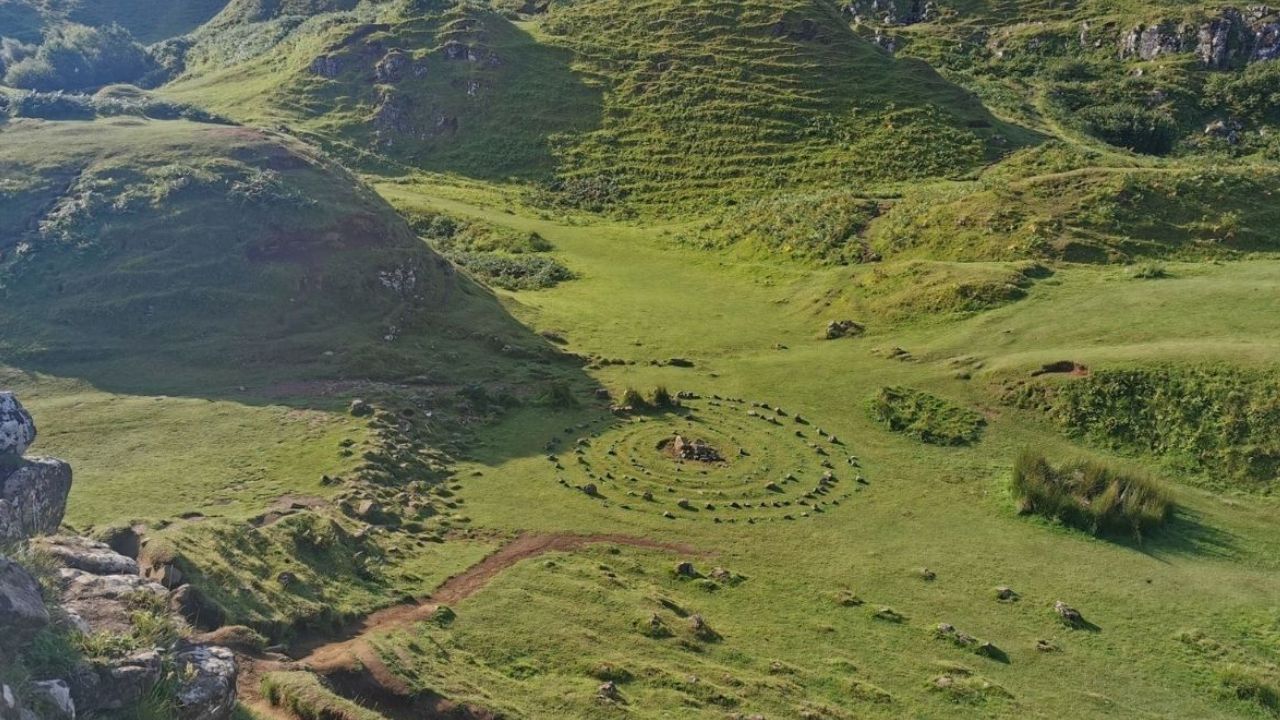
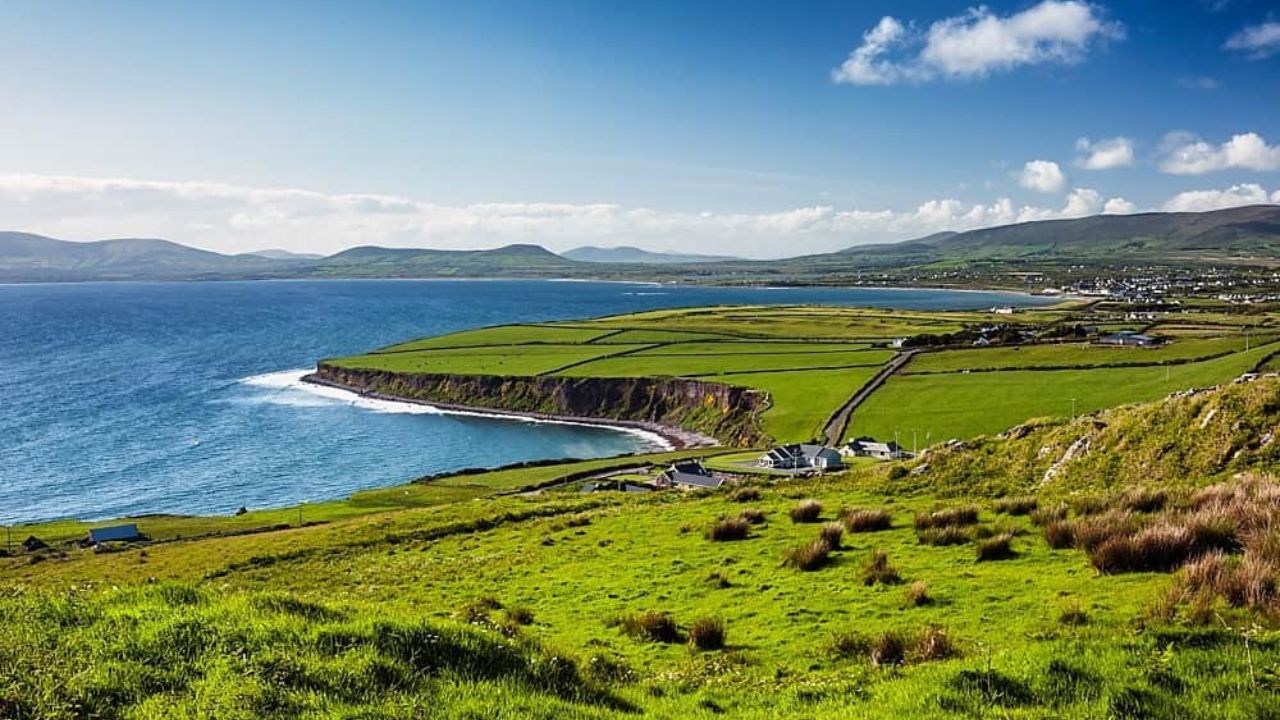
Ireland’s green fields do more than please the eye. They speak. These rolling expanses of grass carry layers of memory, belief, and identity. When people call Ireland the “Emerald Isle,” they reference more than color. They point to a living symbol shaped by land, history, and imagination.
Why Ireland Is So Green
Ireland’s climate nurtures constant growth. Frequent rain, mild temperatures, and fertile soil sustain grasslands year-round. This abundance shaped farming, settlement, and worldview. Green fields promised survival. They fed families and livestock alike.
Over time, the color green grew symbolic. It came to represent life, continuity, and hope. Irish storytelling traditions often root meaning in landscape, where land acts as witness and narrator (https://celtguide.com/why-are-irish-people-natural-storytellers/).
Green Fields in Ancient Celtic Belief
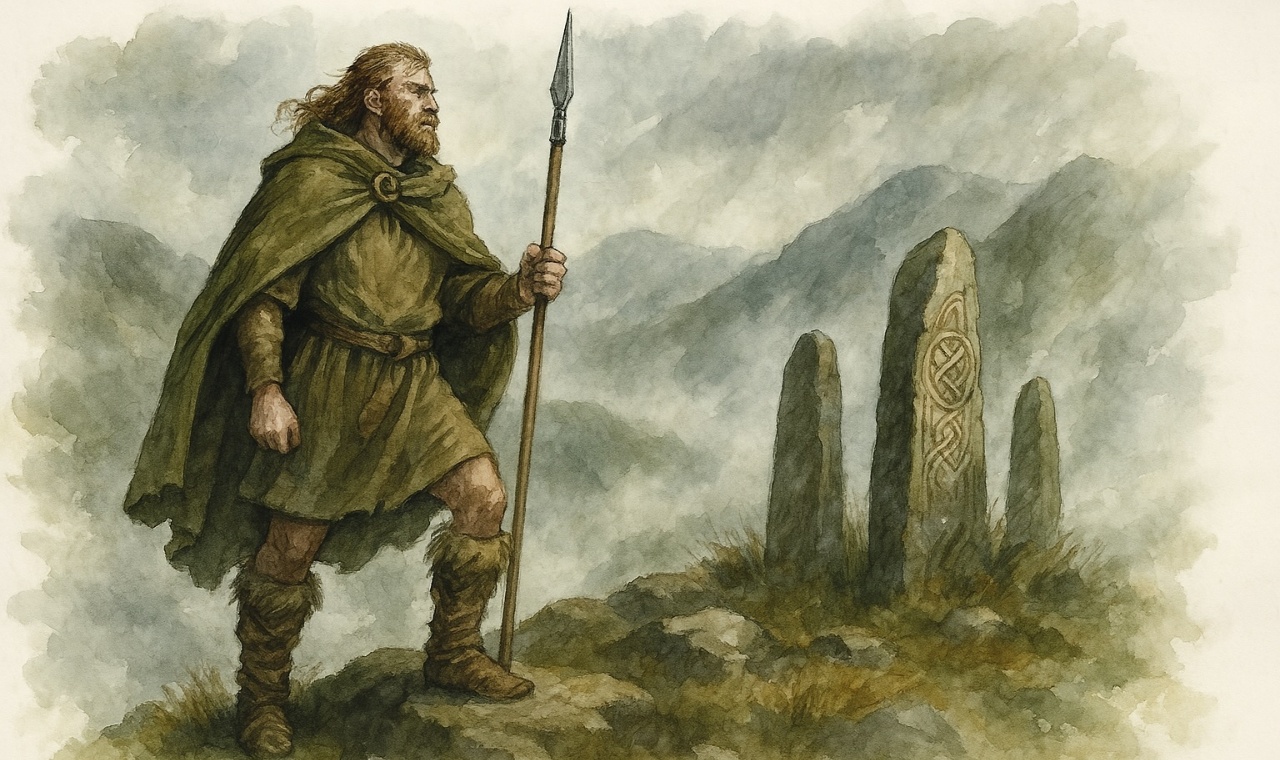
In Celtic belief systems, land held spiritual presence. Fields, hills, and rivers marked boundaries between worlds. Fertile ground suggested divine favour. Green symbolised renewal and balance.
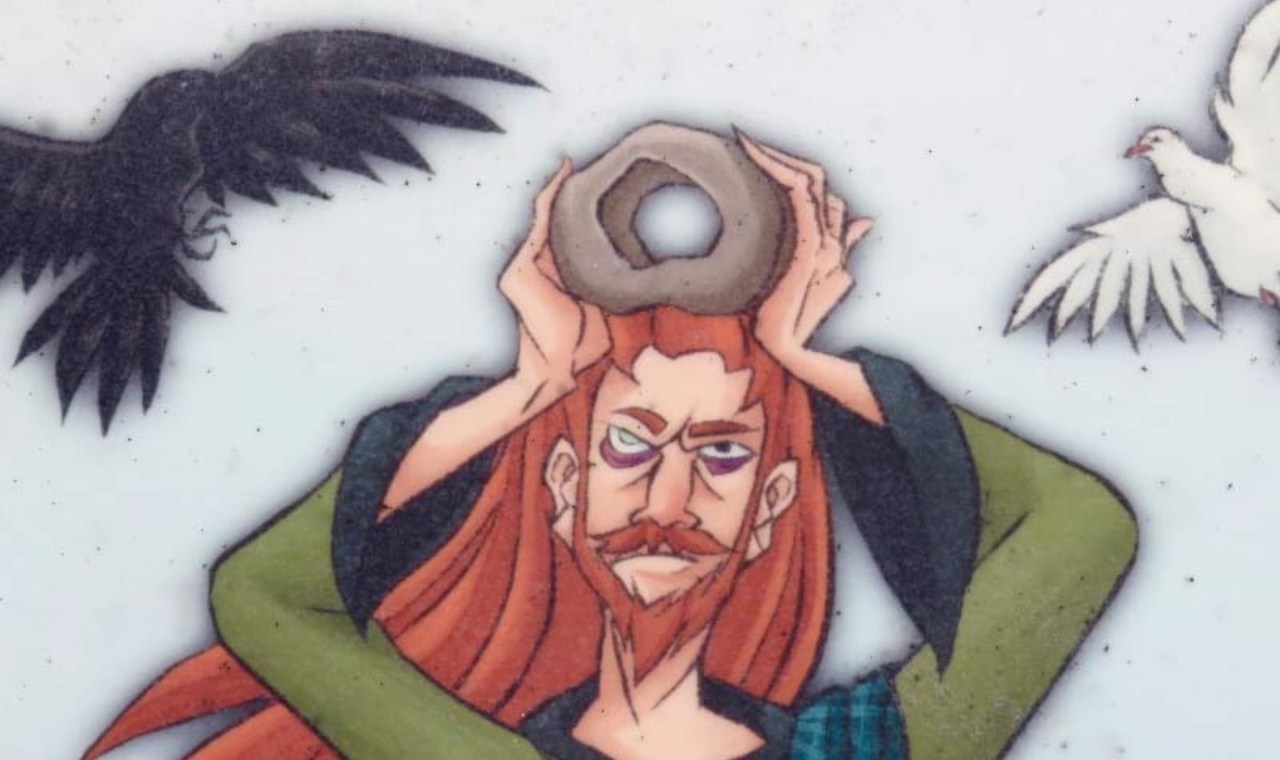
Deities associated with light and skill, such as Lugh, connected prosperity to the land’s health (https://celtguide.com/celtic-sun-god-lugh/). Seasonal cycles governed ritual life. Growth mattered not just economically, but spiritually.
Ancient stone carvings reinforce this worldview. They embed symbolic language into the landscape itself, linking art and environment (https://celtguide.com/celtic-stone-carvings/).
Fields, Farming, and Identity
For centuries, Irish identity tied closely to agriculture. Green fields meant stability. Families measured success through land stewardship. Ownership and access to land shaped social hierarchy.
This connection deepened through hardship. During the Great Famine, fields that once sustained communities failed them. Grass still grew, but crops did not. The trauma reshaped Ireland’s relationship with land forever (https://celtguide.com/the-influence-of-the-irish-potato-famine/).
Green fields thus came to symbolise both abundance and loss. They carry beauty and grief together.
Green as a National Symbol
Green later emerged as a marker of Irish identity beyond the countryside. It appeared in flags, clothing, and political symbolism. Saint Patrick’s Day celebrations reinforced this association, transforming green into a sign of cultural pride (https://celtguide.com/the-significance-of-saint-patricks-day/).
Unlike tartan, which signals clan identity in Scotland (https://celtguide.com/what-is-tartan/), green in Ireland acts more broadly. It unites rather than distinguishes.

Folklore and the Living Landscape
Irish folklore treats fields as active spaces. Fairies, spirits, and otherworldly beings inhabit them. Crossing certain fields after dark invites risk. Stories warn against disturbing sacred ground.
Such beliefs echo wider Celtic notions of the Otherworld, where boundaries blur between visible and invisible realms (https://celtguide.com/what-is-annwn/). Green fields often mark thresholds rather than destinations.
This worldview persists subtly. Even today, farmers avoid altering certain landscapes out of respect for tradition.
Green Fields in Music and Poetry
Irish music and poetry return often to images of green fields. Songs of emigration mourn their loss. Ballads celebrate their beauty. Instruments like the fiddle carry melodies shaped by longing for home (https://celtguide.com/fiddle-music/).

These artistic expressions turn land into memory. For the Irish diaspora, green fields symbolise belonging left behind but never forgotten.
Modern Meanings of Irish Green Fields
Today, Irish green fields also symbolise sustainability and natural heritage. Tourism highlights rural landscapes as spaces of calm and authenticity. Visitors seek connection with land that feels timeless.
At the same time, modern Ireland balances preservation with development. Fields remain central to debates about identity, progress, and environmental responsibility.
Cultural festivals and gatherings still root themselves in open landscapes, reaffirming the social role of land (https://celtguide.com/events-to-watch-in-highland-games-2025/).
Why Irish Green Fields Still Matter
Irish green fields endure as symbols because they hold contradiction. They represent life and loss, beauty and struggle. They anchor stories, songs, and belief systems.
In Ireland, land does not simply surround people. It shapes who they are.