
Irish Goat Farming: A Tradition of Resilience and Craft

Introduction: Ireland’s Lesser-Known Herd
When we think of Ireland’s pastoral life, it’s usually sheep that come to mind: rolling hills, white fleeces, and wool spinning into heritage. Yet goats, with their resilience and adaptability, have also played a quiet but significant role in shaping Irish rural life.
Much like the way Irish storytelling preserves heritage in spoken word, goat farming preserved food security, survival, and local economies through centuries.
Ancient Roots of Goat Farming in Ireland
Goats have been part of Ireland’s landscape since early Celtic times. Archaeological findings suggest that alongside cattle and sheep, goats were kept for milk, meat, and hides.
During harsh seasons, especially periods like the Irish Potato Famine, goats became vital providers of sustenance when crops and other livestock faltered. Their milk, rich in nutrients and easier to digest, was often referred to as “the poor man’s cow.”
The Role of Goats in Rural Households
For centuries, goats were the cornerstone of rural subsistence. Their versatility meant that a single family could rely on them for:
- Milk and cheese – a staple in daily diets.
- Meat – especially in leaner times.
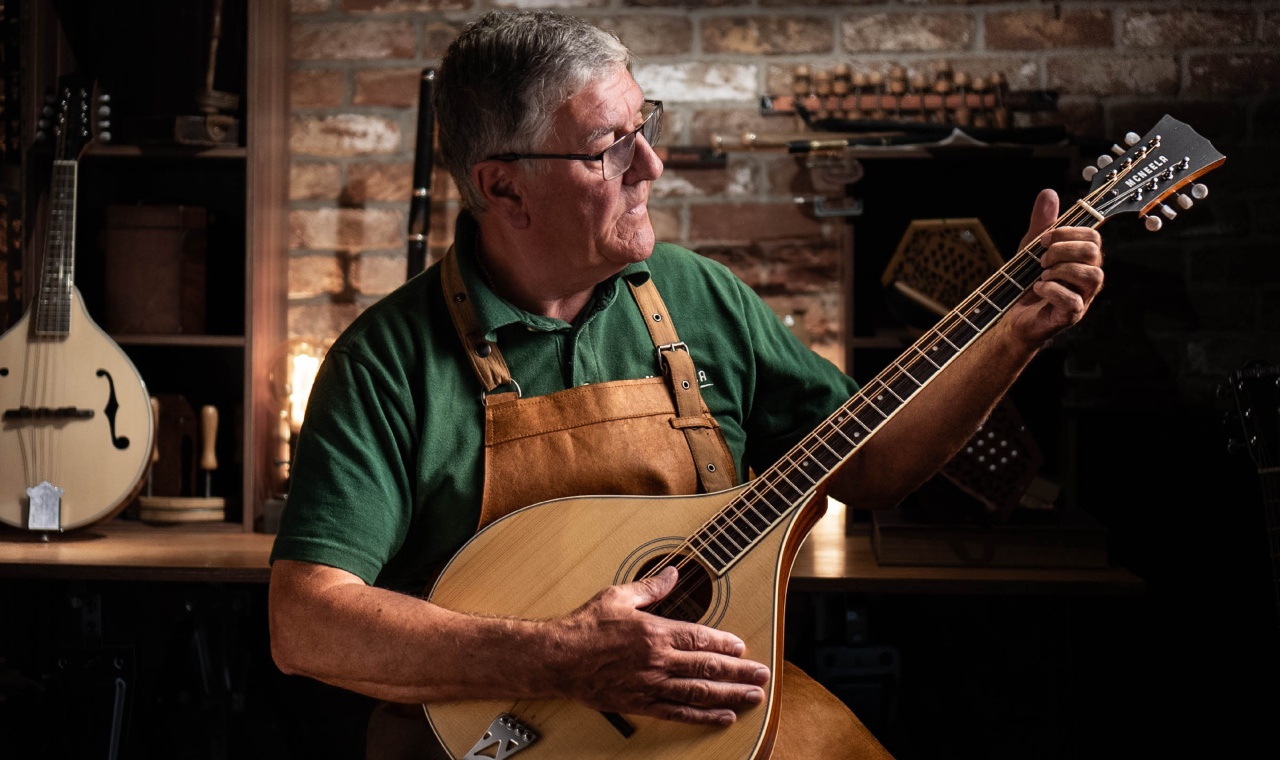
- Skins – used in leather and even in musical instruments, such as the bodhrán drum.
This practicality mirrors how the Claddagh ring carries both symbolic and functional heritage in Irish culture: simple, enduring, and deeply tied to community life.

Cultural and Folkloric Connections
Goats were not only practical animals but also carriers of symbolism. In some Celtic traditions, goats were tied to fertility, resourcefulness, and resilience. Their hardy nature echoed Ireland’s rural communities, who weathered challenges with the same tenacity.
We even see goats appear in folklore much like selkies or mythical figures such as Lugh. While not as romanticised, goats embodied everyday magic: the gift of survival.

Goat Farming in Modern Ireland
Today, Irish goat farming is experiencing a revival. With the rise of artisanal cheeses, sustainable agriculture, and eco-conscious practices, goats have returned to the forefront of rural economies.
Goat cheese, yogurts, and soaps have become popular exports, tying ancient practices to modern tastes. This mirrors other revivals of Celtic traditions, from Celtic stone carvings to Irish holy wells, heritage reimagined for today.
Sustainability and Future Potential
Goats are low-impact grazers, capable of thriving on rugged land less suitable for cattle. Their adaptability makes them crucial for sustainable farming models in Ireland’s varied landscapes.
In a world increasingly concerned with climate, goats embody a balance between tradition and future needs linking the resilience of Celtic communities to modern environmental consciousness.

Conclusion: Ireland’s Quiet Heritage Keepers
Irish goat farming may not hold the fame of sheep or cattle, but its role in survival, culture, and sustainability cannot be overstated. From ancient Celtic households to modern artisan farms, goats continue to embody resilience and resourcefulness.
Just as Gaelic proverbs carry timeless wisdom, goats carry timeless sustenance linking Ireland’s past with its agricultural future.