
Irish Folk Cures: Healing, Belief, and the Power of Tradition

For centuries, Irish communities relied on folk cures to treat illness, pain, and misfortune. These remedies blended herbal knowledge, prayer, ritual, and deep belief in the natural world. Long before formal medicine reached rural Ireland, healing lived in kitchens, fields, and sacred places.
Irish folk cures did not aim to replace doctors. They aimed to restore balance between body, spirit, and landscape.
Where Irish Folk Cures Began
Irish folk cures emerged from necessity. Isolated communities lacked access to trained physicians. Knowledge passed orally, shaped by observation and experience. Healers learned which plants soothed pain, which rituals eased fear, and which places carried spiritual power.
This dependence on spoken knowledge connects directly to Ireland’s storytelling culture. As explored in Why Are Irish People Natural Storytellers?, memory and voice preserved wisdom across generations.
Cures survived because people trusted them and because they often worked well enough.
Herbal Remedies and the Natural World
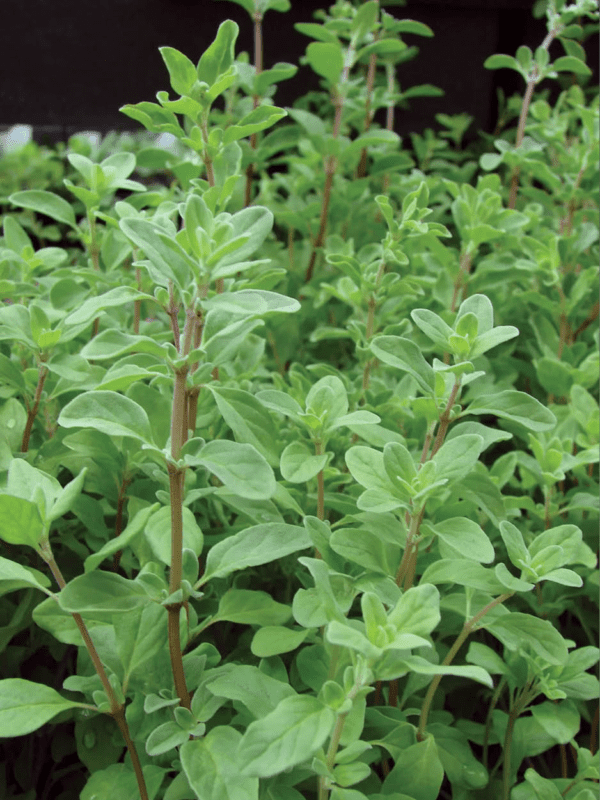
Plants formed the backbone of Irish folk medicine. Dandelion treated digestion. Dock leaves soothed stings. Yarrow helped wounds heal. Healers gathered herbs with care, often following seasonal patterns.
Trees also held power. The oak, for example, symbolized strength and protection. Its cultural role appears in The Celtic Oak Tree, where nature and belief intersect.
Irish folk cures never separated medicine from environment. Healing depended on respecting the land that provided it.
Holy Wells and Sacred Healing Places
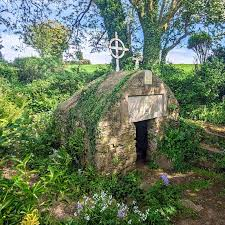
Not all cures came from plants. Holy wells played a central role in Irish healing traditions. People visited these wells to cure eye problems, joint pain, and chronic illness. Many tied cloths to nearby trees, leaving illness behind symbolically.
Christian belief blended seamlessly with older Celtic practices. You can explore this sacred geography further in Irish Holy Wells: Portals to the Past.
Healing here relied as much on faith as on water.
Charm Cures, Prayers, and Spoken Healing
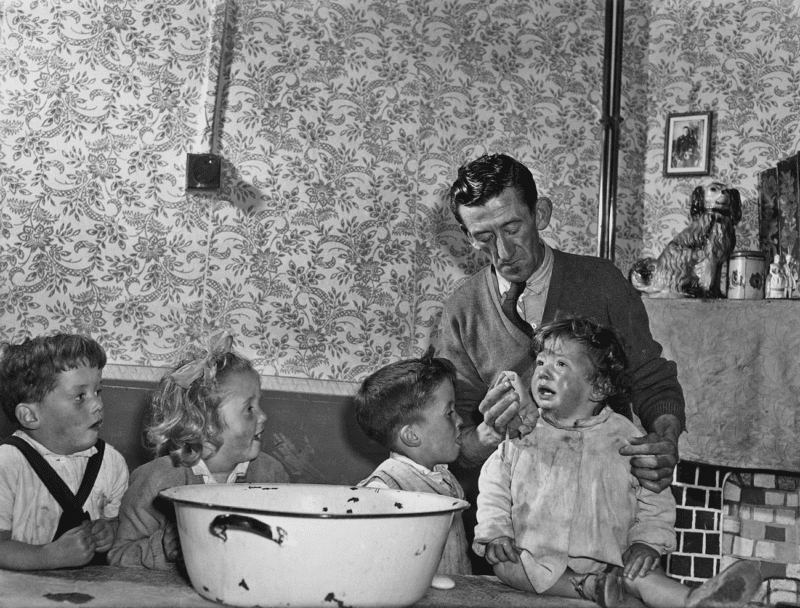
Some Irish folk cures relied entirely on words. Charm cures used prayers, whispered phrases, or blessings spoken at specific times. Certain families became known for curing burns, warts, or shingles through inherited prayers.
These verbal cures highlight Ireland’s belief in the power of sound. The same respect for rhythm and spoken tradition appears in Irish music and ritual, including wake customs discussed in Heartbeat of Farewell.
In folk belief, words could wound but they could also heal.
Folk Cures During Hardship
Periods of crisis strengthened reliance on folk cures. During famine, poverty, and displacement, people turned to whatever knowledge they still possessed. The Influence of the Irish Potato Famine shows how hardship reshaped daily survival, including health practices.
Folk cures offered comfort when little else remained. Even when results proved uncertain, belief itself eased suffering.
This emotional support mattered as much as physical relief.
Decline and Modern Revival
Modern medicine reduced the daily use of folk cures, but it did not erase them. Many practices survive today as cultural heritage. Herbal knowledge, holy well visits, and spoken blessings now attract renewed interest.
People seek these traditions not as replacements for medicine, but as connections to ancestry. Similar revivals appear across Celtic culture, from music to mythology, including tales of sacred objects like The Cauldron of Dagda.
Folk cures endure because they speak to identity.
Why Irish Folk Cures Still Matter
Irish folk cures reveal how communities faced illness with creativity, belief, and resilience. They show a culture that trusted nature, respected words, and found healing in shared tradition.
In a modern world focused on speed, these cures remind us that care once moved slowly and meaningfully.