


Celtic Weapons Artistry: Skill, Symbol, and Story
When we talk about Celtic weapons, we often imagine battle scenes, warriors, and strategy. Yet, as I learned during my studies at the University of Edinburgh, these objects tell a deeper cultural story. They reveal how communities understood honor, protection, identity, and beauty.
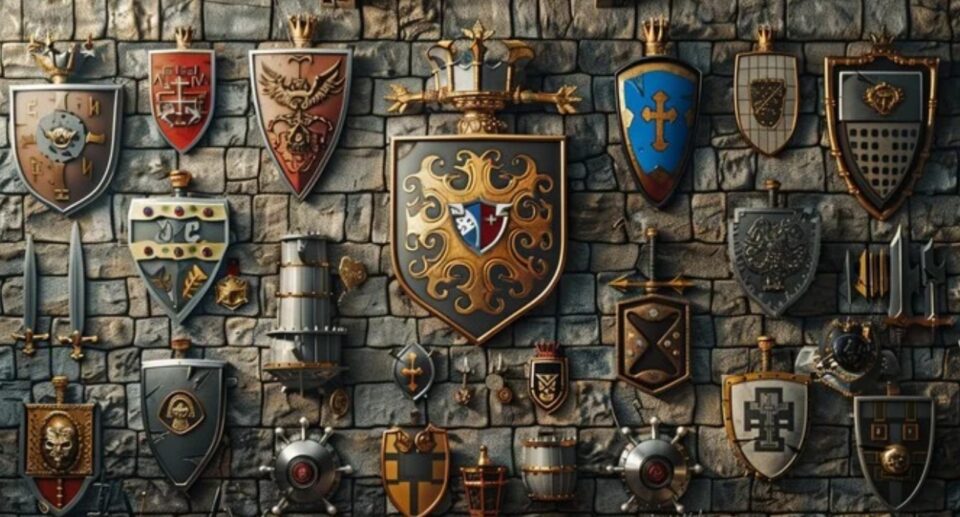
Celtic weapons rarely existed as simple tools of war. Artisans shaped them with intention. Patterns carried spiritual meaning. Materials connected warriors to lineage and land. And every object: sword, spear, or shield, spoke about the person who carried it.
In this article, let’s explore how craftsmanship and symbolism shaped Celtic weapons, and why they still fascinate historians, artists, and collectors today.
Craftsmanship: Weapons as Works of Art
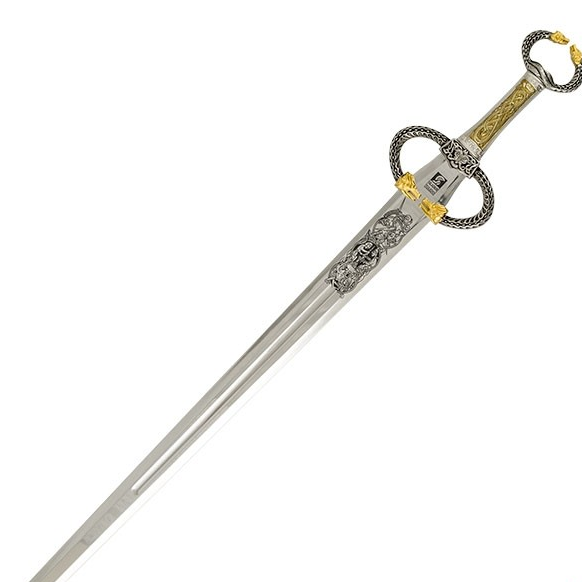
Celtic smiths did not rush their work. They forged blades slowly, layer by layer, allowing strength and elegance to coexist. Many swords show curved lines, spirals, and knotwork , motifs also visible in stone carvings and religious art. You can see similar design philosophy reflected here:
➡️ Celtic Stone Carvings
Bronze and iron transformed into something expressive. Handles sometimes included carved animals, gods, or abstract shapes. These elements reminded warriors of courage and continuity.
Meaning Behind the Metal
Weapons communicated social status and spiritual belief. A finely decorated sword often signaled leadership. A richly carved shield suggested protection not just of the body, but of family and tribe.
Many scholars believe some weapons carried ritual value. They appear deliberately placed in rivers and lakes, offerings to divine forces. This connects closely with broader Celtic spiritual traditions, where natural spaces held sacred power. You’ll see similar themes in cultural practices like holy wells and mythic landscapes explored here:
➡️ Irish Holy Wells
Weapons were not simply used. They were respected.

The Warrior Identity
Carrying a weapon meant more than readiness for battle. It meant stepping into a social role. Stories, poetry, and oral traditions shaped how warriors understood responsibility. The Celts valued bravery, loyalty, and storytelling, traits explored beautifully here:
➡️ Why Are Irish People Natural Storytellers?
Weapons became extensions of identity. A warrior trained with the same object for years. Over time, the blade seemed to gain memory.
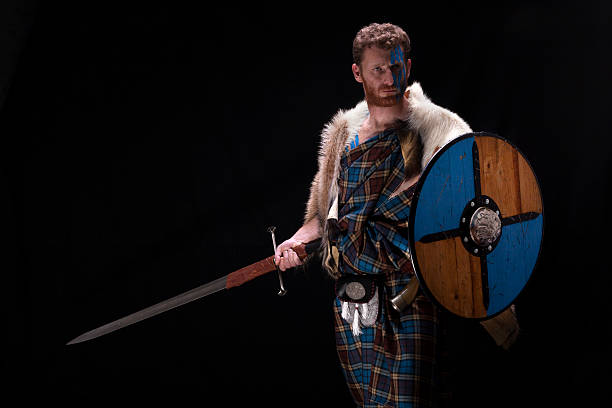
Decorative Traditions Across Culture
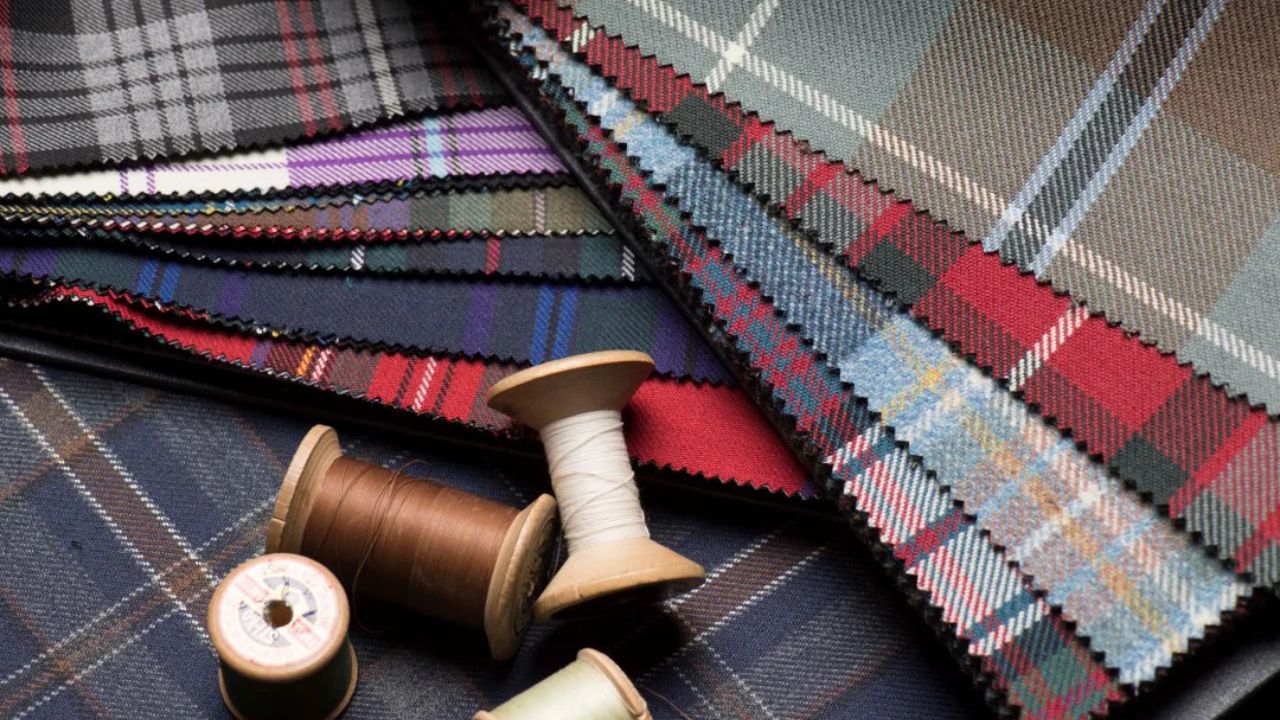
It fascinates me how similar artistic patterns appear across Celtic objects, from weapons to fabrics to musical instruments. The same spirals that curl across sword blades also appear in tartan accessories and ceremonial garments. To see this continuity, explore:
➡️ What Is Tartan?
➡️ How Long Has Tartan Been Around?
This visual language creates unity across everyday life, warfare, music, and ritual. It shows a culture deeply aware of symbolism.
Not Just War, A Story of Heritage
When we examine Celtic weapons today, we uncover more than techniques. We uncover values: courage, artistry, identity, and reverence for nature. These artifacts carry the echo of ancestors much like bells, harps, and other traditional objects now preserved in museums and scholarship.
If you enjoy exploring how material culture preserves history, continue your journey through our archive:
➡️ CeltGuide Blog
Understanding weapons in this broader context allows us to appreciate the Celts not as warriors first, but as artists who shaped metal into meaning.
Final Thoughts
Celtic weapons stand at the crossroads of aesthetics and function. They remind us that craftsmanship once required patience, reflection, and cultural insight. And when we study them, we learn as much about identity and belief as we do about warfare.
Their artistry invites us to look closer and to read the metal as we would any historical text.