

Celtic Sea God Manannán mac Lir: Lord of the Otherworld Seas

The sea shapes Celtic imagination. It divides lands, carries traders, and hides mysteries beneath its restless skin. In Irish mythology, one figure commands that shifting horizon: Manannán mac Lir, the great sea god of the Celts.
He rules not only the waters but also the threshold between worlds. Sailors fear him. Poets praise him. Storytellers remember him.
Let us explore his myth, his symbols, and his enduring place in Celtic thought.
Who Is Manannán mac Lir?
Manannán mac Lir belongs to the Tuatha Dé Danann, the divine race of Irish myth. His name means “son of Lir,” linking him directly to the sea itself. Unlike many storm gods, he rarely rages. Instead, he governs the sea with cunning intelligence and subtle power.
He appears as a warrior, magician, and ferryman of souls. He guides heroes to the Otherworld, protects sacred islands, and controls mist and illusion.
In this role, he resembles figures who guard liminal spaces. If you have explored the Celtic Otherworld before, you may enjoy our discussion on What Is Annwn?
https://celtguide.com/what-is-annwn/
Manannán and the Isle of Man
The Isle of Man takes its name from him. Local tradition remembers him as the island’s first ruler. He cloaks the land in magical mist to protect it from invaders.
That mist matters. In Celtic cosmology, fog signals transition. It marks the boundary between this world and the next. Manannán does not merely live near the sea. He governs passage across it.

Today, travelers still sense mythic resonance in Celtic islands. Our guide to the Isle of Mull explores how landscape and legend intertwine:
https://celtguide.com/isle-of-mull/
Symbols of the Sea God
Manannán carries powerful objects that reveal his character:
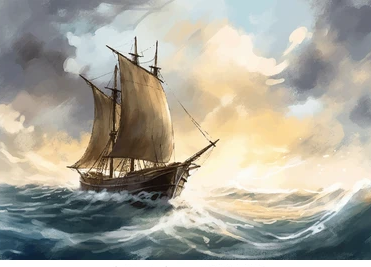
- A self-navigating boat called Scuabtuinne (“Wave-Sweeper”)
- A sword that never misses its mark
- A cloak of invisibility
- A horse that rides across sea and land
Each item reflects mastery over movement and concealment. He controls direction, fate, and perception.
The cloak, in particular, echoes Celtic artistic traditions. You can see similar symbolic layering in ancient carvings discussed in Celtic Stone Carvings:
https://celtguide.com/celtic-stone-carvings/
Manannán as Guardian of the Otherworld
Manannán does more than command waves. He protects sacred realms such as Emain Ablach, the Isle of Apples. There, abundance never fades. Time flows differently.
He often guides heroes like Bran mac Febail to these enchanted lands. Yet he also tests them. Entry requires courage and wisdom.
This role connects him with other powerful deities of the Tuatha Dé Danann. For example, the Dagda’s cauldron symbolizes endless provision. Learn more in Cauldron of Dagda:
https://celtguide.com/cauldron-of-dagda/
Sea, Story, and Celtic Memory
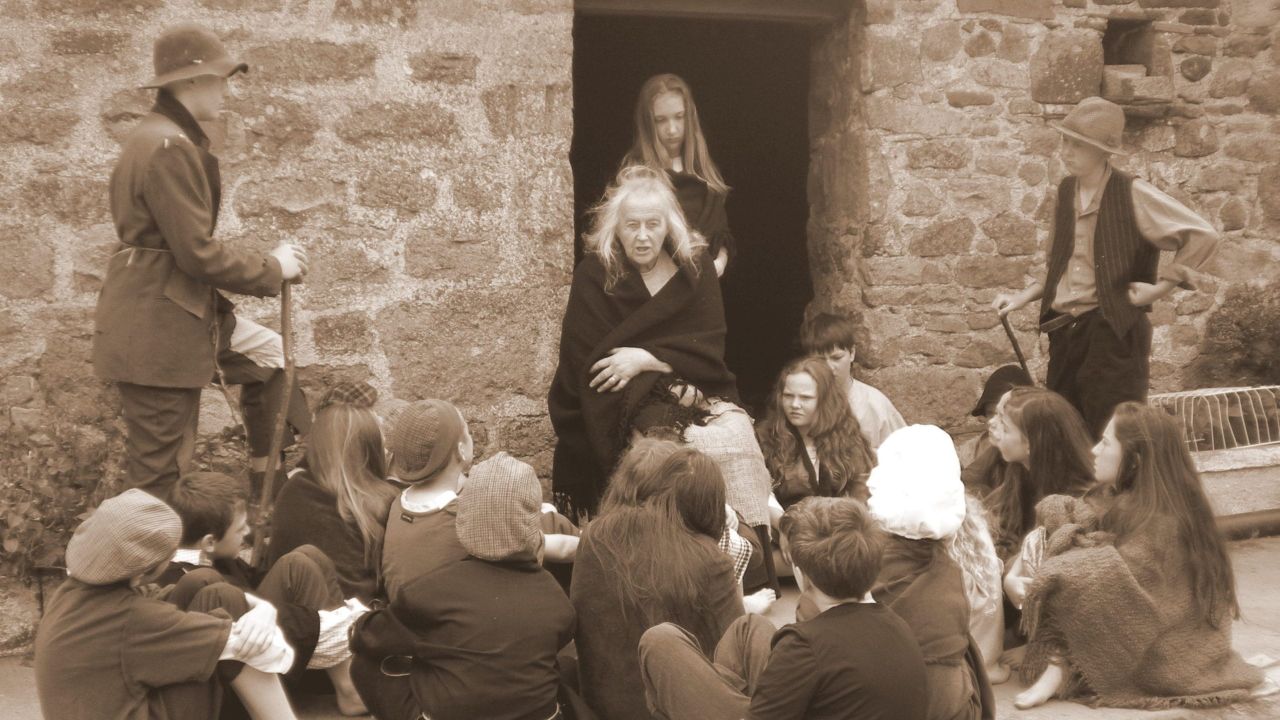
Irish culture preserves memory through story. The sea god survives because storytellers kept him alive. Oral tradition shaped his character across centuries.
If you are curious about that storytelling heritage, explore Why Are Irish People Natural Storytellers?
https://celtguide.com/why-are-irish-people-natural-storytellers/
Music also carries myth. The rhythm of the bodhrán can evoke the pulse of waves. Discover its cultural power in The Bodhrán Drum:
https://celtguide.com/the-bodhran-drum/
Manannán and Celtic Cosmology
Manannán occupies a liminal position in Celtic belief. He stands between mortal and divine realms. He blurs boundaries.
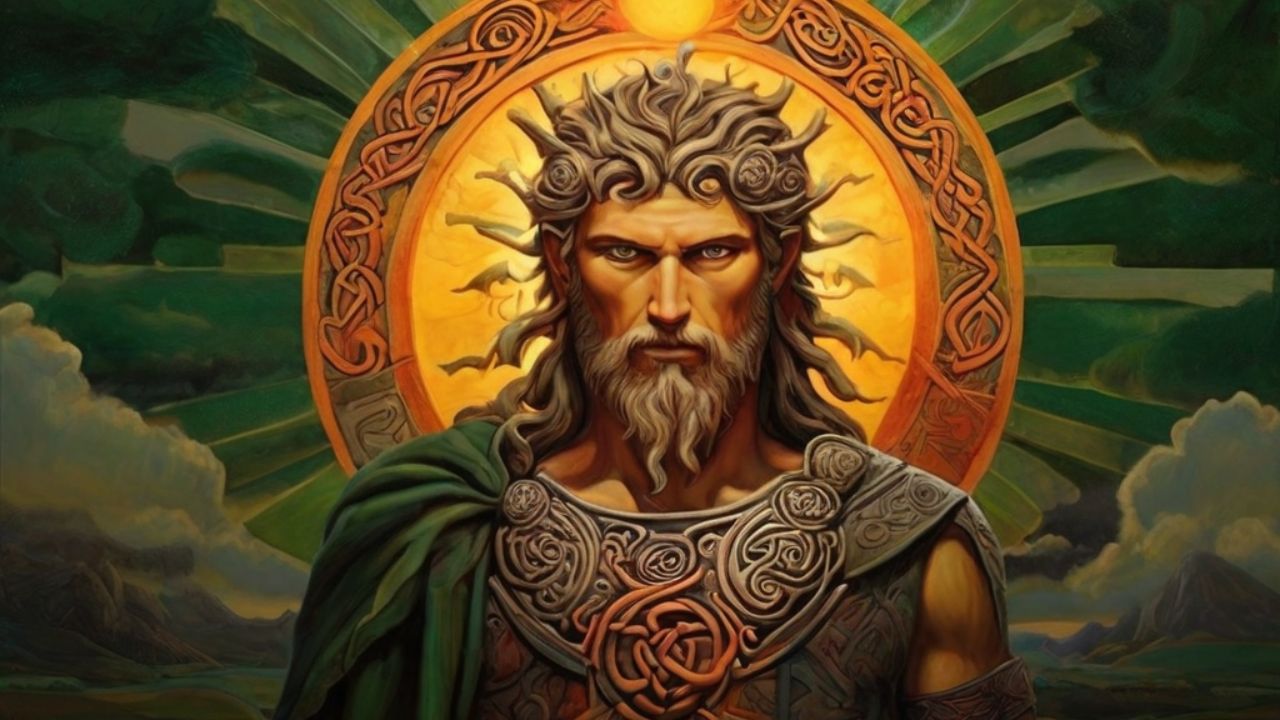
Unlike Lugh, the radiant sun god celebrated for skill and light (see Celtic Sun God Lugh), Manannán thrives in ambiguity.
https://celtguide.com/celtic-sun-god-lugh/
Together, these figures reveal the Celtic balance between light and shadow, sea and sky, certainty and mystery.
The Enduring Legacy of Manannán mac Lir
Modern Celtic spirituality continues to honor him. Writers invoke him as a symbol of depth and protection. Neo-pagan communities celebrate him at seasonal festivals.
Yet his significance remains literary as well as spiritual. He embodies the sea as teacher. The ocean humbles, guides, and transforms.
In an age of rapid travel and digital borders, Manannán reminds us that crossing thresholds always demands respect.
FAQs
Was Manannán mac Lir a real historical figure?
No. He belongs to Irish mythology and the Tuatha Dé Danann. However, his legend deeply influenced Celtic cultural identity.
What powers did Manannán mac Lir have?
He controlled the sea, created magical mist, guided souls to the Otherworld, and wielded enchanted weapons and vessels.
Is Manannán connected to the Isle of Man?
Yes. The Isle of Man derives its name from him and preserves strong folklore ties to his rule.
Final Reflection
Manannán mac Lir stands at the meeting point of water and imagination. He governs tides, but he also governs transition. Through him, the Celts expressed reverence for the sea’s beauty and danger.
When we read his story, we do not merely revisit myth. We encounter an ancient understanding of movement, mystery, and meaning.
And like the tide, that understanding never truly recedes.