

Celtic Sacred Groves: Nature, Ritual, and Memory
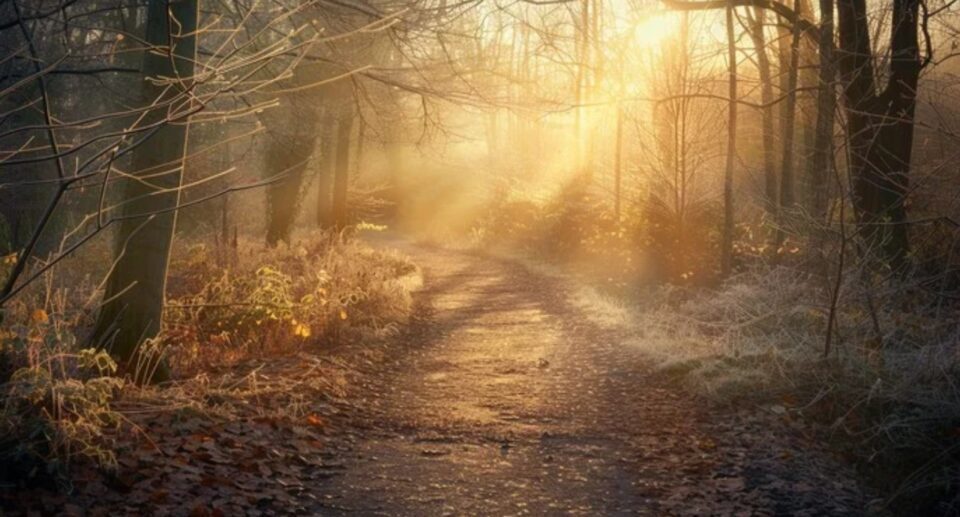
Walk into an old forest in Ireland or Scotland, and the world slows down. Light filters through the leaves, the air holds a quiet hum, and you feel watched, not in a threatening way, but with curiosity. For Celtic communities, this sense of living presence shaped faith itself.
Sacred groves were not decorations. They served as temples, schools, legal courts, ceremonial grounds, and gateways between seen and unseen worlds. Rather than carving stone temples, the Celts trusted the forest. Roots held memory. Trees kept witness.
That relationship shaped culture in deep ways and its echoes still whisper across the Celtic landscape.
Why Sacred Groves Mattered
Celtic belief grew from the land. People farmed beside rivers, herded near wooded hills, and celebrated seasonal cycles under the open sky. A grove created a natural gathering place.
Druids taught philosophy, law, astronomy, and healing there. Chiefs made promises where the trees “heard.” Festivals honored the turning year. Because ritual happened outdoors, people stayed aware that spiritual life depends on a living world.
You can feel similar continuity at historic sites like the Hill of Tara, where landscape and ritual meet. Explore more about its story here: https://celtguide.com/hill-of-tara/
The Language of Trees
Trees did not stand only as plants. They spoke symbolically.
- Oak (Duir) symbolized strength, protection, and sovereignty.
- Rowan guarded against harm.
- Hazel carried wisdom and poetic vision.
- Yew represented death and return.
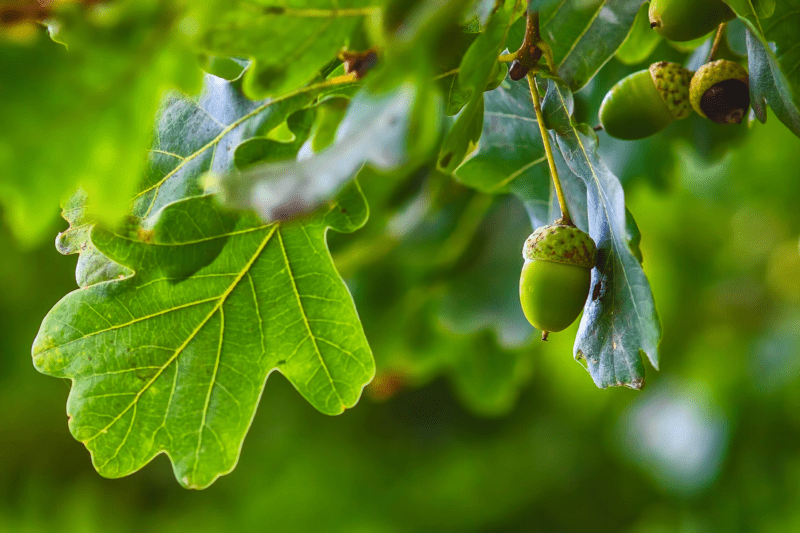
When oaks dominated a grove, people felt the presence of authority and stability. No surprise that many rituals gathered under them. For a deeper look at oak symbolism in Celtic culture, read: https://celtguide.com/celtic-oak-tree/
Ritual Without Walls
Unlike cultures that built massive stone temples, Celtic communities chose to worship where wind, birds, and seasons participated.
Fire festivals marked transitions. Oaths shaped justice. Elders and druids settled disputes beneath tree canopies. The forest reminded everyone that law grows from responsibility to land, ancestors, and community.
That love of natural rhythm flows into storytelling traditions as well, the kind of narrative sense we explore here:
Why Are Irish People Natural Storytellers? — https://celtguide.com/why-are-irish-people-natural-storytellers/

What Happened to the Groves?
Many sacred groves disappeared through conquest, agriculture, and religious suppression. Yet ideas rarely vanish. They transform.
Holy wells, monastic gardens, and rural shrines preserved the memory of sacred nature. People still tie ribbons to wishing trees or leave tiny offerings at ancient roots. These gestures do not worship trees directl, they thank the spirits believed to dwell through them.
For another powerful survival of nature-based devotion, explore Ireland’s holy wells:
Irish Holy Wells — https://celtguide.com/irish-holy-wells-portals-to-the-past-pathways-to-the-divine/
Why They Still Matter Today
Celtic sacred groves remind us of a worldview we urgently need again.
They teach that:
- landscapes hold stories
- human communities thrive when rooted in place
- spirituality grows best through relationship, not domination
- conservation begins with reverence
When we treat forests only as resources, we lose wisdom older than books. When we walk through them thoughtfully, we join a conversation that never truly stopped.
Want to Explore More Celtic Heritage?
Browse other guides across our Culture & Tradition collection:
https://celtguide.com/blog/
Celtic history lives not only in texts, but in landscapes that still breathe. When you visit a grove, step quietly, listen carefully and let the forest speak.