Celtic Iron Age Forts: Defenses, Symbols, and Legacies

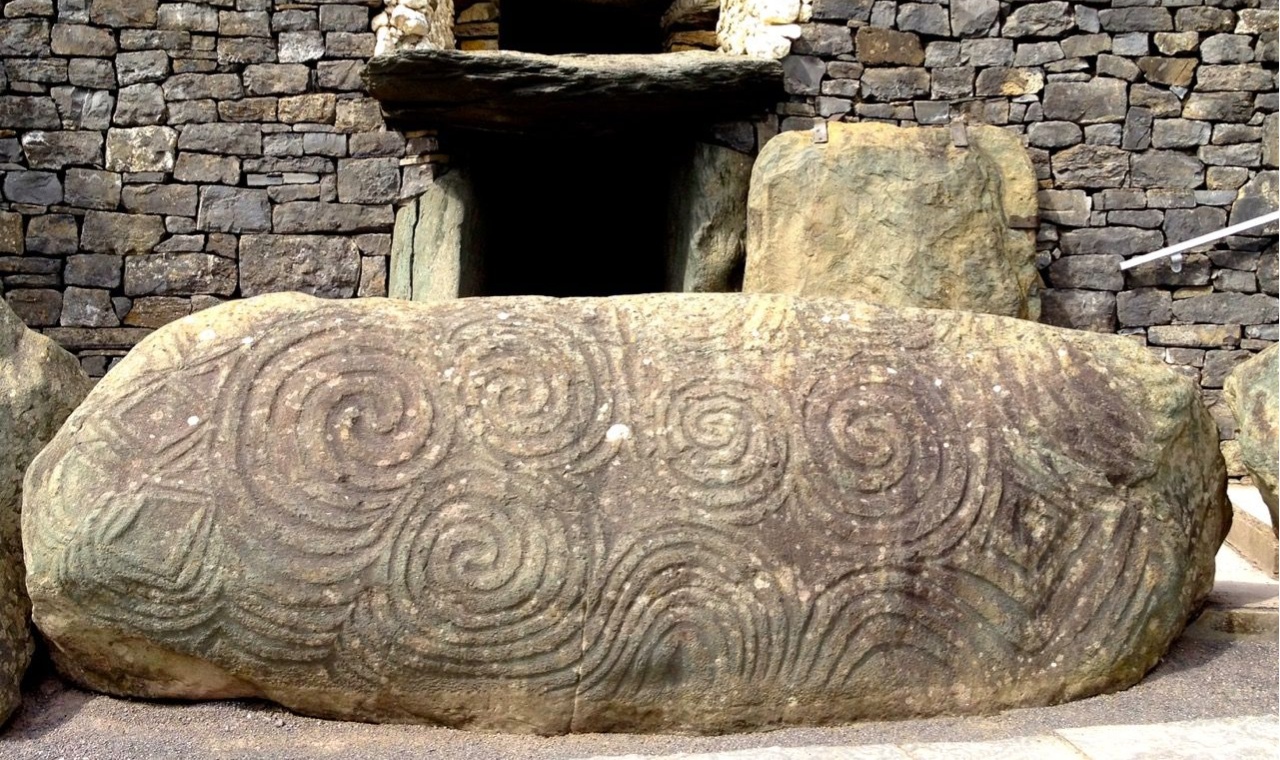
When you wander across the Celtic landscapes of Ireland and Scotland, it’s hard to miss the circular ridges and stone ramparts that rise from the hills. These aren’t just piles of ancient stone. They are Iron Age forts—the strongholds, homes, and symbols of Celtic power and identity. Much like the Celtic stone carvings, these forts offer us a glimpse into how the Celts lived, defended themselves, and expressed their worldviews.
What Were Celtic Iron Age Forts?
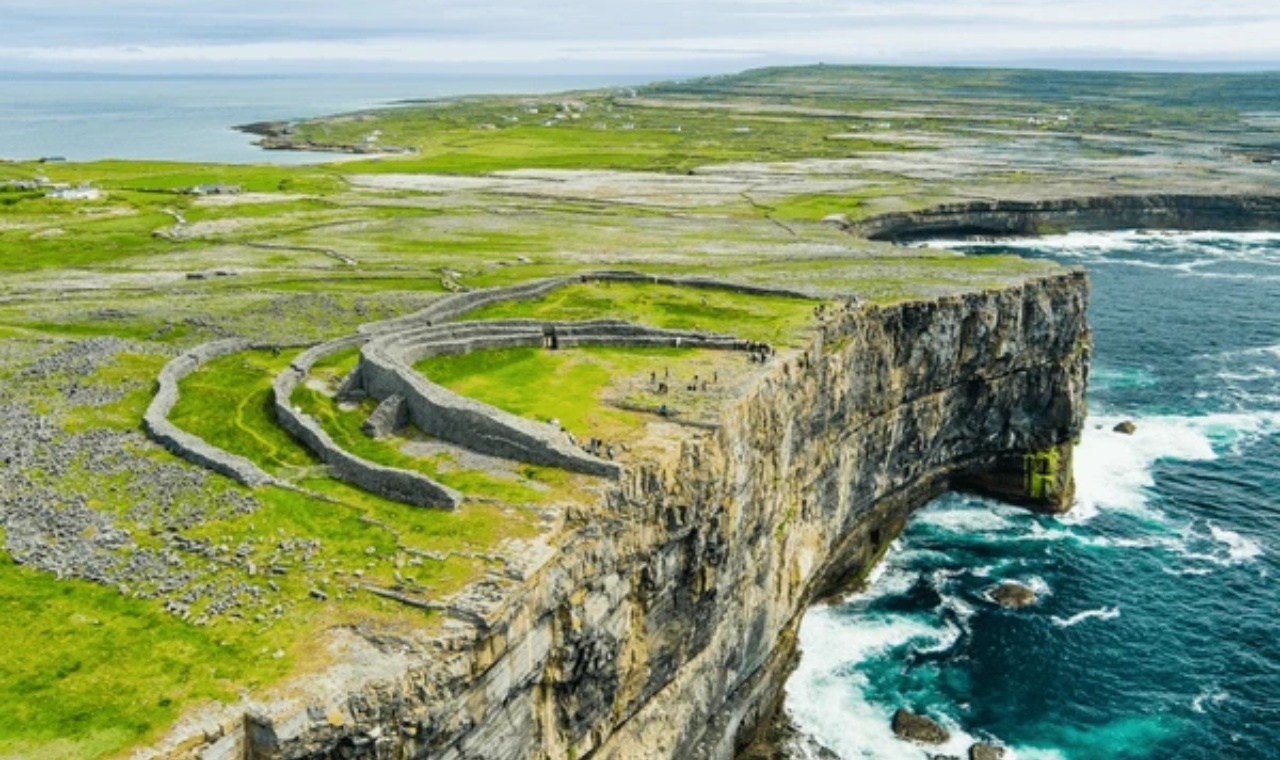
Celtic Iron Age forts were fortified enclosures, usually circular, built from earth, timber, or stone. They served multiple purposes:
- Defensive bastions during conflict
- Centers of community life where people gathered
- Symbols of status and power, often dominating the landscape
Two of the most famous types were:
- Hillforts – Large enclosures on elevated ground, often with impressive ramparts.
- Ringforts (raths or duns) – Smaller circular enclosures, usually farmsteads, scattered across Ireland.
These constructions weren’t just practical; they were deeply symbolic, much like the Celtic oak tree which represented strength and endurance.
Hillforts: High Places of Power
Hillforts rose prominently on ridges, commanding sweeping views of valleys below. Archaeologists believe they were not merely military installations but also centers of tribal authority and ritual gatherings.
For example, the Hill of Tara in Ireland, though often linked with kingship and mythology (Hill of Tara guide), also displays features of fortified design. Such sites blur the line between political, spiritual, and defensive functions.

Ringforts and Duns: Everyday Defenses
Not all Celtic forts were monumental. Across Ireland, countless ringforts (or raths) dot the countryside. Typically circular, enclosed by banks and ditches, these were farmsteads for extended families. In Scotland, the smaller stone-built duns served similar roles.
They highlight the communal and agricultural lifestyle of the Celts, where protection was sought not only from warfare but also from raiders, wild animals, and rival clans. The presence of everyday artifacts, like pottery and tools, links these forts to daily rhythms of farming, feasting, and storytelling—echoing how the Irish people became natural storytellers.

Spiritual and Symbolic Dimensions
Celtic forts were more than defensive enclosures—they embodied cosmology and identity. Their circular shapes mirrored the Celtic fascination with cycles, continuity, and protection. Much like Celtic myths of Lugh, these forts held spiritual resonance, marking boundaries between the safe “inside” and the chaotic “outside.”
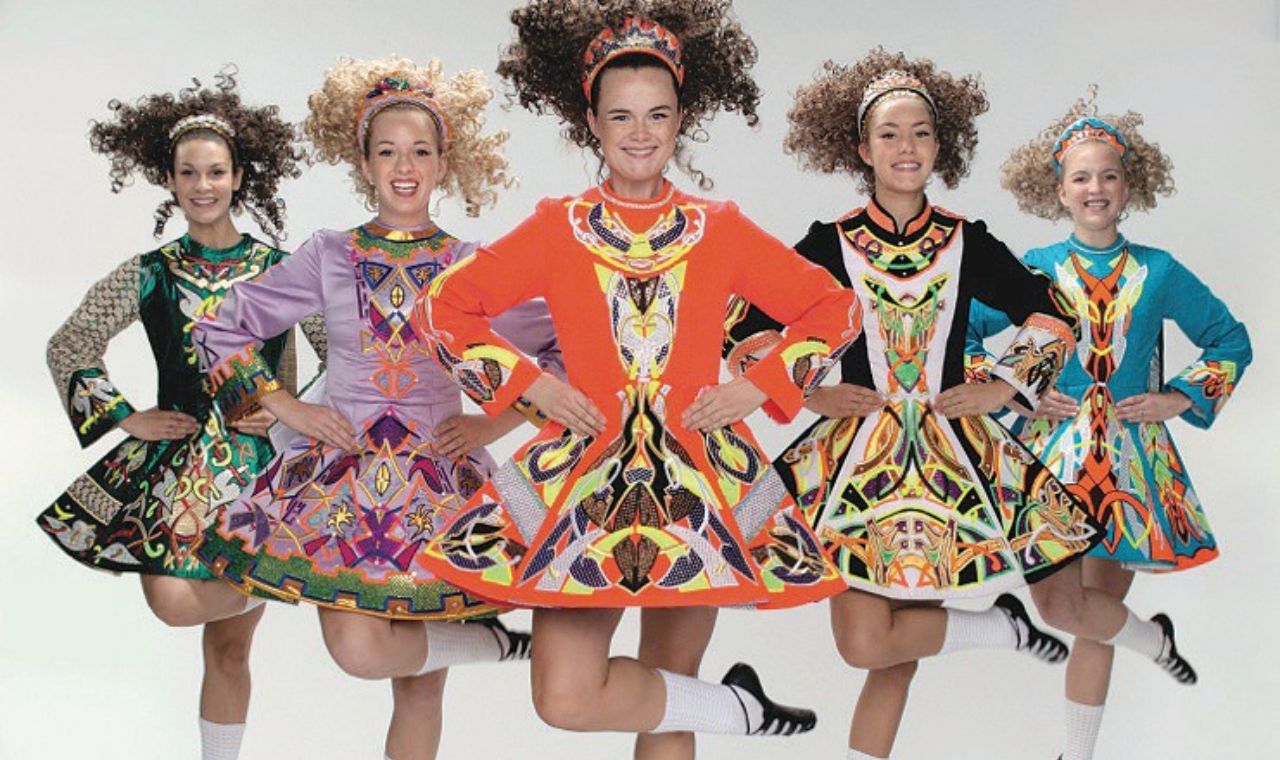
The act of building such a structure also reinforced community bonds, echoing traditions still celebrated in gatherings such as céilí dances.
Legacy of Celtic Iron Age Forts
Today, Celtic forts are more than archaeological sites, they are landmarks of identity. Tourists exploring the Ring of Kerry often encounter ringforts tucked into the green hillsides, while Scottish hillforts remind visitors of a proud warrior heritage that continues to echo through Highland Games.
These sites are part of a broader Celtic heritage, woven into the same fabric as tartans (what is tartan?) and folklore (selkies in Celtic mythology).
Conclusion: Stones, Stories, and Survival
Celtic Iron Age forts stand as both physical ruins and cultural metaphors. They protected communities, symbolized status, and embodied the Celtic worldview of strength, unity, and endurance. In their enduring presence, they remind us that history is not only written in texts but also in landscapes.
For more explorations into Celtic culture, see our collection of Celtic myths, folklore, and traditions on Celtguide.