Celtic Divination Rituals: Unlocking Ancient Mysteries

Celtic divination rituals provide a fascinating glimpse into the spiritual life of ancient Ireland and Scotland. Rooted in the natural world, these practices were designed to interpret messages from the unseen and guide decisions. Much like storytelling in Celtic culture, which you can explore in Why Irish People Are Natural Storytellers, divination blends narrative, intuition, and symbolism.
In this article, we will explore the history, methods, and significance of Celtic divination, illustrating why these ancient practices continue to captivate modern seekers.
Origins of Celtic Divination
Celtic divination has roots in the practices of druids and early Celtic communities. These spiritual leaders interpreted natural signs, celestial events, and patterns in everyday life. Divination was closely tied to seasonal cycles, agriculture, and communal decision-making.
The Celts believed that nature held messages from the divine, and their rituals were designed to reveal these insights. For an understanding of Celtic reverence for nature, see Celtic Oak Tree.
Common Tools and Techniques
Celtic divination employed various tools and techniques:
- Ogham Staves: Ancient stones inscribed with the ogham alphabet to receive messages from spirits.
- Crystals and Stones: Used to amplify intuition and reveal hidden patterns.
- Runes and Bones: Objects were cast to interpret outcomes or provide guidance.
- Water Divination: Observing reflections, ripples, or submerged objects for prophetic insight.
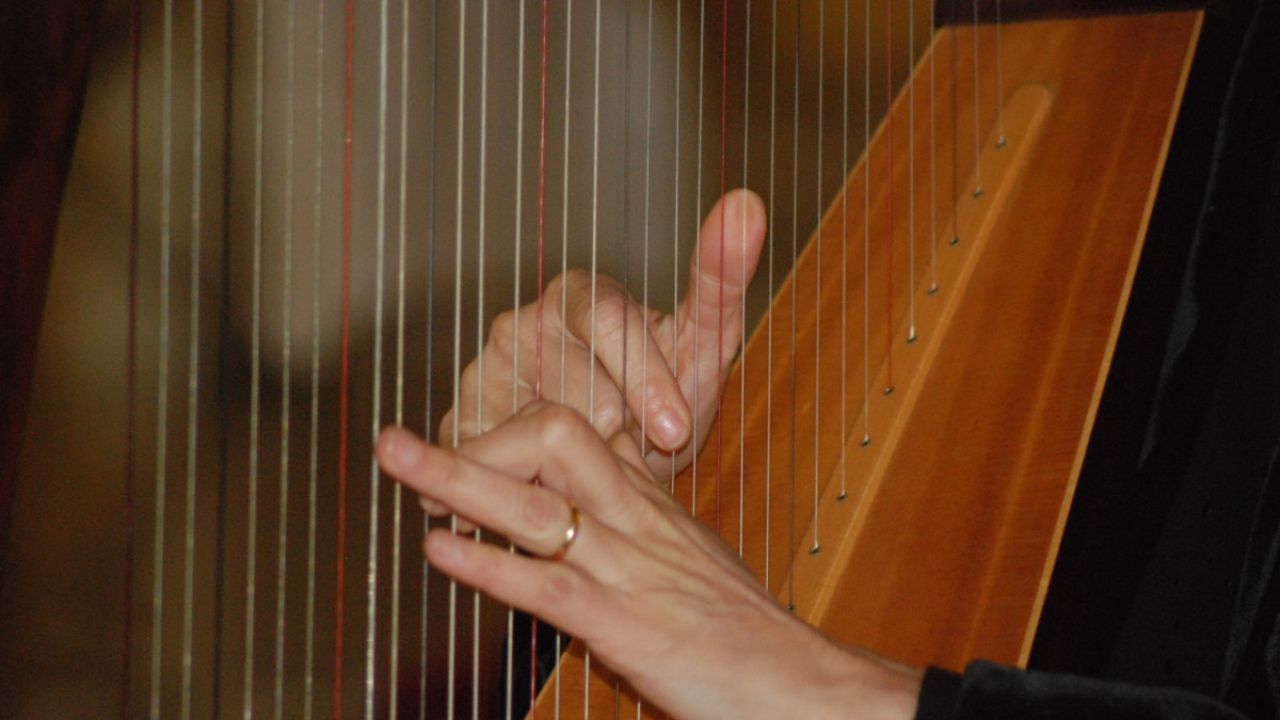
These tools allowed druids and practitioners to connect the physical world with spiritual guidance, much like the Clarsach connected music with ritual and storytelling.

The Role of Nature in Celtic Divination
Nature was central to Celtic divination. Trees, rivers, stones, and the sky served as conduits for insight. The druids interpreted patterns in leaves, the flight of birds, or seasonal changes to predict events or advise leaders.

This intimate connection with the environment reflects the Celtic worldview: all life is interconnected. Learn more about natural symbolism in Celtic Stone Carvings.
Divination Rituals and Social Life
Divination was not merely personal; it shaped community life. Leaders relied on these rituals to make decisions about war, agriculture, and spiritual observances. Prophetic insight guided festivals, seasonal celebrations, and rites of passage.
Celtic divination rituals often included music, chanting, and storytelling, which strengthened communal bonds much like Céilí Bands in later Irish traditions.

Modern Revival of Celtic Divination
Today, Celtic divination experiences a revival among those interested in heritage, spirituality, and personal growth. Ogham readings, guided meditations, and nature-based rituals provide insight and connection to ancient wisdom.
Practitioners often integrate historical knowledge with intuitive practice, honoring both tradition and personal experience.
Why Celtic Divination Matters
Celtic divination connects us to ancestral ways of seeing the world. It encourages mindfulness, reflection, and respect for natural rhythms. Beyond predictions, it offers a framework for understanding life, decisions, and our place within the universe.
For a deeper journey into Celtic culture, see our full Celtguide Blog.