
Celtic Animal Totems: Symbols of Wisdom and Power
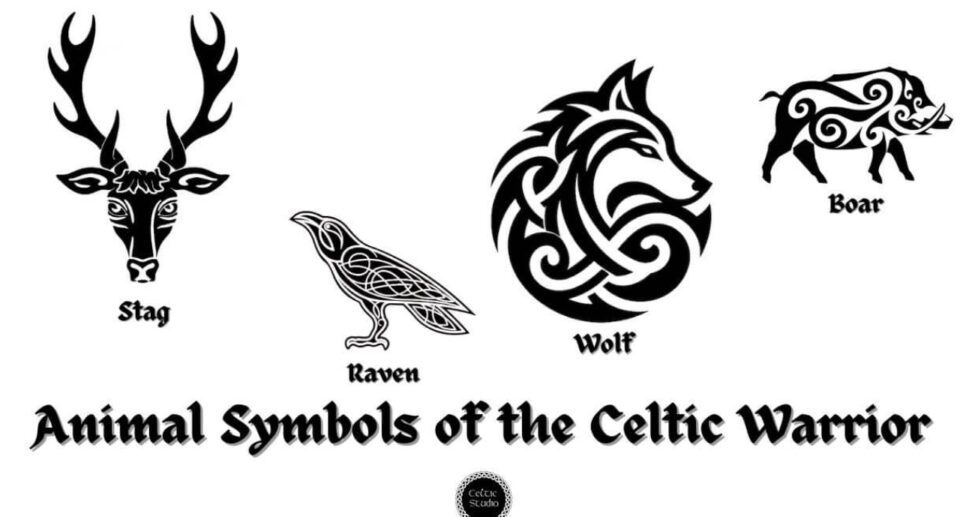
When we walk through the Celtic world; its myths, stones, carvings, and songs, animals keep appearing with striking consistency. They do not stand as decoration. They communicate character, destiny, and relationship.
In Celtic thought, animal totems acted as teachers. They guided warriors, inspired poets, and helped communities imagine courage, wisdom, loyalty, and resilience. Rather than separating humans from animals, Celtic cultures understood life as an interconnected web, each creature holding insight we might learn from.
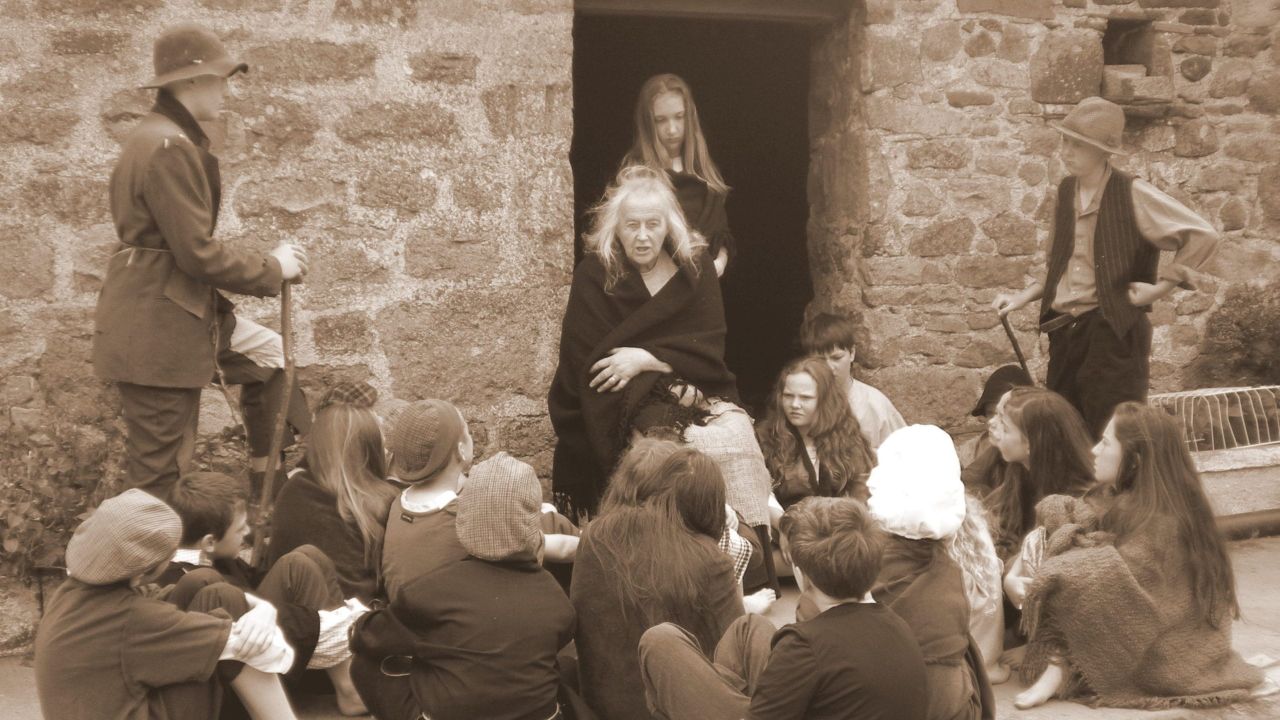
This worldview still shapes Celtic storytelling today. If you enjoy how narrative carries meaning, you may like this exploration: Why Are Irish People Natural Storytellers? (https://celtguide.com/why-are-irish-people-natural-storytellers/)
Why Totems Mattered in Celtic Life
Totems grounded belief in lived experience. Hunters read animal tracks. Farmers watched seasonal wildlife changes. Sailors studied birds and currents.
Animals taught lessons more immediately than philosophical debate. A raven signals intelligence and warning. A boar shows courage. A salmon models deep knowledge. These images stayed memorable, and they shaped ritual practice, artwork, and leadership ideals.
You can see traces of these ideas in ancient carvings as well: Celtic Stone Carvings (https://celtguide.com/celtic-stone-carvings/)
The Stag: Sovereignty and Renewal
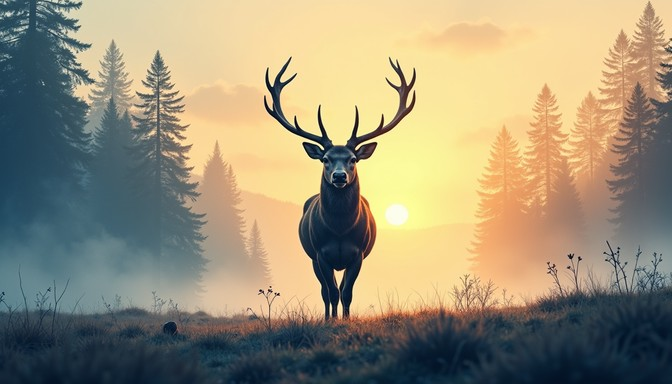
The stag often appears standing alert on hilltops or carved with proud antlers. It symbolized kingship, dignity, and renewal. Because deer shed and regrow antlers, they embodied natural cycles of death and rebirth.
Leaders looked to the stag as a reminder that authority grows from stewardship rather than domination.
The Wolf: Loyalty and Leadership
The wolf inspired both awe and respect in Celtic tradition. Wolves hunted together, protected their pack, and navigated harsh landscapes with skill.
As a totem, the wolf symbolized loyalty, guidance, and protective strength. Warriors often associated themselves with wolves, not because they sought aggression, but because they admired intelligent cooperation.

The Raven: Insight and Transformation
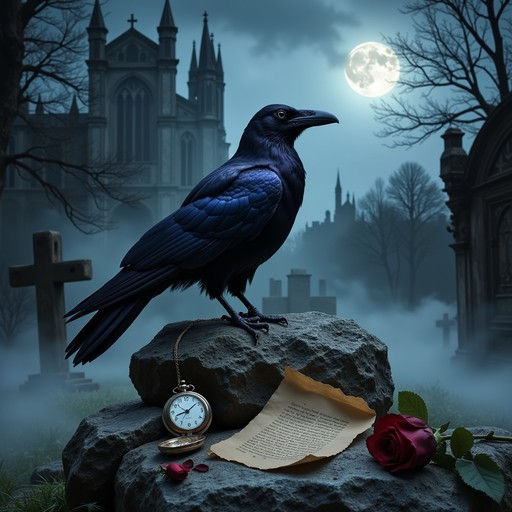
Ravens travel between life and death spaces in many Celtic tales. Their dark feathers and sharp intelligence turned them into messengers between worlds.
The raven represents vision, prophecy, and change. When ravens gather, the story often shifts and transformation waits ahead.
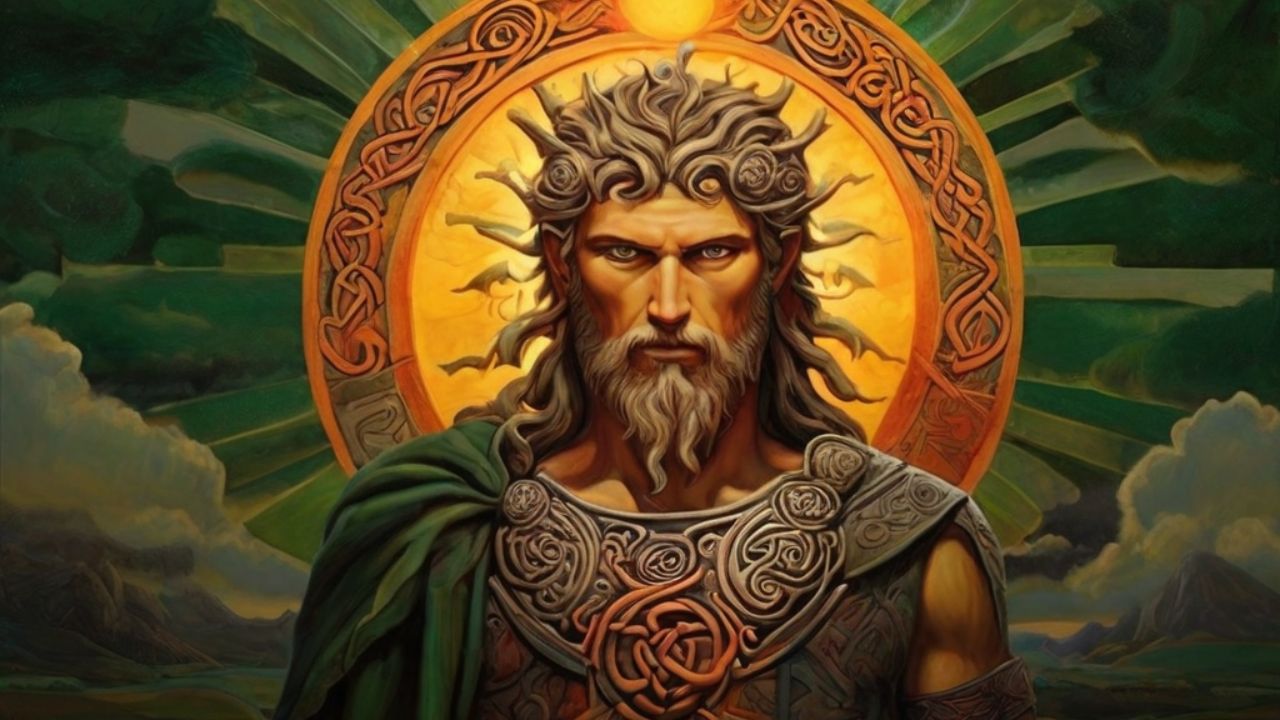
If the connection between nature and belief interests you, this piece also explores spiritual symbolism:
Celtic Sun God Lugh (https://celtguide.com/celtic-sun-god-lugh/)
The Boar: Courage and Determination
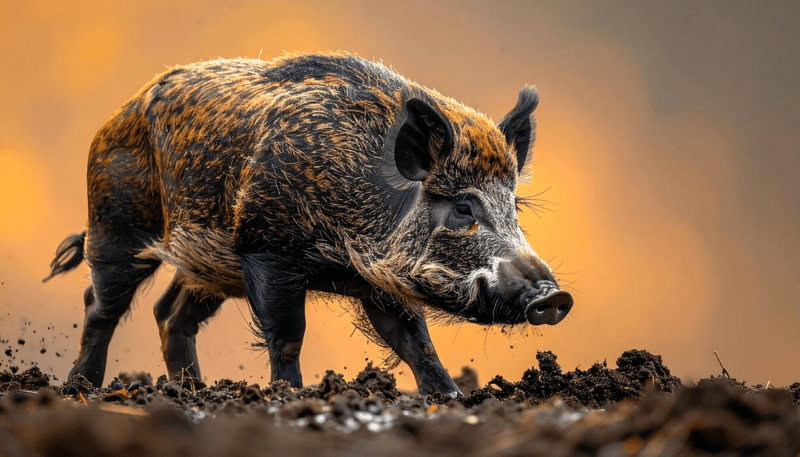
The wild boar stood for unyielding courage. Hunting a boar required bravery, so stories often cast it as a challenge that tested character.
To carry the boar as a totem meant facing obstacles with persistence, even when the path turned dangerous or lonely.
The Salmon: Wisdom and Deep Knowing
Few creatures held as much symbolic richness as the salmon. In Celtic lore, salmon dwell in deep pools and feed on sacred knowledge. To eat the salmon, figuratively speaking, meant gaining insight beyond ordinary learning.
The salmon thus became the totem of poets, scholars, and seekers. Its presence reminds us that wisdom grows patiently, like water reshaping stone.
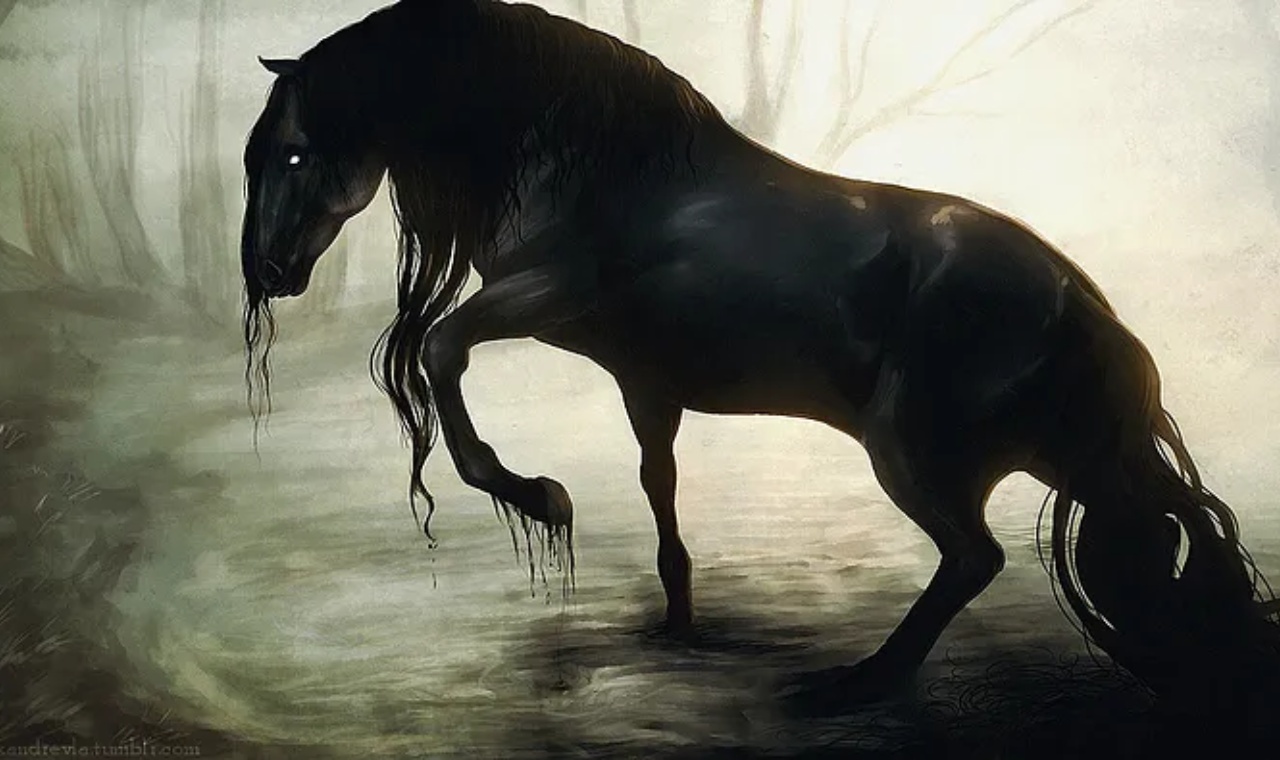
For another glimpse into mythic wisdom, explore: What Is Annwn? (https://celtguide.com/what-is-annwn/)

Why Celtic Animal Totems Still Matter
Animal totems continue to resonate because they offer language for qualities we want to develop.
- When we need strength, we remember the wolf.
- When leadership calls, the stag returns.
- When life transforms, the raven appears.
These symbols invite us into reflection. They remind us that heritage lives in stories as much as in landscapes whether in forests, coastlines, or the quiet spaces where we think and dream.
To explore more Celtic history and culture, browse the full blog archive: https://celtguide.com/blog/