Battle of Prestonpans 1745: The Jacobite Dawn Victory
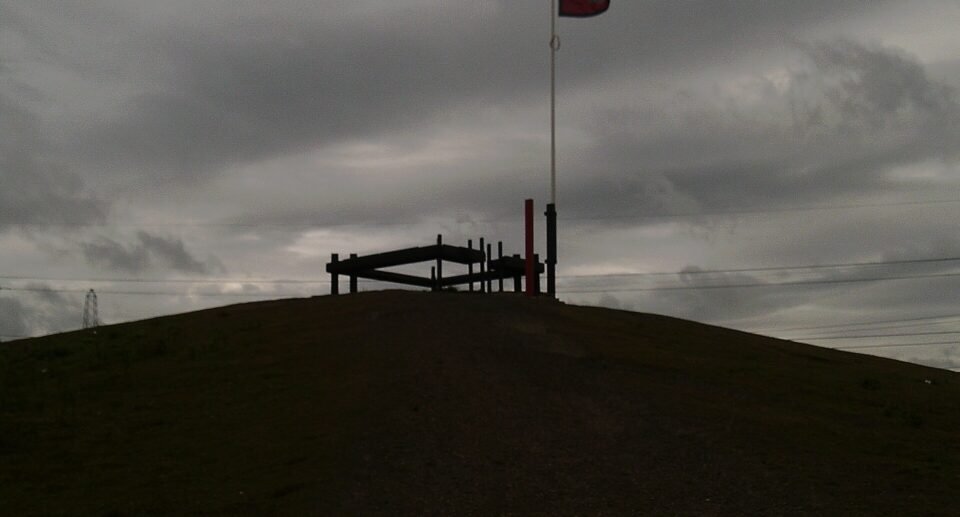
The Battle of Prestonpans was a swift Jacobite victory on 21 September 1745. Charles Edward Stuart’s army found a route across marshy ground and attacked the government force commanded by Sir John Cope at dawn, east of Edinburgh. The government line broke quickly. The victory gave the rising momentum and arms, but it did not settle the question of who would rule Britain. The battle’s short duration should not hide the careful movement that made the attack possible.
Why were the armies near Prestonpans?
Charles Edward Stuart had landed in Scotland to seek the restoration of his father, James Francis Edward Stuart, to the thrones lost by James VII and II in 1688–89. His supporters entered Edinburgh in September 1745, though the castle remained in government hands. Cope, having brought his army by sea to Dunbar, advanced west along the coast to confront them. These were competing claims to the state, not a contest in which all Highlanders stood on one side and all Lowlanders on the other. For the longer arc of the cause, see our guide to the Jacobite risings.
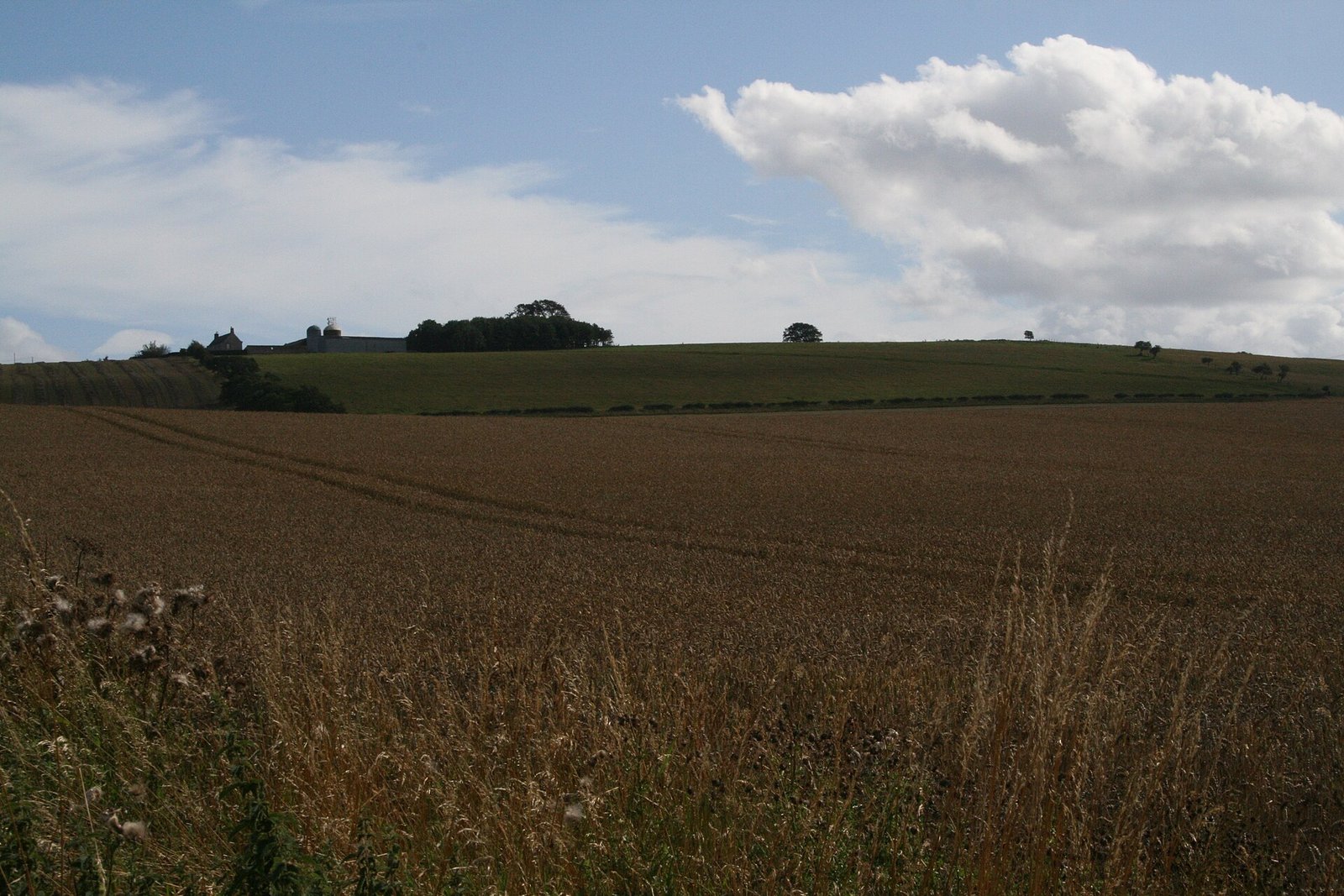
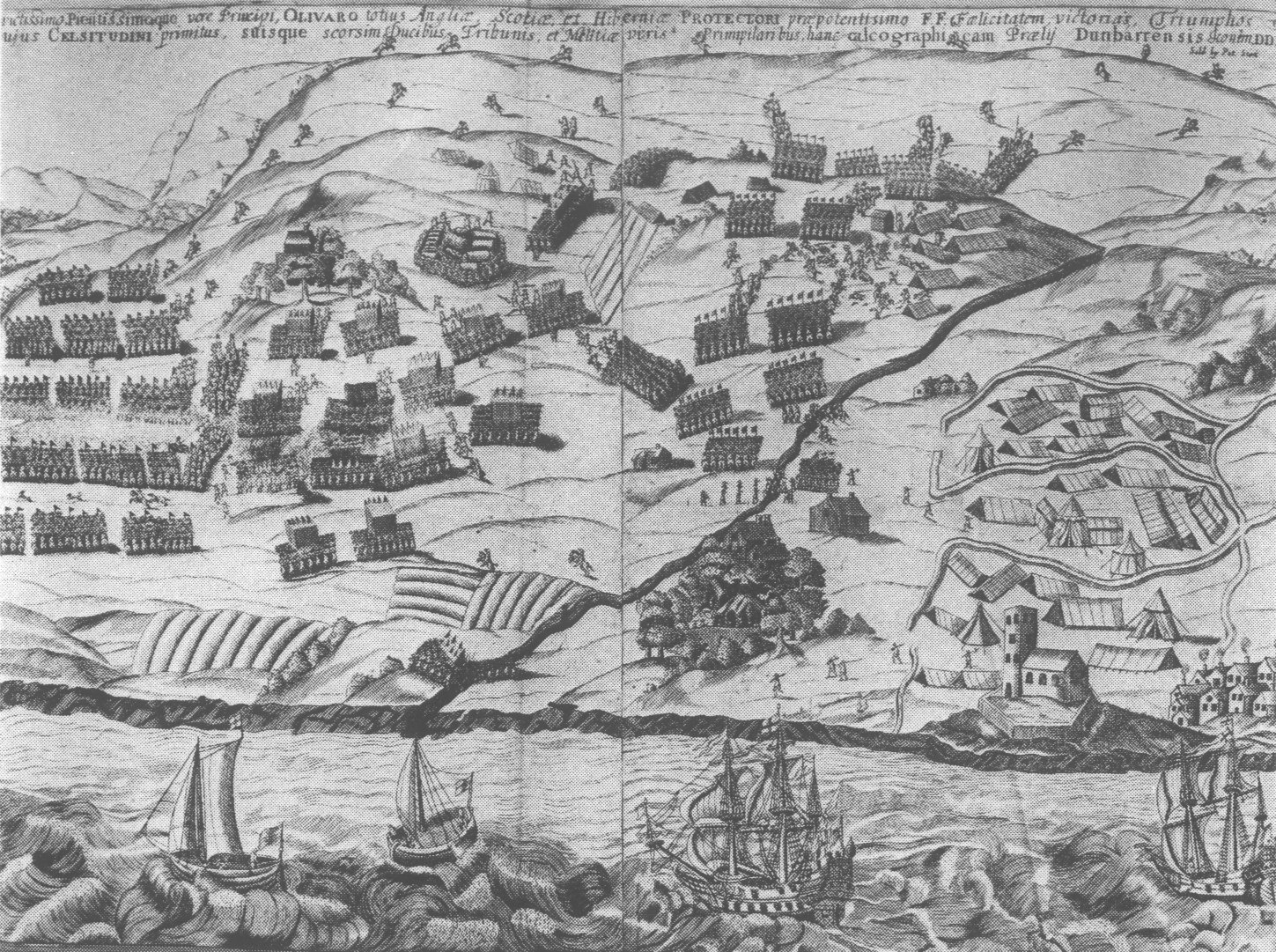
Cope took a position with marshy ground protecting an approach to his front. The Jacobites faced a tactical problem: a direct advance through the wet ground would disrupt their formation and expose them to fire. Local knowledge changed the situation. The heritage inventory records a route through the marsh associated with Robert Anderson of Whitburgh, allowing the Jacobites to turn the position overnight.
What happened at dawn?
In the darkness, the Jacobite army moved around the obstacle and formed to attack from the east. Dawn and mist added confusion. Cope adjusted his line to meet the new threat, but the charge struck before his force could make its fire and cavalry count. Some government troops resisted, and Colonel James Gardiner was mortally wounded; the rapid collapse of the line should not erase individual fighting or casualties on both sides.
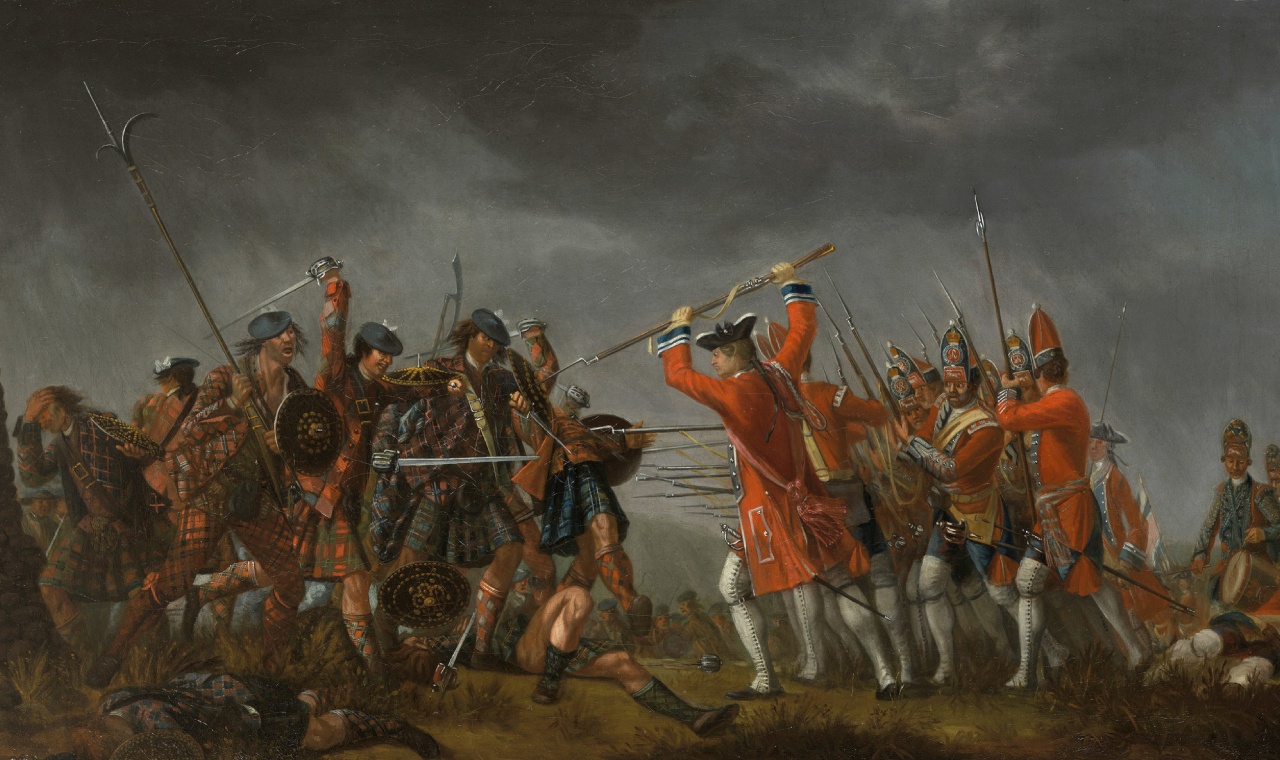
The Highland charge worked here as a coordinated assault after a successful night movement. It was not a magical weapon that always defeated disciplined troops. Ground, surprise, timing and the opposing army’s response shaped its effect. CeltGuide’s account of the Highland charge sets the tactic in its wider history, while the later Battle of Culloden shows how differently a later confrontation ended.
What did the victory achieve?
Prestonpans gave the Jacobites a major early success and helped Charles’s army gain confidence, equipment and recruits. The campaign continued into England later that year, followed by retreat and, ultimately, defeat at Culloden in April 1746. It is tempting to read that later outcome back into the morning at Prestonpans. At the time, neither side knew how far the rising would go.
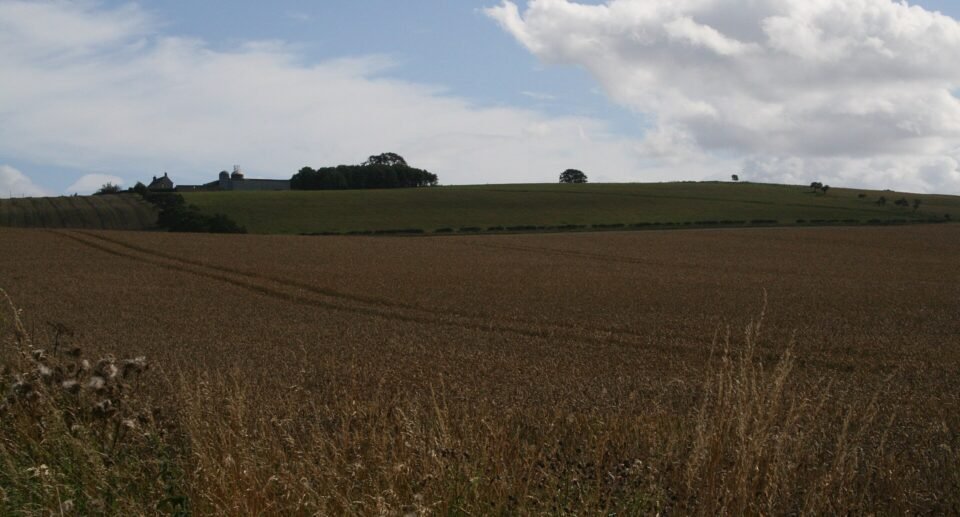
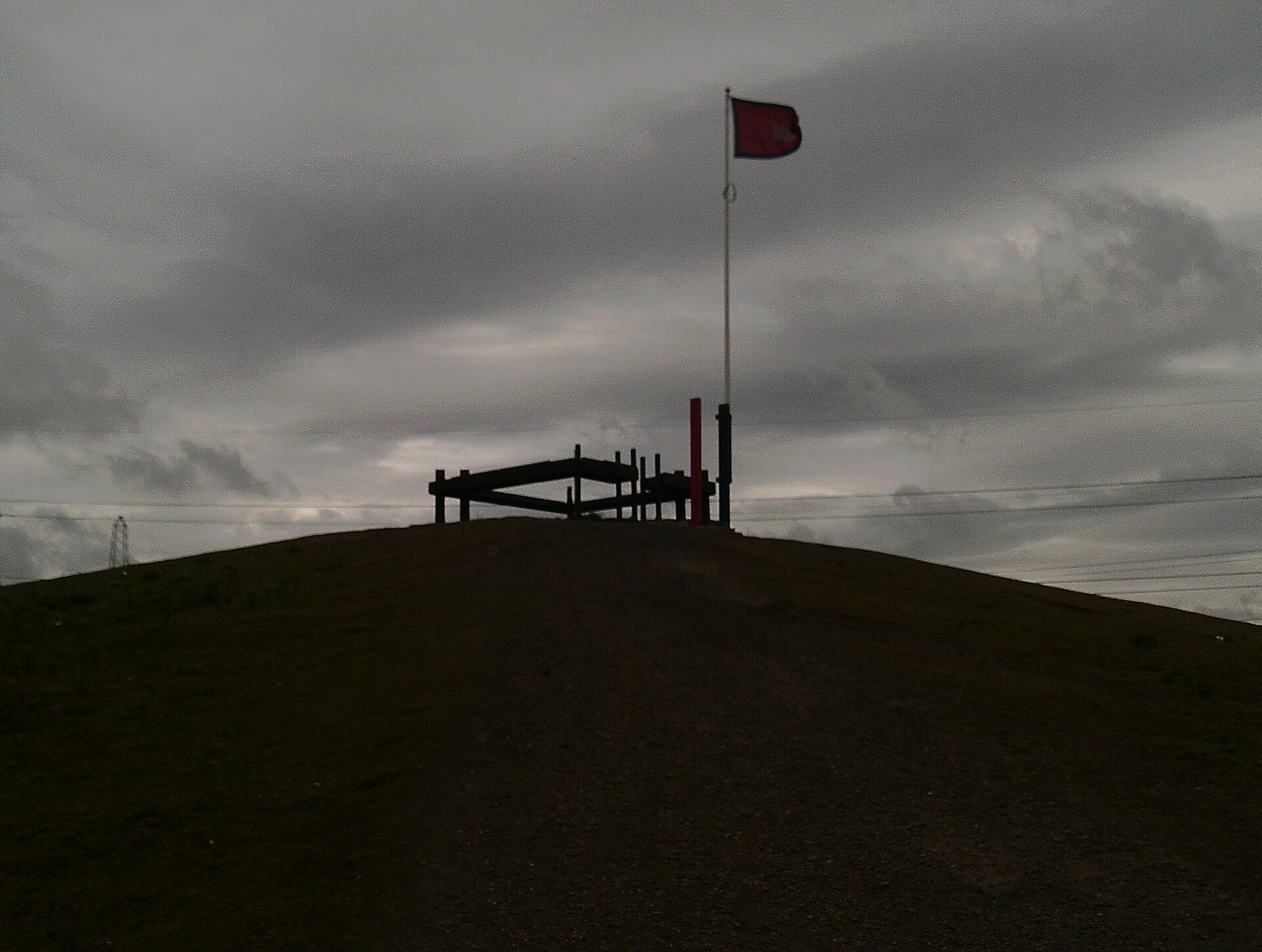
The battlefield has changed with roads, buildings and industry. Historic Environment Scotland’s Inventory of Historic Battlefields entry sets out why the surviving landscape remains important and discusses the uncertainty in estimates of the armies’ size. It is a useful reminder that precise figures repeated in popular retellings often come from conflicting records.
Questions readers often ask
Where was the battle fought? The fighting took place east of Edinburgh, in the Prestonpans and Tranent area of East Lothian. It is also called Gladsmuir in some historical accounts.
Did Charles Edward Stuart command the charge himself? Charles led the rising, but the success depended on the army’s commanders, the troops’ night march and local guidance through the ground.
Was Prestonpans the last Jacobite victory? No. The rising continued, and the Jacobites won another major battle at Falkirk in January 1746 before Culloden.
Remembering Prestonpans
The battle is remembered for a dramatic charge, but the revealing moment came before the charge: a route was found, an army moved in darkness, and an apparently protected position became vulnerable. That combination of local landscape and national politics makes Prestonpans more than a brief prelude to Culloden.
Featured photograph: Northerner / Wikimedia Commons, CC BY-SA 4.0. The site may crop it for the featured display.