Battle of Flodden 1513: Why Scotland Lost and Its Legacy
The Battle of Flodden was a devastating Scottish defeat on 9 September 1513. James IV invaded England while Henry VIII was campaigning in France, but the English army under the Earl of Surrey outmanoeuvred the Scots near Branxton in Northumberland. James and many nobles died. The battle is often remembered as a national tragedy, yet its causes and outcome are easier to understand by looking at alliance politics, the ground and the weapons both armies brought to it.
Why did Scotland invade England in 1513?
Scotland’s Auld Alliance with France shaped James IV’s decision. Henry VIII had taken an army across the Channel to fight France. A Scottish invasion could force England to divert attention and troops north. James also had his own disputes with Henry, despite their family tie: his wife Margaret Tudor was Henry’s sister. The campaign was therefore a political choice made in a European war, not an isolated quarrel between neighbouring peoples.
James crossed the Tweed in August with a large army, took English border strongholds and settled on the high ground around Flodden Edge. Contemporary army totals vary greatly; the precise numbers on each side cannot be recovered confidently. The border was familiar ground for warfare and raiding, although the armies at Flodden were royal field forces, very different from the later household riders described in our history of the Border Reivers.
How did the battle unfold?
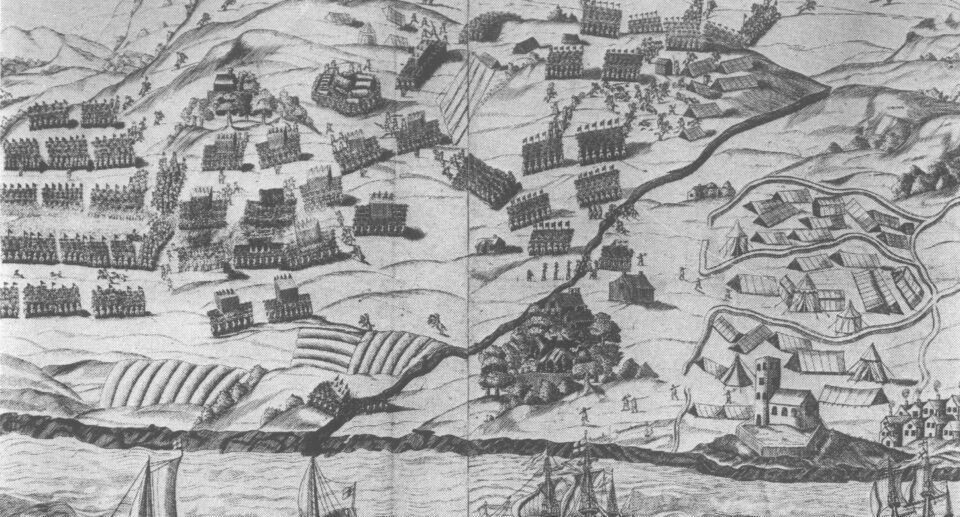
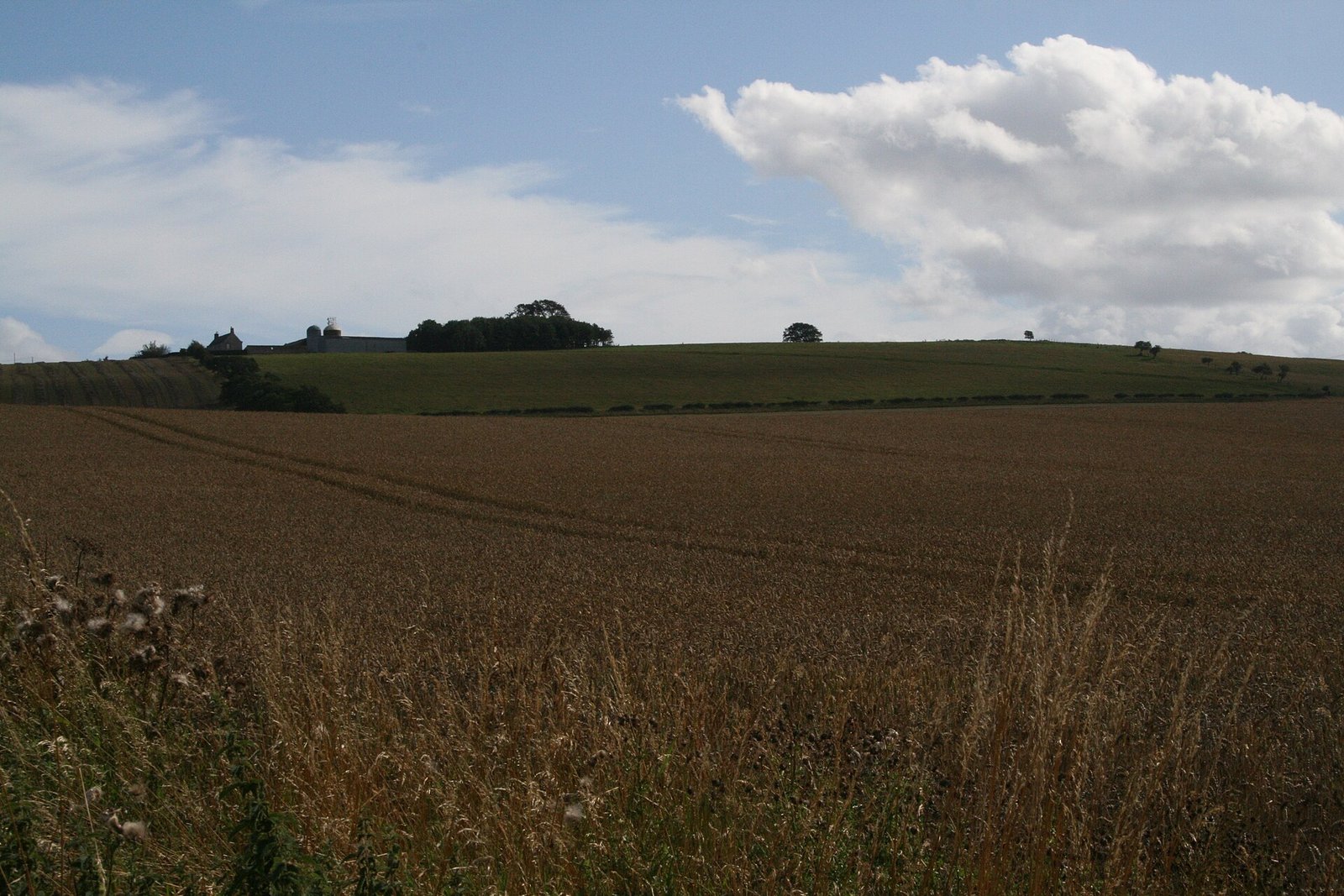
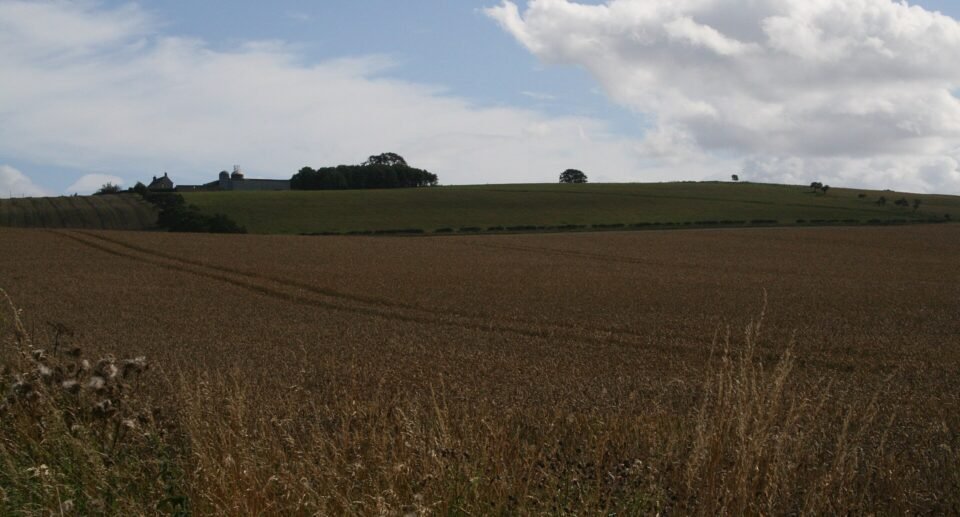
Surrey’s English army approached from the south but then crossed the River Till and moved around the Scottish position. James shifted from Flodden Edge toward Branxton Hill to meet it. The battle took place near Branxton rather than on the hill that gave it its familiar name. The manoeuvre put the Scots on ground that appeared commanding from a distance but became difficult as their formations advanced downhill.
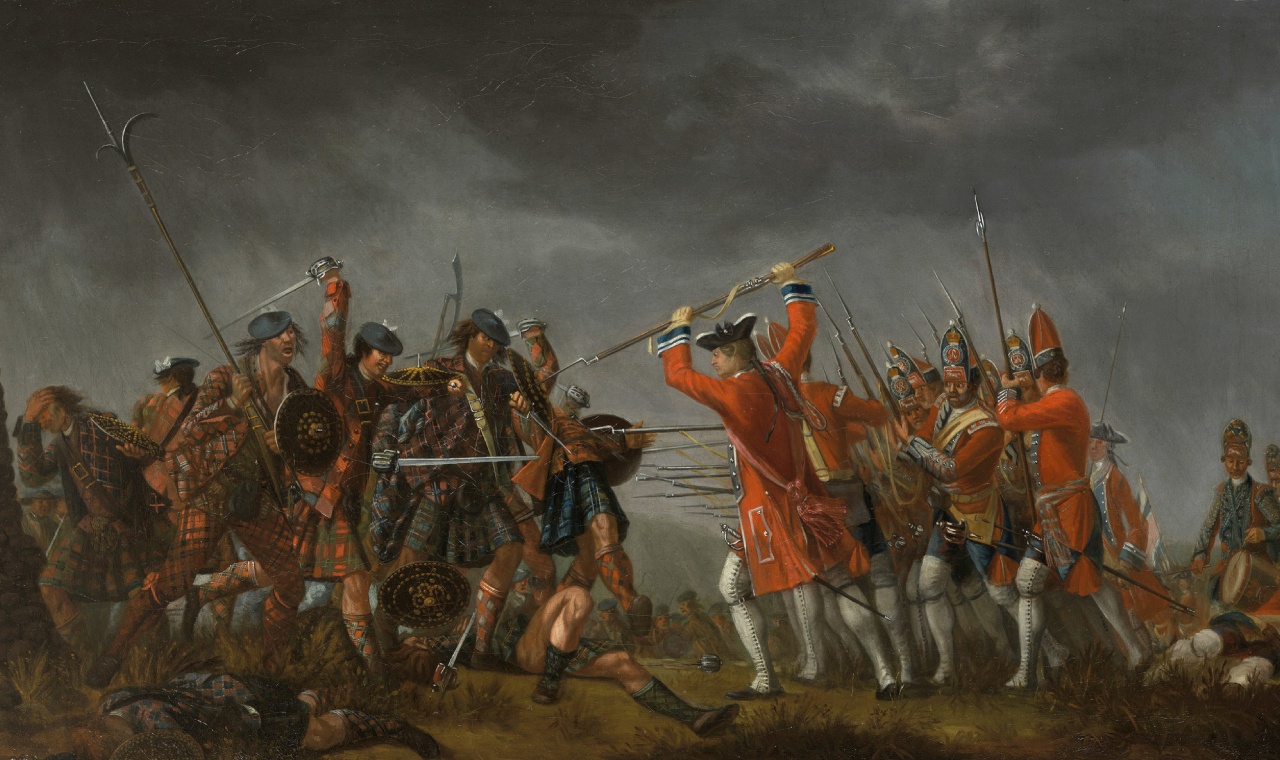
Scottish infantry relied heavily on long pikes, a weapon effective when a formation could keep its order and present a dense front. The English used bills, shorter polearms suited to close fighting, as well as archers and artillery. Recent accounts sometimes reduce the outcome to the bill defeating the pike. That misses the role of terrain: broken, wet ground hampered the Scottish advance and made it harder to retain the spacing and momentum that pikes required. Different parts of the field fought differently, and the struggle was fierce rather than a simple rout at first contact.
James fought with the central Scottish division and was killed. The loss of a reigning monarch in battle made Flodden exceptional in Scottish memory. English losses were real, but Scottish losses were far heavier, including many men whose names never entered a chronicle. Historic England’s battlefield study traces the competing accounts of troop movements and cautions against treating later, tidy diagrams as certain reconstructions.
What happened to Scotland after Flodden?
James’s infant son succeeded as James V. The defeat brought a minority reign and renewed struggles over influence in government, including the position of the queen mother and the competing interests of powerful nobles. It did not end the Scottish kingdom or the alliance with France in one stroke. Its impact was political as well as personal: households across the country had lost fathers, sons and leaders.
Commemoration gave the battle another life. The memorial at Branxton was erected in 1910, centuries after the fighting. It is a place to remember those killed, but the monument is also evidence of how later generations chose to tell the story. The registered battlefield description from Historic England and its detailed battlefield report offer a firmer starting point for the landscape and the surviving evidence.
Questions readers often ask
Was Flodden fought in Scotland? No. The fighting was near Branxton in Northumberland, England, after James IV’s army crossed the border.
Why is it called Flodden Field? The Scots initially held Flodden Edge, but the decisive fighting took place around Branxton after the armies manoeuvred.
Did every Scottish noble die? No. The losses among the nobility were severe, and James IV was killed, but sweeping claims that an entire class was wiped out exaggerate the evidence.
Why Flodden still matters
Flodden shows how a decision made in the politics of France and England reached into Scottish homes. The battlefield also resists a comforting tale of inevitable victory or defeat: decisions about movement, weapons and ground mattered. Reading the landscape alongside the records gives the dead more than a slogan and restores the choices that brought the armies together.
Featured photograph: Mainlymazza / Wikimedia Commons, CC BY-SA 4.0. The site may crop it for the featured display.