

Irish Crop Rotation Traditions: A Living Agricultural Heritage
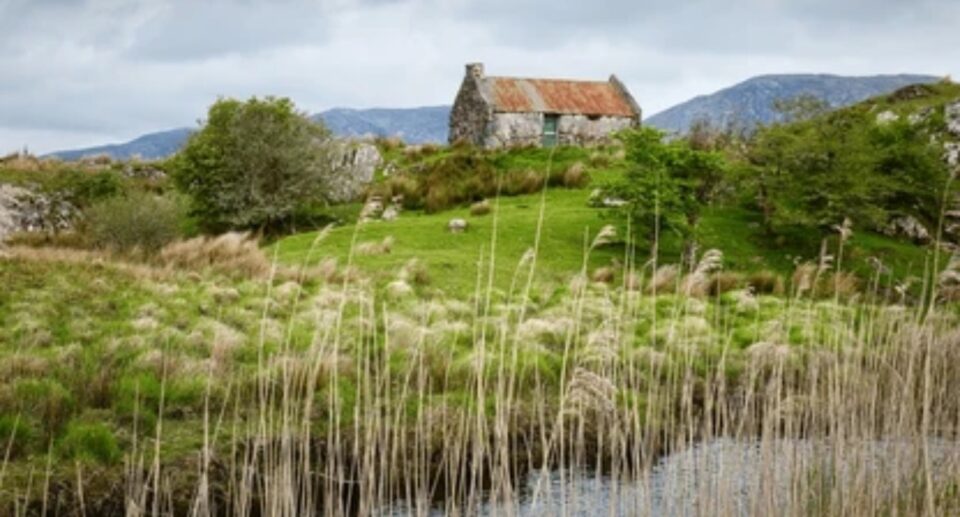
Irish crop rotation traditions reflect a deep ecological wisdom shaped by centuries of farming on challenging land. These practices did not emerge from abstract theory. Farmers developed them through observation, necessity, and intimate knowledge of soil and climate. Even today, these traditions offer valuable insights into sustainable agriculture.
In rural Ireland, crop rotation was never just a technique. It formed part of a broader cultural rhythm that tied land, community, and survival together.
Understanding Crop Rotation in the Irish Context
Crop rotation involves growing different crops in a planned sequence on the same land. Irish farmers historically rotated crops such as potatoes, oats, barley, and turnips. This cycle maintained soil fertility and reduced pests.
Unlike modern industrial systems, traditional Irish methods relied on balance rather than chemical inputs. Farmers observed how one crop restored nutrients that another depleted. For example, legumes enriched the soil with nitrogen, while root crops improved soil structure.
This knowledge passed down through generations, often alongside oral traditions similar to those explored in https://celtguide.com/why-are-irish-people-natural-storytellers/.
Historical Roots of Irish Crop Rotation
Crop rotation in Ireland gained importance long before the nineteenth century. Early Gaelic farming systems already showed signs of rotational thinking. However, the practice became more structured during the eighteenth and nineteenth centuries.
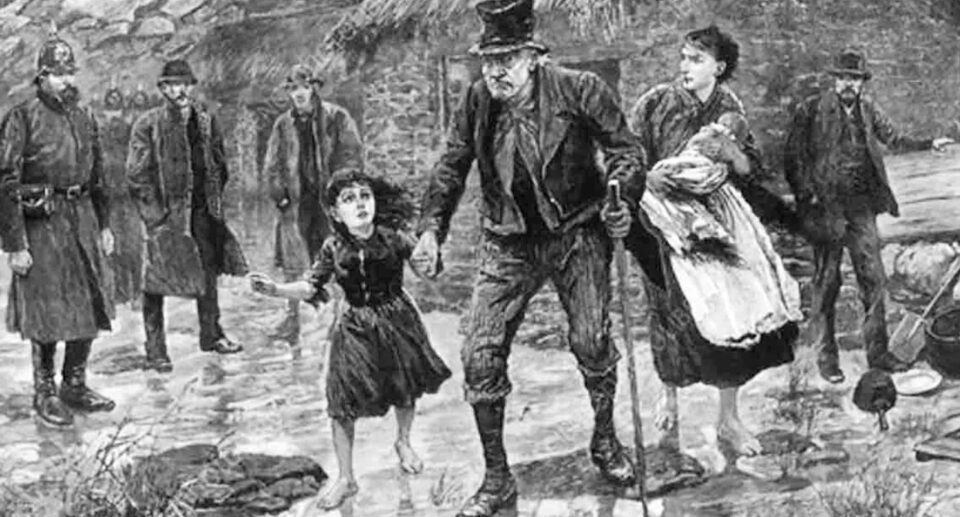
The devastation of https://celtguide.com/the-influence-of-the-irish-potato-famine/ revealed the dangers of monoculture. Over-reliance on potatoes led to widespread crop failure and famine. Afterward, farmers increasingly embraced diversified planting strategies.
Rotation became a practical safeguard. It reduced risk and ensured more stable yields across seasons.
The Rundale System and Communal Farming
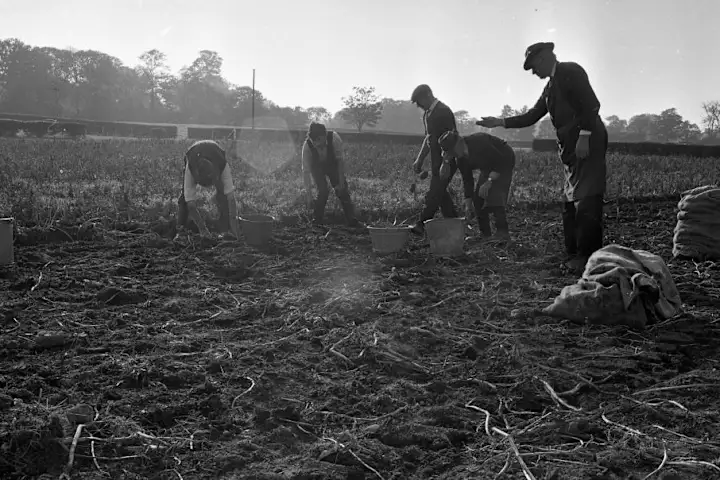
One distinctive Irish system, known as rundale, organized farmland into shared strips. Families cultivated scattered plots rather than a single consolidated farm. This system encouraged natural crop rotation.
Farmers alternated crops across different strips each year. Grazing periods allowed the soil to recover. Livestock manure replenished nutrients without artificial fertilizers.
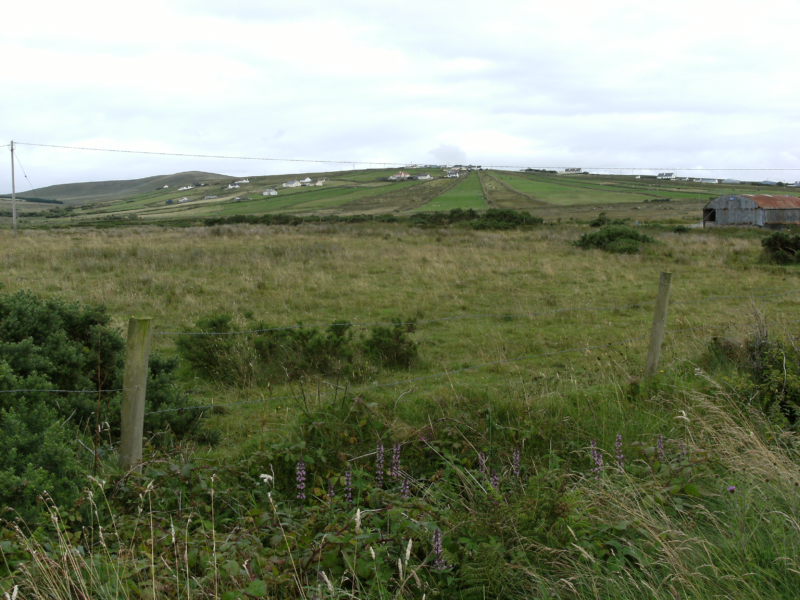
Rundale farming reflected a communal mindset. It aligned with other cooperative traditions found in Irish rural life, much like those described in https://celtguide.com/crofters-journey-through-time/.
Common Crop Rotation Patterns in Ireland
Traditional Irish rotation patterns often followed a simple but effective cycle:
- Year 1: Potatoes or root crops
- Year 2: Oats or barley
- Year 3: Grass or clover for grazing
This sequence restored soil health while supporting both crop production and livestock. Grass phases proved especially important. They prevented erosion and allowed nutrients to rebuild.
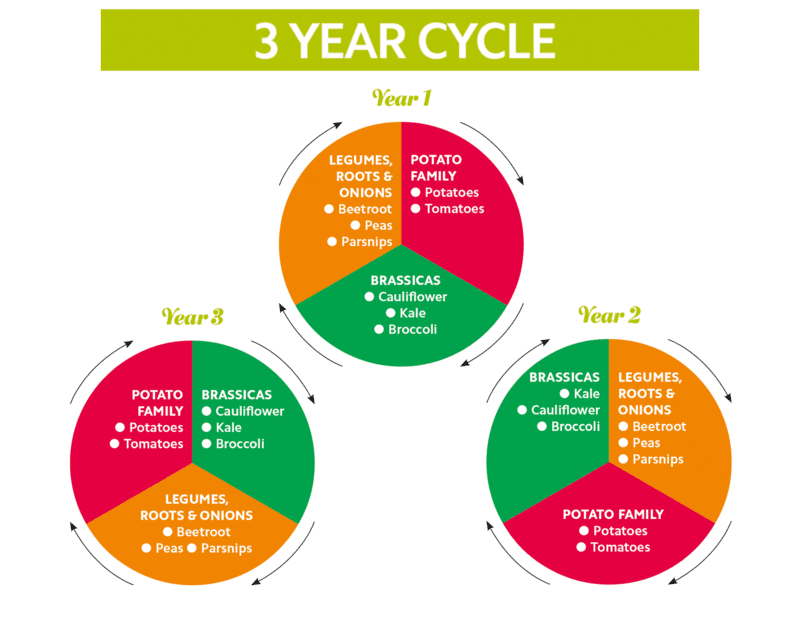
Farmers adapted these cycles depending on local soil conditions. Coastal regions differed from inland farms, and upland areas required even more careful management.
Environmental Benefits of Traditional Practices
Irish crop rotation traditions naturally supported sustainability long before the term became popular. These methods:
- Maintained soil fertility without chemicals
- Reduced plant diseases and pests
- Improved biodiversity across farmland
- Preserved long-term productivity
The integration of livestock further strengthened these systems. Animals contributed manure, while grazing cycles helped manage weeds.
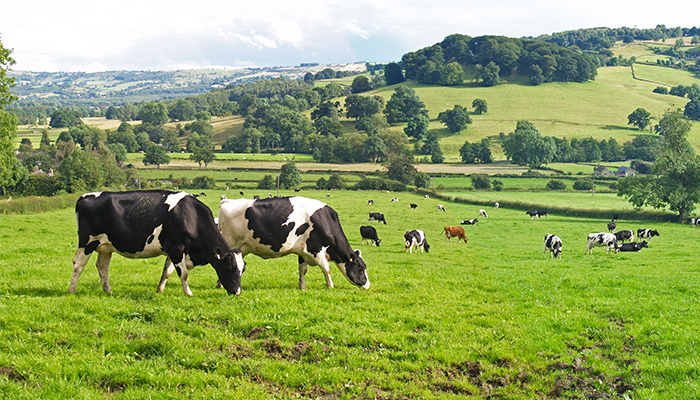
This ecological balance mirrors the respect for nature seen in Irish cultural symbols like the oak tree, explored in https://celtguide.com/celtic-oak-tree/.
Cultural Significance Beyond Farming
Crop rotation carried cultural meaning as well. Seasonal planting and harvesting shaped community life. Festivals, gatherings, and shared labor all revolved around the agricultural calendar.
Even landscapes such as the https://celtguide.com/ring-of-kerry/ reflect centuries of farming practices. Fields, hedgerows, and pasturelands tell a story of human adaptation and resilience.
Agriculture influenced language, folklore, and identity. It connected people to land in ways that extended beyond economic necessity.
Modern Relevance of Irish Crop Rotation
Today, Irish farmers continue to draw from these traditions. While modern technology has transformed agriculture, crop rotation remains essential. It plays a key role in organic farming and regenerative practices.
Researchers now recognize the scientific value of these older methods. What once seemed like simple tradition now aligns with advanced ecological principles.
The lessons are clear. Sustainable farming does not require abandoning the past. Instead, it often involves rediscovering it.
Conclusion
Irish crop rotation traditions demonstrate how practical knowledge and cultural values can shape resilient agricultural systems. These methods evolved through experience, hardship, and cooperation.
They remind us that sustainability is not a modern invention. It is a legacy. By understanding these traditions, we gain insight into both Ireland’s past and the future of global farming.