Gaelic Reel Dance Music and Celtic Tradition
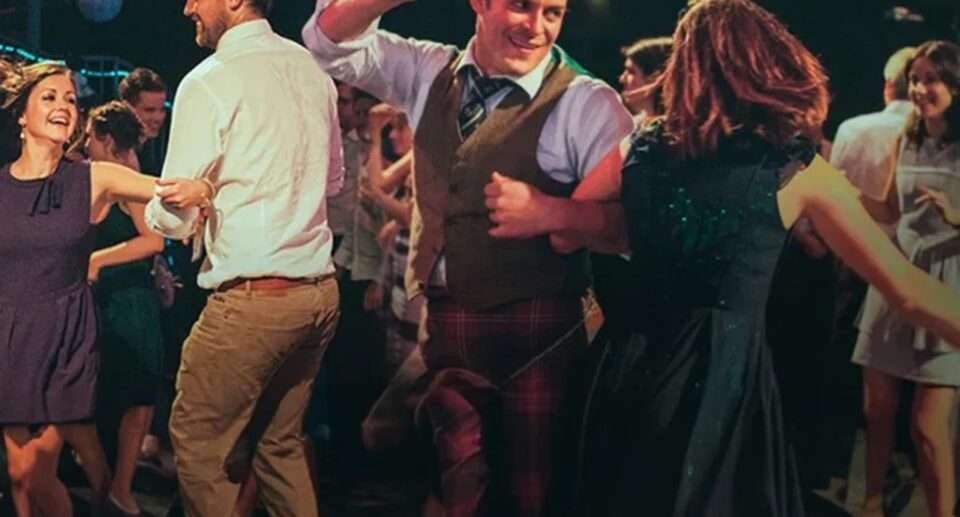
Gaelic reel dance music pulses at the heart of Celtic social life. It moves feet before it moves intellect. Yet behind its infectious rhythm lies a rich historical and cultural framework. The reel is not simply fast music for energetic dancers. It expresses communal memory, linguistic continuity, and regional identity across Scotland and Ireland.
In the Highlands and Hebrides, music shaped community gatherings just as powerfully as clan symbols or tartan dress, explored in What Is Tartan?
https://celtguide.com/what-is-tartan/
Where tartan marks visual identity, the reel animates collective movement.
What Is a Gaelic Reel?
A reel typically follows a 4/4 time signature. It drives forward with steady, even quavers. Unlike the statelier strathspey, the reel invites continuous motion. Dancers respond with quick footwork and coordinated group patterns.
Gaelic reel dance music developed within oral tradition. Musicians transmitted tunes by ear. They shaped melodies through repetition and subtle variation. This method parallels the storytelling culture discussed in Why Are Irish People Natural Storytellers?
https://celtguide.com/why-are-irish-people-natural-storytellers/
In both narrative and melody, memory governs structure.
Reels thrive in communal settings. Ceilidh gatherings depend on them. If you explore Ceili Bands
https://celtguide.com/ceili-bands/
you will see how ensemble playing energises social dance. The reel often anchors these performances.
Instruments That Define the Reel
The fiddle stands at the centre of Gaelic reel music. Its tonal agility suits rapid ornamentation. Bowing techniques create lift and rhythmic clarity. You can explore the wider history of this instrument in Fiddle Music
https://celtguide.com/fiddle-music/
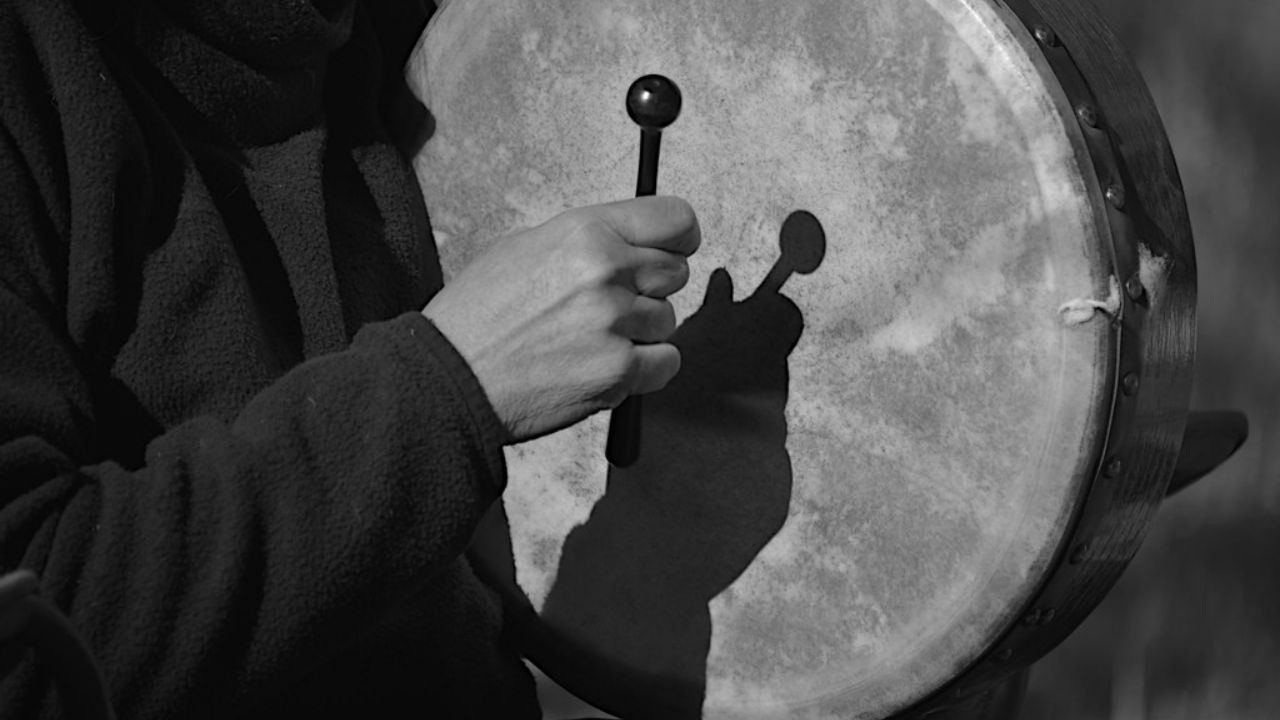
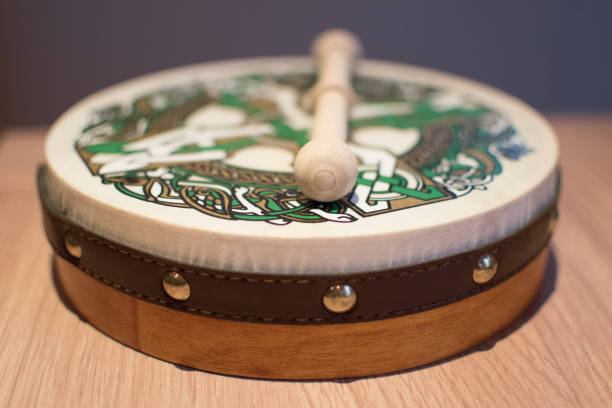
The bodhrán provides rhythmic foundation, particularly in Irish contexts. Its percussive drive supports dancers without overpowering melody. Learn more in The Bodhran Drum
https://celtguide.com/the-bodhran-drum/
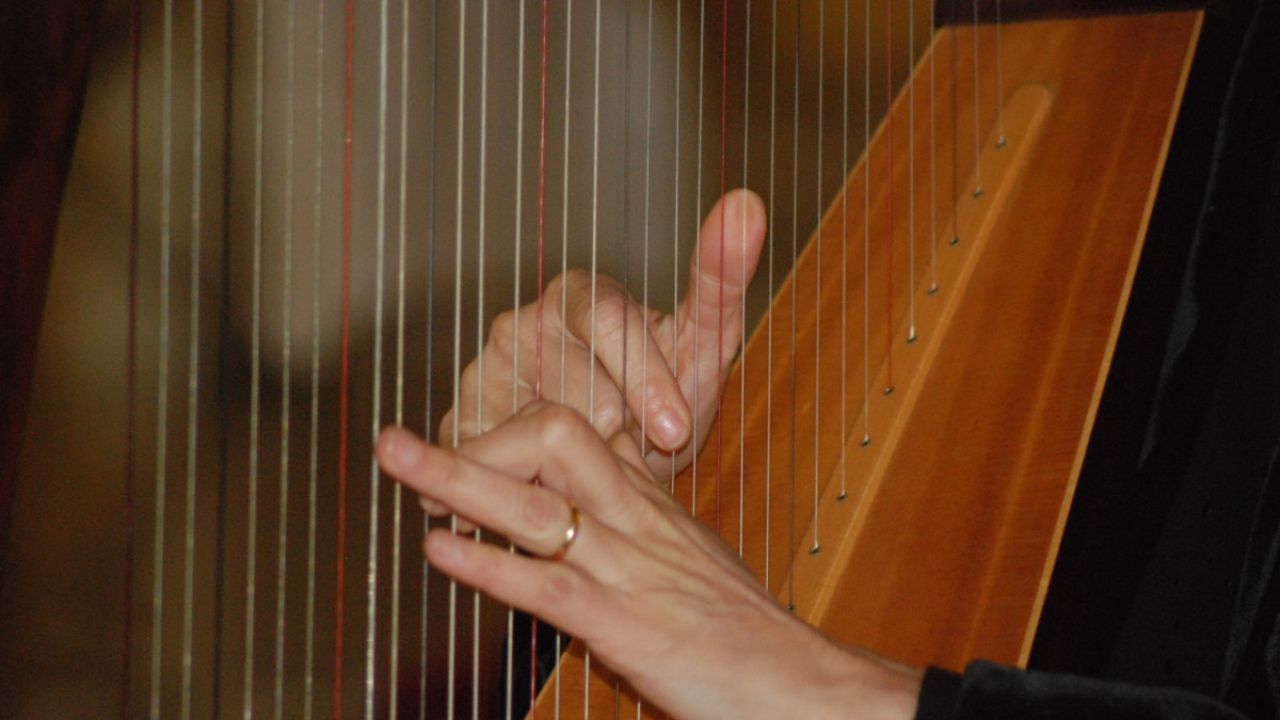
The clarsach, or Celtic harp, also contributes to Gaelic musical heritage. Although it features more prominently in slower airs, its historical importance shapes the broader tradition. See What Is a Clarsach?
https://celtguide.com/what-is-a-clarsach-a-comprehensive-guide-to-the-celtic-harp/
Together, these instruments form a sonic architecture. Melody leads. Rhythm propels. Ornamentation decorates.
Reel Music and Gaelic Identity
Gaelic reel dance music connects deeply with language. In regions where Scottish Gaelic endured, music reinforced linguistic resilience. Consider the preservation efforts documented in Scottish Gaelic Bible Translations
https://celtguide.com/scottish-gaelic-bible-translations/
Both scripture and song carried the language through political and cultural change.
Historical upheavals shaped musical development. The social transformations examined in The Influence of the Irish Potato Famine
https://celtguide.com/the-influence-of-the-irish-potato-famine/
affected migration patterns and diaspora communities. Reels travelled with emigrants to North America and beyond. They became portable homelands.
Music therefore acted as cultural continuity in exile.
Dance, Dress, and Public Celebration
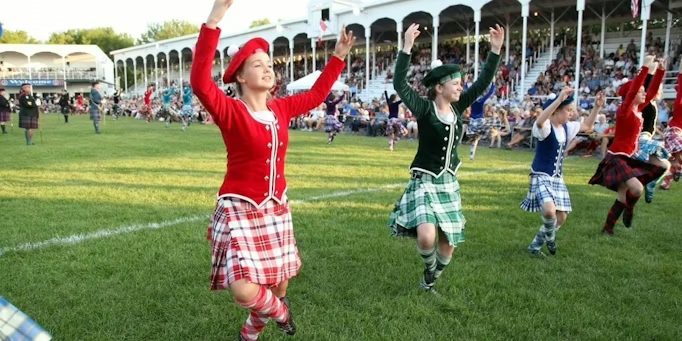
Reels rarely exist in isolation from dance. Highland Games and seasonal gatherings showcase energetic reel performances. You can explore modern celebrations in Events to Watch in Highland Games 2025
https://celtguide.com/events-to-watch-in-highland-games-2025/
Dancers often wear kilts during performances. Practical considerations matter, especially in Scotland’s shifting climate. For context, see Kilts Weather Scotland
https://celtguide.com/kilts-weather-scotland/
Dress, dance, and music operate as an integrated system. Each element reinforces communal identity.
Landscape and Sound
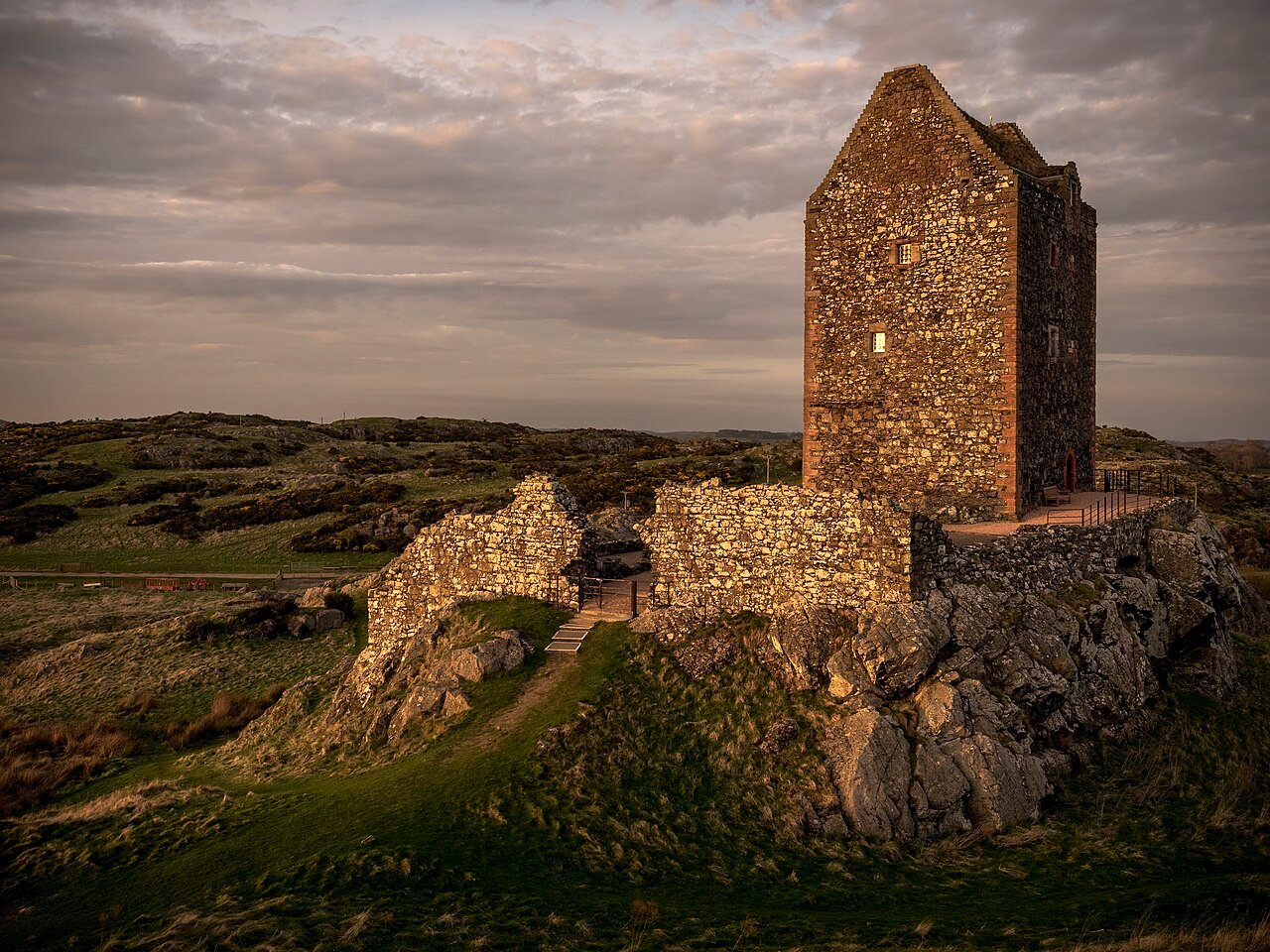
Gaelic reel dance music does not float abstractly above geography. It resonates with landscape. Consider the cultural magnetism of places like the Isle of Mull
https://celtguide.com/isle-of-mull/
or the mythic atmosphere described in Legend of the Fairy Glen
https://celtguide.com/legend-of-the-fairy-glen/
Such landscapes nurture imagination. Musicians internalise wind, sea, and hill rhythms. They translate environment into tempo.
Even spiritual sites, like those explored in Irish Holy Wells: Portals to the Past
https://celtguide.com/irish-holy-wells-portals-to-the-past-pathways-to-the-divine/
demonstrate how sacred geography intersects with communal gathering. Music often accompanies pilgrimage and celebration alike.
Why Gaelic Reel Dance Music Endures
Reels survive because they demand participation. They collapse the distance between performer and listener. When a fiddler begins a reel, observers become dancers within seconds.
The tradition also adapts. Contemporary musicians integrate new harmonies while preserving core structure. Ceilidh bands reinterpret older tunes without abandoning rhythmic integrity.
Gaelic reel dance music thus embodies continuity without stagnation. It sustains linguistic heritage, strengthens communal bonds, and animates festivals, weddings, and informal gatherings alike.
Continue your journey through Gaelic heritage on CeltGuide.com.