Scottish Heather Fields: Landscape, Lore, and Life
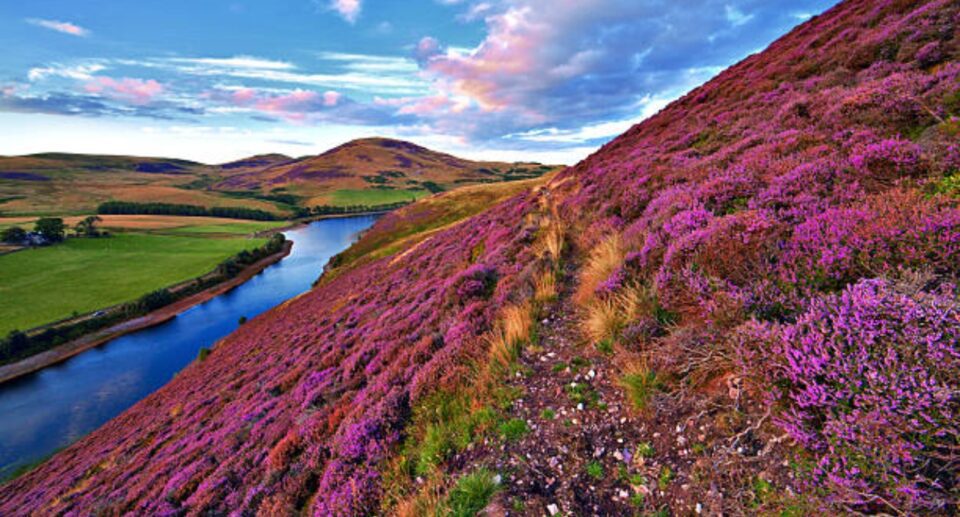
Scottish heather fields define the visual soul of the Highlands. When late summer arrives, vast stretches of moorland turn purple and gold. This transformation reflects more than seasonal beauty. Heather shapes ecology, economy, and cultural memory across Scotland.
As a scholar of cultural landscapes, I see heather not as background scenery, but as an active historical presence. It frames how Highlanders lived, travelled, and imagined their world.
What Is Heather and Why It Thrives
Heather, or Calluna vulgaris, thrives in acidic soils and harsh weather. The Highlands provide ideal conditions. Poor soil, strong winds, and heavy rainfall limit larger plants but favour this resilient shrub.
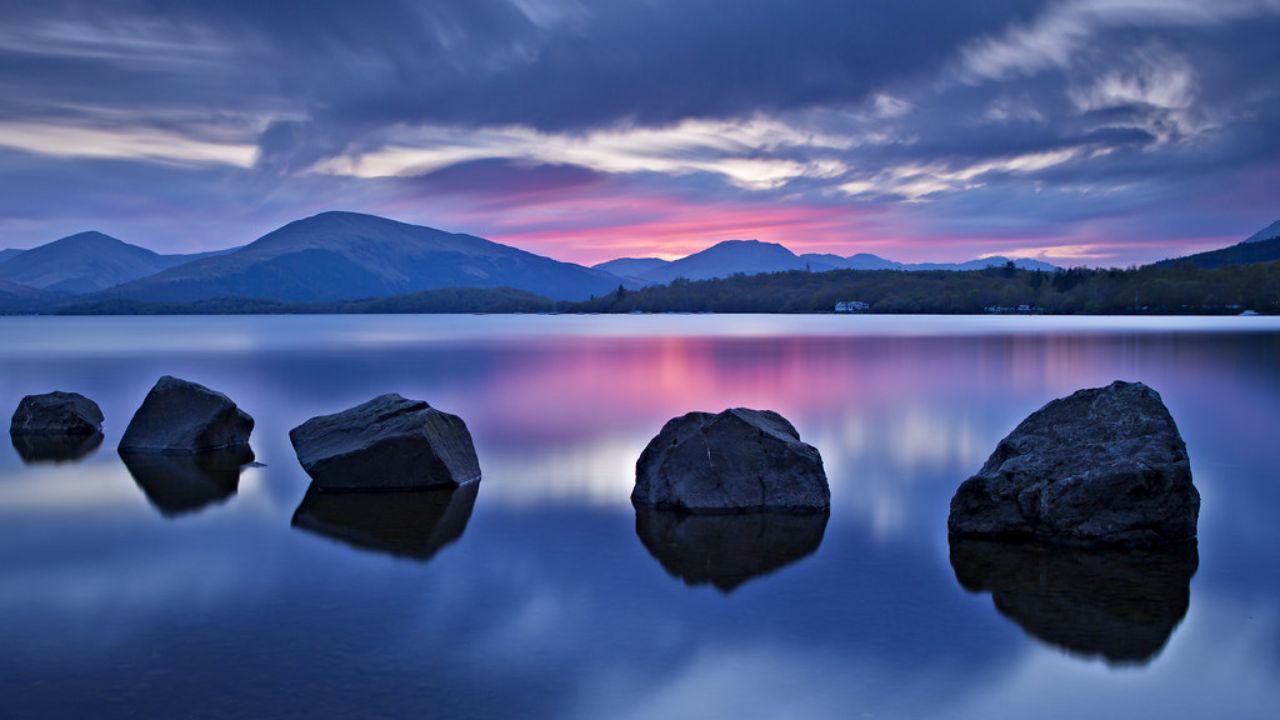
Heather grows low to the ground. It resists grazing and regenerates quickly after burning. These traits allowed it to dominate upland Scotland for centuries, especially around places like Loch Lomond (Is Loch Lomond in the Highlands).
Heather and Highland Livelihoods
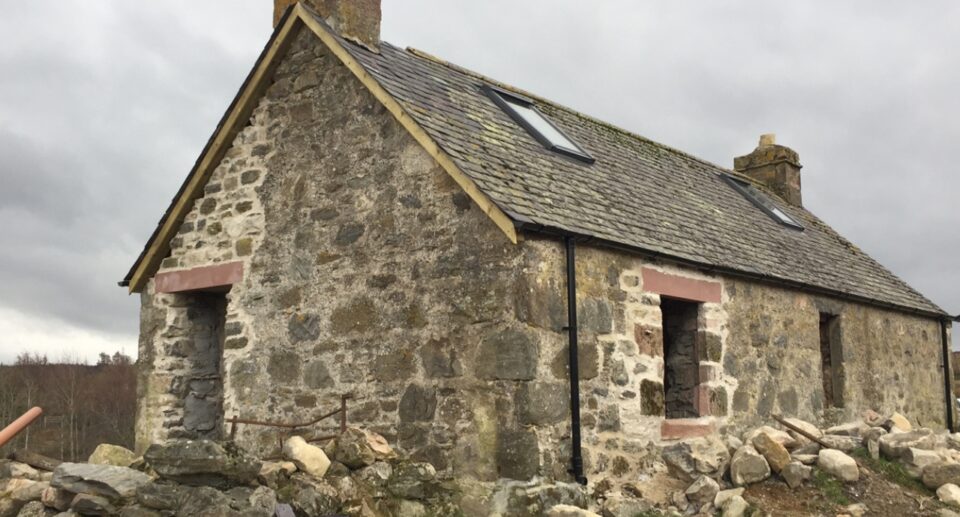
Heather supported daily life in practical ways. People used it for bedding, roofing, rope, and fuel. Crofting communities relied on it to insulate homes and livestock shelters (Crofter’s Journey Through Time).
Bees also depended on heather. Heather honey became a valued regional product. Its strong flavour still reflects the land that produced it.
Symbolism in Scottish Culture
Heather carries deep symbolic meaning. White heather suggests protection and good fortune. Purple heather often represents admiration and solitude. These associations appear frequently in poetry and folklore.
Celtic belief systems linked plants closely to spiritual ideas. Nature served as a bridge between worlds, much like sacred wells and trees (Celtic Oak Tree). Heather fields often appear in legends as liminal spaces where the ordinary meets the unseen.
Heather in Folklore and Storytelling
Stories rooted in Highland landscapes often unfold on open moorland. Heather provides the stage. Oral tradition preserved these connections between place and narrative, similar to wider Celtic storytelling cultures (Why Are Irish People Natural Storytellers).
Folklore warns travellers to respect the moors. Tales of spirits, selkies, and hidden realms often emerge from these spaces (Selkies in Folklore).
Heather and Identity
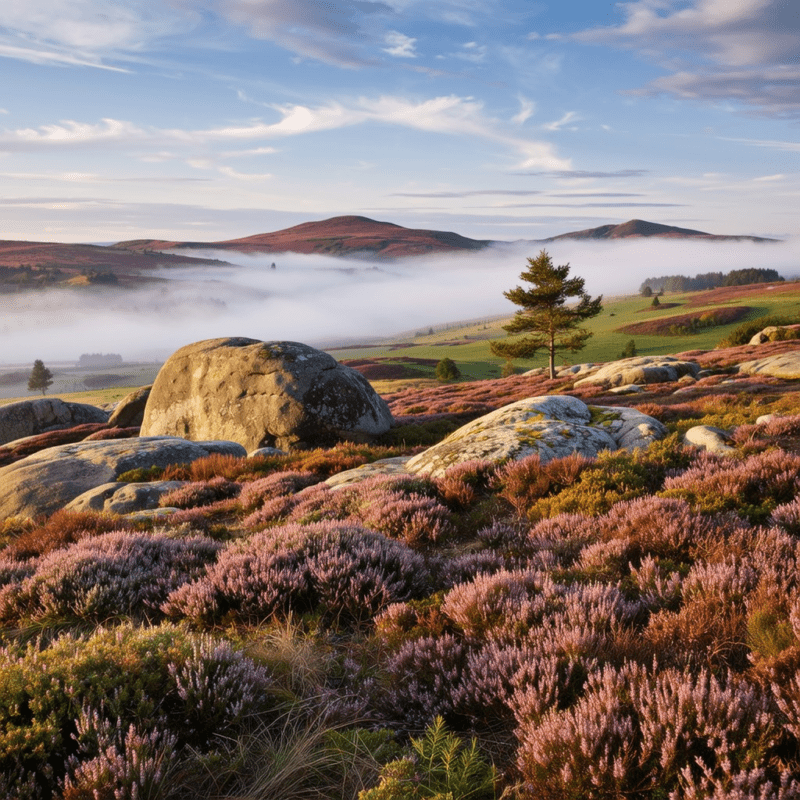
Heather became a visual shorthand for Scotland itself. Artists, poets, and later filmmakers used it to signal wildness and endurance. The plant appears alongside tartan and Highland dress as a cultural marker (What Is Tartan).
Clan territories often overlapped with heather-covered land. While heather did not mark clan identity directly, it framed the landscapes clans defended and remembered (How Many Scottish Clans).
Seasonal Cycles and Land Management
Traditional land management relied on controlled burning, known as muirburn. This practice encouraged young heather growth and supported grazing animals. When done carefully, it maintained biodiversity.
Modern debates now surround this practice. Conservationists and landowners continue to reassess how best to protect heather ecosystems while supporting rural livelihoods.
Heather Fields Today
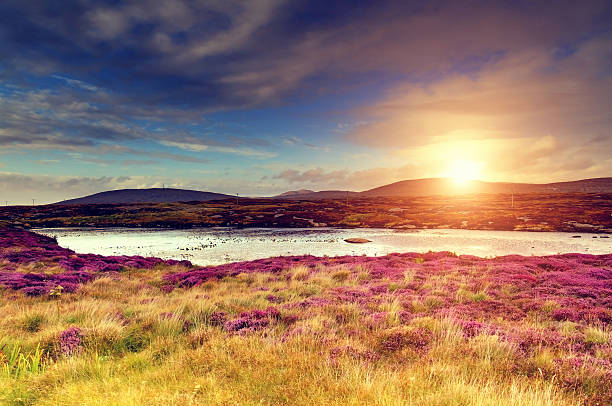
Today, heather fields attract walkers, photographers, and researchers. Places like the Isle of Mull showcase their dramatic seasonal shifts (Isle of Mull). Tourism depends heavily on this iconic landscape.
At the same time, climate change threatens heather health. Rising temperatures and altered rainfall patterns challenge its resilience. Protecting heather now means protecting a cultural landscape.
Why Scottish Heather Fields Still Matter
Scottish heather fields matter because they connect nature, memory, and identity. They show how people adapted to demanding environments with respect and creativity.
To walk through blooming heather is to experience history underfoot. The land still speaks, quietly and persistently.
Explore more cultural landscapes in the CeltGuide Blog.