
Scottish Highland Stone Masonry: Craft in Stone
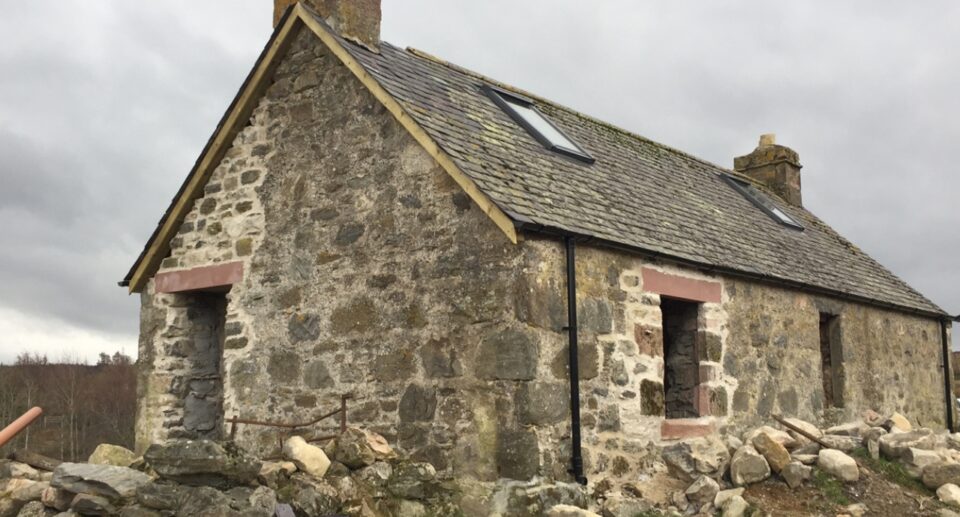
Scottish Highland stone masonry stands as one of the most enduring expressions of Scotland’s cultural and environmental intelligence. Long before written records became common, stone spoke for the Highlands. It defined boundaries, sheltered families, honored the dead, and marked the sacred.
As a scholar of material history, I view Highland stonework as a dialogue between people and landscape. Every wall, cairn, and carved slab reflects deep knowledge of place.
The Landscape That Shaped the Craft
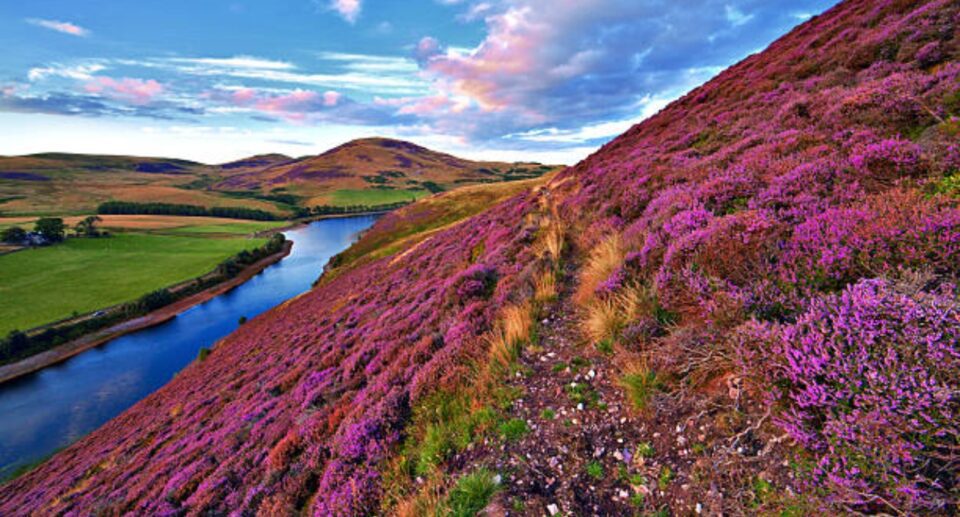
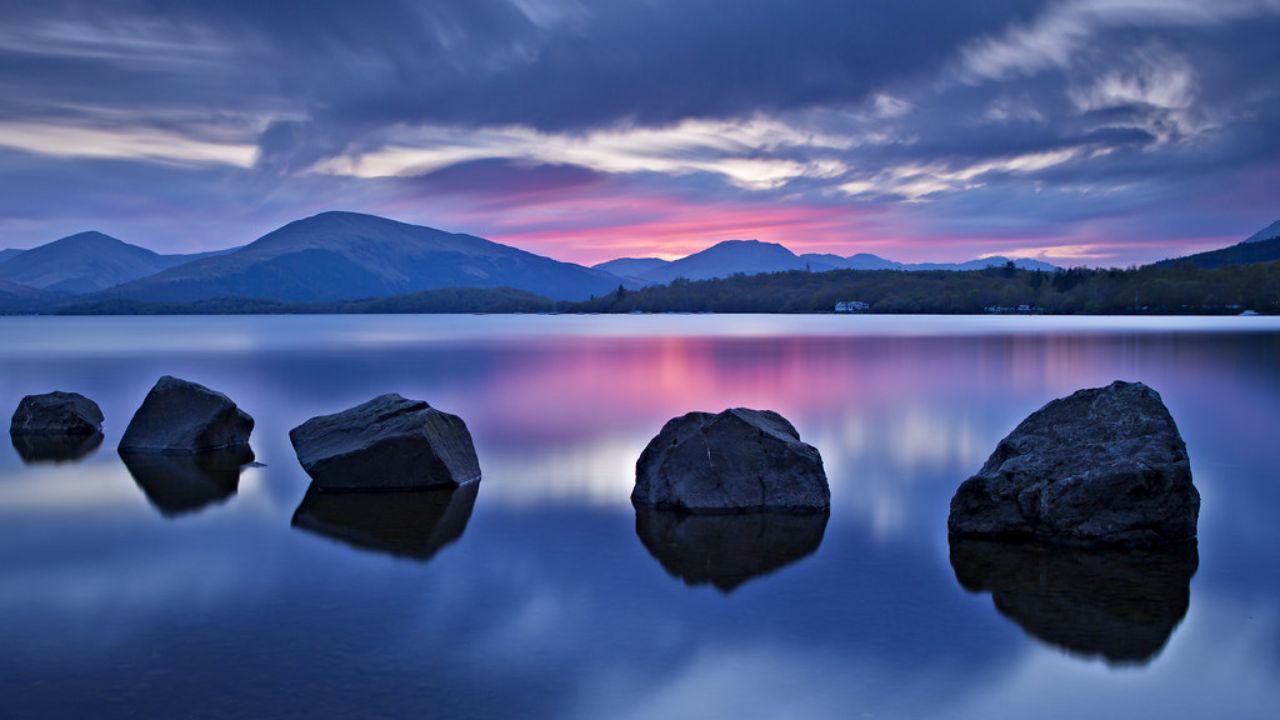
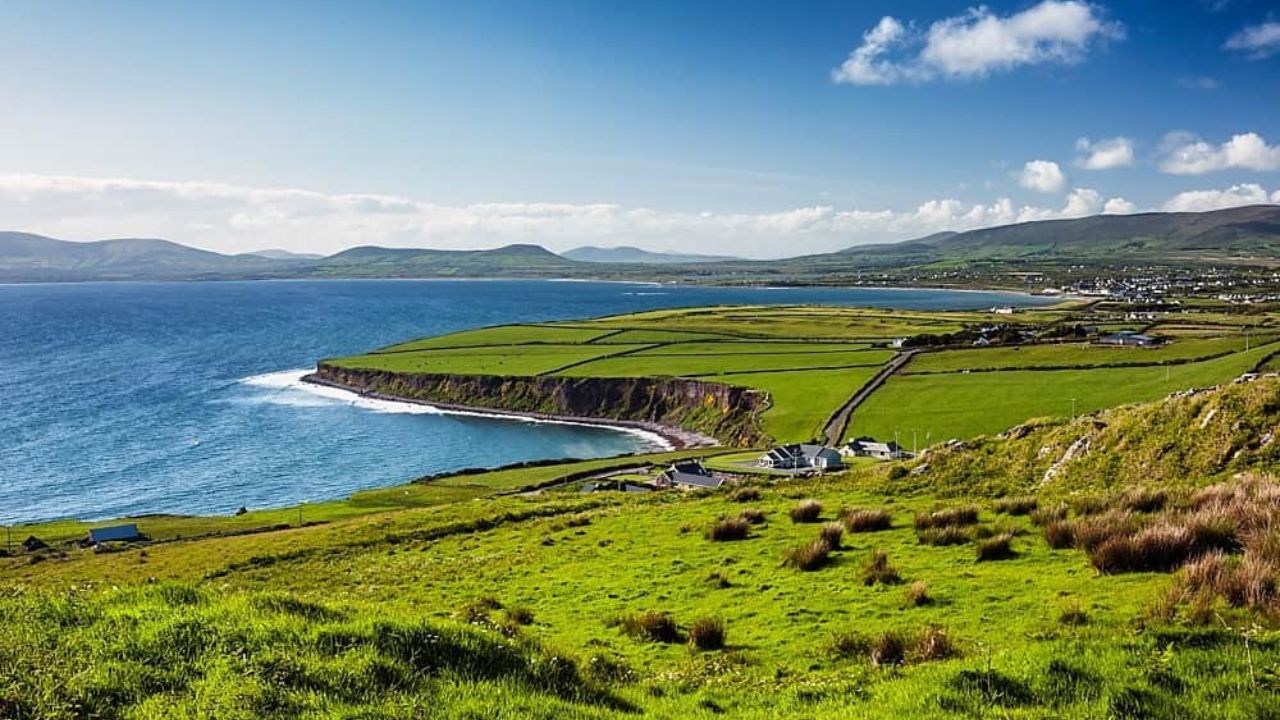
The Highlands offered little timber but abundant stone. Builders learned to read geology with care. Granite, schist, and sandstone dictated form and technique. Instead of forcing uniformity, masons adapted their craft to local materials.
This close relationship with land mirrors wider Celtic traditions that tie identity to environment, much like sacred natural symbols such as the oak tree (Celtic Oak Tree).
Dry Stone Masonry: Strength Without Mortar
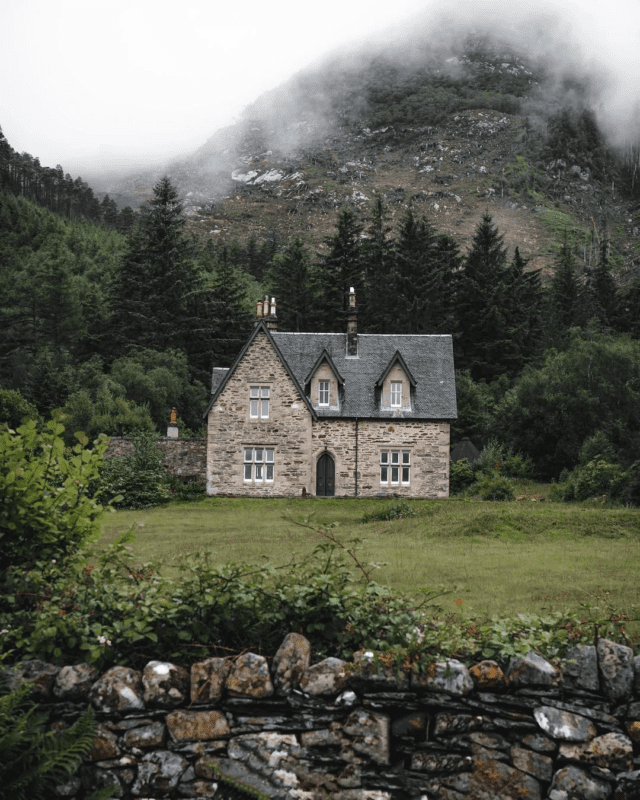
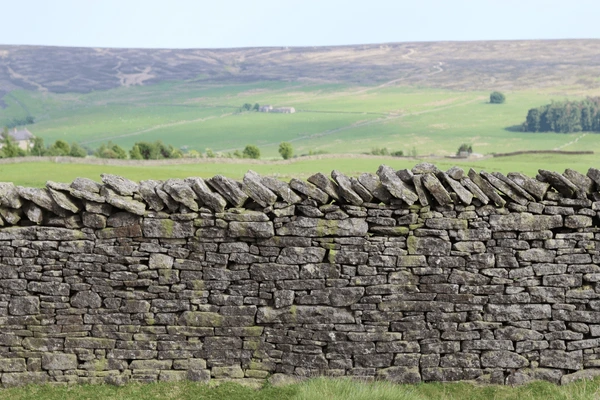
Dry stone masonry defines Highland construction. Builders stacked stones without mortar, relying on balance, friction, and skill. Each stone locked into place through careful selection.
These walls endured centuries of wind and rain. They also allowed water to pass through, preventing collapse. The technique reflects practical wisdom developed through generations of crofting communities (Crofter’s Journey Through Time).
Stone in Domestic Architecture
Highland blackhouses and early croft houses relied heavily on stone. Thick walls retained heat and resisted storms. Roofs of turf and thatch completed the structure.
These homes did not aim for grandeur. They prioritised survival and community. Much like Highland dress, function guided form before decoration (What Is Tartan).
Sacred and Symbolic Stonework
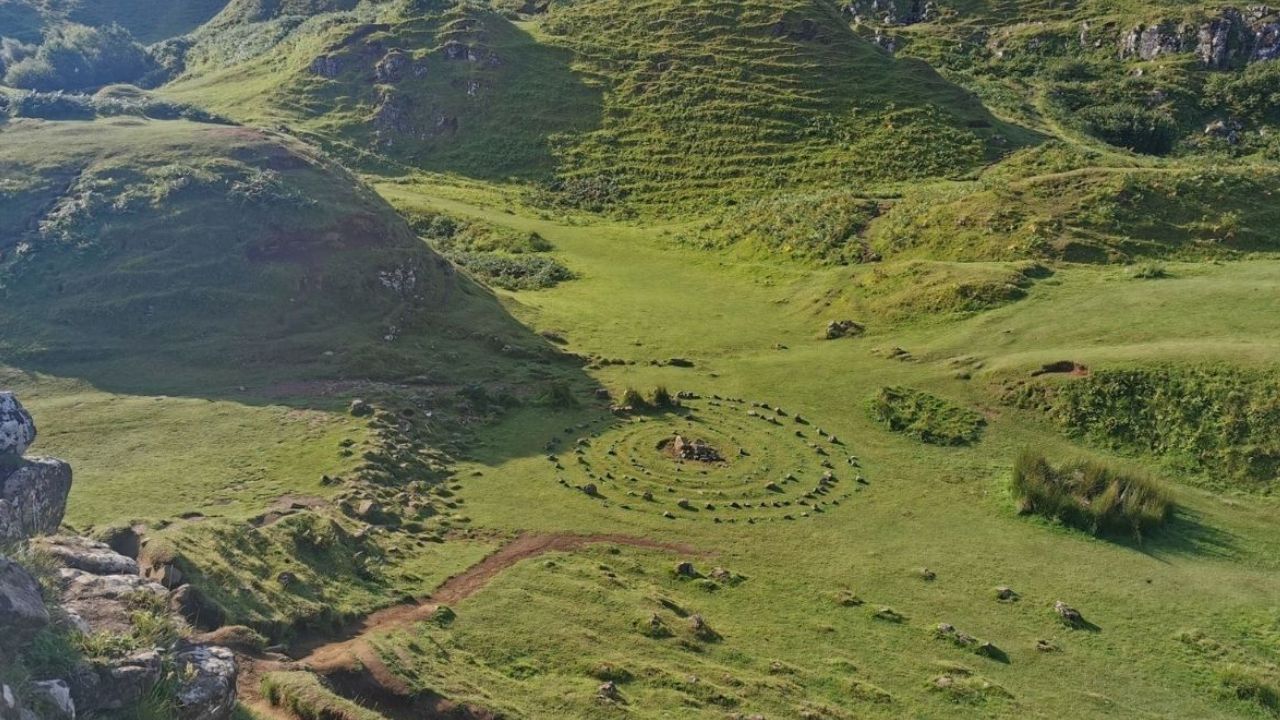
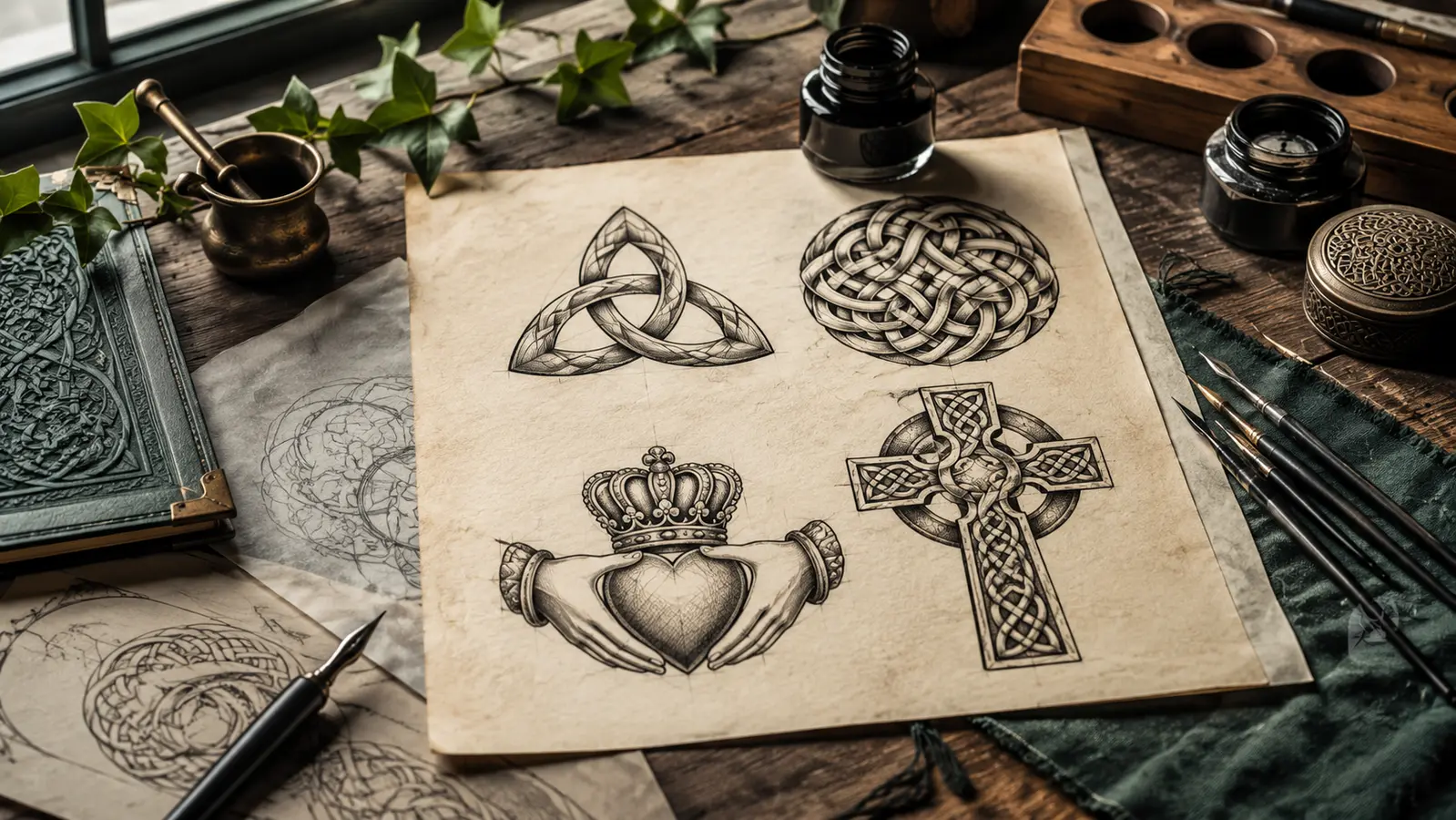
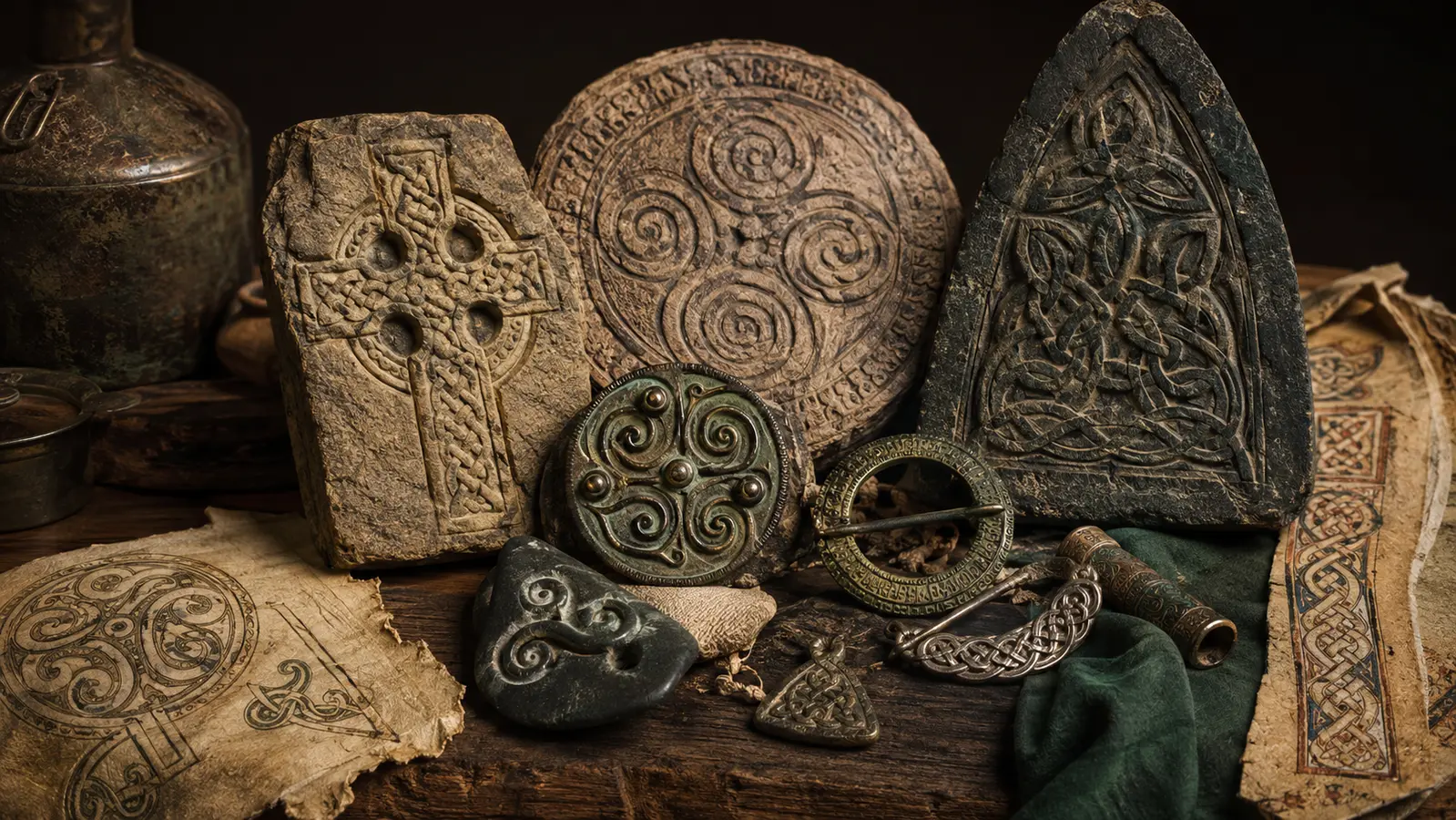
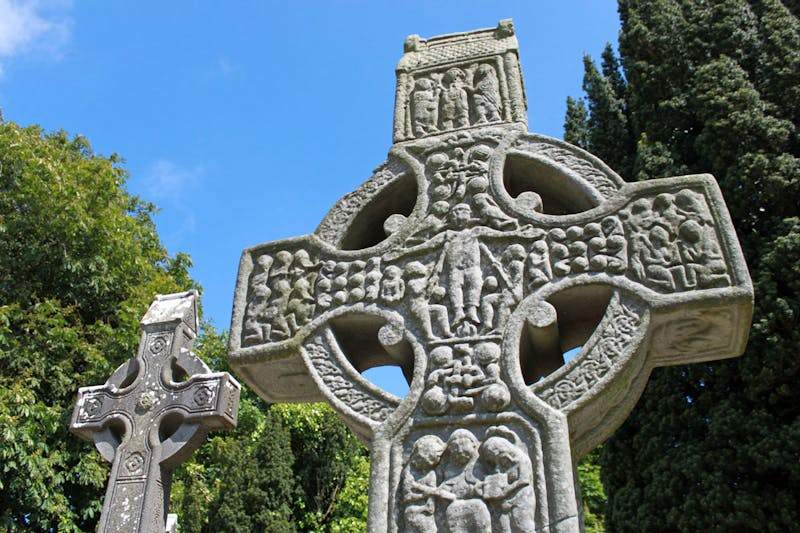
Stone carried spiritual meaning in the Highlands. Standing stones, carved crosses, and grave slabs marked sacred spaces. Many carvings blended Christian imagery with older Celtic motifs (Celtic Stone Carvings).
Scripture later appeared in Gaelic on stone and paper alike, reinforcing faith and language together (Scottish Gaelic Bible Translations).
Clan Power and Defensive Stone
Clans used stone to assert authority. Duns, brochs, and later castles rose from strategic points. These structures signalled control over land and people.
Understanding clan stonework also requires understanding clan society itself (How Many Scottish Clans). Masonry here served both defense and identity.
Craft Knowledge and Oral Tradition
Stone masonry knowledge passed orally. Masters trained apprentices through observation and repetition. This teaching method aligns with Celtic storytelling traditions, where memory preserved skill and history alike (Why Are Irish People Natural Storytellers).
The rhythm of building echoed other cultural rhythms, from music to communal labour, much like the beat of the bodhrán (The Bodhrán Drum).
Decline, Preservation, and Revival
Industrial materials reduced traditional stone building during the 19th century. Concrete and brick replaced local craft. Many walls fell into disrepair.
Today, conservation efforts revive dry stone skills. Training programs and heritage projects protect this knowledge. These efforts treat stone masonry as living heritage, not static relic.
Why Scottish Highland Stone Masonry Still Matters
Scottish Highland stone masonry matters because it teaches sustainability, patience, and respect for place. It shows how people once built in harmony with nature.
In a changing world, these lessons feel more relevant than ever. Stone still speaks, if we learn how to listen.