The Scottish Ceilidh Music Tradition Explained

Scottish ceilidh music stands at the heart of communal life in Scotland. It blends rhythm, storytelling, and movement into a shared cultural experience. More than entertainment, a ceilidh creates connection. It invites everyone, locals and visitors alike, onto the dance floor.
As a cultural historian trained in Edinburgh, I see ceilidh music not as a relic but as a living tradition. It continues to adapt while remaining deeply rooted in Scotland’s past.
What Is a Scottish Ceilidh?
A ceilidh (pronounced kay-lee) refers to a social gathering built around live folk music and group dancing. The term comes from Scottish Gaelic, meaning “visit” or “gathering.” Historically, people held ceilidhs in homes during long winter nights. Music, poetry, and storytelling filled the room.
Today, ceilidhs appear at weddings, festivals, and community halls. Despite the change in setting, the spirit remains the same, shared joy through music and movement.
For a broader look at Celtic storytelling traditions, see
Why Are Irish People Natural Storytellers?
Core Instruments of Ceilidh Music
Ceilidh bands rely on instruments that drive rhythm and melody with clarity.
The fiddle leads most performances. Its sharp, expressive tone cuts through crowded halls. You can explore its wider Celtic role in this guide on
Scottish and Celtic fiddle music.
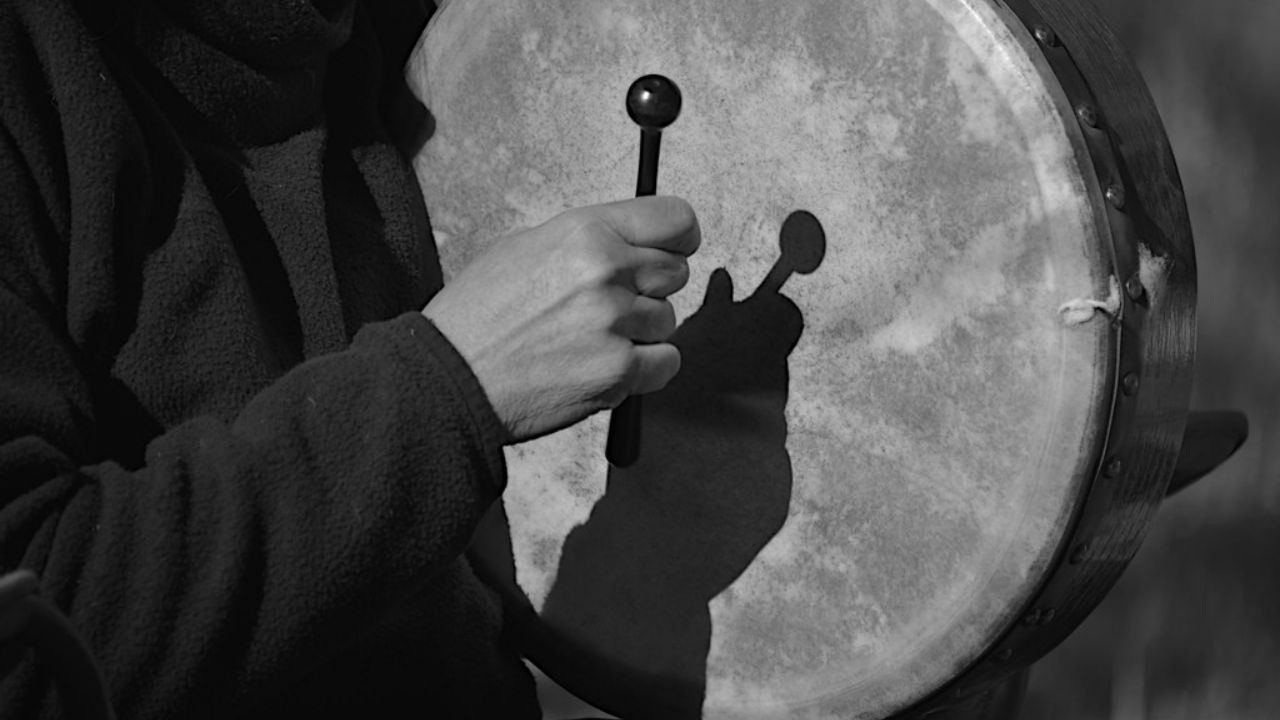
The accordion adds harmonic depth and energy. Musicians also use the piano, flute, and sometimes the bodhrán, a drum more common in Irish sessions but increasingly present in Scottish ceilidhs
(The Bodhrán Drum).
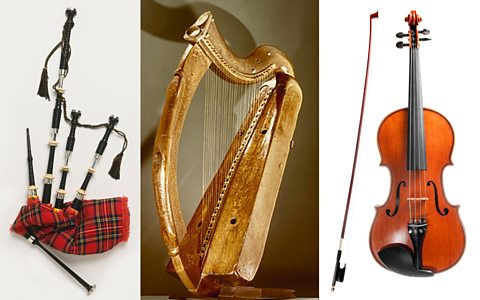
Together, these instruments create music that feels urgent, joyful, and impossible to ignore.
The Role of Dance in Ceilidh Culture
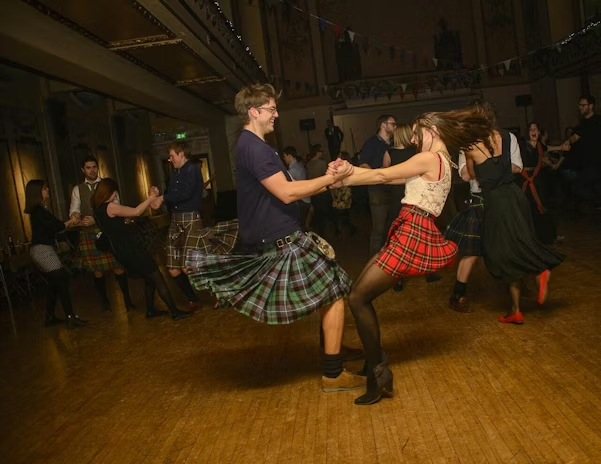
Ceilidh music exists to make people dance. Each tune supports structured group dances such as the Gay Gordons, Strip the Willow, and Dashing White Sergeant.
A caller explains each dance before the music begins. This feature makes ceilidhs accessible. You do not need experience. You only need willingness.
This openness mirrors Scotland’s broader clan culture, where identity grows through shared participation rather than exclusivity
(How Many Scottish Clans Are There?).
Ceilidh Dress and Visual Tradition
While no strict dress code exists, many attendees wear tartan kilts, sashes, or shawls. Tartan adds visual rhythm to the dance floor.
To understand this symbolism, explore
What Is Tartan? and
How Long Has the Tartan Print Been Around?.
Dress becomes part of performance. Fabric moves with music. Heritage becomes visible.
Regional Variations and Modern Ceilidhs
Ceilidh music changes subtly across regions. Highland styles favor driving tempos. Lowland ceilidhs often sound more melodic. Islands like Mull add distinct rhythmic accents
(Isle of Mull).
Modern ceilidh bands now blend traditional reels with contemporary arrangements. Some perform at large events like the
Highland Games, while others keep intimate community traditions alive.
You can explore dedicated performers here:
Ceili Bands
Why Ceilidh Music Still Matters
Ceilidh music survives because it serves a social purpose. It breaks barriers, builds confidence, and turns strangers into partners within minutes.
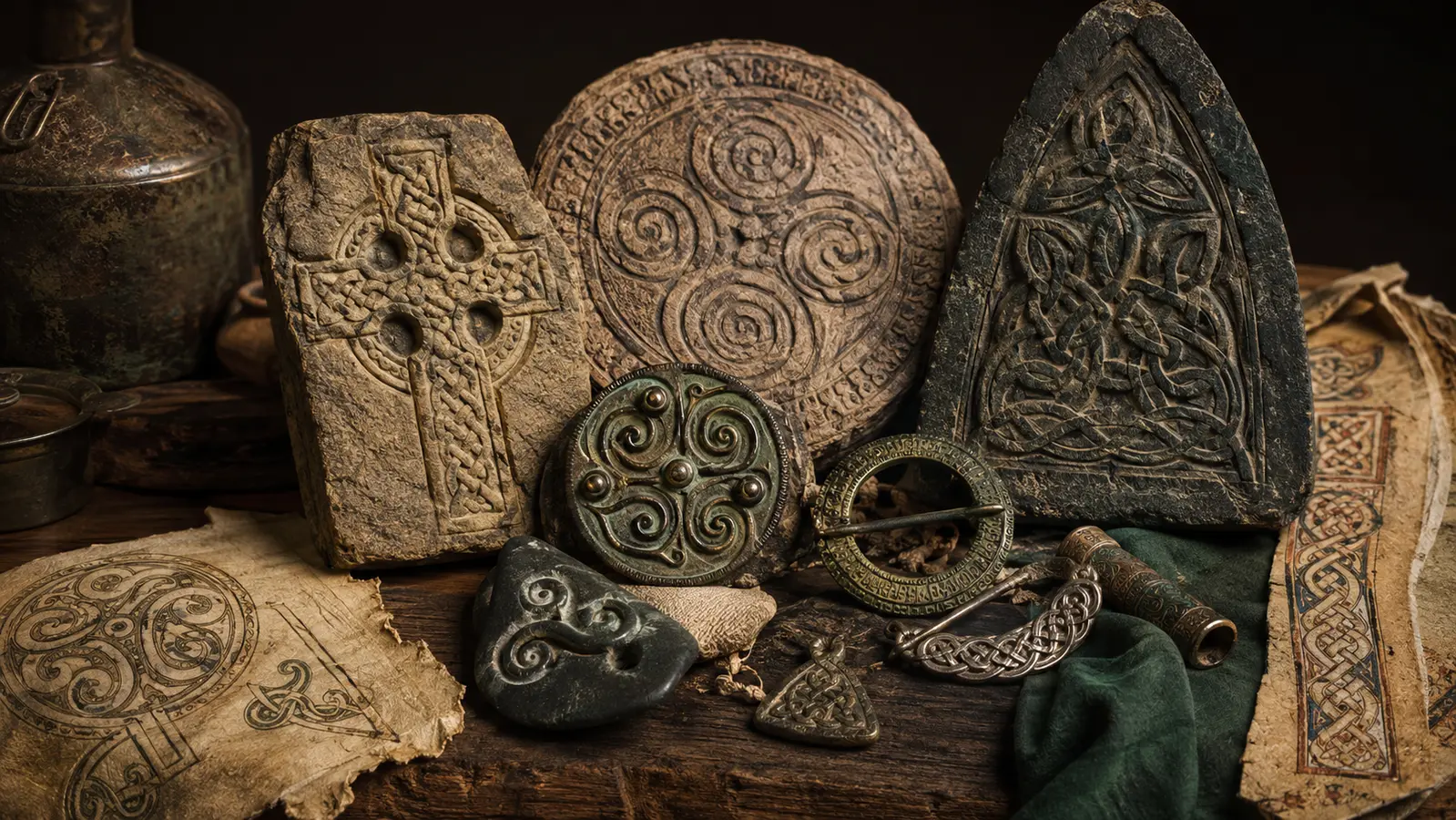
In a digital age, ceilidhs remind us that culture lives in physical presence. Music matters most when people move together. This idea echoes across Celtic traditions, from ancient carvings
(Celtic Stone Carvings) to Gaelic song.
Experiencing a Ceilidh Today
You can experience a ceilidh in village halls, university events, weddings, or festivals across Scotland. No performance feels the same. Each gathering responds to its people.
If you want to explore more Scottish traditions, visit the
CeltGuide Blog for deeper cultural insights.
Final Thought
Scottish ceilidh music does not ask you to watch. It asks you to join. That invitation explains its survival and its power.