Irish Nationalism and Cultural Pride: A Living Story of Identity
When we talk about Irish nationalism, we are not only discussing politics. We are entering a space shaped by stories, songs, faith, struggle, and hope. Irish nationalism rises from everyday life. It grows from language heard around the hearth, music played at gatherings, and the memory of ancestors who refused to forget who they were.
As a historian trained in Edinburgh, I see Irish nationalism not as a fixed ideology, but as a conversation. It evolves. It listens. It carries the weight of history while inviting each generation to add new meaning.
Roots in Memory and Experience
Irish nationalism gained its emotional force through shared memory. The Great Famine remains one of the deepest scars and strongest catalysts. It changed families, landscapes, and politics. Understanding that moment helps us understand why identity matters so fiercely. I often encourage readers to look at how history shaped community life (you can explore more in our reflection on The Irish Potato Famine here: https://celtguide.com/the-influence-of-the-irish-potato-famine/).
Loss and perseverance shaped a collective determination: Ireland should speak with its own voice.
Storytelling as Resistance and Renewal
The Irish did not always have power in institutions. So they turned to the tools they could control: words and music. Storytelling preserved identity when other avenues narrowed. Oral tradition carried humor, wisdom, and criticism safely through generations.
Our piece on why Irish people have a remarkable storytelling gift dives deeper into this idea:
https://celtguide.com/why-are-irish-people-natural-storytellers/
Through storytelling, cultural pride becomes more than nostalgia. It becomes strategy. It educates without lecturing. It reminds people that dignity lives in the imagination.
Faith, Symbols, and Everyday Heritage
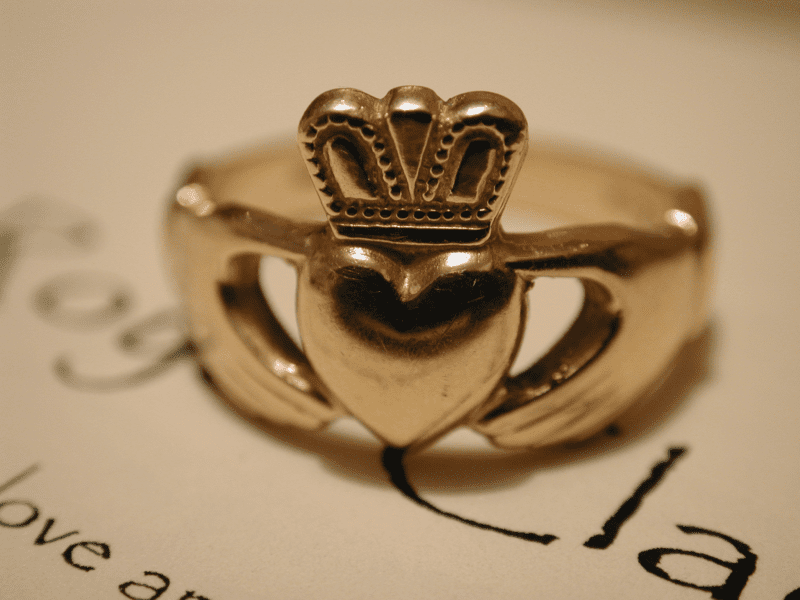
Irish nationalism also intertwines with symbolism. Think of the Claddagh ring, with its heart, crown, and hands. It whispers messages about loyalty and love while quietly reinforcing community identity. Learn more here:
https://celtguide.com/claddagh-ring-meaning-history-and-symbolism/
Sacred places, like holy wells also communicate belonging. They link land, memory, and spirituality in subtle but powerful ways:
https://celtguide.com/irish-holy-wells-portals-to-the-past-pathways-to-the-divine/
These cultural expressions show that nationalism does not only live on flags or speeches. It breathes through ritual, art, and daily gestures.
Language: The Heartbeat of Identity
Irish Gaelic holds emotional weight. It connects modern speakers with medieval poets and monastic scribes. Reviving the language represents more than linguistic pride. It says: We still choose our voice.
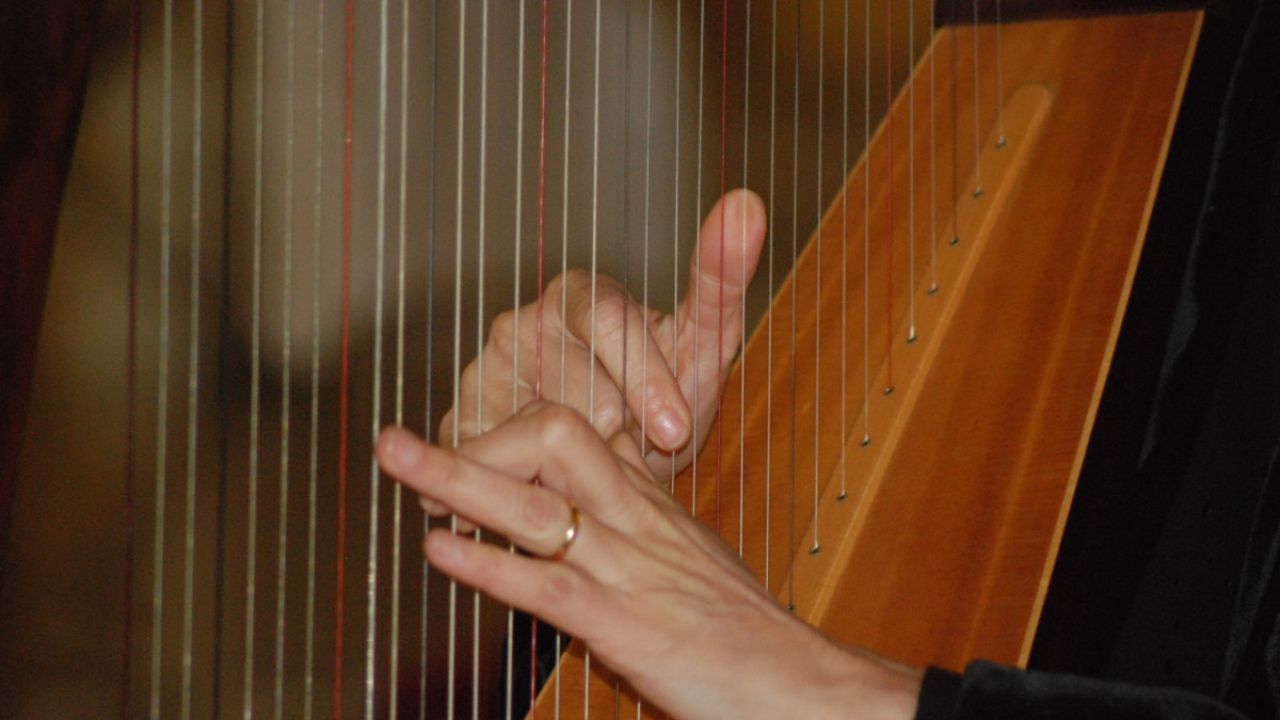
Music joins language in this cultural movement. Traditional instruments like the bodhrán keep rhythm for the nation’s heart. Explore more here:
https://celtguide.com/the-bodhran-drum/
When language and music work together, they strengthen identity in a way no purely political doctrine can.
Modern Nationalism: Pride Without Exclusion
Today, Irish nationalism takes on new questions. How do we honor heritage while welcoming global voices? How do we value independence without closing our doors?
Modern cultural pride tends to emphasize openness. It focuses on dignity, creativity, and shared heritage rather than rigid boundaries. It invites younger generations not just to preserve culture, but to reinterpret it.
That living, evolving aspect is what keeps Irish nationalism from turning into mere sentiment. It feels rooted and forward-looking at once.
Why Cultural Pride Still Matters
Cultural pride strengthens communities when handled with care. It builds confidence. It encourages learning. It prevents history from dissolving into footnotes. For Ireland, it also serves as a reminder that independence began with imagination long before it became political reality.
If this topic fascinates you, I encourage you to browse more Celtic insights throughout our main blog hub:
https://celtguide.com/blog/
You will find that Irish nationalism is not simply a tale of hardship and politics. It is a story: vivid, melodic, sometimes painful that continues to shape lives.
And the story, like Ireland itself, keeps growing.