
Scottish Highland Mist: Mystery, Nature & Celtic Spirit
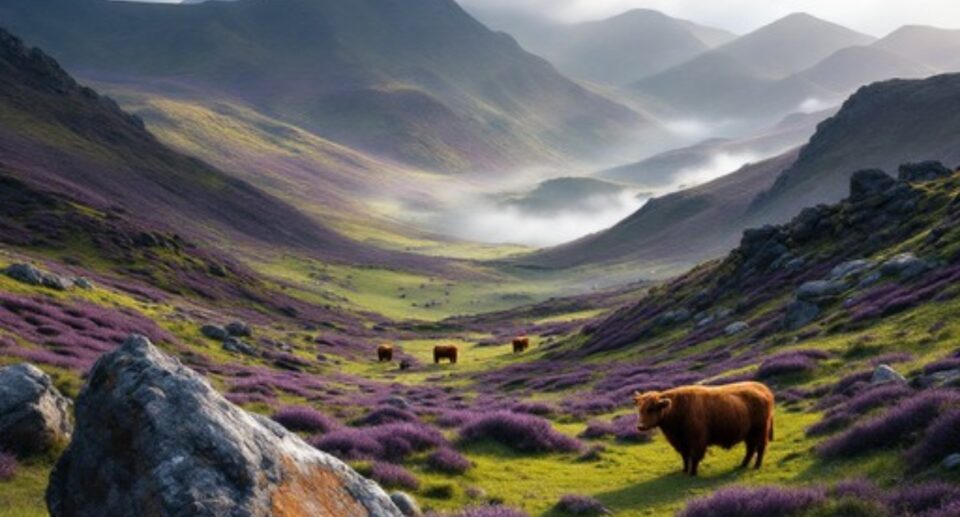
The Scottish Highlands never feel still. Even on a quiet morning, the land moves with wind, drifting clouds, and that famous veil of Highland mist. Many visitors describe it as magical. Locals treat it almost like a companion. Historians, storytellers, and artists see it as something deeper, a symbol that carries centuries of memory.
Today, we explore the mystery of the Scottish Highland mist: how it forms, what it means in Celtic tradition, and why it continues to define the emotional landscape of Scotland.
The Mist as the Highlands’ Signature
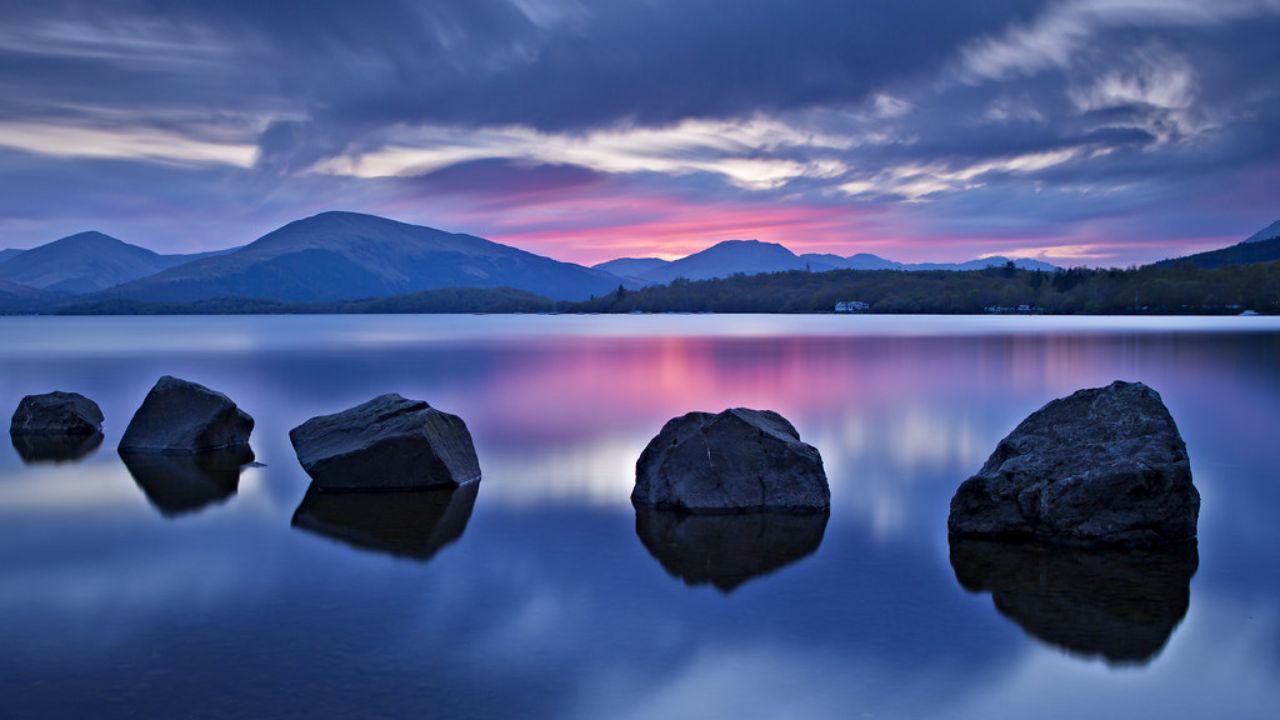
If you travel north toward Glen Coe, the Isle of Mull, or the long shores near Loch Lomond, the first thing you’ll notice is the atmosphere. The Highlands hold moisture in a unique way. Mountain shapes, sea air, and rapid changes in temperature create rolling layers of mist that drift across valleys like ghostly rivers.
The mist softens every outline. It blurs the border between sky and land. It turns a simple walk into something dreamlike. This is why many travelers fall in love with the region before they even reach a castle or a glen.
A Landscape That Breathes Stories
The Highlands have always inspired storytelling. The mist encourages imagination, it hides as much as it reveals. For centuries, families shared myths by the fire, and land wrapped in fog played a key role in these tales. If you want to explore more about Celtic storytelling traditions, you may enjoy our piece Why Irish People Are Natural Storytellers.
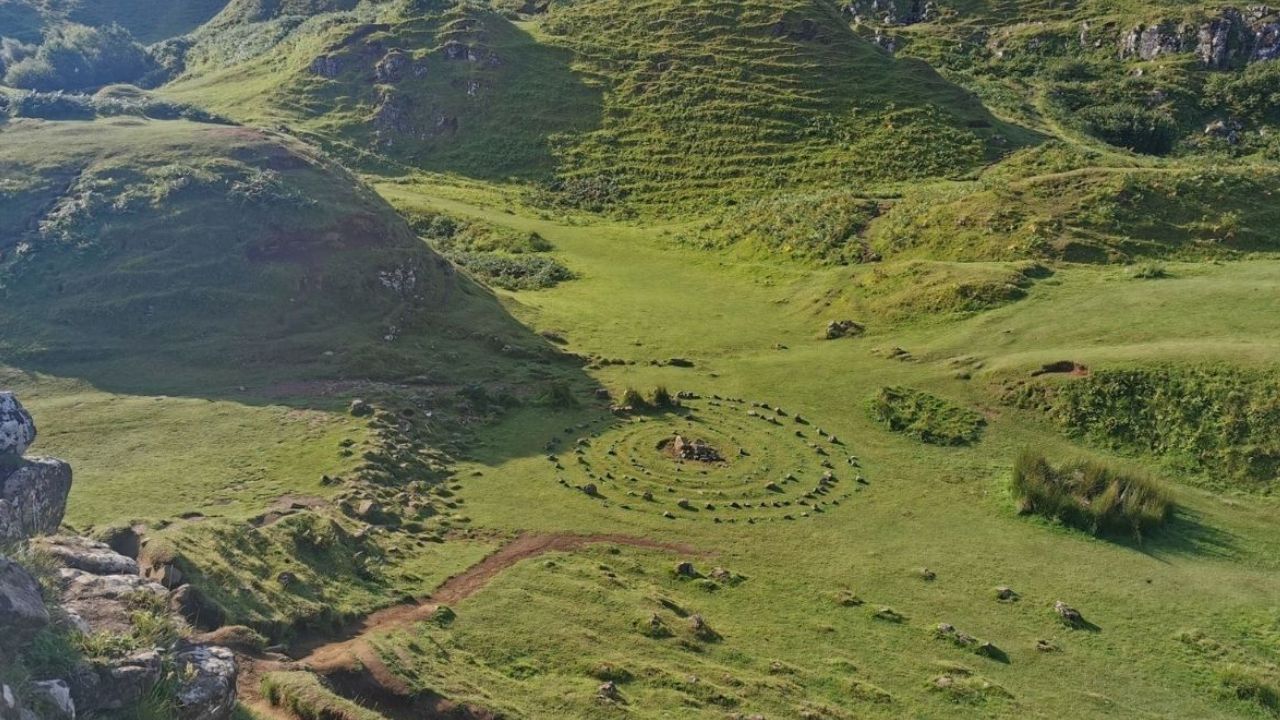
In Highland folklore, mist marks the edge of the seen world and the unseen world. It creates a threshold where time slows, and the past feels close. Some stories speak of ancient spirits wandering the fog. Others claim the mist protects sacred places or hides mythical beings much like the lore explored in Selkies in Folklore and the Legend of the Fairy Glen.
The Celtic Symbolism of Highland Mist
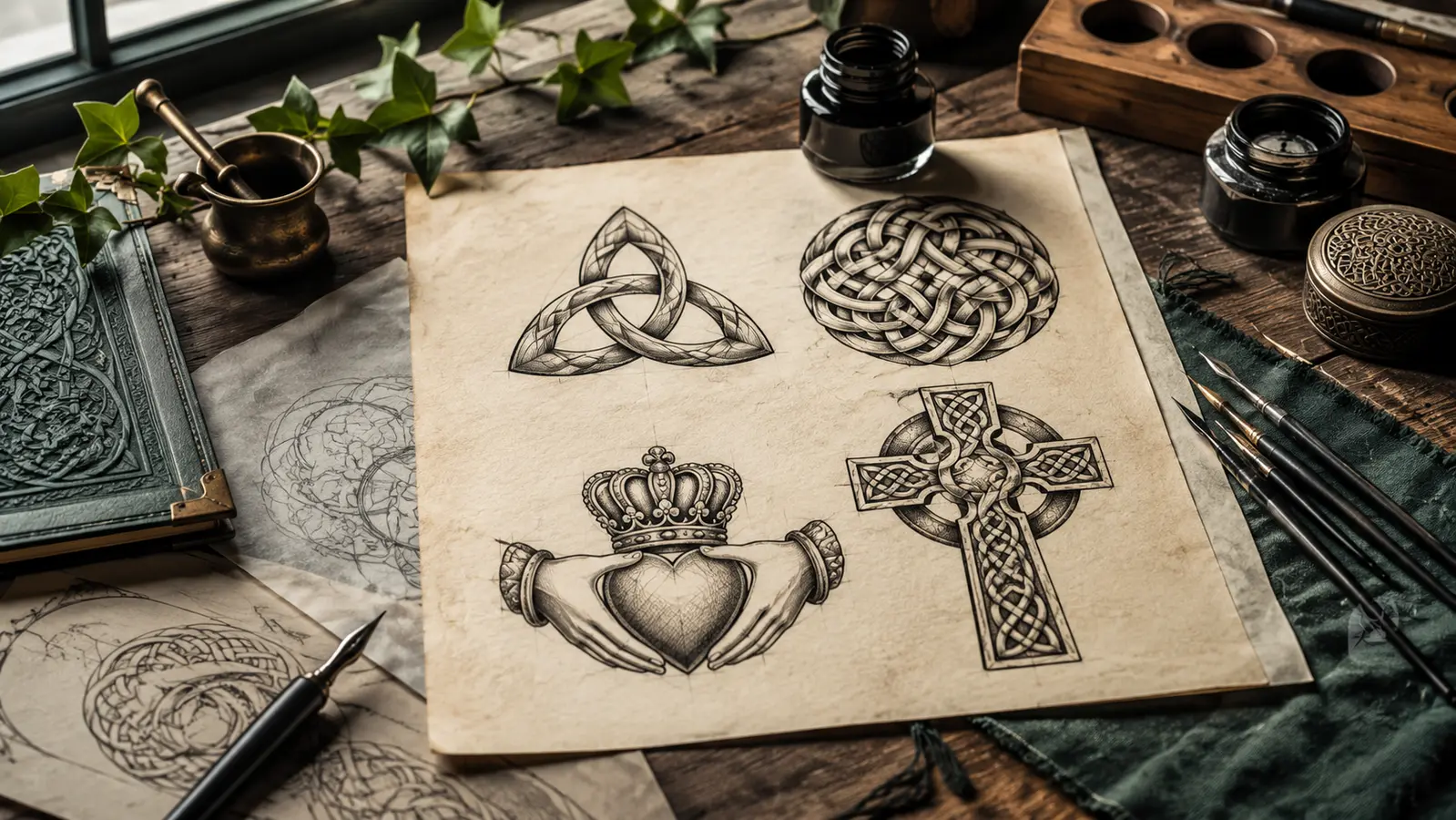
Celtic culture rarely sees natural elements as simple weather. Everything carries meaning.
The mist often symbolizes:
- Transition—a movement between worlds, seasons, or states of being
- Mystery—things not fully known but sensed
- Protection—a soft shield that hides the land from harm
- Memory—a veil that holds the past close
These themes echo across Celtic myths. In tales linked to the Celtic Sun God Lugh, the mist sometimes appears as a barrier that heroes must pass. It represents inner transformation as much as outer challenge.
How Weather Shapes the Highland Identity
The Highland mist does more than create atmosphere. It shapes daily life and cultural identity. Farmers, crofters, and wanderers have lived with this shifting climate for generations. If you want to follow the lives shaped by these landscapes, the story in A Crofter’s Journey Through Time paints a powerful picture.
For the Highland people, weather has always been a teacher:
- It demands patience.
- It teaches resilience.
- It reminds you to move with nature instead of against it.
This attitude runs through Highland traditions, music, and even clothing. Anyone who has worn a kilt in Highland weather (and learned from our guide on Kilts and Weather in Scotland) knows that the mist becomes part of your day whether you planned for it or not.
Mist in Highland Music, Poetry, and Art
Scottish poets often use the mist as a metaphor for longing, ancestry, or distance. Musicians reflect it in slow airs played on the fiddle, similar to the themes we explore in Fiddle Music.
Artists paint it as a living presence that moves across the canvas. The Highland landscape rarely stands still, and neither do the emotions it brings forward.
Experiencing the Highland Mist Yourself
To feel the Highlands fully, you need to walk into the mist rather than admire it from afar. Venture onto the Isle of Mull, where sea fog rises fast. Visit the cliffs near Skye, where sunlight breaks through shifting clouds. Or follow the winding roads toward Glen Coe, where the mist clings to mountainsides like a storyteller whispering to the past.
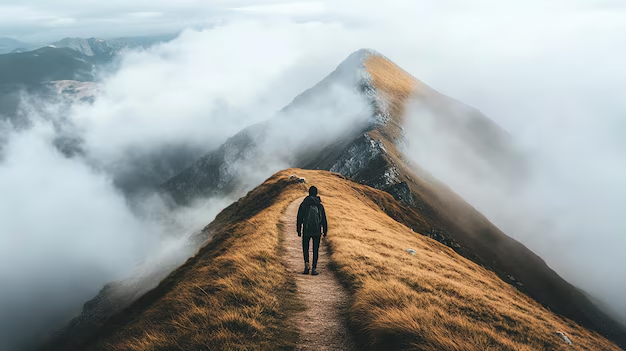
This is why many travelers say the mist makes the Highlands feel alive, almost sentient.
Final Thoughts
The Scottish Highland mist does not just float through the air. It shapes the region’s identity, inspires its stories, and deepens its mysteries. It reminds us that some beauty lies in what we cannot fully see.
If you want more Celtic landscapes, legends, and cultural insights, you can continue exploring through our Celtguide Blog, a home for all things rooted in Britain and Ireland’s past.